


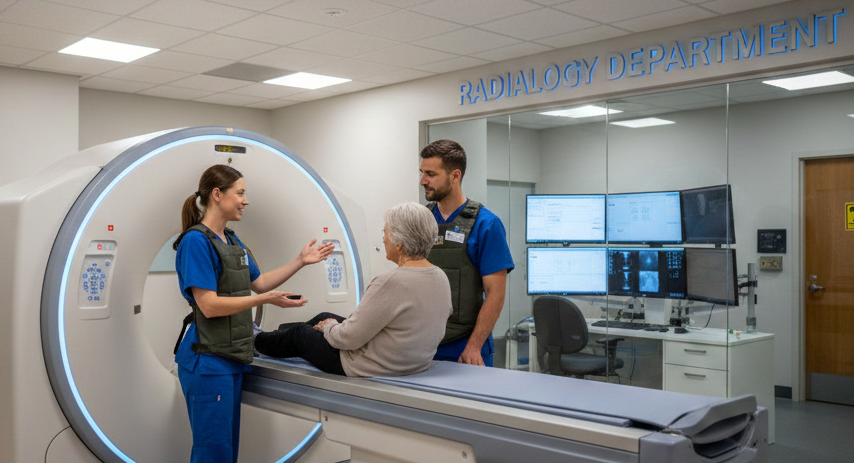
Radiologic technology is a fascinating field at the intersection of healthcare and cutting-edge imaging technology. As a radiologic technologist in radiology, you play a crucial role in patient care, using advanced equipment to help diagnose medical conditions. Every day brings new challenges and opportunities to make a difference in people’s lives.
Whether you’re just starting your journey or looking to enhance your skills, understanding what it takes to excel as a radiologic technologist can set you on the path to success. Dive into this guide to explore essential education requirements, daily responsibilities, and key skills that will elevate your career. Let’s unlock the secrets of thriving in this dynamic profession!
Required Education and Licensure for Radiologic Technologists
To become a successful radiologic technologist in radiology, obtaining the right education is essential. Most aspiring professionals pursue an associate’s degree in radiologic technology, which typically takes about two years to complete. Some may opt for a bachelor’s degree for broader opportunities.
Accredited programs cover various topics including anatomy, patient care, and radiation safety. Hands-on clinical experience is also crucial. This not only enhances practical skills but also builds confidence when working with patients and advanced imaging equipment.
Licensure requirements vary by state but generally involve passing a national certification exam administered by the American Registry of Radiologic Technologists (ARRT). Maintaining this licensure often requires continuing education to keep up with advancements in technology and best practices within the field.
With proper education and licensure, you can establish a strong foundation for your career as a radiologic technologist in radiology.
Responsibilities of a Radiologic Technologist in Radiology
Radiologic technologists play a vital role in the healthcare system. They are responsible for performing diagnostic imaging procedures, such as X-rays, MRIs, and CT scans. Each of these techniques requires precision and attention to detail.
Patient interaction is also a key aspect of their job. Radiologic technologists must explain procedures clearly to ensure patients feel comfortable and informed. This builds trust and eases any anxiety associated with medical imaging.
In addition to technical skills, they must maintain equipment standards. Regular checks help minimize downtime and ensure safety for both patients and staff.
Record-keeping is another important responsibility. Accurate documentation of patient histories and images helps in effective diagnosis by physicians.
Collaboration with radiologists adds another layer to their duties. Working together ensures that results are analyzed promptly, leading to timely patient care decisions.
Essential Skills and Qualities for Success in the Field
To thrive as a radiologic technologist in radiology, several essential skills and qualities stand out. First and foremost is strong technical proficiency. Mastery of imaging equipment is crucial for accurate diagnostics.
Additionally, attention to detail cannot be overlooked. Even the smallest oversight can lead to significant consequences in patient care or image quality. Precision is key.
Interpersonal skills are also vital. Radiologic technologists interact with patients daily. They must exhibit empathy and clear communication to ensure patients feel comfortable during procedures.
Problem-solving abilities come into play frequently as well. Each case may present unique challenges that require quick thinking and adaptability.
An ongoing commitment to learning keeps professionals up-to-date with advancements in technology and techniques. This dedication enhances their skill set and improves patient outcomes over time.
Advancement Opportunities for Radiologic Technologists
Radiologic technologists have a pathway to advancement that is both diverse and rewarding. Many start their careers in general radiography, honing their skills and gaining valuable experience.
With additional training, you can specialize in areas such as MRI, CT scans, or mammography. Specialization opens doors for higher salaries and leadership roles within healthcare settings.
Another route is moving into managerial positions. Radiologic technologists with strong communication skills may take on supervisory roles or become educators, teaching the next generation of professionals.
Certification from recognized organizations can enhance your credentials and marketability. Pursuing further education, like a bachelor’s degree in health sciences or business management, also broadens your opportunities significantly.
Networking with other professionals at conferences or through associations helps build connections that can lead to new job prospects and collaborations. The field offers exciting possibilities for growth beyond initial certification.
Challenges and Rewards of Being a Radiologic Technologist
Being a radiologic technologist comes with its unique set of challenges. The work can be physically demanding, requiring long hours on your feet and the ability to lift and position patients safely. Dealing with anxious or uncooperative patients adds another layer of complexity.
Technologists must also stay updated on rapidly evolving technology and practices in radiology. Continuous learning is essential to ensure accuracy in imaging procedures.
However, the rewards are significant. Helping patients through their health journeys creates a sense of purpose that many find deeply fulfilling. Radiologic technologists play a crucial role in diagnosing conditions, making them integral members of healthcare teams.
Additionally, the demand for skilled professionals offers job security and opportunities for advancement. Many find joy in pursuing specialized certifications or roles within radiology that lead to personal growth and increased responsibility.
Conclusion: Tips for Excelling in Your Career as a Radiologic Technologist
Excelling as a radiologic technologist in radiology requires a blend of education, skills, and personal qualities. Start by ensuring you have the right credentials. A solid educational foundation is crucial, so invest time in obtaining your degree and necessary licensure.
Stay updated with technological advancements in the field. Radiology is continually evolving with new imaging techniques and equipment. Regular training will keep you sharp and relevant.
Communication plays a vital role in this profession. You must effectively interact with patients to ease their concerns while collaborating seamlessly with other healthcare professionals.
Develop strong attention to detail. Accurate image capturing is essential for diagnosis; even minor mistakes can lead to significant consequences for patient care.
Prioritize patient comfort during procedures. Your empathy can significantly impact their experience, helping them feel at ease during diagnostic tests or treatments.
Networking within the industry opens doors to mentorship opportunities and career growth paths that might otherwise remain hidden from view.
Embrace challenges as part of your journey. The rewards of being a radiologic technologist are immense—contributing directly to patient care is both fulfilling and impactful.
By focusing on these key areas, you’ll be well on your way to excelling in your career as a radiologic technologist in radiology.