

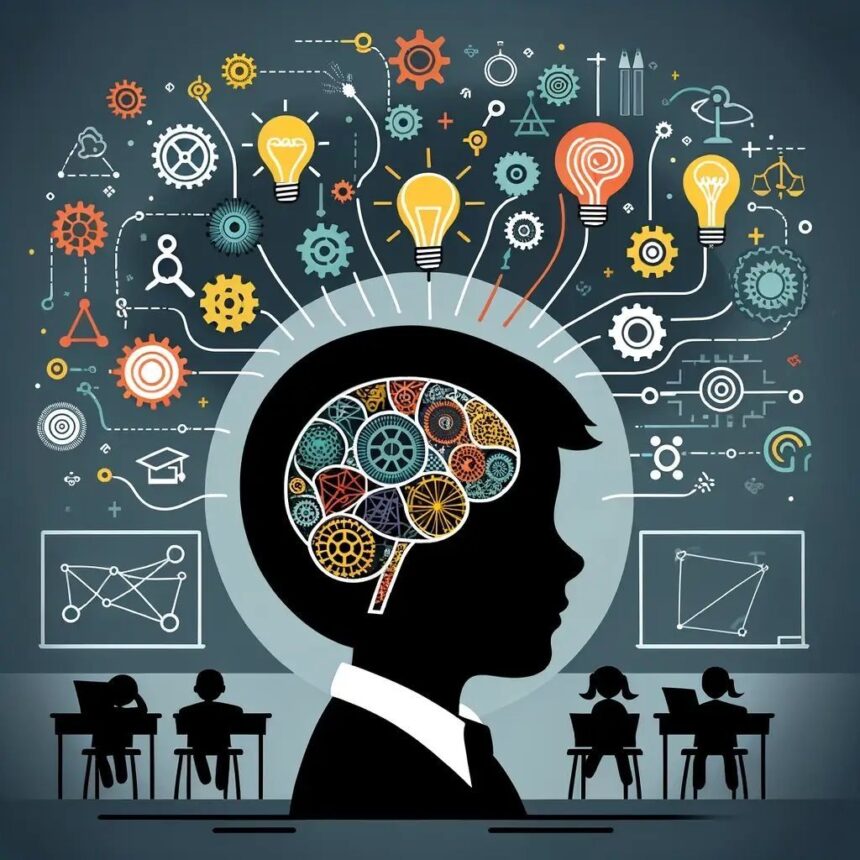
In an ever-evolving world, education stands as a cornerstone for progress and growth. It shapes minds, encourages curiosity, and fuels the desire to explore beyond traditional boundaries. As we face complex global challenges—such as climate change, public health crises, and social inequality—the role of education becomes even more crucial. It’s not merely about acquiring knowledge; it’s about nurturing critical thinking skills that enable us to analyze problems from multiple angles. In this dynamic landscape, how does education empower individuals to innovate solutions that can transform societies? Let’s dive into the integral connection between education, critical thinking, innovation, and their collective impact on tackling global issues.
The role of critical thinking in problem-solving
Critical thinking is a cornerstone of effective problem-solving. It enables individuals to analyze situations deeply and systematically, breaking down complex issues into manageable parts. This skill allows for the evaluation of different perspectives, fostering an environment where creative solutions can emerge.
When faced with challenges, critical thinkers ask questions that go beyond surface-level understanding. They seek the “why” and “how,” which leads to more informed decision-making processes.
Moreover, this analytical approach helps in identifying biases and assumptions that could cloud judgment. By recognizing these factors, individuals can navigate through obstacles more clearly.
In a rapidly changing world filled with uncertainties, harnessing critical thinking gives people the tools they need to adapt and innovate effectively. It’s not just about finding answers; it’s about developing a mindset geared toward exploration and continuous improvement.
How education cultivates critical thinking skills
Education serves as the foundation for developing critical thinking skills. It encourages students to question assumptions and explore various perspectives. Rather than simply memorizing facts, learners engage in discussions that challenge their viewpoints.
Through analysis of texts and problem-solving exercises, education promotes deeper understanding. Students learn to evaluate information critically, distinguishing between fact and opinion. This skill is crucial in today’s world where misinformation is rampant.
Collaborative projects further enhance critical thinking by requiring teamwork and negotiation. Students must articulate their ideas clearly while considering others’ opinions. Such interactions cultivate an environment ripe for intellectual growth.
Additionally, educators use real-world scenarios to teach decision-making processes. By simulating challenges faced in everyday life, students practice assessing situations methodically. This hands-on approach not only sharpens their reasoning but also prepares them for future complexities they will encounter beyond the classroom walls.
The impact of innovation on global challenges
Innovation acts as a catalyst for tackling some of the world’s most pressing challenges. From climate change to public health crises, creative solutions are essential.
Take renewable energy technologies, for instance. Innovations in solar and wind power provide cleaner alternatives to fossil fuels. This shift is crucial in reducing carbon footprints globally.
Moreover, advancements in medical technology have transformed healthcare access. Telemedicine and mobile health applications make it easier for underserved populations to receive care.
Agricultural innovations also play a pivotal role. Techniques like vertical farming and genetically modified crops can help feed the growing global population while minimizing environmental impact.
Each breakthrough not only addresses immediate issues but also paves the way for sustainable development. By harnessing innovation, societies can enhance resilience against future challenges while promoting economic growth and improving quality of life across communities worldwide.
How education encourages and supports innovation
Education acts as a catalyst for innovation by fostering an environment where creative thinking can flourish. Students are encouraged to question the status quo and explore new ideas, which is essential for developing groundbreaking solutions.
Curriculums that emphasize project-based learning allow learners to apply theoretical knowledge in practical scenarios. This hands-on approach sparks creativity and motivates students to push boundaries.
Collaborative projects further enhance this innovative spirit. Working in teams encourages diverse perspectives, leading to richer discussions and unique problem-solving strategies.
Moreover, access to technology within educational settings empowers students. It enables them to experiment with tools that can transform their concepts into tangible innovations.
By nurturing curiosity and resilience, education transforms potential innovators into confident change-makers ready to tackle tomorrow’s challenges head-on.
Real-life examples of how education has contributed to solving global challenges
Education has played a pivotal role in addressing global challenges across various sectors. For instance, initiatives like the Global Education First Initiative have aimed to ensure inclusive and equitable quality education for all. This effort directly tackles poverty and inequality.
In health care, medical education programs have successfully reduced diseases through awareness campaigns about hygiene and vaccination. Countries that prioritized public health education saw significant drops in preventable illnesses.
Environmental sustainability also benefits from educational efforts. Programs teaching communities about climate change foster innovation in renewable energy solutions, promoting greener practices globally.
Another notable example is how agricultural training enhances food security. Farmers educated on sustainable practices often increase crop yields while conserving resources.
These instances demonstrate that when knowledge meets real-world issues, powerful transformations can occur, paving the way for a brighter future for humanity.
Conclusion – the need for continued investment in education for a better future
Education serves as the bedrock for critical thinking, innovation, and tackling global challenges. By investing in education, we are not merely enhancing individual knowledge; we are equipping future generations with the tools they need to navigate complex issues.
As societies evolve and face new hurdles—from climate change to public health crises—those who can think critically will lead us forward. Innovation often springs from a well-educated populace capable of questioning norms and exploring uncharted territories.
Continued investment in educational systems is essential for fostering these skills. It’s about creating environments where ideas flourish and creative solutions emerge. A commitment to education today lays the groundwork for a brighter, more sustainable tomorrow.
Working together to prioritize education is not just beneficial but imperative for addressing pressing global challenges effectively. The decisions made now will undoubtedly shape our future landscape, making it vital that we keep pushing toward an enlightened world through robust educational initiatives.