


Introduction to Smart Classrooms
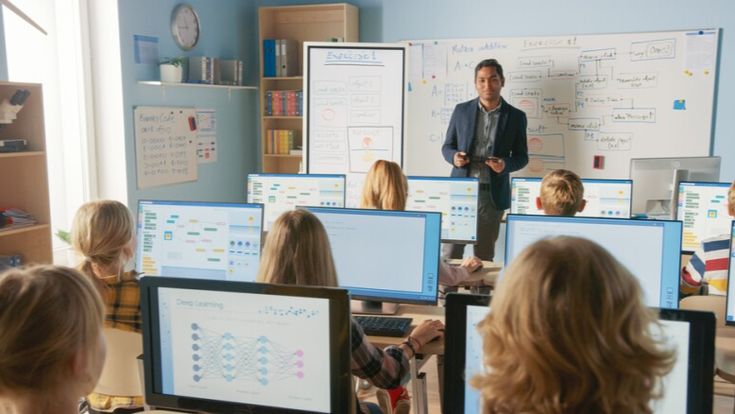
Smart classrooms represent a transformative approach to education, integrating advanced technologies to create a more dynamic and interactive learning environment. This evolution from traditional classrooms to smart classrooms has been fueled by the advent of digital tools and collaborative technologies that enhance both teaching and learning experiences.
At the core of smart classrooms is the incorporation of various technological elements such as interactive whiteboards, projectors, and multimedia resources. These tools facilitate a more engaging instructional approach, allowing educators to present material in varied formats, catering to different learning styles. Additionally, the use of tablets and laptops in conjunction with educational software provides students with immediate access to information, encouraging self-directed learning.
This shift towards a more technologically enriched environment is significant for modern education as it addresses the needs of today’s learners. By promoting interactivity and engagement, smart classrooms help to foster critical thinking and problem-solving skills. Furthermore, the integration of technology in classrooms facilitates collaborative learning opportunities, allowing students to work together in real-time, regardless of their physical location.
As educational institutions adapt to the digital age, the establishment of smart classrooms underscores the importance of developing learning environments that are not only functional but also stimulating. The move towards these innovative classrooms signifies a commitment to enhancing educational outcomes and preparing students for a rapidly changing world. In this context, the adoption of smart classrooms is pivotal—not merely as a trend but as a foundational element in redefining the educational landscape.
Key Features of Smart Classrooms
Smart classrooms are designed to enhance educational experiences by integrating advanced technologies and innovative tools. One of the core components of a smart classroom is the interactive whiteboard. This device allows teachers to present lessons in a dynamic way, incorporating multimedia elements and interactive activities that engage students more effectively than traditional boards. By fostering interaction, these whiteboards significantly boost student participation and comprehension, making learning more enjoyable and impactful.
Another essential feature of smart classrooms is the learning management system (LMS). An LMS serves as a centralized platform for managing course materials, assessments, and student progress tracking. This system ensures that both educators and students have easy access to relevant resources, facilitating a more organized and streamlined learning process. With an LMS, instructors can personalize learning experiences and provide timely feedback, ultimately contributing to enhanced educational outcomes.
Student devices, such as tablets and laptops, are also integral to the smart classroom environment. These devices empower learners by giving them the tools required to access information, conduct research, and engage with interactive content. Mobile learning devices foster a sense of autonomy among students, encouraging them to take initiatives in their education while also supporting collaborative group activities through shared applications and resources.
Lastly, robust network connectivity is crucial in a smart classroom. High-speed internet access ensures that all devices and applications function seamlessly while accommodating the growing demand for online resources and digital collaboration. A reliable network not only enhances the overall efficiency of the classroom but also allows for real-time communication and information sharing, further enriching the learning experience.
The integration of technology in smart classrooms has fundamentally transformed the learning experience for students, positively impacting academic outcomes. One of the most significant effects of technology in education is the enhancement of student engagement. Research shows that when technology is utilized in the classroom, students exhibit greater interest in their lessons. For instance, a study published in the *Journal of Educational Technology* revealed that interactive tools, such as smart boards and educational software, resulted in a 30% increase in student participation during lessons compared to traditional teaching methods.
Furthermore, technology facilitates personalized learning, allowing educators to tailor their teaching strategies to meet individual student needs. Adaptive learning platforms, for instance, analyze a student’s performance in real-time and modify the curriculum accordingly. Data from the Bill & Melinda Gates Foundation indicates that students utilizing personalized learning technology demonstrated a 20% improvement in math and reading scores over a full academic year, compared to their peers who did not use such technology.
Retention of knowledge is another critical aspect where technology has shown significant advantages. A comprehensive study conducted by the *National Education Association* found that students in tech-enhanced classrooms retained 35% more information than those in conventional settings. This improvement can be attributed to the diverse multimedia resources that facilitate different learning styles, such as visual, auditory, and kinesthetic learning approaches.
Moreover, the incorporation of technology leads to enhanced academic performance overall. According to a meta-analysis conducted by the *Education Endowment Foundation*, technology-rich environments resulted in an average boost of 1.2 months in student progress per academic year. These findings underscore the crucial role that technology plays in shaping educational outcomes and demonstrate that when integrated thoughtfully, technology is invaluable in fostering effective learning environments.
Enhancing Student Engagement and Interaction
Smart classrooms have revolutionized the traditional learning landscape by enhancing student engagement and interaction through innovative technologies and collaborative methodologies. One prominent feature of smart classrooms is the use of interactive displays and projectors, which allow educators to present information in dynamic formats, capturing the attention of students more effectively than standard lectures. The integration of multimedia content, including videos, animations, and real-time data, facilitates a deeper understanding of complex concepts, thereby increasing student participation.
Moreover, tools such as interactive whiteboards promote active learning, as they encourage students to participate actively during lessons. These boards allow for real-time collaboration, with students able to contribute their thoughts and ideas directly onto the board. This not only fosters an inclusive environment but also gives each student a sense of ownership over the learning process. For instance, in a recent classroom project on environmental science, students used a smart board to collaboratively create a digital presentation that combined their research findings with interactive elements, showcasing their knowledge in a way that traditional methods could not.
The incorporation of educational software and applications further enhances engagement by allowing students to work on collaborative projects both in and out of the classroom. Platforms such as Google Classroom and Microsoft Teams facilitate group assignments and peer feedback, ensuring students remain connected and engaged with their coursework. These platforms also support diversified learning styles, as they enable students to choose formats that best suit their preferences, whether through video creation, blogging, or online discussions.
Furthermore, gamification elements can be integrated into lessons, fostering a competitive yet collaborative spirit. By transforming assignments into games where students can earn points or rewards, educators stimulate motivation and enhance interaction among peers. Overall, smart classrooms utilize technology in ways that significantly boost student engagement, making learning a more interactive and fruitful experience.
Personalized Learning Experiences
Smart classrooms are revolutionizing the educational system by fostering personalized learning experiences tailored to meet the unique needs of each student. This innovative approach recognizes that each learner has distinct learning styles, paces, and preferences. Through the integration of adaptive learning technologies, educators can create customized curricula that not only enhance engagement but also improve comprehension and retention of knowledge.
Adaptive learning technologies utilize data analytics and artificial intelligence to assess a student’s understanding of various concepts and track their progress over time. For instance, learning management systems can offer real-time feedback and recommend resources that cater specifically to the individual’s areas of difficulty. This customization allows students to conquer challenging topics at their own pace, ensuring that they master foundational knowledge before moving on to more advanced material.
Moreover, smart classrooms provide access to a plethora of digital tools and resources, such as interactive simulations, educational apps, and collaborative platforms that further support personalized learning. By leveraging these technologies, educators can facilitate project-based learning and inquiry-based education, encouraging students to embark on self-directed learning journeys. This student-centric model not only empowers learners to take charge of their educational experience but also helps them cultivate critical thinking and problem-solving skills that are essential for success in the 21st century.
Ultimately, the adoption of smart classroom technologies paves the way for a more inclusive and equitable education system where individual learning differences are acknowledged and addressed. As educational institutions continue to embrace these innovations, personalized learning will become increasingly integral in shaping the future of education, fostering improvement in student outcomes across diverse educational settings.
Teacher Empowerment and Professional Development
The advent of smart classrooms has revolutionized the educational landscape, providing teachers with innovative tools and resources that significantly enhance instructional methods. One of the primary benefits of integrating technology into the classroom is the empowerment of educators. Smart classrooms, equipped with interactive whiteboards, tablets, and various educational software, allow teachers to deliver engaging lessons tailored to diverse learning styles. This technology not only facilitates a more dynamic teaching approach but also enables teachers to access a wealth of information and resources that were previously unavailable to them.
Furthermore, the role of ongoing professional development cannot be overstated in maximizing the effectiveness of these technological advancements. As educational technology continues to evolve, it is critical that teachers receive comprehensive training and support. Professional development programs focus on equipping educators with the necessary skills to effectively utilize smart classroom tools, ensuring that they can integrate technology seamlessly into their curricula. Workshops, seminars, and collaborative learning communities are just a few methods through which educators can enhance their understanding of emerging technologies.
Additionally, teacher empowerment through technology extends beyond just instructional tactics. By becoming proficient in the use of various tools, teachers can foster a more collaborative and interactive learning environment. This creates opportunities for peer collaboration and engagement, ultimately leading to improved student outcomes. Educators who feel confident in using technological resources can also inspire their students to explore and leverage technology to enhance their own learning experiences. In this way, the synergistic relationship between teacher empowerment and professional development is critical to fully realizing the potential of smart classrooms.
Addressing Challenges and Barriers
The integration of smart classrooms into educational institutions holds great promise; however, several challenges and barriers can hinder their successful implementation. One prevalent issue is budget constraints, with many schools facing limited financial resources for investing in advanced technology. This can often lead to a disparity in the quality of education provided to students. To address this challenge, schools can explore various funding options such as grants, partnerships with tech companies, and community support initiatives to bolster their budgets for such transformative projects.
Another significant barrier is resistance to change among educators and administrative staff. Many teachers may feel overwhelmed by the introduction of new technology, fearing it could complicate their existing teaching methodologies. To counteract this, it is essential to implement comprehensive training programs that not only familiarize staff with the new equipment but also demonstrate its pedagogical benefits. Workshops, peer mentorship, and ongoing professional development can help ease the transition for all stakeholders involved.
Moreover, the technical support necessary to maintain smart classroom technologies can be a critical concern, particularly in under-resourced schools. To overcome this, institutions should establish dedicated support teams, or partner with tech-savvy organizations, to ensure regular maintenance and troubleshooting of smart classroom tools. Such initiatives can significantly mitigate downtime and enhance the learning experience for students.
In conclusion, while challenges such as budgetary constraints, resistance to change, and the need for robust training may arise during the transition to smart classrooms, they are not insurmountable. By adopting strategic solutions and fostering an environment of collaboration and support, educational institutions can successfully implement smart classroom technologies that enhance overall learning outcomes.
Future Trends in Smart Classroom Technologies
As educational paradigms evolve, smart classrooms are utilizing a plethora of cutting-edge technologies to enhance the learning experience. Among the most promising developments are artificial intelligence (AI) and virtual reality (VR), which are expected to redefine traditional educational methodologies. The integration of AI in smart classrooms is poised to facilitate personalized learning paths, allowing students to progress at their own pace. With AI-driven analytics, educators can identify individual student needs and preferences, ensuring that each learner receives a tailored educational experience.
Moreover, as VR technology becomes increasingly accessible, its implementation in classrooms will transform educational engagement. Virtual reality immerses students in simulated environments, making abstract concepts more concrete and enabling experiential learning. For instance, students can take virtual field trips to historical sites or explore complex scientific phenomena in a safe and controlled setting. This immersive experience is likely to enhance retention and stimulate deeper understanding of subjects.
Furthermore, advancements in communication technologies, such as augmented reality (AR) and IoT (Internet of Things), will continue to shape smart classrooms. AR interfaces can overlay digital information onto the physical world, offering interactive learning opportunities where students can collaborate in real-time on projects and problem-solving tasks. IoT devices will promote seamless connectivity among classroom tools and resources, facilitating a cohesive and efficient learning environment.
In addition, the continued integration of cloud services promises to enhance remote learning capabilities, allowing for greater flexibility and accessibility. As educational institutions adopt these innovative technologies, the role of the educator will evolve as well. Teachers will transition from traditional information distributors to facilitators, guiding students in navigating their personalized learning experiences. These future trends suggest a significant transformation in how educational content is delivered, ultimately making learning more engaging and effective.
Conclusion and Call to Action
In light of the substantial advantages outlined throughout this article, it is evident that smart classrooms play a pivotal role in enhancing learning outcomes. By adjusting our educational approaches to incorporate innovative technology, we can create an engaging and interactive learning environment that not only supports diverse learning styles but also fosters collaboration and critical thinking among students.
The integration of smart classroom tools, such as interactive displays, multimedia resources, and data analytics, equips educators with the necessary means to tailor instruction effectively. These advanced technologies enable teachers to monitor student progress in real time and tailor their methods to meet specific learning needs. Furthermore, the ability to access a vast array of resources online encourages students to take a more proactive role in their education.
It is essential for educators, academic institutions, and stakeholders in the educational sector to recognize the imperative of advancing towards smart classroom environments. Investment in technology-driven education is not merely a trend but a crucial step toward ensuring a future-ready learning experience. By prioritizing the integration of smart classroom solutions, we are not only improving educational outcomes but also preparing students to thrive in a rapidly changing digital world.
We urge all involved in the educational landscape to embrace these advancements. Let us work collectively to invest in technology that will enhance learning experiences and cultivate a new generation equipped with the skills necessary for success. The future of education lies in our hands; let us not delay in taking action.