
Introduction to Career Success Skills
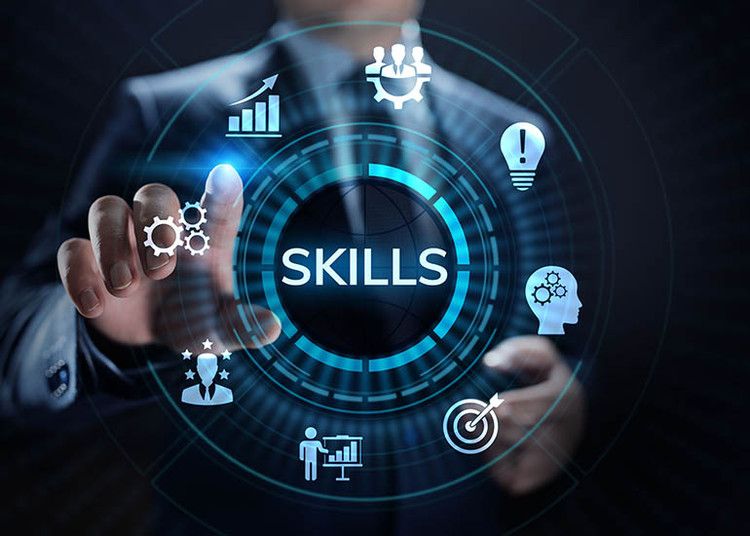
In the contemporary job market, the notion of career success is increasingly tied to possessing a strong set of skills that cater to evolving employer demands. As industries adopt new technologies and methodologies, the skills required for individuals to thrive within them have also witnessed a transformation. Consequently, understanding the essential skills for career success is imperative for both aspiring professionals and those currently navigating their careers.
Career success skills can be broadly categorized into technical skills, which pertain to the specific knowledge required for certain jobs, and soft skills, which encompass interpersonal abilities crucial for effective collaboration and communication. The former includes proficiency in industry-specific software or knowledge about particular processes, while the latter might involve leadership, teamwork, and adaptability. In a competitive job environment, candidates who demonstrate a balanced combination of both skill sets often stand out.
Furthermore, developing these skills not only enriches an individual’s professional toolkit but also enhances employability. Employers today prioritize candidates who can not only perform tasks but also interact well within teams, embrace challenges, and innovate solutions. As job roles continue to evolve, skills that were once deemed optional are now essential. Therefore, cultivating a blend of hard and soft skills is necessary for sustained career growth and fulfillment.
As we delve deeper into the various skills that can facilitate career success, it is crucial to recognize that the dynamics of the workforce are fluid. Staying updated on emerging skills within one’s field, as well as developing transferrable abilities applicable across industries, will be essential in ensuring long-term success in the market.
Communication Skills: The Cornerstone of Success
In the contemporary workplace, communication skills have emerged as a fundamental factor contributing to career success. These skills encompass both verbal and written communication, which are pivotal in fostering effective collaboration and building professional relationships. A clear and concise communication style not only facilitates the exchange of ideas but also ensures that messages are understood as intended. This proficiency is particularly important when working in teams, where diverse perspectives must be integrated to achieve common goals.
Verbal communication includes not just the words spoken but also the tone, pitch, and non-verbal cues such as body language and facial expressions. Mastery of these elements enables professionals to convey their messages more persuasively. For instance, a well-articulated presentation can significantly impact stakeholders, influencing their decisions and driving the course of business initiatives. On the other hand, written communication is equally essential. Whether through emails, reports, or memos, the clarity and effectiveness of written messages can reflect an individual’s professionalism and attention to detail.
Moreover, strong communication skills enhance collaboration among team members. By engaging openly and sharing information freely, employees can avoid misunderstandings and align their efforts towards common objectives. This aspect is critical in today’s fast-paced and often virtual work environments, where miscommunication can lead to significant delays and setbacks. Furthermore, professionals who exhibit strong communication abilities are often viewed as leaders, empowering them to influence others and advocate for innovative ideas.
By developing effective communication skills, individuals can create more opportunities for career advancement. The ability to express oneself clearly and engage with others in meaningful dialogues is not merely an asset; it is a vital ingredient for career success in various fields.
Critical Thinking and Problem Solving
Critical thinking and problem-solving are essential skills in today’s dynamic work environment. These abilities empower individuals to approach complex situations methodically, analyze variables, and make informed decisions. A well-developed critical thinking skill set enables professionals to identify underlying issues, assess the validity of information, and discern fact from opinion. This analytical prowess not only fosters better decision-making but also enhances one’s capacity to contribute value to their organization.
Problem solving is a natural extension of critical thinking. When faced with challenges, individuals can draw upon their critical thinking skills to evaluate various approaches and solutions. The ability to break down a problem into manageable parts facilitates understanding and allows for the exploration of innovative solutions that might not have surfaced through conventional thinking. Moreover, embracing a systematic approach to problem-solving encourages collaboration and opens the floor for diverse perspectives within a team setting.
In organizations that cultivate a culture of critical thinking, individuals are encouraged to question assumptions and explore alternatives. This not only leads to more effective solutions but also fosters an environment of continuous improvement. Teams enriched with critical thinkers are often more adaptable and resilient in the face of change, making them better equipped to handle unexpected challenges. Ultimately, the synergy of critical thinking and problem-solving contributes to organizational success by driving innovation and enhancing operational efficiency.
Therefore, investing in developing these skills is crucial for professionals aspiring to achieve long-term career success. Both critical thinking and problem-solving abilities serve as foundational elements that prepare individuals to thrive in their respective fields, ensuring they remain valuable assets to their organizations.
Adaptability and Flexibility
In today’s rapidly evolving work environment, adaptability and flexibility have emerged as essential skills for career success. With the rapid advancements in technology and ever-changing market dynamics, professionals must be open to change and willing to learn new skills in order to remain competitive. Adaptability refers to the ability to adjust to new conditions and challenges, while flexibility denotes the willingness to embrace change and modify one’s approach to various situations.
The ability to adapt is pivotal in a workplace that frequently undergoes transformation. Organizations today are restructuring their operations, introducing new technologies, and shifting strategies to meet market demands. Those who can navigate these changes effectively are more likely to secure their positions and achieve career advancement. Resilience in the face of uncertainty and the eagerness to learn are crucial characteristics that enhance an individual’s employability.
Moreover, being adaptable not only enhances job security but also facilitates personal and professional growth. Employees who embrace change often find opportunities for development, as they seek out new learning experiences and take on diverse roles within their organizations. This proactive approach not only enriches their skill set but also allows them to contribute positively, ultimately positioning them as valuable assets to employers.
Additionally, adapting to new methods, technologies, and processes fosters innovation. Those who are flexible in their thinking and able to pivot when necessary contribute to a culture of growth and improvement. In summary, cultivating adaptability and flexibility in one’s professional life is not merely beneficial; it is crucial for long-term career success.
Technical Proficiency: Embracing Technology
In today’s rapidly evolving workplace, technical proficiency has become a prerequisite for career success across various domains. The integration of technology in virtually every industry means that professionals must develop specific technical skills to remain competitive. Embracing technology not only enhances efficiency but also makes it possible for individuals to leverage innovative tools that can drive productivity and performance. Understanding industry-specific software, applications, and systems is crucial for professionals who aim to excel in their careers.
Moreover, technical skills extend beyond basic computer literacy. In many sectors, professionals are expected to understand data analysis, cybersecurity, and even coding, among other competencies. For example, in the fields of marketing and finance, analytics platforms are essential for making data-driven decisions. Thus, familiarity with analytics tools and methodologies can set candidates apart in job applications. Employers are increasingly attracted to candidates not just for their soft skills, such as communication and teamwork, but also for their ability to harness technology.
Staying updated with the latest technological advancements is equally important. Continuous learning through online courses, workshops, or certifications is highly encouraged to keep pace with industry trends. Professionals are advised to engage with communities and networks that focus on technological innovations, which can provide insight into emerging skills that are likely to be in demand. Moreover, tech-savvy individuals typically exhibit adaptability, enabling them to transition smoothly into roles that require new skills or technologies.
In conclusion, technical proficiency is no longer an optional skill but a fundamental component of career advancement. By actively seeking to improve their technical skills and embracing the benefits of technology, professionals can greatly enhance their employability and overall career trajectory.
Emotional Intelligence and Interpersonal Skills
Emotional intelligence plays a crucial role in establishing successful workplace relationships. Defined as the ability to recognize, understand, and manage our own emotions as well as the emotions of others, emotional intelligence significantly impacts how individuals interact in a professional environment. One of its key components is empathy, which enables individuals to relate with their colleagues’ feelings and perspectives. This empathetic connection fosters deeper work relationships and enhances communication, leading to a more cohesive team dynamic.
Self-awareness, another vital element of emotional intelligence, allows individuals to understand their emotional triggers and responses. By recognizing these aspects, professionals can manage their reactions and navigate challenging situations more effectively. This personal insight is beneficial not only for the individual but also for the organization, as it cultivates a culture of accountability and growth. When team members possess high levels of self-awareness, they are more likely to contribute positively to collaborative efforts, making it easier to tackle complex projects and resolve conflicts.
Moreover, strong social skills, which stem from emotional intelligence, are essential for fostering collaboration and teamwork. These skills include effective communication, active listening, and conflict resolution. Professionals adept in these areas can influence the team positively, ensuring that ideas are shared openly and feedback is communicated constructively. Such skills help create a workplace environment where individuals feel valued and engaged, which is essential for overall productivity and morale.
In a landscape increasingly driven by interpersonal dynamics and collaborative efforts, enhancing emotional intelligence and interpersonal skills becomes paramount. By investing in these skills, individuals not only improve their career prospects but also contribute to creating a supportive and efficient work culture that benefits everyone involved.
Networking: Building Meaningful Connections
Networking plays a pivotal role in achieving career success. It extends beyond exchanging business cards; it involves cultivating meaningful relationships that can lead to collaborative opportunities and professional advancement. Establishing a robust network is crucial for anyone looking to excel in their career, as it opens doors to new possibilities and insights.
Effective networking is rooted in strategic engagement. One key strategy is to identify individuals in your field or areas of interest and actively seek to engage with them. This can be achieved through attending industry conferences, participating in seminars, or even engaging in online platforms such as LinkedIn. The effectiveness of these engagements often depends on your ability to communicate clearly and express genuine interest in others’ professional experiences. Building rapport is essential; thus, making the effort to listen and share information reciprocally can enhance relationships.
Another important strategy is to maintain ongoing connections. Networking should not be a one-time event; instead, it requires nurturing relationships over time. This can involve periodic follow-ups via emails or social media interactions, sharing relevant content, or simply checking in to offer support. Additionally, being proactive in offering assistance to others in your network fosters goodwill and solidifies reciprocal relationships.
The benefits of networking for career advancement are profound. A strong professional network can provide mentorship opportunities, insider job leads, and exposure to valuable resources. Moreover, connections often yield collaborative ventures that can enhance one’s skillset and marketability. In summary, prioritizing and developing a network of meaningful connections is integral to unlocking career potential and achieving long-term success in any professional domain.
Time Management and Organizational Skills
Time management and organizational skills are essential components for achieving career success in today’s fast-paced professional environment. Effectively managing time ensures that tasks are completed efficiently and deadlines are met, leading to increased productivity and reduced stress. One fundamental technique for improving time management is prioritization, which involves assessing tasks based on their urgency and importance. This can be achieved by utilizing tools such as the Eisenhower Matrix, which helps individuals categorize tasks into four quadrants: urgent and important, important but not urgent, urgent but not important, and neither urgent nor important.
In addition to prioritization, setting specific and measurable goals is crucial. Utilizing the SMART criteria (Specific, Measurable, Achievable, Relevant, Time-bound) can guide individuals in establishing clear objectives. By breaking larger projects into smaller, manageable tasks, one can create a step-by-step plan that minimizes overwhelm and facilitates progress monitoring. Furthermore, planning and scheduling tasks using digital calendars or task management apps can enhance organization. These tools allow users to allocate time blocks for specific activities while also providing reminders that keep them on track.
Another effective technique for improving organizational skills is decluttering the workspace. A tidy and organized physical environment can promote focus and decrease distractions, contributing to higher productivity levels. Regularly reviewing and adjusting workflows enables individuals to identify bottlenecks and inefficiencies, allowing for continuous improvement in processes.
Ultimately, mastering time management and organizational skills significantly impacts career outcomes. By implementing these techniques and maintaining a disciplined approach, individuals can ensure they maximize their productivity, meet deadlines effectively, and foster an organized work atmosphere, all of which are vital for achieving career success.
Conclusion: Cultivating Your Skill Set for Success
In today’s competitive job market, developing a robust skill set is essential for achieving career success. Throughout this blog post, we have explored various skills crucial for professional advancement, including communication, problem-solving, and time management. Each of these skills not only enhances individual performance but also contributes to building strong relationships with colleagues and clients, ultimately fostering a productive work environment.
As we conclude, it is vital for professionals to actively assess their current capabilities and recognize areas that require improvement. Continuous skill development is not a one-time endeavor but a lifelong journey. Engaging in workshops, seeking mentorship, or pursuing further education are all valuable strategies for expanding one’s skill set. Additionally, staying abreast of industry trends and incorporating new technologies into your skill arsenal can propel your career forward.
Furthermore, the cultivation of soft skills—such as adaptability and emotional intelligence—will complement technical expertise, making individuals more versatile in their roles. Understanding the importance of collaboration and teamwork can enhance workplace dynamics and lead to innovative solutions to challenges faced within organizations.
Ultimately, acknowledging the ongoing nature of skill development is imperative. Evaluting your skill set and committing to regular improvement can significantly impact your career trajectory. By prioritizing skill acquisition and enhancement, you position yourself not only for immediate success but also for long-term career satisfaction and growth.