


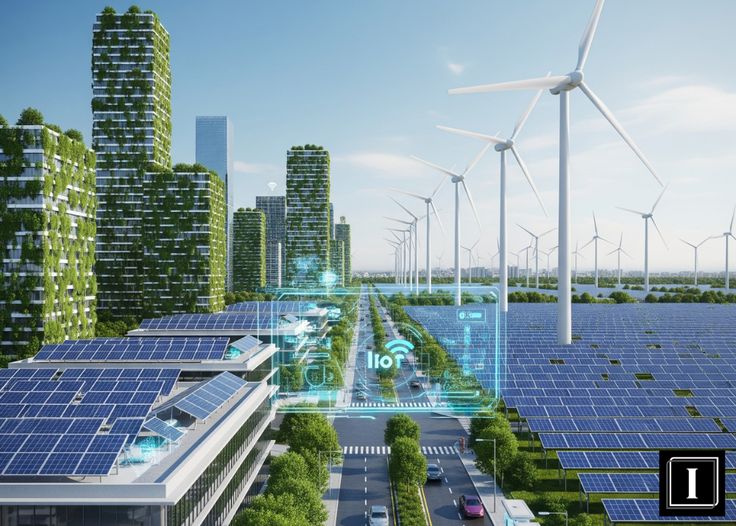
Introduction to Green Technology
Green technology, often referred to as clean technology, encompasses a broad range of practices, techniques, and processes aimed at developing products and services that have a minimal impact on the environment. Its significance is increasingly recognized as societies grapple with the challenges of climate change, resource depletion, and ecological degradation. As a response to these pressing issues, green technology strives to create solutions that enable sustainable living while meeting the growing needs of the populace.
At the heart of green technology lies the concept of sustainability, which emphasizes using resources in a way that meets present needs without compromising the ability of future generations to meet their own. This involves not only conserving natural resources but also fostering practices that restore and rejuvenate the environment. Innovations in this field can range from renewable energy sources, such as solar and wind power, to energy-efficient appliances and eco-friendly construction materials.
Moreover, green technology plays a critical role in reducing humanity’s ecological footprint—the total impact of human activities on the earth’s ecosystem. By advancing technologies that promote renewable resources and reduce waste, industries can work towards more sustainable practices. These advancements often employ cutting-edge research and development to enhance efficiency in production processes and minimize pollution.
As public awareness and concern over environmental issues grow, governments, businesses, and individuals are increasingly adopting green technology solutions. This shift not only reflects a commitment to sustainability but also recognizes the economic potential of emerging green industries. From reducing operational costs through energy efficiency to boosting employment opportunities in sustainability sectors, the transition to green technology is shaping a resilient and sustainable future.
Key Areas of Green Technology Innovations
Green technology encompasses a range of innovations aimed at promoting environmental sustainability and reducing carbon footprints across various sectors. One of the most significant areas is renewable energy, which includes solar, wind, and hydroelectric energy. These energy sources are essential in combating climate change as they provide alternatives to fossil fuels, leading to a substantial reduction in greenhouse gas emissions. Solar energy, harnessed through photovoltaic cells, is becoming increasingly popular due to its capability to generate electricity without harmful emissions. Wind energy, captured by turbines, has also proven to be a robust solution, especially in regions with consistent winds. Similarly, hydroelectric power utilizes flowing water to produce energy, making it a reliable and efficient option for sustainable electricity generation.
Another critical domain of green technology is sustainable agriculture. This approach combines traditional farming practices with modern technology to enhance food production while minimizing environmental impact. Techniques such as organic farming, crop rotation, and precision agriculture contribute to soil health and biodiversity, addressing issues such as soil degradation and water scarcity. By adopting these practices, farmers can increase yield while reducing the need for chemical fertilizers and pesticides, thus fostering a healthier ecosystem.
In the realm of waste management, innovations focus on reducing, reusing, and recycling materials to minimize waste and lower landfill usage. Technologies such as anaerobic digestion and composting facilitate the conversion of organic waste into usable energy or fertilizer, which not only diminishes landfill waste but also promotes a circular economy. This approach not only conserves resources but also reduces pollution and promotes sustainability.
Lastly, the concept of green building is gaining importance, wherein structures are designed and constructed to be environmentally responsible and resource-efficient throughout their life cycle. This includes utilizing sustainable materials, enhancing energy efficiency, and implementing systems for water conservation. Green buildings contribute to improved indoor air quality and reduced environmental impacts, all while providing occupants with a healthier living and working environment.
Overall, these key areas of innovation in green technology play a vital role in shaping a sustainable future, positioning humanity to tackle the pressing environmental challenges of our time.
Recent Breakthroughs in Renewable Energy
Innovations in renewable energy have surged in recent years, significantly contributing to sustainability efforts worldwide. Among the most notable advancements are the improvements in solar panels, wind turbines, and energy storage technologies. These breakthroughs not only enhance efficiency but also improve the integration of renewable sources into existing energy grids.
In the realm of solar technology, researchers have developed bifacial solar panels that capture sunlight from both sides, thus increasing energy output. These panels utilize advanced materials such as perovskite, which allows for better light absorption and more efficient energy conversion. As a result, installations utilizing bifacial panels have reported efficiency rates exceeding 25%, marking a substantial leap from traditional solar technology.
Wind energy has also witnessed remarkable advancements, particularly with the introduction of larger and more efficient wind turbines. The latest models can capture wind energy at lower speeds and convert it into electricity more effectively. For instance, General Electric recently unveiled a turbine with a capacity of 12 MW, designed to power approximately 16,000 homes annually. These developments are crucial in tackling the intermittency of wind energy, making it a more reliable source of power.
Energy storage technologies, particularly in battery solutions, have seen significant progress. Lithium-ion batteries continue to dominate, but new technologies like solid-state batteries promise to further enhance energy density and safety. Additionally, systems that combine both renewable energy generation with storage help in stabilizing energy supply, making them vital to advancing the grid infrastructure. Companies are increasingly investing in research to improve these storage capabilities, which are essential for harnessing the full potential of renewable energy.
The implications of these advancements are profound, not only for global energy consumption but also for the environment. As renewable energy becomes more accessible and affordable, the shift towards sustainable energy systems is becoming an achievable goal. Enhanced technologies in solar, wind, and energy storage pave the way for a future where reliance on fossil fuels can be significantly reduced.
Innovations in Sustainable Transportation
The advancements in sustainable transportation are pivotal in addressing the pressing issues of climate change and urban congestion. Electric vehicles (EVs) have emerged as a leading innovation, significantly contributing to reducing greenhouse gas emissions from the transport sector. Unlike traditional combustion engine vehicles, EVs rely on electric power sourced from renewable energy, resulting in a cleaner, environmentally friendly alternative. As battery technology continues to improve, the range, affordability, and charging infrastructure for EVs are also expanding, making them more accessible to the general public.
Another noteworthy innovation is the development of hydrogen fuel cells. This technology converts hydrogen into electricity, emitting only water vapor as a byproduct. Hydrogen fuel cell vehicles offer a promising solution for sectors where battery technology may not be sufficient, such as heavy-duty transportation and long-distance travel. As hydrogen production methods become more sustainable, this technology stands to play a crucial role in a low-carbon transportation landscape.
The role of public transit in sustainable transportation cannot be overlooked. Innovations in this area often include the introduction of electric buses and rail systems that integrate renewable energy sources. Moreover, advancements in smart transit solutions, such as real-time tracking and mobile payment systems, enhance the efficiency and convenience of public transport, encouraging more individuals to choose this option over personal vehicles. By reducing the number of cars on the road, cities can significantly decrease traffic congestion and lower overall emissions.
Each of these innovations in sustainable transportation not only helps reduce the carbon footprint associated with mobility but also enhances urban environments. By prioritizing and investing in technologies such as electric vehicles, hydrogen fuel cells, and improved public transit systems, cities can work towards a more sustainable future, ultimately fostering better air quality and a healthier population.
Green Technology in Waste Management
Innovations in green technology are dramatically reshaping the waste management landscape, playing a pivotal role in the transition towards a more sustainable future. One of the groundbreaking advancements in this field is the implementation of waste-to-energy systems. These systems convert various types of waste materials into usable energy, thereby not only reducing the volume of waste that ends up in landfills but also contributing to a cleaner energy supply. By harnessing the energy embedded within waste, communities can mitigate the adverse environmental impacts associated with traditional waste disposal methods.
Additionally, significant progress has been made in recycling technologies. Modern recycling methods utilize sophisticated processes such as automatic sorting systems and chemical recycling techniques to enhance material recovery rates and improve the quality of recycled products. As a result, materials that were once considered non-recyclable are now being processed and repurposed, thus promoting a circular economy where waste is minimized, and resources are effectively reused.
The development of biodegradable materials is another notable innovation in green technology that addresses waste management challenges. These materials are designed to decompose naturally within a short period, thus reducing the long-term environmental footprint associated with traditional plastics. As biodegradable products gain popularity, there is a pressing need for effective waste management systems that can properly handle these materials to prevent contamination of composting streams.
Efficient waste management systems not only enhance environmental sustainability but also promote economic benefits by reducing disposal costs and creating new job opportunities within the recycling and waste processing sectors. As countries and municipalities adopt innovative waste management practices, the synergy of waste-to-energy, advanced recycling, and biodegradable materials will foster a sustainable future and contribute towards achieving a fully circular economy.
Smart Grids and Energy Efficiency Technologies
Smart grids represent a transformative innovation in the field of energy management, integrating advanced technologies to enhance energy efficiency and reliability. By utilizing digital communication, smart grids facilitate real-time monitoring and analysis of energy consumption, enabling utilities and consumers to optimize usage. Smart meters are a crucial component of this system, providing detailed insights into electricity consumption patterns. Through real-time feedback, consumers can adjust their usage, leading to significant reductions in energy waste.
Moreover, automated demand response (ADR) technologies play a vital role in managing energy loads during peak demand periods. ADR systems automatically adjust consumer energy consumption in response to real-time cost signals or system needs. This not only helps in minimizing energy costs for consumers but also stabilizes the grid by preventing overloads and outages. Such innovations are critical as they support the integration of renewable energy sources, which are often variable in nature. By intelligently managing demand, smart grids can store excess energy generated from renewable sources during low demand periods and redistribute it when needed.
Adoption of these technologies also contributes to a reduction in greenhouse gas emissions. By improving energy efficiency and promoting the use of cleaner energy sources, smart grids foster a more sustainable energy landscape. As more cities and regions pursue energy independence and sustainability, the integration of smart grids and energy-efficient technology becomes even more indispensable. These innovations not only pave the way for a reliable power supply but also encourage greater environmental stewardship by reducing overall consumption and enhancing the resilience of our energy systems.
The Role of Policy and Legislation in Green Innovations
The advancement of green technology has been significantly influenced by various governmental policies and international agreements. These frameworks are designed not only to encourage innovation but also to establish a sustainable economic environment conducive to the adoption of clean technologies. One critical aspect of these policies is the introduction of regulations that mandate reductions in greenhouse gas emissions and promote renewable energy sources.
Governments worldwide are establishing laws and incentives aimed at businesses that embrace environmentally friendly technologies. For instance, tax credits, grants, and subsidies are common strategies employed to make green innovations more economically attractive. These incentives lower the initial cost barriers associated with developing sustainable technologies and subsequently encourage companies to invest in research and development. Furthermore, public-private partnerships have become prominent in driving green initiatives, allowing for resource sharing and collaborative problem-solving, which can accelerate the pace of innovation.
International agreements such as the Paris Agreement play a crucial role in shaping national policies regarding green technology. By committing to specific targets for reducing carbon emissions, countries align their policies to foster innovation in renewable energy, energy efficiency, and sustainable practices. Compliance with these targets often necessitates the development of supportive legislation that incentivizes both businesses and consumers to transition towards greener alternatives.
In conclusion, the interplay between policy, legislation, and green technology is vital for fostering a sustainable future. Accepting and adapting policies that support ecological initiatives is paramount for governments. As the global demand for sustainable practices continues to grow, these frameworks will ensure that green innovations remain at the forefront of economic and environmental efforts.
Challenges Facing Green Technology Adoption
The transition to green technologies is instrumental in addressing pressing environmental issues. However, several challenges hinder widespread adoption. One of the primary barriers is economic; the initial investment for green technology solutions can be substantial. Many businesses, particularly small and medium enterprises, may struggle to allocate funds for these innovations without guaranteed short-term returns. This hesitance is exacerbated by the perception that traditional energy sources are more cost-effective in the short run, despite their long-term environmental costs.
Social factors also play a vital role in the adoption of green technologies. Public awareness and acceptance of these innovations are crucial for their success. Misinformation about the efficacy and reliability of green solutions can deter consumers and businesses alike from adopting them. Furthermore, resistance to change and the reliance on established systems can create additional obstacles. Efforts to enhance public understanding of green technologies and their benefits are necessary to foster a more receptive environment.
Political challenges are another significant roadblock. Inconsistent policies and regulations regarding sustainability can create uncertainty for investors and innovators. Support for green technology can vary greatly depending on the political climate and the prevailing attitudes toward environmental issues. Policymakers must prioritize the integration of incentives and long-term frameworks to encourage the development and adoption of sustainable solutions.
Collaboration across various stakeholders is essential in overcoming these hurdles. This includes partnerships between governments, businesses, and academic institutions to share resources, knowledge, and best practices. By working together, these united efforts can pave the way for a future where green technologies are widely embraced, significantly contributing to a sustainable environment.
The Future of Green Technology: Trends and Predictions
As society continues to grapple with the effects of climate change and environmental degradation, the future of green technology emerges as both promising and crucial. Several trends are reshaping the landscape of innovative solutions aimed at fostering sustainability. One notable trend is the increasing integration of artificial intelligence (AI) and machine learning into renewable energy systems. These technologies enhance efficiency by predicting energy demands and optimizing the management of renewable resources like solar and wind power. This incorporation is expected to lead to smarter energy grids that can adapt to changing renewable outputs and consumer needs.
Moreover, advancements in energy storage technologies, particularly battery development, play a vital role in the transition to a sustainable future. Innovations in lithium-ion batteries, along with emerging alternatives like solid-state batteries, significantly increase the capacity and longevity of energy storage. This progress ensures that renewable energy can be stored and utilized effectively, addressing a major limitation faced by solar and wind energy resources.
Another significant trend is the growing emphasis on circular economy practices within industries. This approach prioritizes waste reduction, recycling, and resource reusability, fundamentally altering production processes across sectors. As firms adopt circular models, the demand for innovative green technologies becomes paramount, paving the way for new startups that specialize in waste-to-energy solutions and biodegradable materials.
As we look toward the future, predictions indicate that advancements in carbon capture and sequestration technologies will also play a pivotal role. By capturing CO2 emissions from industrial processes and storing them underground, these technologies could mitigate the impacts of climate change. In conclusion, the future of green technology appears vibrant, filled with potential advancements that not only promise to enhance environmental stewardship but also pave the way for a sustainable economy. The ongoing innovations in these areas serve as a beacon of hope, steering society toward a greener and more sustainable future.