

Introduction to IELTS Preparation
The International English Language Testing System (IELTS) is a standardized test that assesses the English proficiency of non-native speakers. It is recognized globally and is often a prerequisite for individuals wishing to study or work in countries where English is the primary language. The significance of achieving a high score on the IELTS exam cannot be understated; it opens doors to academic institutions and employment opportunities in English-speaking countries.
The IELTS test consists of four main components: Listening, Reading, Writing, and Speaking. Each component is designed to evaluate different aspects of language competence. The Listening section comprises four recordings, with tasks ranging from multiple-choice questions to sentence completion, while the Reading section includes various texts from books, magazines, and newspapers. Writing tasks challenge candidates to showcase their ability to articulate ideas clearly, while the Speaking component assesses conversational skills through a face-to-face interview.
Effective preparation is critical to achieving desired results on the IELTS test. While many institutions offer courses and coaching for the exam, self-study is a practical approach that many candidates opt for, given its flexibility. Among the plethora of resources available, books remain a vital tool for learners aiming to enhance their skills systematically. These resources provide structured lessons, practice exercises, and test-taking strategies that prepare candidates for each section of the exam. Furthermore, effective use of self-study books can illuminate the nuances of the English language and boost confidence in test-takers.
In this context, understanding the IELTS test format and familiarizing oneself with its components through dedicated self-study is paramount. By leveraging the right books and materials, candidates can significantly improve their chances of success on the IELTS exam.
Criteria for Selecting IELTS Preparation Books
When it comes to efficiently preparing for the IELTS examination, selecting the right preparation books is crucial. A well-chosen book can provide comprehensive coverage of the test components and tailored guidance necessary for any aspirant to succeed. Several criteria play a significant role in evaluating IELTS preparation books.
First and foremost, it is vital that the book comprehensively addresses the four key components of the IELTS test: Listening, Reading, Writing, and Speaking. Choosing a book that dedicates adequate attention to each component ensures that learners can develop balanced skills across all areas necessary for high scores. Look for resources that incorporate sample questions and practice papers reflective of the current IELTS format.
Additionally, the accuracy and relevance of practice questions cannot be overstated. The practice materials should closely mimic real test questions in terms of difficulty and layout, enabling candidates to familiarize themselves with the test format thoroughly. Verifying the credibility of a book through author qualifications or endorsements can also add weight to its reliability.
Another important criterion is the inclusion of effective test-taking strategies. Quality IELTS preparation books often provide tips and techniques that help candidates manage their time efficiently, an essential skill in a timed testing environment. This aspect not only boosts performance but also aids in alleviating test-related anxiety.
Lastly, user reviews and feedback should be considered when selecting IELTS study materials. Books that consistently receive positive reviews from previous test-takers often reflect their practicality and teaching effectiveness. Gathering insights from fellow learners can help inform choices and lead to a more favorable preparation experience.
Top Books for General IELTS Preparation
When preparing for the IELTS examination, selecting the right materials is crucial for effective study and practice. Several books stand out for their comprehensive approach to the four key test components: Listening, Reading, Writing, and Speaking. Here are some of the most recommended books for general IELTS preparation.
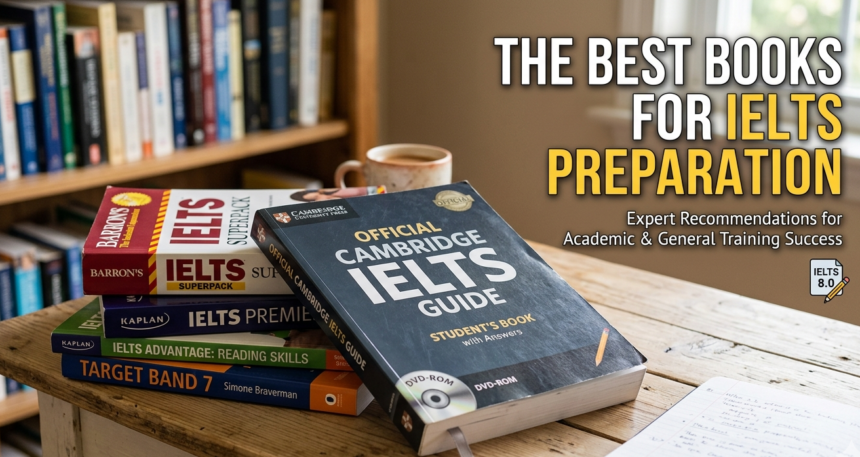
One of the top choices is “The Official Cambridge Guide to IELTS”. This book is written by the creators of the IELTS test, providing genuine insights into the test format. It features a range of practice tests, answer keys, and detailed explanations. The strengths of this guide lie in its authenticity and the array of practice materials. However, its dense structure might be daunting for some learners.
Another great resource is “Barron’s IELTS Superpack”. This comprehensive package includes a test book, audio tracks for listening practice, and additional resources. Its biggest advantage is the thorough preparation it offers for all sections, coupled with a focus on strategies and tips. On the downside, some readers find the organization of materials slightly confusing.
Moving on, “Target Band 7: IELTS Academic Module” by Simone Braverman is tailored specifically for those aiming to achieve a score of 7 or higher. This book focuses on skills improvement and provides practical techniques to tackle each section of the exam effectively. While its targeted strategies are highly beneficial, it may not cover every aspect of the General IELTS.
Finally, the “Cambridge IELTS” series is highly regarded and features actual past examination papers with answers. Each book in this series includes practice tests that reflect the current IELTS format, allowing candidates to familiarize themselves with the types of questions they will encounter. The primary limitation is that the series does not offer much in the way of preparatory strategy or skill-development tips.
Choosing the right preparation book can make a significant difference in your study efficiency and overall performance in the IELTS exam. Carefully consider these options and select the one that best aligns with your learning style and goals.
Best Books for IELTS Listening Practice
When preparing for the IELTS exam, developing strong listening skills is crucial, as it accounts for a significant portion of the test. To aid in this effort, several books are available that focus specifically on enhancing listening abilities for the IELTS examination. These books often provide a variety of listening exercises, practice tests, and tips to improve comprehension, making them valuable resources for self-study.
One highly recommended resource is “IELTS Listening Practice Tests” by David McKeegan. This book features numerous practice tests that mimic the actual IELTS listening section, allowing students to familiarize themselves with the test format. User feedback indicates that the exercises help build confidence and improve overall listening comprehension. The audio tracks are clear and designed to reflect the accented speech commonly found in the IELTS exam, making it an effective tool for practice.
Another valuable title is “Target Band 7: IELTS Academic Module – How to Maximize Your Score” by Simone Braverman. This book not only covers strategies for achieving a high score but also includes a dedicated section on listening. It provides practical tips that help readers identify keywords and understand context, which are essential skills during the listening section of the IELTS. Reviews highlight that many users found these strategies significantly improved their performance in the listening test.
Lastly, “The Official Cambridge Guide to IELTS” is a comprehensive resource suitable for both academic and general training candidates. This guide offers practice tasks and helps learners hone their listening skills through its structured approach. Users contend that the book’s clear explanations and wealth of exercises make it instrumental in enhancing listening proficiency.
The selected books for IELTS listening practice effectively blend exercises with essential tips and strategies. With consistent use, they can significantly contribute to one’s readiness for the IELTS listening section.
Essential Books for IELTS Reading Skills
Preparing for the IELTS reading module necessitates a structured approach that often includes leveraging the right resources. Several books stand out in their ability to assist learners in honing their reading skills, enabling them to navigate the complexities of this module effectively. One prominent title is “IELTS Reading Tests” by Peter Travis, which offers authentic test practice through a series of past reading tests. This book not only familiarizes learners with the test format but also provides valuable insights into common question types, essential for maximizing performance.
Another excellent resource is “The Official Cambridge Guide to IELTS”. This comprehensive guide addresses both the academic and general training modules and includes strategies for reading comprehension. It presents various types of reading tasks, including skimming and scanning techniques, aimed at improving speed and accuracy. Moreover, it contains practice passages that mirror the style and difficulty of the actual test passages, helping learners to approach their preparation methodically.
Furthermore, “Target Band 7: IELTS Academic Module – How to Maximize Your Score” by Simone Braverman is noteworthy for its focused strategies tailored to achieve a high band score. The book offers practical tips for quick comprehension and suggests exercises that train learners to identify key points effectively. By using a combination of these resources, students can enhance their reading skills, ensuring they are well-prepared to tackle the IELTS reading section confidently.
To complement these books, it is advisable for learners to engage in regular reading practice across various genres. This will not only aid in vocabulary expansion but also increase familiarization with different writing styles, which is crucial for success in the IELTS reading module.
Recommended Books for IELTS Writing Preparation
The IELTS Writing section demands a comprehensive understanding of various essay formats, coherence in argumentation, and the ability to articulate thoughts clearly. Several books cater specifically to these needs, equipping learners with vital techniques and insights for effective writing.
One of the standout choices is “Barron’s IELTS Superpack.” This resource not only includes extensive practice questions but also elucidates the writing tasks and scoring criteria. With model answers and expert advice, students can learn to craft essays that meet IELTS standards. The inclusion of sample prompts allows for targeted practice, which is essential for mastering the Writing section.
Another highly regarded book is “Cambridge IELTS Books” series. Each book in this series contains authentic past papers along with detailed answers and feedback. This format helps learners gauge their writing skills against actual test examples, ensuring that they understand the expectations of the examiners. The essays provided as part of this resource serve as benchmarks, showcasing what constitutes a high-scoring response.
For those seeking focused guidance on writing techniques, “IELTS Advantage: Writing Skills” by Richard Brown and Lewis Richards is a must-have. This guide emphasizes specific strategies for both Task 1 and Task 2, aiding students in structure and style. The clear instructions coupled with example essays make this book particularly useful for learners striving to enhance their writing proficiency.
Finally, “The Official Cambridge Guide to IELTS” is indispensable for comprehensive preparation. It offers thorough explanations and strategies, covering all aspects of the exam, including writing. Utilizing real prompts from past exams and providing model responses, this resource enables learners to build confidence and familiarity with test expectations.
Books for Improving IELTS Speaking Proficiency
Enhancing speaking proficiency for the IELTS exam necessitates targeted practice using the right resources. A selection of books specifically focused on improving IELTS speaking skills can make a significant difference in a candidate’s performance. One such invaluable resource is “IELTS Speaking for Band 9 — Speaking Topics, Questions and Answers”. This book provides a comprehensive overview of common speaking topics encountered in the exam, along with practical tips and model answers, which can serve as a foundation for both novice and advanced learners.
Another recommended title is “Target Band 7: IELTS Speaking and Listening for the IELTS Exam”. This book not only delves into speaking skills but also incorporates listening practice, essential for a holistic approach to IELTS preparation. This resource equips learners with the necessary language, vocabulary, and strategy to navigate the IELTS speaking test proficiently. Additionally, it features practice questions that mirror the real exam format, aiding candidates in familiarizing themselves with the types of questions they will encounter.
Furthermore, “Cambridge Grammar and Vocabulary for the IELTS” plays a pivotal role in enhancing both speaking and overall communication skills. This book emphasizes grammar rules and vocabulary expansion, which are crucial for articulating thoughts effectively during the speaking segment of the test. Users have reported a noticeable improvement in their fluency and coherence after utilizing the exercises provided in this book.
Lastly, “The Official Cambridge Guide to IELTS” offers insights directly from the examination body, ensuring the information is accurate and relevant. It includes plenty of speaking prompts and tips for developing fluency, making it an essential inclusion in any IELTS preparation library. As different candidates may have varying needs, it is recommended to assess these resources in alignment with individual preparation strategies.
Study Plans and How to Utilize IELTS Books Effectively
Developing a structured study plan is crucial for maximizing the benefits of the IELTS preparation books at your disposal. First, assess your current proficiency level by taking a diagnostic test or reviewing your previous IELTS scores. This evaluation will guide you in selecting the appropriate books based on your strengths and weaknesses in each of the four IELTS components: Listening, Reading, Writing, and Speaking.
After determining your baseline knowledge, create a timetable that spans several weeks or months, depending on your target test date. Aim to allocate specific blocks of time each day dedicated solely to IELTS preparation. Consistency is key; therefore, integrating short, focused study sessions of 30 to 60 minutes each day can often yield better results than infrequent, lengthy sessions. Combining different types of resources—such as practice tests, vocabulary books, and written exercises—can enhance your understanding and keep the material engaging.
Setting clear and achievable goals is also essential in your study routine. For example, strive to complete a certain number of practice questions each week or enhance your reading comprehension skills by tackling a chapter from a recommended book. Also, consider using a variety of IELTS preparation books to cover diverse question formats and strategies, which will prepare you for the unpredictability of the actual test.
Incorporating review sessions into your plan is necessary for retention and growth. Regularly revisit previously studied topics or completed tests, reflecting on errors and areas for improvement. Furthermore, participating in study groups or engaging with online communities can provide additional motivation and insights to help refine your skills.
Conclusion and Final Tips for Successful Self-Study
Preparing for the IELTS examination requires effective planning and the use of appropriate resources. As emphasized throughout this guide, selecting the right books for IELTS preparation plays a crucial role in paving the way for success. Quality study materials not only contribute to a solid understanding of the test format but also enhance critical language skills necessary for achieving your desired score. Therefore, judiciously choosing resources tailored to your individual needs is essential.
In addition to selecting suitable materials, staying motivated and committed to your study schedule is indispensable. Regular practice, even in short, focused sessions, can significantly impact your learning trajectory. Consider establishing a daily or weekly study routine that encompasses all four language skills tested in the IELTS exam: listening, reading, writing, and speaking. Consistency is key; therefore, even if time is limited, maintaining a study habit will foster gradual improvement.
Utilizing practice tests is another effective strategy to monitor your progress. These practice exams simulate the actual testing environment and help to familiarize you with the types of questions you will encounter. Take these assessments under timed conditions and review your answers thoroughly to identify areas that require further attention. This reflective practice not only builds confidence but also allows you to gauge the effectiveness of your study methods and materials.
In conclusion, by employing the right resources, committing to regular practice, and effectively utilizing practice tests, you can enhance your preparation for the IELTS exam. With dedication and focus, your efforts will position you well on the path to achieving your target score.