


Introduction to Competitive Assessments
Competitive assessments play a crucial role in both academic and professional landscapes. They are designed to evaluate an individual’s knowledge, skills, and aptitude in relation to a specific field or subject area. These assessments can manifest in various forms, including entrance exams, standardized tests, and professional certifications. Each type serves distinct purposes but shares the common goal of determining a candidate’s readiness and suitability for advanced studies or career opportunities.
Entrance exams are typically used as a gateway for students seeking admission to educational institutions. They often form a vital part of the selection process in colleges and universities, influencing the decision-making of admissions committees. The performance on these assessments can significantly impact a student’s educational trajectory, as higher scores may lead to better academic opportunities, including scholarships and placements in reputable institutions.
Standardized tests, on the other hand, are widely adopted in various educational systems and profession-related evaluations. These tests measure performance against a national or international benchmark, facilitating an objective comparison among test-takers. Furthermore, they are instrumental for institutions and employers in assessing the qualifications of candidates in a consistent manner. Such evaluations not only aid in admissions and hiring processes but also support longitudinal studies in educational effectiveness and workforce productivity.
Professional certifications are another critical form of competitive assessment, validating an individual’s expertise in a particular area. Obtaining these credentials is often a prerequisite for career advancement in fields such as healthcare, information technology, and finance. They reflect a commitment to continued professional development and can enhance job prospects, increase earning potential, and provide a competitive edge in the job market.
Understanding the Structure of Competitive Exams
Competitive examinations are designed to assess a candidate’s aptitude and knowledge across various domains. Understanding the structure of these assessments is crucial for effective preparation. Typically, competitive exams incorporate several question types including multiple-choice questions (MCQs), essay formats, and practical scenarios. Each format assesses different skills, making it essential for candidates to familiarize themselves with all types.
Multiple-choice questions are prevalent in competitive exams as they allow for swift evaluation of a candidate’s breadth of knowledge. These questions can cover quantitative aptitude, verbal reasoning, and subject-specific content. Additionally, essay questions are often utilized in exams targeting analytical and writing skills, enabling candidates to demonstrate their understanding in a more nuanced manner. Practical assessments, although less common, are crucial for fields that necessitate real-world application of skills, such as engineering or medical examinations.
The typical structure of competitive exams may be broken down into sections, which often encompasses verbal reasoning, quantitative aptitude, and logical reasoning. Verbal reasoning tests a candidate’s ability to comprehend and analyze written information, while quantitative aptitude evaluates numerical and mathematical problem-solving skills. The logic or analytical reasoning section is designed to gauge a candidate’s critical thinking abilities, which are essential in many professional fields. Often, each section is assigned a specific time limit, reinforcing the importance of time management during the exam.
Effective time management is vital; candidates must allocate their time wisely to cover all sections thoroughly while minimizing errors. Developing a strategy for tackling various question types within the allocated time can significantly influence a candidate’s overall performance. To excel in competitive assessments, a comprehensive understanding of the exam structure along with efficient preparation and time management is paramount.
Importance of Tailored Preparation Frameworks
In the realm of competitive assessments, adopting a one-size-fits-all approach often proves ineffective. Each individual possesses distinct learning styles, strengths, and weaknesses, which can significantly influence their performance during examinations. Consequently, the development and implementation of tailored preparation frameworks becomes essential. These personalized frameworks are designed to align with an individual’s unique characteristics, thereby enhancing the efficiency and effectiveness of the study process.
Diverse learning styles play a pivotal role in shaping how students absorb and process information. For instance, some individuals excel in visual learning, benefiting from diagrams, charts, and videos, while others may find auditory or kinesthetic methods more conducive to their understanding. By recognizing these differences, tailored preparation frameworks allow learners to adopt strategies that resonate with their preferred modalities, which can lead to improved retention and comprehension of material.
Moreover, understanding personal strengths and weaknesses enables individuals to allocate their study time efficiently. A tailored preparation framework can pinpoint areas in need of development, allowing for targeted practice and study. Rather than spending equal time on all subjects or topics, learners can focus on their weaker areas while solidifying their understanding of stronger topics. This individualized focus not only maximizes study effectiveness but also helps build confidence as students encounter and conquer their challenges.
Ultimately, the importance of tailored preparation frameworks cannot be overstated. By fostering a personalized approach to studying, individuals are better equipped to navigate the complexities of competitive assessments. Such frameworks not only enhance learning outcomes but also empower students to take charge of their own academic journeys, ensuring they are optimally prepared for success in their assessments.
Key Components of an Effective Preparation Strategy
To maximize success in any competitive assessment, a well-rounded preparation strategy is essential. At the core of this strategy is the concept of goal setting. Clearly defined goals create a roadmap for learners, helping them understand what they need to achieve in both the short and long term. Specific, measurable, achievable, relevant, and time-bound (SMART) objectives are beneficial in ensuring focus and development over the preparation period.
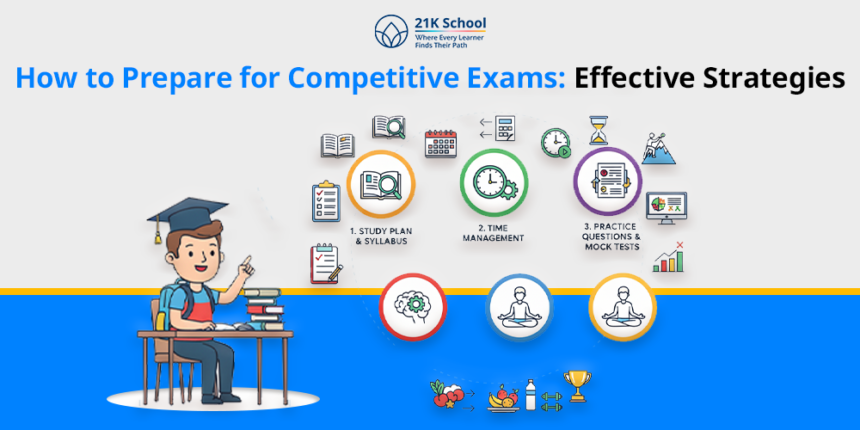
Equally important is the establishment of a study schedule. A structured timetable allocates time for various subjects or topics, balancing intensive study with periods of rest. This planned approach helps learners maintain healthy study habits, avoiding burnout while enabling steady progression toward their goals. Time management techniques, such as the Pomodoro technique or prioritization matrices, can further enhance efficiency and retention during study sessions.
Selecting the right resources is another fundamental component of an effective preparation strategy. Comprehensive books, online courses, and practice tests are valuable tools that can provide substantial insight into the exam’s format and content. It is crucial to choose materials that align with the exam objectives and are recognized for their effectiveness, as this ensures that the study efforts are directed toward applicable knowledge and skills.
Moreover, incorporating self-care practices into the preparation strategy is vital for maintaining both physical and mental well-being. Effective stress management techniques, such as mindfulness, regular exercise, and adequate sleep, contribute significantly to overall performance. Ensuring appropriate rest allows the mind to consolidate information, fostering better retention and recall abilities during examinations.
Utilizing Technology and Resources for Preparation
In the contemporary educational landscape, technology has become an indispensable ally for students preparing for competitive assessments. The advent of online courses has revolutionized the manner in which learners can access knowledge. Platforms such as Coursera, edX, and Khan Academy offer a wide range of subjects, catering to various learning needs. These courses often include video lectures, reading materials, and interactive quizzes, allowing students to learn at their own pace while deepening their understanding of complex topics.
Mobile applications also serve as powerful tools for exam preparation. Applications such as Quizlet, Anki, and Exam Countdown can facilitate active learning through flashcards, practice tests, and study reminders. These tools are specifically designed to enhance memory retention and motivate learners by making study sessions more dynamic and engaging. Furthermore, mobile apps can be used anywhere, making it easier for students to incorporate study time into their daily routines.
Virtual study groups have gained popularity in recent years, enabling students to collaborate and share resources from the comfort of their homes. Platforms like Discord and Zoom allow for seamless communication, fostering discussions that can deepen understanding of challenging topics. Peer support is crucial in the learning process, and these virtual environments promote collective problem-solving and knowledge sharing.
Lastly, practice test platforms such as Magoosh and Kaplan offer expertly crafted questions that mimic the format of actual competitive examinations. Regular engagement with these tools is essential for familiarizing oneself with test structures and pacing, ultimately leading to better performance on test day. By leveraging technology and accessible resources, students can optimize their exam preparation strategies and enhance their overall learning experience.
Psychological Preparations and Mindset
Exam preparation extends beyond academic knowledge; it heavily encompasses psychological readiness. To effectively navigate the challenges posed by competitive assessments, it is essential to cultivate a robust mindset. One primary technique for building confidence is through positive self-affirmations. Regularly affirming one’s capabilities can significantly influence performance outcomes, imbuing individuals with the necessary self-belief to excel. Additionally, visualization techniques, where candidates mentally rehearse their test-taking experience, have shown to enhance confidence and reduce intimidation associated with exam conditions.
Moreover, maintaining intrinsic motivation is crucial for sustained effort throughout the preparation period. Setting clear, achievable goals and acknowledging incremental progress can serve to reinforce motivation. It is important to remember the reasons behind pursuing these examinations; whether for career advancements, personal growth, or academic accolades, recalling these motivations can invigorate one’s study regime.
Furthermore, developing a positive mindset is integral to overcoming hurdles associated with competitive assessments. Mindfulness and relaxation techniques, such as deep breathing exercises and meditation, can mitigate anxiety and stress that often accompany high-stakes testing. Engaging in such practices can lead to improved focus and composure, which are vital during the examination itself.
It is also essential to adopt a growth mindset, viewing challenges as opportunities for learning rather than insurmountable obstacles. This perspective helps to reframe failures or difficulties encountered during preparation as valuable experiences that contribute to personal development. Building resilience through this mindset can help learners navigate setbacks and difficulties more effectively.
In summary, psychological preparations play a pivotal role in effective exam readiness. By employing techniques that build confidence, foster motivation, and cultivate a positive mindset, candidates can significantly improve their psychological fortitude, ultimately leading to enhanced performance during competitive assessments.
Assessment and Progress Tracking
In the competitive landscape of examinations, self-assessment plays a pivotal role in identifying an individual’s strengths and weaknesses. To effectively navigate the preparatory journey, students must employ various methods that allow for continual evaluation of their readiness. One of the most practical approaches is the utilization of practice exams. These exams simulate the actual test environment, providing valuable insights into one’s comprehension, time management, and stress handling. Regularly integrating these assessments into one’s study routine can significantly enhance test preparedness.
Another effective method for tracking progress is reflective journaling. This practice involves maintaining a detailed record of study habits, topics covered, and perceived levels of understanding. By reflecting on their learning experiences, individuals can identify patterns in their study methods and make necessary adjustments. Furthermore, journaling encourages a deeper engagement with the material, which can lead to improved retention of information. This introspective practice not only aids in recognizing areas requiring more attention but also reinforces concepts that have been effectively mastered.
Additionally, seeking feedback from mentors or peers can significantly contribute to the assessment process. Constructive criticism and guidance can provide a clearer picture of one’s performance and areas needing improvement. Collaborative study sessions allow for knowledge sharing and can highlight unseen gaps in understanding. Establishing a feedback loop ensures that individuals remain accountable and motivated throughout their preparation.
Overall, the incorporation of practice exams, reflective journaling, and peer or mentor feedback forms a comprehensive framework for self-assessment. By diligently tracking progress through these methods, candidates can enhance their readiness for competitive assessments and increase their likelihood of success.
Final Review and Mock Tests
The process of preparing for competitive assessments can often be overwhelming, necessitating an organized approach, particularly during the final stages of preparation. Conducting a thorough final review is integral to solidifying knowledge and ensuring that all concepts are thoroughly understood. A final review session typically includes revisiting key topics, summarizing crucial information, and addressing any lingering doubts that could jeopardize performance on the actual assessment.
To maximize the effectiveness of a final review, students should create a structured study plan. This plan should delineate specific subjects or topics to focus on, allowing for concentrated revision of areas that may require more attention. Incorporating varied study materials, such as textbooks, notes, and lecture recordings, will help reinforce learning through diverse methods. Additionally, forming study groups can facilitate collective learning, where students can discuss concepts and quiz each other, enabling peer support and enhancing retention rates.
In parallel with final reviews, the role of mock tests cannot be understated. Mock tests simulate the testing environment, allowing candidates to familiarize themselves with the format and timing of actual examinations. Engaging in these practice assessments helps to alleviate anxiety by providing a realistic experience of what to expect on test day. Moreover, mock tests are invaluable for identifying weaknesses in knowledge and understanding, enabling targeted revision in those areas prior to the final examination.
Employing a combination of final review strategies and mock tests leads to a comprehensive approach to preparation. The synthesis of these two elements equips candidates with not only the knowledge needed to succeed but also the confidence to perform well under examination conditions, ultimately enhancing their readiness for the competitive assessment.
Conclusion: Building a Sustainable Preparation Habit
As we conclude this exploration of advanced examination preparation frameworks for competitive assessments, it is essential to emphasize the importance of developing sustainable study habits. Preparing for exams is not merely a task to be completed in a short time frame; it is an opportunity for personal growth and intellectual development. By adopting a methodical and consistent approach to your studies, you cultivate a mindset that values lifelong learning.
One of the key takeaways is that preparation should extend beyond the imminent examination period. This involves integrating effective study habits into daily life, ensuring that learning is continuous rather than sporadic. Techniques such as active recall, spaced repetition, and time management not only help in excelling in examinations but also foster a deeper understanding of the material, which can be beneficial in diverse aspects of life.
Moreover, viewing exams as stages in a larger educational journey can significantly alter one’s approach. Instead of focusing solely on grades or rankings, consider each exam as a stepping stone towards becoming a more knowledgeable and skilled individual. This perspective encourages resilience and adaptability, key traits necessary for thriving in today’s dynamic environment.
Ultimately, the goal is to create a sustainable preparation habit that not only serves immediate needs but also prepares individuals for future challenges. Embracing the idea of regular study and self-improvement can transform the competitive assessment landscape into a holistic educational experience. In doing so, you equip yourself with lifelong skills, ultimately leading to personal and professional triumphs.