


Introduction to Cognitive Performance Enhancement
Cognitive performance enhancement refers to strategies and practices aimed at improving mental functions such as attention, memory, and problem-solving skills. These enhancements become particularly significant during intensive study cycles, a period often characterized by extended hours of learning and information retention. For both students and professionals, the ability to perform cognitively at a higher level can lead to better academic outcomes, more effective learning, and improved task efficiency.
The concept of cognitive performance encompasses a range of mental abilities that are crucial for educational achievement and professional success. This includes critical thinking, the ability to synthesize information, and the retention of knowledge over time. Effective cognitive performance is essential during challenging study bouts as it directly influences one’s capacity to absorb and process new material. When cognitive functions are optimized, individuals can engage more fully with the content, leading to a deeper and more enduring understanding.
Intensive study cycles, however, present unique challenges. Study sessions can often lead to cognitive fatigue, a state whereby the brain’s ability to focus diminishes as mental resources are depleted. Consequently, learners may experience difficulties in concentrating, increased forgetfulness, and lowered motivation. Recognizing these challenges is vital for students and professionals striving to enhance their cognitive performance during these demanding periods. Employing effective strategies to support cognitive functions, such as time management, scheduled breaks, and active learning techniques, can mitigate these issues. Ultimately, the goal is to foster an environment conducive to learning that not only promotes retention but also enables the sustained cognitive engagement necessary for success during intensive study cycles.
Cognitive performance is intricately linked to the neural processes occurring in the brain. Understanding the underlying neuroscience provides insights into how we can enhance our abilities during intensive study cycles. Central to this understanding is the concept of neural plasticity, which refers to the brain’s remarkable ability to reorganize itself by forming new neural connections throughout life. This plasticity is crucial when learning new information, as it allows the brain to adapt based on experiences and knowledge acquisition.
Neurotransmitters play a significant role in cognitive performance as well. These chemical messengers facilitate communication between neurons, influencing various cognitive functions such as memory, focus, and attention. For instance, dopamine, a neurotransmitter associated with reward and motivation, is vital during study sessions. Its release can enhance motivation to engage with study materials, thereby improving cognitive engagement. Serotonin, another essential neurotransmitter, also contributes by regulating mood and promoting overall mental well-being, which is vital when immersing oneself in study cycles.
Furthermore, energy utilization in the brain affects cognitive performance. The brain requires a substantial amount of glucose, its primary energy source, to function effectively. During rigorous cognitive activities such as intensive studying, maintaining optimal energy levels is crucial for sustained focus. Dehydration and inadequate nutrition can impair cognitive abilities, leading to decreased performance and diminished learning outcomes. Therefore, ensuring proper hydration and nutritional intake can significantly enhance cognitive performance by providing the necessary fuel for brain functions.
By understanding these key concepts—neural plasticity, neurotransmitter roles, and energy utilization—we can develop strategies to optimize cognitive performance during intensive study cycles, leading to more effective learning and retention of information.
Nutritional Strategies for Maximizing Brain Function
Nutritional strategies play a crucial role in enhancing cognitive performance, particularly during intensive study cycles. A well-rounded diet that includes essential nutrients can significantly impact brain health and efficiency. Among these nutrients, omega-3 fatty acids are particularly beneficial. Found in fatty fish such as salmon, walnuts, and flaxseeds, omega-3s are critical for maintaining optimal brain cell function and facilitate the transmission of information between neurons, enhancing memory and learning capabilities.
In addition to omega-3 fatty acids, antioxidants are vital for protecting the brain from oxidative stress. Foods rich in antioxidants, like berries, dark chocolate, and leafy greens, can help combat inflammation and support overall cognitive function. These compounds neutralize free radicals, which can be particularly damaging during periods of intense mental exertion. Consuming a variety of colorful fruits and vegetables will provide a strong arsenal of antioxidants necessary for brain health.
Vitamins also play a significant role in cognitive performance. For example, B vitamins, particularly B6, B12, and folate, contribute to energy production and the synthesis of neurotransmitters. A diet that includes whole grains, legumes, eggs, and dairy can help ensure that the body receives these crucial vitamins. Additionally, vitamin E, found in nuts and seeds, has been shown to support cognitive longevity and may help reduce the risk of cognitive decline.
Furthermore, hydration is often overlooked but is essential for maintaining focus and cognitive clarity. Dehydration can lead to decreased concentration and fatigue. Therefore, it is recommended that students consume adequate water throughout their study sessions to remain mentally sharp. In essence, an optimized diet centered around these nutritional elements will lay a solid foundation for enhanced cognitive performance during demanding academic periods.
Effective Time Management Techniques
Effective time management is crucial for enhancing cognitive performance during intensive study cycles. By strategically allocating time, students can optimize their focus and productivity. One of the most renowned techniques is the Pomodoro Technique, which involves breaking study sessions into intervals, typically 25 minutes, followed by a short break. This method not only helps maintain concentration but also prevents mental fatigue, allowing for sustained cognitive engagement over extended periods.
Another valuable strategy is time blocking. This approach requires students to schedule specific blocks of time for different subjects or tasks, thereby creating a structure for their study sessions. By dedicating particular periods for focused study without distractions, students can enhance their commitment to tasks and minimize procrastination. The key to effective time blocking is ensuring that the blocks are realistic and aligned with personal peak performance periods, allowing each student to work when they are most alert.
The Eisenhower Box is another effective tool that aids in prioritizing tasks based on urgency and importance. This technique involves dividing tasks into four quadrants: urgent and important, important but not urgent, urgent but not important, and neither urgent nor important. By categorizing tasks, students can focus on what truly matters, ensuring that limited study time is spent on high-impact activities. This clarity leads to better use of study cycles and ultimately maximizes cognitive efforts.
Incorporating these time management techniques can significantly enhance a student’s ability to navigate through their study periods efficiently, promoting not just retention but also a deeper understanding of the material studied. By fostering a disciplined approach to time, students can elevate their cognitive performance and achieve their academic goals.
Mindfulness and Mental Clarity
In recent years, there has been a growing interest in the intersection of mindfulness and cognitive performance, especially in the context of intensive study cycles. Mindfulness, defined as the practice of maintaining a non-judgmental awareness of the present moment, has been shown to have a significant positive influence on mental clarity and concentration. Engaging in mindfulness practices, such as meditation or focused breathing, allows individuals to cultivate a deeper awareness of their thoughts and feelings, essentially clearing the cognitive clutter that often accompanies stressful study sessions.
Research indicates that regular mindfulness practice not only enhances one’s ability to focus but also reduces stress levels, which can be a critical factor during high-pressure academic environments. High levels of stress can adversely affect both cognitive performance and mental clarity, making it difficult to retain information and think critically. By incorporating mindfulness techniques, students can create a more conducive learning atmosphere, allowing their minds to operate at an optimal level.
Furthermore, mindfulness aids in the regulation of emotions, which is particularly advantageous during periods of intensive study. The ability to manage one’s emotional responses can lead to a more stable psychological state, fostering an improved capacity for learning and retention of complex materials. Practicing mindfulness teaches individuals how to redirect their attention to the task at hand, thus minimizing distractions and enhancing overall mental clarity.
Incorporating mindfulness into daily study routines does not necessitate extensive time commitments. Even a short session of meditation, lasting only a few minutes, can yield substantial benefits, enabling students to approach their studies with a renewed sense of focus and calmness. Thus, the relationship between mindfulness and cognitive performance stands as a compelling area of exploration for anyone engaged in rigorous learning pursuits.
Physical Activity and Cognitive Function
Emerging research consistently shows a significant relationship between physical activity and cognitive performance, particularly during intensive study periods. Engaging in regular physical exercise not only benefits physical health but also enhances various aspects of cognitive function. Neuroscientific studies have uncovered that exercise leads to increased blood flow in the brain, promoting the delivery of oxygen and nutrients necessary for optimal brain function. This physiological change is critical during demanding study cycles, where enhanced cognitive capacity can play a pivotal role in academic success.
Different forms of physical activity have distinct effects on brain health. For instance, aerobic exercises such as running, cycling, and swimming have been shown to improve memory and learning capabilities. These activities stimulate the release of neurotransmitters and growth factors, which facilitate neurogenesis—the creation of new neurons. This is particularly beneficial for students who are preparing for exams, as improved memory retention can lead to better academic performance.
Moreover, strength training and flexibility exercises also contribute positively to cognitive function. Resistance training has been linked to improved executive functions, which include skills such as problem-solving, planning, and multitasking. As students navigate complex subjects, these cognitive skills become increasingly important. Furthermore, engaging in physical activities is known to elevate mood through the release of endorphins, which can alleviate stress and anxiety—common issues faced during high-pressure study periods.
In light of these points, incorporating physical activity into a student’s routine is not merely a supplemental task but a crucial component of effective study strategies. By prioritizing both mental and physical health, students can enhance their overall cognitive performance, ensuring they are well-equipped to handle the demands of intensive study cycles.
The Role of Sleep in Learning and Memory
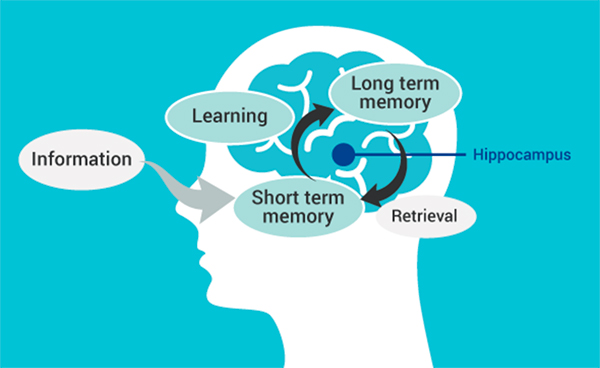
Sleep plays a crucial role in optimizing cognitive performance, particularly during intensive study cycles. Research has consistently shown that adequate sleep is integral to memory consolidation, which is the process by which newly acquired information is transformed into stable long-term memories. During sleep, especially during the rapid eye movement (REM) phase, the brain processes and organizes information gathered throughout the day, thereby enhancing learning outcomes.
The relationship between sleep and cognitive function is well-documented. A lack of sufficient sleep can lead to diminished focus, impaired reasoning, and reduced problem-solving abilities. Consequently, students and professionals engaged in demanding study routines should prioritize sleep to maintain, and even enhance, their cognitive performance. Experts recommend that adults aim for 7 to 9 hours of sleep per night to promote optimal brain function and memory retention.
To improve sleep quality and quantity during critical study periods, individuals can adopt several strategies. First, creating a consistent sleep schedule by going to bed and waking up at the same time each day helps regulate the body’s internal clock. Additionally, establishing a relaxing bedtime routine, such as reading or practicing meditation, can signal to the body that it is time to unwind.
Second, it is beneficial to create a sleep-conducive environment. This can be achieved by reducing noise and light exposure, maintaining a comfortable room temperature, and eliminating potential disruptions. Limiting the consumption of caffeine and electronic devices in the hours leading up to sleep can also contribute to improved sleep quality. Regular physical activity, while being careful not to exercise heavily right before bedtime, can further enhance sleep.
In summary, sleep is a vital component for promoting effective learning and memory consolidation during rigorous study periods. By implementing strategies to improve sleep quality, individuals can enhance their cognitive performance, ensuring they make the most of their intensive study efforts.
Technological Tools for Cognitive Enhancement
In the evolving landscape of education, technology plays a crucial role in enhancing cognitive performance, particularly during intensive study cycles. Numerous applications and tools are designed to aid students in improving focus, memory retention, and overall productivity. This section explores some of the most effective technological resources available for cognitive enhancement.
One of the most prominent categories of apps is focused study tools. Applications like Forest and Focus@Will promote concentration by minimizing distractions. Forest gamifies productivity, encouraging users to stay focused for specific periods of time in order to grow virtual trees, while Focus@Will provides curated music tracks scientifically designed to foster concentration. By employing these tools, students can create a more conducive environment for learning, enhancing their cognitive abilities significantly.
Memory aids are another essential category of technological tools that assist learners in retaining information more effectively. Tools such as Anki and Quizlet utilize spaced repetition algorithms to optimize memorization. Anki allows students to create digital flashcards and schedule reviews to strengthen memory recall, whereas Quizlet offers interactive learning modes that reinforce comprehension through gamification. These applications are particularly beneficial for learners who must retain vast amounts of information in short timeframes.
Lastly, productivity boosters such as Trello and Notion serve as organizational platforms that enable students to manage their study schedules efficiently. By allowing users to create tasks, set deadlines, and track progress, these tools help maintain motivation and clarity during rigorous study periods. The integration of such technology into study routines can significantly enhance cognitive performance, making the study process both efficient and effective.
Conclusion and Tips for Sustained Cognitive Performance
In enhancing cognitive performance during intensive study cycles, it becomes essential to recognize the interplay of various factors including nutrition, physical activity, time management, and maintaining mental health. Each element contributes significantly to maximizing brain function, particularly during periods of heavy cognitive demand.
Nutrition plays a pivotal role in cognitive health. Consuming a balanced diet rich in antioxidants, healthy fats, and essential vitamins can support brain function. Foods such as fatty fish, berries, nuts, and leafy greens are not only beneficial but can also provide the necessary fuel for extended study sessions. Moreover, staying hydrated is crucial; even mild dehydration can impair cognitive abilities. Therefore, prioritizing a nutritious diet and adequate hydration should be a foundational part of any study regimen.
Physical exercise, often overlooked, has shown to improve cognitive function and enhance mood. Engaging in regular physical activity activates brain-derived neurotrophic factor (BDNF), which promotes neuronal survival and growth. Incorporating short exercise breaks into study routines can lead to better focus and retention of information.
Time management is equally important. Developing a structured study schedule allows for balanced studying with sufficient breaks, mitigating the risks of burnout. Using techniques such as the Pomodoro Technique can help maximize efficiency by breaking study times into manageable chunks. This method not only encourages sustained attention but also ensures regular intervals for relaxation.
Lastly, considering mental health is vital in facilitating sustained cognitive performance. Stress management strategies such as mindfulness, meditation, or simply addressing mental fatigue can enhance cognitive function and improve overall well-being. Integrating these strategies into one’s study routine fosters a holistic approach to cognitive performance.
By adhering to these principles, individuals can optimize their cognitive performance during intensive study cycles and promote sustained academic success.