


Understanding Mental Resilience
Mental resilience refers to the ability of an individual to effectively adapt to stress, adversity, and challenging circumstances. It involves a combination of psychological traits that enable individuals to bounce back from setbacks, maintain focus, and continue pursuing their goals despite obstacles. In the context of academia, mental resilience is critically important for students, as they often encounter a myriad of pressures, including academic demands, social relationships, and personal expectations. Developing this resilience can significantly enhance a student’s overall well-being and academic performance.
One of the key psychological aspects of mental resilience is the capacity to manage stress and anxiety. Students who possess higher levels of resilience tend to utilize effective coping strategies to deal with stressors, rather than becoming overwhelmed by them. They approach challenges with a growth mindset, recognizing that failures and obstacles are opportunities for learning and growth. This perspective leads to improved problem-solving skills and a greater willingness to experiment and innovate, which are essential for academic success.
Moreover, resilience plays a pivotal role in helping students recover from setbacks. Whether it is receiving a poor grade, facing interpersonal conflicts, or experiencing burnout, resilient individuals are equipped to confront these situations head-on. They often exhibit traits such as perseverance, optimism, and adaptability—qualities that not only foster a positive outlook but also encourage proactive behavior in overcoming difficulties. Consequently, cultivating mental resilience can lead to reduced levels of anxiety, an improved sense of control over one’s academic journey, and ultimately, greater success in their endeavors.
The Link Between Resilience and Academic Performance
Mental resilience is increasingly recognized as a vital component of academic success. Research consistently shows that students with higher levels of resilience tend to perform better in their studies, especially under challenging circumstances. The ability to bounce back from failures, adapt to change, and persevere during peak stress periods fosters a more conducive learning environment. Studies indicate that resilient students are not only more capable of managing stress, but also demonstrate superior time management skills, which are critical in academic settings.
For instance, a study published in the “Journal of Educational Psychology” found that students who exhibit resilience are more likely to employ effective coping strategies when faced with academic pressures. These students often prioritize their tasks, allocate time wisely, and seek help when needed, leading to higher academic achievement. Resilience equips students with the tools necessary to navigate the complexities of their academic responsibilities, ultimately enhancing their performance.
Moreover, resilient individuals tend to maintain a strong intrinsic motivation, even in the face of setbacks. This intrinsic drive is crucial for sustained engagement in educational pursuits. A longitudinal study from the “American Educational Research Journal” revealed that resilient learners are better at maintaining their motivation through challenging courses or exams, allowing them to capture learning opportunities that might otherwise be missed by their less resilient peers. These findings underscore the intrinsic connection between resilience and academic performance, illustrating how resilient students consistently outshine their counterparts in various academic measures.
In summary, the evidence suggests a compelling link between mental resilience and academic success. By fostering resilience, educational institutions can cultivate a generation of students who not only excel in their studies but also develop essential life skills that extend beyond the classroom.
Identifying Personal Challenges
Academic success often hinges on an individual’s ability to navigate personal challenges that may hinder their resilience. Understanding these challenges is the first step towards developing effective strategies for overcoming them. Among the most prevalent obstacles faced by students are the fear of failure, poor time management, and overwhelming workloads.
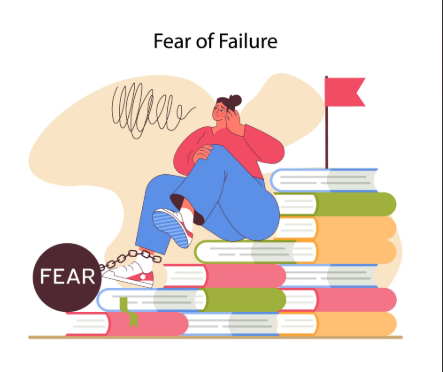
The fear of failure can significantly impede academic performance, leading students to avoid taking risks or embracing new opportunities. This fear often manifests as anxiety, which can negatively impact mental well-being and diminish motivation. Recognizing this fear as a common barrier is crucial; it enables students to confront and reframe their perceptions of failure as an integral part of the learning experience.
Poor time management is another challenge that can severely affect academic performance. Students who struggle to organize their schedules may find themselves overwhelmed by deadlines and responsibilities. This can lead to procrastination, which can further exacerbate stress levels. By acknowledging the importance of effective time management skills, students can implement strategies such as prioritizing tasks and setting realistic goals to enhance their academic resilience.
Finally, the sensation of being burdened by overwhelming workloads is a challenge that can strain mental health. When students are faced with copious amounts of assignments, examinations, and extracurricular commitments, they may feel incapacitated. It is essential for individuals to assess their workload realistically and consider the importance of self-care and breaks-in their academic journey.
By identifying these personal challenges, students can take proactive measures to address them. This self-awareness not only fosters resilience but can also lead to a more profound understanding of one’s capabilities and limitations, ultimately cultivating a healthier approach to academic success.
Developing Coping Strategies
Building mental resilience is essential for academic success, and developing effective coping strategies can significantly enhance one’s ability to face challenges. Several techniques can be integrated into daily routines, promoting a healthier mindset and a more productive academic experience.
Mindfulness is a powerful practice that encourages individuals to focus on the present moment, which can help alleviate anxiety often associated with academic pressure. Students can implement mindfulness by setting aside a few minutes each day for meditation or deep-breathing exercises. This practice allows them to cultivate awareness of their thoughts and feelings without judgment, leading to improved concentration and reduced stress.
Positive self-talk is another essential strategy. The words we use to describe ourselves and our abilities greatly influence our mindset. Students should make a conscious effort to replace negative thoughts with affirmations, such as “I am capable of overcoming challenges” or “Each mistake is an opportunity to learn.” Keeping a journal to note down daily accomplishments can further reinforce this positive inner dialogue.
Visualization techniques can also play a vital role in enhancing mental resilience. Students can benefit from visualizing themselves achieving their academic goals or successfully managing stressful situations. This mental rehearsal builds confidence and prepares them to navigate real-life challenges more effectively.
Lastly, acquiring stress management skills is crucial in the academic environment. Implementing time management strategies, such as creating a study schedule or breaking tasks into manageable steps, can minimize feelings of overwhelm. Regular physical activity and maintaining a balanced diet are equally important, as they contribute to overall well-being. By incorporating these coping strategies into their everyday academic life, students can enhance their mental resilience and ultimately achieve greater academic success.
Building a Support Network
Having a strong support network is essential for cultivating mental resilience, particularly in an academic environment. This network can consist of peers, mentors, teachers, and family members who can provide the emotional and practical support needed to navigate the various challenges that arise during one’s academic journey. The importance of these relationships cannot be overstated, as they often serve as a buffer against the stresses and pressures associated with educational pursuits.
Peers play a crucial role in this support system. They can offer empathy and understanding, having experienced similar pressures and experiences themselves. Engaging with fellow students allows for the sharing of study strategies, advice, and encouragement, fostering a sense of camaraderie that can be incredibly beneficial during stressful times. Additionally, group study sessions can not only enhance learning outcomes but also build a sense of community, crucial for emotional resilience.
Mentorship, on the other hand, provides guidance and insight from someone more experienced. This can be a teacher, an academic advisor, or a professional in the field. Mentors can help students set realistic goals while offering their wisdom and suggesting resources that can assist in overcoming challenges. Their perspective often helps students navigate not only academic hurdles but also personal and emotional obstacles, fostering a holistic approach to resilience.
Finally, family support is integral to establishing mental resilience. Family members can offer unconditional love and reassurance, serving as a safe haven during periods of intense stress or anxiety. Moreover, creating an environment that values education and encourages open discussions about challenges can significantly contribute to a student’s ability to cope with pressure. Thus, building and maintaining a comprehensive support network is vital for achieving academic success while also nurturing the mental resilience necessary to thrive in a demanding educational landscape.
Setting Realistic Goals
Goal-setting is a fundamental aspect of achieving academic success, as it directs focus, motivates persistence, and builds mental resilience. Establishing realistic academic goals requires a thoughtful process that encourages students to envision their aspirations and break them into manageable components. Effective goal-setting starts with understanding the difference between short-term and long-term goals.
Short-term goals, which can be achieved within a relatively brief duration, serve as stepping stones towards larger ambitions. For instance, a student might aim to complete a specific chapter of their textbook within a week or score a particular grade on an upcoming exam. These immediate objectives foster a sense of accomplishment and provide immediate feedback on progress, reinforcing students’ belief in their ability to succeed. In contrast, long-term goals relate to broader aspirations, such as graduating with honors or gaining acceptance into a desired university program. While these require sustained effort over an extended period, they give students a direction and purpose in their academic pursuits.
To ensure that goals are realistic, it is crucial to apply the SMART criteria—Specific, Measurable, Achievable, Relevant, and Time-bound. For example, instead of setting a vague goal like “I want to improve my grades,” a student can specify, “I aim to raise my Mathematics grade from a C to a B by the end of the term through weekly tutoring sessions and daily practice problems.” This specificity not only clarifies the objective but also enhances motivation by providing a tangible target to work towards.
When students effectively set and achieve these goals, they cultivate resilience. Each accomplishment, whether big or small, contributes to a growth mindset and fortifies their self-efficacy. By recognizing their capacity to set, pursue, and achieve goals, learners build the mental fortitude necessary to navigate academic challenges and persist in the face of setbacks.
Embracing a Growth Mindset
A growth mindset, a term popularized by psychologist Carol Dweck, refers to the belief that abilities and intelligence can be developed through dedication and hard work. This perspective fosters a love for learning and resilience that are essential for academic success. Students who adopt a growth mindset are more likely to embrace challenges, persist in the face of setbacks, and view effort as a necessary component of achievement. It is crucial for students to understand that intelligence is not a fixed trait; rather, it can be nurtured over time.
To cultivate a growth mindset, students should start by embracing challenges rather than avoiding them. When faced with difficult tasks or subjects, it is important to view these as opportunities for growth instead of insurmountable obstacles. Engaging with challenging material can enhance problem-solving skills, promote critical thinking, and ultimately lead to academic improvement. Moreover, it is vital for students to learn from their mistakes. Instead of feeling defeated by errors, they should analyze what went wrong and how they can alter their approach in the future. This reflective practice encourages resilience and adaptability, skills that are highly valued in both academic and professional settings.
Additionally, recognizing effort as a pathway to mastery is fundamental in developing a growth mindset. Students should be encouraged to focus on the process of learning rather than solely on outcomes or grades. By valuing the practice and effort that go into acquiring new skills and knowledge, students can cultivate a more positive attitude towards their academic journey. This shift in perspective not only reduces anxiety but also helps in building a more resilient character. Through these strategies, students can embrace a growth mindset, laying a strong foundation for lasting academic success.
Practicing Self-Care
Self-care plays a crucial role in maintaining mental resilience, especially among students who often face academic pressures and stress. Engaging in self-care practices not only promotes well-being but also enhances the capacity to cope with challenges, ultimately fostering academic success. A multifaceted approach to self-care can empower students to balance their academic commitments with their personal health.
One essential aspect of self-care is regular exercise. Physical activity is known to release endorphins, which improve mood and reduce stress. Students should aim to incorporate at least 30 minutes of physical activity into their daily routines, whether through walking, joining a fitness class, or participating in sports. This not only boosts physical health but also sharpens focus and improves academic performance.
Healthy eating is another fundamental component of self-care. A balanced diet rich in fruits, vegetables, whole grains, and lean proteins can positively impact cognitive function and overall health. Students should prioritize nutritious meals and stay hydrated, as proper nutrition can enhance concentration, memory, and energy levels necessary for effective study sessions.
Equally important is ensuring adequate sleep. Students should strive for 7 to 9 hours of sleep each night, as sleep deprivation can lead to decreased cognitive performance, mood swings, and increased anxiety. Establishing a consistent sleep schedule and creating a restful environment can significantly improve sleep quality.
Finally, integrating relaxation techniques such as mindfulness, meditation, or deep-breathing exercises into daily routines is vital. These practices promote a calm mind, aiding students in managing stress and enhancing their ability to concentrate during academic tasks.
In summary, practicing self-care is essential for students to maintain mental resilience. By engaging in regular exercise, consuming nutritious foods, prioritizing sleep, and utilizing relaxation techniques, students can effectively bolster their mental health, ultimately paving the way for greater academic success.
Encouraging Reflection and Adaptation
To build mental resilience, it is crucial for students to engage in continuous reflection and adaptation throughout their academic journey. Reflection allows individuals to examine their experiences, identify areas for growth, and understand their responses to challenges. By taking the time to analyze past situations, students can uncover valuable insights that inform their future actions and strategies for overcoming obstacles.
Flexibility is another essential component of resilience. Students often encounter unforeseen changes or unexpected setbacks during their studies. Adapting to these circumstances requires an open mindset, which can be cultivated through regular self-assessment and a willingness to adjust one’s approaches. For example, if a particular study method is not yielding the desired results, students should feel empowered to experiment with alternative techniques, seeking out what works best for their unique learning styles.
Learning from experiences—including failures—is fundamental to personal development. When students view setbacks as opportunities for learning rather than as insurmountable obstacles, they foster a resilient disposition. Analyzing what went wrong in a test or project can help students refine their strategies and avoid making the same mistakes in the future. This iterative process not only enhances academic performance but also contributes to a stronger sense of self-efficacy and confidence in their ability to cope with challenges.
Furthermore, students should regularly revisit their resilience-building techniques to ensure that they remain effective. As they progress through different academic stages or face new challenges, what previously worked may need revision. By periodically evaluating and updating their strategies, learners not only bolster their resilience but also equip themselves with the tools necessary for long-term success.