


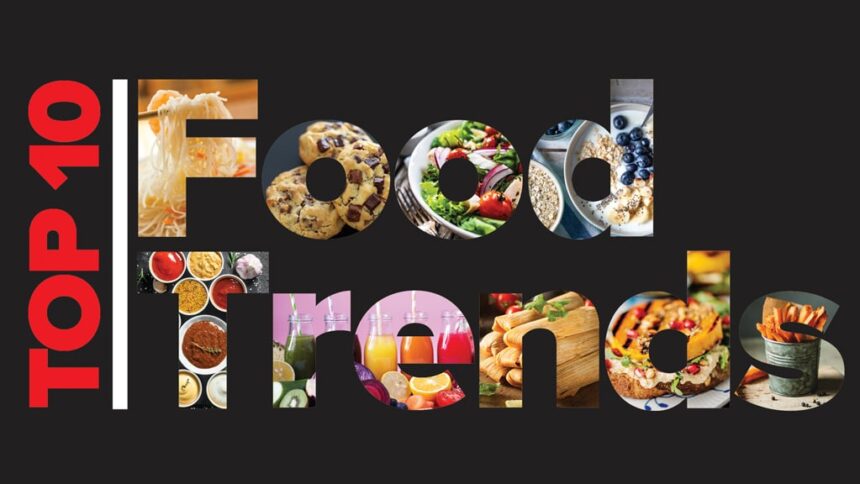
Introduction to Food Trends
The evolution of food trends is a fascinating reflection of changing consumer preferences, societal values, and cultural influences. Over the years, the culinary landscape has witnessed the rise and fall of numerous trends, each offering new insights into what consumers value and anticipate in their dining experiences. Understanding these food trends is essential not only for consumers who are keen to explore new flavors and dietary options, but also for businesses striving to remain competitive in a rapidly changing market.
Food trends often arise from various factors, including increased health consciousness, heightened awareness of sustainability, and the proliferation of social media. As consumers become more health-aware, a growing desire for nutritious and wholesome food options has led to trends such as plant-based diets, organic ingredients, and functional foods that promote overall wellbeing. Additionally, the influence of social media cannot be overlooked; platforms like Instagram and TikTok have made it easier for individuals to share their culinary ventures, thereby propelling unique food ideas into the spotlight.
Cultural influences also play a significant role in shaping food trends. As global communication becomes ever more instantaneous, culinary traditions from different regions are sharing the same digital space. This allows for a richer fusion of flavors and techniques that consumers often embrace wholeheartedly. Whether it is the adoption of ethnic cuisine or the focus on authenticity in food preparation, cultural diversity is a key driver of the evolving food landscape.
In conclusion, staying abreast of food trends is invaluable for both consumers and businesses alike. The interplay between health, culture, and technology will continue to shape culinary innovations, making it vital to monitor these trends to meet the ever-changing demands of the market.
Plant-Based Eating
The trend of plant-based eating has garnered significant attention and adoption over the recent years, evolving from a niche lifestyle choice to a mainstream dietary preference. As consumers become increasingly health-conscious and environmentally aware, the allure of plant-based diets has rapidly grown. Adopting vegan and vegetarian foods is often attributed to a desire for improved personal health, with many studies correlating plant-rich diets with reduced risks of chronic diseases such as heart disease, diabetes, and certain cancers.
Moreover, ethical considerations play a crucial role in the shift toward plant-based eating. A growing number of individuals are recognizing the impact of animal agriculture on animal welfare and climate change. By choosing to forgo animal products, consumers express their commitment to sustainability and compassionate living. The environmental footprint of plant-based diets is significantly lower, prompting many to reconsider traditional eating habits in favor of healthier, greener options.
Businesses and food producers are keenly aware of this shift and are adjusting their offerings accordingly. In response to the rising demand, an unprecedented variety of innovative plant-based products have emerged, from meat substitutes made from pea protein to plant-based dairy alternatives like oat and almond milk. Restaurants and food chains are also focusing on enhancing their menus to include more plant-centric dishes, aimed at appealing not only to vegans and vegetarians but also flexitarians—those who incorporate more plant-based meals into their diets while still eating meat occasionally.
This evolution in dining choices signifies a broader cultural shift towards a more conscious consumption model, where the impacts of food choices on health, ethics, and the environment are prominently considered. As we move forward, it is likely that the plant-based movement will continue to gain momentum, influencing culinary practices and shaping the future of the food industry.
Sustainable and Local Sourcing
In recent years, there has been a marked shift in consumer preferences towards sustainably sourced and locally produced food. This trend reflects a growing awareness of environmental issues and the impact of food production on the health of our planet. Consumers are increasingly scrutinizing the origins of their food, leading to a preference for products that are grown and produced sustainably. This shift in consumer behavior is influencing how food is sourced, with a clear emphasis on reducing carbon footprints and supporting ethical practices throughout the supply chain.
One of the primary benefits of local sourcing is its contribution to community economies. When restaurants and food brands prioritize local ingredients, they not only reduce transportation emissions but also enhance local agricultural sectors. This support for local farmers and producers fosters job creation and strengthens regional economic resilience. Furthermore, local sourcing promotes food freshness, as seasonal produce is often available. This freshness translates to better flavor and nutritional value, further encouraging consumer preference for locally sourced options.
Many restaurants and brands have embraced this sustainable approach successfully. Notable examples include farm-to-table restaurants that highlight seasonal dishes crafted from ingredients sourced within the same region. Additionally, brands like Blue Apron offer meal kits featuring local ingredients, making it easier for consumers to access sustainable options. The integration of sustainability into their business models has not only attracted eco-conscious consumers but has also created a sense of transparency and trust that is increasingly important in today’s marketplace.
Overall, the movement towards sustainable and local sourcing reflects the desire for more conscientious food choices among consumers. As this trend continues to grow, the food industry will likely see an increase in innovation and collaboration that prioritizes the health of individuals and the planet alike.
Health and Wellness Foods
In recent years, the food industry has witnessed a significant shift towards health and wellness foods, reflecting a rising consumer demand for nutritious and health-promoting options. This trend encompasses a wide array of offerings, including superfoods, functional foods, and products that support gut health. The increasing awareness of the importance of diet in overall health has sparked interest in foods that provide more than just basic nutrition.
Superfoods, often defined as nutrient-rich foods that offer numerous health benefits, have gained immense popularity. Ingredients such as chia seeds, quinoa, and spirulina are now common components in various dishes and snacks, underscoring their potential to enhance health and wellness. These foods are celebrated not only for their high nutrient content but also for their role in preventing chronic diseases and improving energy levels.
Functional foods, which are fortified with additional nutrients or bioactive compounds, are also reshaping consumers’ dietary choices. Items such as probiotic yogurts, fortified cereals, and omega-3 enriched eggs are examples of how the food industry is catering to health-conscious consumers. The focus on gut health, in particular, has led to a surge in products containing prebiotics and probiotics that aim to support digestive health and boost the immune system.
Moreover, the growing interest in organic and whole-food options highlights a preference for minimally processed ingredients. Consumers are increasingly scrutinizing food labels and seeking transparency regarding sourcing, production, and nutritional content. This has prompted food manufacturers and restaurants to innovate, creating a plethora of health-focused products and menu items designed to meet these evolving consumer expectations. As a result, the market for health and wellness foods is not only expanding but also diversifying, reflecting the multifaceted nature of modern dietary practices.
Ethnic and Global Flavors
The culinary landscape is experiencing a significant transformation as ethnic and global flavors gain prominence in mainstream food culture. This shift is largely attributed to globalization, which has made diverse cuisines accessible to a broader audience. Travelers returning from international journeys bring back not only souvenirs but also a newfound appreciation for the culinary arts of various cultures. As a result, consumers are increasingly seeking out authentic ethnic dishes that reflect the rich heritage of their origins.
Restaurants and food brands are responding to this demand by incorporating global flavors into their menus, expanding their offerings beyond traditional American fare. Popular cuisines such as Thai, Indian, Mexican, and Middle Eastern are becoming more mainstream, making it easier for diners to enjoy a variety of dishes from around the world. This trend isn’t just limited to dining establishments; grocery stores are also seeing a rise in the availability of international ingredients, spices, and cooking techniques, allowing home cooks to experiment with these flavors in their own kitchens.
Furthermore, the blending of culinary traditions—often referred to as fusion cuisine—has become a staple of modern gastronomy. Chefs are exploring innovative ways to combine elements of different cuisines, creating dishes that reflect a global palate. This fusion approach allows for unique flavor profiles and offers consumers a diverse culinary experience. As a result, food enthusiasts are encouraged to broaden their culinary horizons and embrace new tastes.
In essence, the rise of ethnic and global flavors in the food industry is a testament to the interconnectedness of cultures and the evolving nature of consumer preferences. It highlights how travel and exposure to different cuisines can transform our palates, ultimately leading to a more diverse and inclusive food culture that celebrates culinary traditions from around the world.
Convenience and On-the-Go Options
As modern lifestyles continue to accelerate, the food industry has seen a significant shift towards convenience and on-the-go meal options. With increasing demands on time, busy consumers are now seeking meal solutions that do not compromise on quality or nutrition. This trend manifests in various ways, particularly in the popularity of ready-to-eat meals, meal kits, frozen food innovations, and portable snack options.
Meal kits have taken the culinary world by storm, enabling consumers to prepare gourmet meals in their own kitchens without the hassle of extensive shopping or preparation time. These kits typically include pre-measured ingredients and easy-to-follow recipes, catering to individuals who may lack cooking skills or time but still wish to enjoy a home-cooked meal. The diverse offerings—from vegetarian to international cuisines—have made meal kits an appealing option for families and individuals alike, ensuring quality while aligning with the fast-paced lifestyle of today.
Furthermore, innovations in frozen food technology have significantly improved the health and quality of frozen meals. Many brands now focus on providing nutritious, wholesome options that rival those of fresh meals. By employing techniques such as flash-freezing and incorporating organic ingredients, frozen food can now offer greater convenience without sacrificing flavor or nutritional value.
The rise of portable snacks, including protein bars and ready-to-eat smoothies, also highlights the need for convenient food solutions. These snacks are designed to be easily consumed on the go, helping individuals maintain their energy levels without having to pause for lengthy meals. As consumers increasingly prioritize their health, many companies are dedicated to creating these portable options that are not only convenient but also rich in essential nutrients.
Overall, the growing trend of convenience and on-the-go options reflects a changing landscape in consumer preferences, emphasizing the importance of balancing quality and health with the need for speed and accessibility in the modern food industry.
Experiential Dining
Experiential dining has emerged as a significant trend within the culinary sector, embodying a shift in consumer behavior toward seeking memorable experiences rather than merely satisfying hunger. This phenomenon goes beyond the traditional notion of dining, focusing on creating an atmosphere where food is part of a larger sensory journey. As a result, restaurants are now curating unique offerings that engage patrons in various interactive ways, reinvigorating the dining experience.
This approach often includes elaborate tasting menus designed to take diners on a gastronomic voyage, with each course featuring distinct flavors, presentations, and stories. Such menus allow chefs to showcase their creativity and offer guests a multi-dimensional engagement with their food. Furthermore, these tastings might incorporate elements like wine pairings or themed decor that complements the culinary narrative, elevating the entire meal into a sensory exploration.
Interactive components, such as cooking classes and chef-led workshops, also contribute to the rise of experiential dining. These opportunities enable patrons to step into the kitchen, gaining hands-on experience while learning about the techniques and ingredients used in gourmet dishes. Such interactive experiences not only enhance culinary skills but also foster a deeper appreciation for the culinary arts, creating bonds between chefs and diners. Additionally, themed dining events that transport guests to different cultures or historical eras further amplify this desire for immersive experiences, appealing to customers’ interests in food paired with unique contexts.
Ultimately, experiential dining trends reflect a broader societal shift where consumers prioritize personal connections and memorable adventures over conventional dining practices. This inclination leads to a lucrative market for establishments that can blend originality, creativity, and memorable interactions into their dining offerings, ensuring they stand out in an increasingly competitive industry.
Technology in Food Production
The food industry is undergoing significant transformations due to advancements in technology, which are reshaping production processes and consumer experiences. Notably, innovations such as lab-grown meats, vertical farming, and food delivery applications are at the forefront of this evolution. Lab-grown meats, produced through cellular agriculture, address ethical concerns related to animal farming while potentially reducing the carbon footprint associated with traditional meat production. This method not only offers a sustainable alternative but may also contribute to food security by increasing protein availability without the need for expanding grazing lands.
Vertical farming further exemplifies advancements in agricultural technology. By utilizing controlled environment agriculture (CEA) techniques, this approach allows for the cultivation of crops in stacked layers, often using hydroponic or aeroponic systems. Vertical farms can be established in urban areas, minimizing transportation needs and ensuring fresh produce is available in proximity to consumers. The combination of LED lighting, precise climate control, and automated systems significantly increases yield while reducing water usage, making urban farming a viable method for addressing food accessibility.
Moreover, the rapid rise of food delivery applications is noteworthy. These platforms leverage technology to enhance convenience for consumers while creating new opportunities for restaurants and food service providers. By streamlining ordering processes and providing real-time tracking, these applications meet the modern consumer’s demand for quick and easy access to food. They also emphasize the growing importance of technology in ensuring efficient distribution networks, which is critical for minimizing food waste and maximizing service efficiency.
As technology continues to influence food production, its implications for sustainability, efficiency, and food accessibility warrant careful consideration. Embracing these innovations provides an opportunity to not only improve the food industry but also to contribute to a more sustainable future.
Conclusion and Future Trends
As we reflect on the popular food trends that have emerged in recent years, it becomes evident that each shift has significantly impacted food production, consumption, and marketing strategies across the industry. Key trends, such as plant-based diets, sustainability practices, and the rise of global flavors, have not only redefined consumer preferences but have also prompted food businesses to innovate in alignment with these demands.
Moreover, advancements in technology continue to shape the food landscape, with developments in food delivery applications, meal kits, and online dining experiences increasingly becoming the norm. The integration of technology in food preparation and consumption is elevating the convenience factor, driving further exploration of how consumers engage with food products.
Looking forward, it is crucial for both consumers and businesses to remain adaptable as new trends begin to manifest. As the emphasis on health and wellness persists, we may see a surge in functional foods designed to support well-being, alongside an increase in local sourcing practices to reduce carbon footprints. Additionally, ethnic cuisines and fusion foods may evolve, reflecting a growing interest in global culinary experiences.
Monitoring these emerging trends presents opportunities for innovation and engagement in the market, where consumer awareness and preferences will undoubtedly continue to shape the food industry. Brands that succeed will be those that proactively embrace change, prioritize sustainability, and cater to evolving tastes while maintaining the essence of culinary joy.
In conclusion, the food industry stands at a crossroads where adaptability will be paramount. As new trends develop, stakeholders must stay informed and responsive, ensuring that they can effectively navigate the complexities of this ever-changing landscape.