


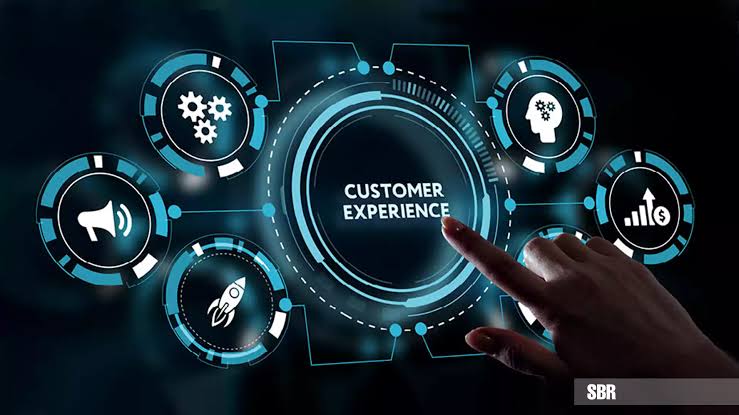
Introduction to Customer Experience
Customer experience (CX) is a multifaceted concept that encompasses every interaction a customer has with a brand throughout their journey, from initial awareness to post-purchase support. In today’s competitive market, where consumers are bombarded with choices, understanding the significance of customer experience is paramount for businesses aiming to thrive. CX is not just a single touchpoint; rather, it integrates various stages including marketing, sales, and customer service. Each of these interactions forms an aspect of the customer’s perception and feeling toward the brand, ultimately influencing their satisfaction and loyalty.
As competition intensifies and consumer expectations rise, the importance of delivering an exceptional customer experience cannot be overstated. In a landscape where customers have access to a plethora of alternatives, a positive CX can serve as a critical differentiator. Brands that prioritize CX have the opportunity to build stronger relationships with their customers, leading to increased retention rates and advocacy. Moreover, a seamless experience across all channels helps to create a sense of reliability and trust, which are essential for fostering long-term loyalty.
Moreover, with the advent of technology and social media, customers are now able to share their experiences quickly, making positive and negative feedback readily accessible to a wider audience. Companies that fail to recognize and adapt to the importance of customer experience risk reputational damage and loss of market share. Therefore, enhancing CX should be a top priority for organizations aiming to maintain a competitive edge, as it directly impacts their bottom line. In this blog post, we will delve deeper into the facets of customer experience and explore strategies for improvement, underscoring its critical role in achieving business success.
The Impact of Customer Experience on Business Success
The relationship between customer experience (CX) and business success has been well-established, with numerous studies showcasing its profound effects. Today’s consumers have high expectations, which means businesses must prioritize their customer interactions to achieve favorable outcomes. An enhanced customer experience not only fosters loyalty but also significantly boosts retention rates, directly influencing a company’s bottom line.
Recent research highlights that organizations focusing on customer experience outperform their competitors by a substantial margin. For instance, a report by Forrester indicated that businesses with a strong emphasis on CX can see revenue increases of up to 10-15% annually. This remarkable enhancement in revenue is often attributed to existing customers who feel more valued, leading to repeat purchases and referrals.
In addition, a case study conducted on a global retail brand demonstrated how an investment in customer experience initiatives, such as personalized customer support and seamless purchasing processes, resulted in a 30% increase in customer retention over two years. This retention led to a notable rise in overall sales, illustrating how critical it is for businesses to adopt a customer-centric approach.
Furthermore, a positive customer experience often translates into enhanced word-of-mouth marketing. Statistics reveal that satisfied customers are likely to share their experiences with at least nine other people, amplifying brand visibility without additional marketing costs. Given the rise of social media and online reviews, businesses cannot afford to ignore the impact of CX on their reputation and market standing.
In summary, the direct correlation between customer experience and business success cannot be overstated. Organizations that prioritize and invest in meaningful customer interactions are better positioned to thrive in a competitive landscape, enhancing customer loyalty, boosting retention rates, and ultimately driving higher revenue. This focus on customer experience is not merely a trend, but a strategic imperative for sustainable success in today’s market.
Changing Consumer Expectations
In recent years, consumer expectations have undergone significant transformation, influenced by rapid technological advancements and the increasing accessibility of information. Today’s consumers are more informed and connected than ever before, fundamentally altering how they interact with brands. These shifts have ushered in an era where personalized and seamless experiences are not merely desired, but anticipated by customers across various industries.
One prominent trend observed is the demand for personalization. Businesses have begun utilizing data analytics and machine learning to provide tailored recommendations and targeted marketing strategies. Unlike the past, when consumers accepted one-size-fits-all solutions, they now expect brands to understand their preferences and offer unique experiences that resonate on a personal level. This heightened expectation for customization has led brands to invest heavily in understanding their audience through sophisticated data collection methods.
Moreover, there is an increasing appetite for responsive communication. With the advent of social media and real-time feedback mechanisms, consumers have grown accustomed to receiving immediate responses to their inquiries and complaints. As a result, brands are challenged to enhance their customer service capabilities, ensuring that they can respond promptly and effectively to consumer needs. This responsiveness not only fosters customer loyalty but also enhances brand reputation in an increasingly competitive marketplace.
Additionally, the seamless integration of digital and physical experiences has become paramount. Consumers expect a consistent experience across all touchpoints, whether browsing a website, using a mobile app, or visiting a physical store. This integration has prompted organizations to rethink their strategies, focusing on delivering a cohesive experience that attends to consumer preferences in both online and offline settings. Overall, the evolution of consumer expectations necessitates a proactive approach from businesses in order to remain relevant and competitive.
The Role of Technology in Enhancing Customer Experience
In the contemporary business landscape, technology plays a pivotal role in enhancing customer experience (CX). Businesses are increasingly leveraging innovative technologies such as Customer Relationship Management (CRM) systems, chatbots, artificial intelligence (AI), and data analytics to optimize interactions and build lasting relationships with their customers. These tools enable organizations to streamline their processes and deliver personalized experiences that meet customer expectations.
CRM systems are foundational technologies for managing customer relationships. These systems allow businesses to store extensive data about customer interactions, preferences, and purchase history in one centralized location. By analyzing this data, companies can identify trends and tailor their offerings to meet the specific needs of their customers. Such personalization not only increases customer satisfaction but also fosters loyalty and encourages repeat business.
Chatbots, powered by AI, represent another technological advancement that is revolutionizing customer service. These automated systems are designed to engage customers in real-time, providing instant responses to inquiries and assisting them through their journey. Chatbots can handle a multitude of interactions simultaneously, significantly reducing wait times and enhancing the overall customer experience. Moreover, their ability to operate 24/7 ensures that customers can receive support at any time, boosting customer satisfaction and engagement.
Additionally, data analytics plays a crucial role in understanding customer behaviors and refining business strategies. By harnessing large datasets, businesses can gain insights into preferences, predict customer needs, and measure the effectiveness of their service initiatives. This data-driven approach informs decision-making and enables companies to adjust their strategies in response to changing customer expectations. The incorporation of these technologies not only enhances the customer journey but also helps organizations stay competitive in an ever-evolving market.
Building a Customer-Centric Culture
Establishing a customer-centric culture is paramount for any organization aiming to excel in today’s competitive business landscape. A customer-centric culture ensures that every employee, regardless of their role, understands and values the importance of customer experience (CX). This is achieved by fostering empathy and encouraging a deep understanding of customer needs throughout the organization.
To build such a culture, companies must first invest in comprehensive training programs that emphasize the significance of customer experience. These programs should not only cover basic customer service skills but also delve into the psychology of customers, their expectations, and their pain points. This knowledge allows employees to approach their tasks with a customer-first mindset, recognizing that their actions directly impact the overall experience.
Moreover, aligning the organization around CX involves integrating customer feedback into decision-making processes. Regularly soliciting customer input through surveys, focus groups, and feedback mechanisms can help organizations tailor their products and services to meet evolving customer needs. This approach creates a loop where customers feel heard and valued, leading to higher loyalty and satisfaction.
Additionally, leadership plays a crucial role in cultivating a customer-centric culture. Leaders must model behaviors that prioritize customer needs and advocate for CX initiatives. By setting clear expectations and recognizing employee contributions to customer satisfaction, leaders can inspire collective effort toward enhancing customer experience.
Finally, celebrating successes, both big and small, in improving customer experience can help reinforce this culture. Whether through public recognition or incentive programs, acknowledging efforts that elevate customer satisfaction encourages continued focus on the customer journey, ultimately contributing to long-term loyalty and business success.
Measuring Customer Experience Effectiveness
Measuring the effectiveness of customer experience (CX) is vital for businesses aiming to excel in today’s competitive landscape. Various methods and metrics can be employed to gauge how well a company meets customer expectations and addresses their needs. One of the most straightforward approaches is the use of Key Performance Indicators (KPIs), which provide measurable values that reflect business efficiency and customer satisfaction.
Among the essential KPIs, customer satisfaction scores (CSAT) are frequently utilized. These scores are typically derived from surveys administered after a customer interacts with a company. By asking customers to rate their satisfaction on a scale, businesses can gain immediate insights into how well they have performed. Additionally, focusing on the Net Promoter Score (NPS) is instrumental. NPS measures the likelihood of customers to recommend a company to others, serving as a strong indicator of overall customer loyalty and satisfaction. A high NPS can suggest a healthy relationship with customers, while a low score may highlight areas that require improvement.
Furthermore, businesses can leverage analytical tools and software that provide a deeper analysis of customer interactions across multiple channels. By tracking metrics such as customer retention rates, churn rates, and customer effort scores, businesses can gain a more comprehensive understanding of their CX effectiveness. These analytics can reveal trends over time, offering actionable insights that guide strategic changes to enhance customer experiences.
In sum, measuring customer experience effectiveness requires a multifaceted approach. By utilizing KPIs, conducting customer satisfaction surveys, analyzing Net Promoter Scores, and employing various analytical tools, businesses can effectively track their performance in customer experience. This ongoing assessment not only helps in identifying strengths and weaknesses but also informs future initiatives aimed at improving customer satisfaction.
Customer Feedback: The Key to Continuous Improvement
In today’s competitive marketplace, understanding customer needs and preferences is crucial for any business seeking to enhance its customer experience. Customer feedback serves as an invaluable resource in this pursuit, as it provides direct insight into how consumers perceive and engage with a brand. An effective feedback mechanism allows businesses to uncover pain points, identify areas of enhancement, and develop strategies tailored to meet customer expectations.
Various channels exist for collecting feedback, each catering to different consumer touchpoints. Online surveys are a popular choice, efficiently gathering quality data through structured questions that target specific elements of the customer experience. Similarly, social media platforms have emerged as powerful tools for facilitating real-time dialogue between brands and their consumers. These platforms enable customers to share their thoughts, experiences, and suggestions openly, which can offer marketers and business leaders immediate insights into public sentiment.
Incorporating feedback from these channels not only allows for the identification of strengths and weaknesses in service delivery but also fosters a culture of responsiveness. When businesses act on customer feedback, they signal to their customers that their opinions are valued, which can enhance brand loyalty. Furthermore, systematically analyzing feedback can transform insights into actionable strategies that improve overall customer experience. This cycle of gathering feedback, implementing changes, and measuring outcomes establishes a robust feedback loop that drives continuous improvement.
Ultimately, prioritizing customer feedback is essential for businesses aiming to stay relevant and competitive. By utilizing diverse channels for feedback collection, organizations can engage effectively with their audience, adapt their services accordingly, and cultivate a customer-centric approach that significantly enhances the overall customer experience.
Case Studies: Brands Excelling in Customer Experience
In today’s fast-paced market, several brands have distinguished themselves through exceptional customer experience strategies. A prominent example is Amazon, which has built its reputation on convenience and customer satisfaction. By implementing a personalized shopping experience, utilizing comprehensive data analytics, and streamlining logistics, Amazon has successfully reduced shipping times and enhanced customer engagement. Their commitment to hassle-free returns and responsive customer support has resulted in high customer loyalty, significantly contributing to their market dominance.
Another success story is Zappos, an online shoe and clothing retailer known for its outstanding commitment to customer service. Zappos emphasizes a “customer-first” culture, allowing employees to go above and beyond to address customer needs. This approach includes offering a 365-day return policy and free shipping both ways, ensuring that customers feel valued and understood. As a result, Zappos has established a strong brand loyalty and has become synonymous with excellent customer experience.
Additionally, Apple’s focus on customer experience in its retail stores showcases another approach. The brand prioritizes creating a hands-on and immersive environment, where customers can explore products freely. The strategic layout of stores encourages interaction, and the knowledgeable staff is trained to provide exceptional service and support. This investment in customer interaction has not only boosted sales but also fostered a community of loyal customers who appreciate the brand’s personalized approach.
These case studies highlight that prioritizing customer experience can lead to significant benefits for brands. By adopting tailored strategies, overcoming challenges, and focusing on customer satisfaction, these successful brands provide valuable insights for businesses aiming to enhance their own customer experience initiatives.
Conclusion: The Future of Customer Experience
As we navigate through the intricacies of the modern market, it is evident that customer experience (CX) has emerged as a pivotal element in determining business success. Throughout this discussion, we have examined how customer experience not only affects customer satisfaction but also directly influences brand loyalty and overall profitability. Organizations that prioritize CX are more likely to foster strong relationships with their customers, leading to repeat business and positive referrals.
The future of customer experience is deeply intertwined with technological advancements and the increasing expectations of consumers. With the rise of artificial intelligence, data analytics, and personalization, companies are provided with innovative tools to enhance the customer journey. This evolution demands that businesses adopt a forward-thinking mindset, moving beyond traditional practices and embracing a culture that values continuous improvement in CX.
Furthermore, the ongoing global shifts in consumer behavior, driven by diverse factors such as the pandemic and changing economic conditions, necessitate constant adaptation. Businesses must not only invest in technology but also focus on understanding the unique needs and preferences of their customers. Engaging with customers through feedback loops and utilizing insights to refine their offerings will be critical in crafting an exceptional customer experience.
In conclusion, as we look ahead, organizations must recognize that customer experience is not a one-time initiative but an ongoing strategy essential for sustained business growth. Investing in CX will equip companies to navigate the complexities of an ever-changing market, emerging stronger through proactive engagement and responsiveness to their customers’ evolving expectations. Emphasizing the importance of adaptability and innovation will position businesses at the forefront of their industries, ultimately leading to long-term success.