


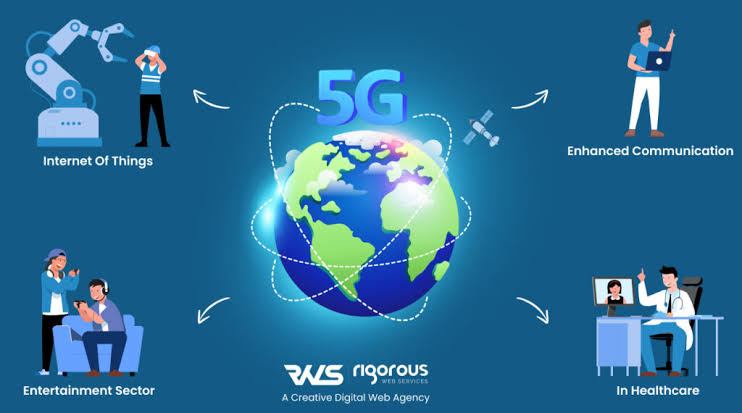
Introduction to 5G Technology
5G technology represents a significant advancement in mobile communication, marking the fifth generation of wireless technology. It is designed to deliver higher data speeds, increased capacity, and lower latency compared to its predecessors, such as 4G and 3G. While 4G revolutionized mobile internet access with faster browsing and improved streaming experiences, 5G takes this to a new level by accommodating a dramatically larger number of devices and providing a much faster and more reliable connection.
One of the defining characteristics of 5G is its potential to transmit data at speeds of up to 10 Gbps, which is substantially quicker than 4G. This remarkable increase in speed allows for smoother video streaming, high-resolution gaming, and improved accessibility to cloud-based applications. Furthermore, 5G’s ultra-reliable low-latency communication (URLLC) promises significant enhancements in responsiveness, which is particularly crucial for applications in critical sectors, including healthcare, automotive, and smart manufacturing.
Another essential feature of 5G technology is its ability to support a vastly higher number of concurrent connections per unit area. This capability enables the seamless integration of the Internet of Things (IoT) devices. As the demand for smart homes, connected vehicles, and other intelligent systems rises, 5G’s expansive connectivity ensures that multiple devices can operate simultaneously without experiencing congestion or performance issues.
In summary, 5G technology is not just an incremental step in communication technology; it is a paradigm shift poised to transform numerous aspects of daily life and specific industries. Through its impressive speed, low-latency capabilities, and enhanced connectivity, 5G has the potential to connect people and devices in ways that were previously unimaginable.
The Impact of 5G on Mobile Communication
The advent of 5G technology is heralding a new era in mobile communication, characterized by significantly enhanced data speeds and improved network reliability. One of the most notable benefits of 5G is its ability to deliver data rates that are several times faster than its predecessors, such as 4G LTE. This elevated speed not only facilitates faster downloads and uploads but also allows for real-time streaming of high-definition content, providing users with smoother and more immersive experiences.
Another critical aspect of 5G technology is the improvement in call quality. With low latency and increased bandwidth, mobile calls are clearer and more stable than ever before. This reliability transforms voice communication, making it a seamless experience. Users no longer have to contend with dropped calls or audio distortions, both of which have been common frustrations with older mobile networks.
The introduction of 5G also signifies a shift in user behavior and expectations. As mobile applications become more responsive and feature-rich, users are increasingly reliant on their devices for communication, entertainment, and productivity. For instance, applications utilizing augmented and virtual reality are now becoming more feasible, paving the way for innovations in education, gaming, and remote work. The enhanced connectivity 5G provides allows for more complex applications to run smoothly, thereby increasing usage rates among different demographics.
As mobile communication evolves with 5G technology, the potential for creating new environments and experiences becomes limitless. Consequently, it is vital for businesses and developers to stay ahead by optimizing their applications for this new standard. Successfully harnessing 5G capabilities will not only promote user satisfaction but also encourage the growth of innovative services that can redefine the mobile communication landscape.
5G and Internet of Things (IoT)
The advent of 5G technology represents a significant leap forward in the realm of communication, particularly in facilitating the Internet of Things (IoT). This next-generation wireless network enables a multitude of devices to connect and communicate efficiently, transforming conventional environments into smarter homes and cities. With enhanced bandwidth, lower latency, and increased capacity, 5G facilitates the seamless integration of various IoT applications.
One of the most compelling aspects of 5G is its ability to support a large number of simultaneous connections. This characteristic is crucial for IoT ecosystems, where an extensive array of devices — from home appliances to urban infrastructure — needs to exchange information in real-time. For instance, in smart homes, 5G allows smart thermostats, security cameras, and lighting systems to operate in harmony, responding instantaneously to user inputs and environmental changes.
Similarly, 5G plays a pivotal role in the development of smart cities. Infrastructure such as traffic lights, waste management systems, and public transportation can communicate seamlessly, optimizing resource use and improving the overall efficiency of city operations. For example, smart traffic signals can adjust in response to real-time traffic conditions, reducing congestion and enhancing safety for motorists and pedestrians alike. Additionally, smart waste management systems can coordinate pickups based on sensor data, ensuring that waste bins are emptied only when necessary.
The potential applications of 5G-enhanced IoT are vast and transformative. From remote healthcare solutions to advanced agricultural monitoring systems, the synergy between 5G technology and IoT is poised to revolutionize various sectors. As 5G continues to roll out globally, it is imperative to explore and harness these capabilities to create interconnected environments that enhance efficiency, sustainability, and quality of life.
5G in Business Communication and Collaboration
The advent of 5G technology is revolutionizing business communication and collaboration across various sectors. As organizations increasingly depend on digital platforms for communication, the enhanced speed and reliability of 5G provide a significant advantage in how businesses interact with one another and within their teams.
One of the most notable benefits of 5G is the remarkable increase in data transfer speeds. This advancement facilitates faster file sharing, allowing employees to send and receive large documents in seconds, a process that previously took minutes or even hours with older connectivity technologies. Such efficiency not only streamlines workflows but also enhances productivity, enabling teams to focus on tasks that require more strategic thinking rather than wasting time on technical delays.
Moreover, 5G technology has a transformative impact on video conferencing. High-definition video calls, which can suffer from delays or interruptions on slower networks, become seamless and uninterrupted experiences with 5G. This enhancement is crucial for businesses that rely on virtual meetings to connect with clients, partners, and remote employees. The ability to conduct reliable, high-quality video conferences minimizes miscommunication and fosters more engaging discussions, thus improving collaboration across geographical barriers.
Another important aspect of 5G technology is its support for enhanced remote working capabilities. As many organizations embrace flexible work arrangements, 5G enables employees to remain connected and productive from any location. With stable connections and reduced latency, remote workers can access cloud applications, collaborate on projects in real-time, and participate in virtual team activities just as effectively as they would in a traditional office setting. Consequently, businesses can attract a wider talent pool and maintain operational efficiency without compromising performance.
In essence, 5G technology not only optimizes communication but also redefines collaboration in the business environment, paving the way for innovations and improvements that can lead to sustained growth and competitiveness in today’s market.
5G’s Role in Augmented Reality (AR) and Virtual Reality (VR)
The advent of 5G technology brings a transformational change in the landscape of augmented reality (AR) and virtual reality (VR). With its promise of ultra-low latency and significantly higher data rates, 5G facilitates a level of interactivity and immersion that was previously unattainable. In the realm of entertainment, for instance, 5G enables seamless streaming of high-definition VR content, allowing users to engage in virtual experiences without the frustrating lags that diminish enjoyment. This swift connectivity supports complex graphics and real-time interactions, thereby revolutionizing the way content is consumed and experienced.
In addition to entertainment, 5G is proving transformative in training environments. Industries that rely on simulations, such as healthcare, aviation, and military, benefit profoundly from the enhanced capabilities of AR and VR powered by 5G. Training programs can utilize immersive VR simulations that are more realistic, offering trainees a hands-on experience akin to real-world situations. The ability to share and process data in real-time accelerates learning and allows evaluators to provide immediate feedback, thus improving the educational outcomes.
Moreover, the integration of 5G technology into virtual meetings is altering the conventional dynamics of remote communication. Using AR and VR tools, professionals can interact in a virtual space that simulates physical presence, promoting collaboration regardless of geographical barriers. Enhanced visual fidelity and audio clarity enable richer interactions, mimicking in-person engagements. This not only improves productivity but also reinforces team cohesion in remote work scenarios. Undoubtedly, as 5G continues to expand, its role in AR and VR will only grow, reshaping communication across diverse sectors.
Challenges and Barriers to 5G Implementation
The rollout of 5G technology is not without its significant challenges and barriers, which could impede its widespread adoption. One of the primary factors influencing the pace of implementation is the high infrastructure costs associated with establishing a robust 5G network. Unlike its predecessors, 5G requires a denser network of radio towers and small cells to function effectively, demanding substantial investments from telecommunications companies. These costs include not only the installation of new equipment but also the required upgrades to existing infrastructure, all of which place considerable strain on financial resources.
Regulatory hurdles also present considerable obstacles to the deployment of 5G technology. Each region may have different legal and regulatory requirements, which can make it challenging for companies to navigate the necessary approvals. In many cases, local governments may impose restrictions on where towers can be erected, leading to delays and complications. As a result, these regulatory frameworks can slow down the rollout of 5G services and create inconsistencies in availability across different areas.
Moreover, security concerns surrounding 5G technology cannot be overlooked. The increased connectivity and notional vulnerability to cyberattacks have led to apprehensions among businesses and consumers alike. With more devices becoming interconnected, the potential for breaches increases, prompting calls for stronger security measures and standards. This heightened focus on security may necessitate additional time for the formulation and implementation of effective protocols that will safeguard user data and infrastructure.
In conclusion, while the promise of 5G technology is immense, its implementation faces a myriad of challenges that must be addressed. From high infrastructure costs and regulatory hurdles to security concerns, stakeholders must work collaboratively to overcome these barriers to realize the full potential of 5G in reshaping communication.
The Future of Communication with 5G Technology
The advent of 5G technology is set to create a paradigm shift in communication. As the fifth generation of mobile networks, 5G promises increased data rates, minimal latency, and the capacity to connect a vast number of devices simultaneously, making it significantly more efficient than its predecessors. With these advancements, the communication landscape is expected to evolve in numerous ways, impacting both consumers and businesses alike.
One prominent trend that is likely to emerge as 5G matures is the enhancement of mobile devices. The integration of 5G technology into smartphones and other portable gadgets will facilitate smoother streaming of high-definition content, faster downloads, and improved video conferencing solutions. This enhancement in mobile capabilities will undoubtedly elevate consumer expectations, leading to a demand for devices that can leverage the full potential of 5G connectivity.
Moreover, 5G is expected to pave the way for new business models that harness its capabilities. For instance, industries like healthcare may witness the rise of telemedicine solutions that benefit from high-speed connections, allowing for remote surgeries and real-time patient monitoring. Similarly, the entertainment industry may adapt by offering immersive experiences through augmented reality (AR) and virtual reality (VR) applications that require robust bandwidth. Such innovations are poised to redefine user interaction and engagement, creating a more interconnected world.
With the increasing reliance on the Internet of Things (IoT), 5G technology will also catalyze the proliferation of smart cities, where interconnected devices improve urban living. This aspect of communication will not only enhance operational efficiency but will also enrich the quality of life for residents by enabling real-time data insights on mobility, energy usage, and public safety.
In summary, as 5G technology continues to advance, it will significantly shape the future of communication across various sectors. The emergence of faster mobile devices, shifting consumer expectations, and innovative business models will lead to a transformative communication environment that is more efficient and interconnected than ever before.
Global Adoption of 5G Technology
The global adoption of 5G technology is rapidly gaining momentum, marking a significant shift in the telecommunications landscape. Various countries and regions are at different stages of implementing this advanced mobile network, leading to a diverse array of experiences and challenges associated with its rollout. Leading the charge are nations like South Korea, the United States, and China, where extensive infrastructure investments have allowed for faster-than-expected 5G deployment. South Korea, for instance, has consistently been recognized for its robust 5G networks, launching commercial services in 2019 and achieving widespread coverage shortly thereafter.
In the United States, major telecommunications companies have been racing to establish their 5G networks, investing heavily in technology and infrastructure. Cities across the nation are beginning to experience the benefits of increased connectivity, though disparities in access persist. Urban areas tend to have more robust 5G coverage, while rural regions lag behind due to economic and logistical challenges. This division poses significant implications for equitable access to high-speed internet, impacting education, business, and healthcare services.
Conversely, regions such as Europe face a mixed landscape when it comes to 5G adoption. While some European countries are advancing with their 5G strategies, others are hindered by regulatory obstacles and investment hesitancies. The European Union has placed a strong emphasis on creating a unified approach to 5G deployment, promoting collaboration among member states to facilitate faster and more uniform integration.
Despite the progress, the global adoption of 5G technology continues to reveal stark disparities in rollout and accessibility. Developing nations, for example, still face hurdles stemming from limited infrastructure and financial resources, leading to varying degrees of technology readiness and access to the potential benefits of enhanced connectivity.
Conclusion: Embracing the 5G Era
As we approach a significant milestone in technological advancement, the advent of 5G technology stands at the forefront of communication transformation. This new generation of wireless communication offers unparalleled speed, reduced latency, and increased connectivity, all of which contribute to a more interconnected world. The implications of 5G extend far beyond mere enhancements in mobile experiences; it fundamentally alters the way individuals and businesses communicate, engage, and operate.
Throughout this discussion, we have highlighted the profound impact of 5G technology across various sectors. In the telecommunications industry, the integration of 5G has facilitated unprecedented data transfer rates, enabling seamless streaming, gaming, and video conferencing, which enhance both personal communication and remote work scenarios. In sectors such as healthcare, 5G connectivity supports telemedicine and remote surgeries, showcasing its potential to save lives and improve patient outcomes.
Moreover, the advent of smart cities and the Internet of Things (IoT) exemplifies how 5G empowers multiple devices to communicate in real time, creating efficiencies that were previously unimaginable. From intelligent traffic systems to smart home technology, the potential applications are vast and varied, paving the way for enhanced quality of life and streamlined processes.
As we transition into the 5G era, it is essential for individuals and organizations to remain agile and adaptive to these changes. By embracing this technology, we can unlock a multitude of opportunities for innovation and growth. Understanding and leveraging 5G will not only enhance our communication methods but also foster collaboration and creativity, which are crucial in today’s fast-paced world. Embracing 5G is not just about keeping pace with technology; it is about positioning ourselves for a future that promises to be interconnected, efficient, and dynamic.