


Understanding the Importance of Cybersecurity for Small Businesses
In today’s digital landscape, cybersecurity has emerged as a crucial concern for small businesses. As we become increasingly reliant on technology for daily operations, the risk of cyberattacks grows significantly. Small businesses, often perceived as easy targets due to their limited resources and cybersecurity budgets, are experiencing a notable increase in the frequency and sophistication of cyber threats. According to a report by the National Cyber Security Alliance, approximately 43% of cyberattacks are aimed at small businesses, highlighting the urgent need for enhanced cybersecurity measures.
The vulnerabilities faced by small businesses are further exacerbated by a lack of awareness regarding cybersecurity best practices. Many business owners underestimate their exposure to cyber threats, assuming that hackers will only target larger organizations. However, this misconception leaves small businesses susceptible to devastating attacks that can lead to severe financial and reputational damage. In fact, the average cost of a data breach for a small business can range from $120,000 to $1.24 million, depending on the severity of the incident and the size of the organization.
Moreover, the repercussions of a cyber incident extend beyond immediate financial loss. Reputational damage can be long-lasting, as customers may lose trust in a business that succumbs to a data breach. With customer loyalty increasingly tied to data security practices, small businesses must prioritize cybersecurity to safeguard client information and maintain a competitive edge in the market. Failure to implement adequate cybersecurity measures can result in the loss of valuable customers, leading to a further decline in revenue.
Given the rising threat landscape, it is imperative for small businesses to recognize the importance of cybersecurity. By adopting proactive measures, such as regular security assessments, employee training, and investing in robust cybersecurity tools, small businesses can significantly mitigate their risk of falling victim to cyberattacks. Ultimately, understanding the importance of cybersecurity is not just about protecting data; it is about ensuring the safety and sustainability of the business as a whole.
Common Cybersecurity Threats Small Businesses Face
Small businesses are increasingly targeted by cybercriminals, and understanding the common cybersecurity threats they face is essential for safeguarding sensitive information. One prevalent threat is phishing attacks, where attackers use deceptive emails or communications to trick individuals into revealing personal data, such as usernames and passwords. For instance, an employee might receive an email that appears to be from a trusted source requesting urgent account verification, leading to unauthorized access if the employee complies.
Another significant threat is malware, a category of software designed to disrupt, damage, or gain unauthorized access to computer systems. Malware can be introduced through various means, such as infected email attachments or compromised software downloads. Once installed on a system, it can steal sensitive data, corrupt files, and even allow remote access for cybercriminals.
Ransomware is a particularly alarming form of malware that encrypts the victim’s data, rendering it inaccessible until a ransom is paid. Small businesses often struggle to recover from ransomware attacks, as the financial and operational impacts can be devastating. For example, in a ransomware incident, a small business may be unable to access its client databases, leading to a halt in operations and potentially significant monetary losses.
Lastly, insider threats pose a considerable risk to small businesses. These threats can arise from current or former employees who misuse their access to sensitive information for personal gain or inadvertently compromise security. Insider threats may not always stem from malicious intent; they can also result from negligence, like failing to secure passwords or mistakenly sharing confidential data.
Recognizing and understanding these prevalent cybersecurity threats are critical steps for small businesses aimed at fortifying their security posture and protecting valuable assets.
Establishing a Strong Security Policy
For small businesses, establishing a strong security policy serves as the foundation for their cybersecurity framework. A well-documented security policy outlines the rules and procedures related to information security and defines the roles and responsibilities of employees in protecting sensitive data.
One of the key components of an effective security policy is password management. This includes stipulating guidelines for creating strong passwords, such as a minimum length, the use of special characters, and the importance of avoiding easily guessable information. Moreover, policies should mandate regular password updates and encourage the use of password managers to store and manage credentials securely.
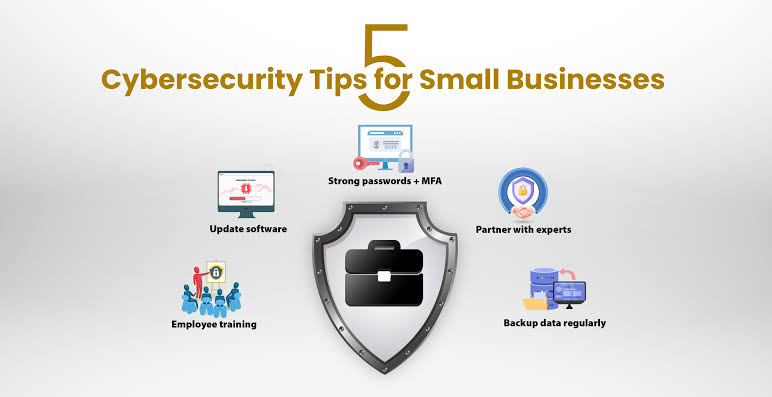
Another essential aspect is employee training. Human errors are often the weakest link in cybersecurity. Therefore, regular training sessions should be conducted to educate employees about identifying phishing attempts, the significance of secure browsing habits, and the protocols to follow when they suspect a security breach. By making security awareness a priority, businesses can cultivate a culture of vigilance among their workforce.
Additionally, a robust security policy must include incident response procedures. This section should detail the steps to be taken in the event of a security incident, including who should be notified, the documentation process, and how to rectify the situation. Having a clearly defined incident response plan enables businesses to address security breaches promptly and effectively, minimizing potential damage.
In conclusion, by incorporating elements such as password management, employee training, and robust incident response procedures into their security policy, small businesses can significantly enhance their cybersecurity posture and protect themselves against various threats. A strong security policy is not just a document but a proactive measure in safeguarding business assets and ensuring ongoing operational integrity.
Employee Training and Awareness Programs
In today’s digital landscape, small businesses must prioritize cybersecurity to safeguard sensitive information and protect their operational integrity. One of the most effective strategies in this regard is implementing comprehensive employee training and awareness programs. Regular training helps equip employees with essential skills to recognize and respond to cybersecurity threats effectively.
Utilizing a variety of training techniques is critical for maximizing employee engagement and retention of information. Interactive workshops, online courses, and simulation exercises can be particularly effective in demonstrating real-world applications of cybersecurity principles. For instance, simulated phishing exercises can help employees recognize suspicious emails and avoid falling victim to social engineering attacks.
Creating a culture of security awareness within the workplace is paramount. This can be achieved by integrating cybersecurity into the everyday conversation at work. Regular meetings can include discussions on the latest threats and appropriate responses, reinforcing the importance of vigilance. Additionally, incentive programs that reward employees for demonstrating good cybersecurity practices can motivate them to stay informed and vigilant.
To ensure employees remain updated on emerging threats and best practices, businesses should establish routine training schedules, ideally on a quarterly basis. These sessions should be supplemented with accessible resources for employees to reference, such as newsletters, intranet posts, or dedicated cybersecurity awareness portals. Moreover, providing real-time updates or alerts about new threats can ensure that employees are always aware of the latest risks.
Overall, investing in employee training and awareness programs is a critical component of an organization’s cybersecurity strategy. By equipping employees with the necessary skills and knowledge, small businesses can create a robust line of defense against potential cyber threats.
Implementing Strong Password Policies
In the realm of cybersecurity, the significance of strong password management cannot be overstated, particularly for small businesses. Weak passwords can act as a gateway for malicious actors seeking unauthorized access to sensitive information. Therefore, establishing robust password policies is a crucial first step in creating a secure environment.
To begin with, creating strong passwords involves crafting them with a combination of upper and lower case letters, numbers, and special characters. It is advisable to avoid easily guessable information such as birthdays or common phrases. A strong password should be at least 12 characters long, as longer passwords exponentially increase the difficulty of being cracked by brute-force attacks. Additionally, businesses should encourage employees to avoid using the same password across multiple accounts, as this can lead to a cascading failure if one account is compromised.
Incorporating multi-factor authentication (MFA) further enhances password security. MFA requires users to provide two or more verification factors to gain access, making it significantly harder for unauthorized individuals to breach an account. This additional layer of security can include something the user knows (a password), something they have (a mobile device), or something they are (biometric verification). Implementing MFA reduces the likelihood of security breaches, thereby fortifying the organization’s overall cybersecurity posture.
Moreover, password management tools can be invaluable for promoting secure password practices within small businesses. These tools help employees generate, store, and manage their passwords securely, ensuring they do not resort to insecure practices like writing passwords down or using easily memorable but weak passwords. Solutions such as password vaults not only provide convenience but also bolster security significantly by ensuring that credentials remain confidential and are not inadvertently exposed.
Keeping Software and Systems Updated
Maintaining the integrity of a small business’s cybersecurity framework necessitates a thorough approach to software and systems management. One of the most critical aspects of this management is keeping software, operating systems, and applications updated. Each day, new vulnerabilities are discovered, making it imperative that businesses apply updates in a timely manner to safeguard their networks and data from potential cyber attacks.
Updates and patches provided by software vendors often contain vital security enhancements aimed at addressing identified weaknesses within their systems. When these updates are not applied, businesses leave themselves open to exploitation by cybercriminals who actively seek out organizations with outdated systems. Consequently, ensuring that all form of software, including web browsers and antivirus applications, are regularly updated is essential to minimize risks. Furthermore, delaying software upgrades can result in compatibility issues, making it difficult for businesses to utilize essential tools effectively.
To establish a robust update schedule, small businesses should prioritize the creation of a systematic plan. This plan might include setting reminders for regular checks of software updates or using automated tools that can manage updates seamlessly. It is also advisable to include both major updates and minor patches in this schedule. Moreover, businesses could benefit by closely monitoring news from software vendors about critical updates or vulnerabilities that may warrant immediate action.
Finally, training staff on the importance of software updates is equally crucial. Employees must understand the direct correlation between regular updates and enhanced cybersecurity, which fosters a culture of vigilance and proactive defense measures within the organization. Overall, a diligent approach to keeping software and systems updated can significantly bolster a small business’s cybersecurity posture.
Data Backup and Recovery Solutions
For small businesses, data is one of the most valuable assets, making data backup and recovery solutions indispensable. In today’s digital landscape, where cyber threats are increasingly prevalent, ensuring data integrity and availability is crucial for continued operations. The significance of regularly backing up data cannot be overstated, as it safeguards against various risks such as ransomware attacks, hardware failures, or natural disasters.
To implement effective backup solutions, small businesses should consider options available for both on-site and cloud-based strategies. On-site backups typically involve external hard drives or network-attached storage (NAS) devices. These solutions can provide quick access to data; however, they may be susceptible to physical damage or theft. For enhanced protection, a combination of local and offshore backups is recommended. Cloud-based backup solutions, on the other hand, allow businesses to store data remotely, ensuring that copies remain accessible even when on-site data is compromised. Services offered by established providers can facilitate easy recovery of lost information.
Moreover, designing a disaster recovery plan is an important facet of data management. This proactive approach involves establishing clear protocols for data recovery in the event of a cyber incident. Businesses should assess their critical data needs and create a roadmap that encompasses the steps required to restore operations promptly. This may include identifying potential vulnerabilities, determining recovery time objectives (RTOs), and ensuring all employees are trained to follow the recovery process effectively. Frequent testing of the recovery plan is equally vital to ensure smooth execution when necessary.
In conclusion, investing in robust data backup and recovery solutions is essential for safeguarding small businesses against unforeseen incidents. By incorporating both on-site and cloud-based options and establishing a comprehensive disaster recovery plan, small businesses can mitigate risk and minimize downtime, thus promoting resilience in the face of cyber threats.
Utilizing Firewalls and Antivirus Software
In the realm of cybersecurity, firewalls and antivirus software serve as fundamental tools for protecting small businesses against potential threats. A firewall acts as a barrier between a trusted internal network and untrusted external networks, such as the internet. It monitors incoming and outgoing traffic and allows or blocks data packets based on established security rules. By controlling access to network resources, firewalls help prevent unauthorized access and potential cyberattacks, making them indispensable in maintaining a secure digital environment.
On the other hand, antivirus software plays a crucial role in detecting, preventing, and removing malware, viruses, and other malicious programs that can compromise a business’s data integrity and confidentiality. These software solutions perform regular scans of computer systems and networks, identifying any signs of infection and taking appropriate action to mitigate any risks. Regular updates are vital to ensure that the antivirus software remains effective against new threats, as cybercriminals continuously evolve their tactics.
For small businesses, the implementation of these security measures is critical, considering that they often have limited resources to recover from data breaches or cyber threats. A well-integrated firewall and antivirus strategy not only safeguards sensitive information, but it also builds trust with clients and partners who expect robust security protocols. Noteworthy products to consider include reputed firewall solutions such as Cisco ASA and Palo Alto Networks, alongside reliable antivirus software like Bitdefender and Norton Antivirus. These solutions offer comprehensive protection and are tailored to fit the needs of small business operations.
Monitoring and Responding to Cybersecurity Incidents
Effective cybersecurity for small businesses hinges not only on proactive measures but also on the ability to monitor and respond to incidents as they arise. Continuous network monitoring allows businesses to detect suspicious activity early, preventing potential breaches before they escalate. Utilizing intrusion detection systems (IDS), firewalls, and security information and event management (SIEM) tools can help in identifying anomalous behaviors in real time. Additionally, regular audits and vulnerability assessments can uncover weaknesses that need addressing.
A crucial part of an effective cybersecurity strategy is the development of a comprehensive incident response plan. This plan should outline roles and responsibilities, communication strategies, and the processes to follow when a cybersecurity incident occurs. Components of an incident response plan typically include preparation, detection and analysis, containment, eradication, recovery, and lessons learned. Each stage is designed to minimize damage, recover from the incident, and prevent future occurrences.
It is essential for small businesses to conduct post-incident analysis following a security breach, which plays a vital role in refining their cybersecurity posture. By reviewing the incident, businesses can identify what went wrong, understand how the attack occurred, and evaluate their response efforts. This reflection not only informs immediate corrective measures but also shapes future strategies. Investing in training for employees and stakeholders on cybersecurity best practices during this analysis may further bolster defenses against future threats.
In conclusion, diligent monitoring and an effective response mechanism are indispensable for safeguarding small businesses against cyber threats. By proactively identifying vulnerabilities and maintaining a robust incident response plan, these businesses can significantly enhance their overall cybersecurity framework and resilience against potential incidents.