


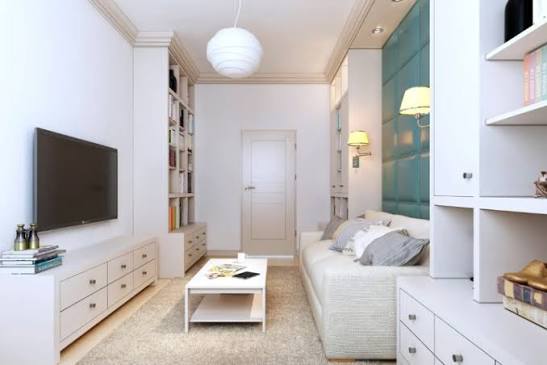
Understanding the Importance of Storage in Small Spaces
In today’s urban environments, many individuals find themselves living in small spaces, where maximizing available square footage becomes a critical necessity. Effective storage solutions are not simply about functionality; they significantly impact the overall quality of life and daily routines of residents. When space is limited, clutter can quickly accumulate, leading to a disorganized home and an increased feeling of stress.
The challenges posed by limited square footage compel individuals to think creatively about how to organize their possessions efficiently. Small apartments and homes can pose obstacles in terms of storing items without sacrificing comfort or aesthetics. Therefore, the utilization of innovative storage solutions is essential for maintaining an orderly living environment. This necessity is further compounded by the need for easy access to frequently used items, which minimizes frustration and enhances overall well-being.
Moreover, the psychological implications of living in cluttered spaces cannot be overlooked. Studies have suggested a correlation between physical environment and mental health, indicating that cluttered spaces can lead to heightened anxiety and feelings of overwhelm. An organized space, on the other hand, can promote a sense of calm, allowing for greater focus and productivity. By prioritizing effective storage, individuals not only reclaim precious physical space but also foster a healthier mindset.
Ultimately, understanding the importance of storage solutions in small spaces is fundamental for creating a harmonious living environment. Effective organization contributes not just to physical order, but also to improved mental health and a more satisfying day-to-day experience. Therefore, implementing well-thought-out storage techniques is indispensable for those navigating the challenges of smaller living spaces.
Assessing Your Space: Types of Small Areas
Small living areas, such as apartments, tiny homes, and micro-studios, present unique challenges concerning storage solutions. Each type of small space requires a tailored approach to maximize organization and optimize available square footage.
Firstly, apartments, particularly urban environments, often come with limited dimensions. Many apartments have a mix of fixed elements like kitchen cupboards and built-in closets, which might not align with the resident’s storage needs. Additionally, the compact nature of urban apartments means that vertical space often goes underutilized. Residents can benefit from custom shelving units that take advantage of height, such as floor-to-ceiling bookshelves or wall-mounted modular systems, which can help create a more organized living area.
Tiny homes, ever popular in minimalist lifestyles, are designed for efficiency but can still pose storage issues due to their compact nature. In tiny homes, every square inch must be used wisely, and thus, multipurpose furniture becomes essential. For instance, ottomans with concealed storage or beds with built-in drawers can significantly enhance storage capabilities without compromising floor space. Furthermore, utilizing staircases as storage with built-in drawers or organizers can help manage clutter in tiny homes.
Micro-studios, which are essentially single-room living units, require an innovative approach to storage as personal areas, kitchens, and bathrooms are often combined. This necessitates creative solutions like foldable furniture or hidden areas within walls. Utilizing furniture that can easily transform into different uses, such as a murphy bed or an extendable dining table, allows for a more functional living space. Exploring options such as hooks on walls or over-the-door storage can further maximize utility.
Understanding the unique characteristics and storage challenges of these small areas is crucial for effective organization. By identifying the needs specific to each type of space, residents can implement intelligent storage solutions, resulting in a more organized and livable environment.
Creative Furniture Solutions That Double as Storage
In the quest to maximize space in small living areas, the integration of multifunctional furniture has emerged as a vital trend. Creative furniture solutions that also serve as storage are not only practical but can also enhance the aesthetic appeal of a room. One of the most popular options in this category is the ottoman. Versatile in design, ottomans can function as a footrest, extra seating, or even a coffee table when combined with a tray. Many ottomans come with hidden compartments, making them ideal for stowing away blankets, magazines, or other items that tend to clutter the living space.
Another excellent solution is coffee tables with built-in storage. These tables often feature lift-top designs or shelving underneath, providing a discreet yet accessible place to keep remote controls, books, or games. When selecting a coffee table, consider the overall style of your living room and choose a piece that complements your existing decor while fulfilling storage needs. Opt for materials that are both durable and easy to maintain, keeping in mind that larger tables might offer deeper storage without overwhelming the space.
Sofa beds also represent a practical and stylish way to tackle limited square footage. Perfect for accommodating guests without sacrificing valuable floor space, these bed/furniture hybrids arrive in various designs to match any interior. When choosing a sofa bed, it is important to look for a model that ensures comfort both as a sofa during daytime use and as a bed at night. Additionally, many modern sofa beds are designed with compartments for storing bedding and linens, creating a cohesive and organized living environment.
Incorporating dual-purpose furniture is an effective strategy for optimizing small spaces. Each of these furniture solutions not only provides additional storage but also contributes to the overall functionality and design of the room, creating a harmonious balance between style and practicality.
Vertical Storage: Maximizing Height Instead of Floor Space
In small living spaces, the challenge of optimizing room dimensions often leads residents to seek innovative storage solutions. One effective strategy is to leverage vertical space, as this allows for the creation of storage areas without encroaching on valuable floor space. By utilizing walls, ceilings, and other vertical surfaces, individuals can significantly enhance the storage capabilities of their environments.
Wall-mounted shelves serve as a primary example of vertical storage solutions. They can be strategically placed in any room, from the kitchen to the living room, to store books, decorative items, or kitchen essentials. Floating shelves, in particular, create an illusion of more space while providing a sleek, modern aesthetic. Additionally, varied shelf heights can accommodate items of different sizes, enhancing both functionality and design.
Pegboards offer another versatile option for vertical storage. Commonly associated with garages, pegboards can be effectively utilized in a variety of rooms for an organized and visually appealing display of tools, crafts, or kitchen utensils. They can be painted or decorated to match the room’s design, making them not just practical, but also a stylish element of interior decor. By adding hooks and baskets to a pegboard, one can further customize the storage experience, ensuring that each item remains accessible.
Finally, vertical organizers such as tall bookcases or multi-tiered storage carts contribute to maximizing space efficiency. These can be utilized in bathrooms for towels and toiletries or in bedrooms for clothes and accessories. Ensuring these organizers combine functionality with aesthetics expands their usefulness and helps maintain a clutter-free environment.
Incorporating vertical storage solutions can transform small spaces into functional and organized areas, maximizing storage without compromising on style or accessibility.
Utilizing Underutilized Areas: Nooks, Corners, and Under Furniture
In many small living spaces, peculiar nooks and corners are often overlooked when it comes to storage solutions. However, by applying some creativity, these spaces can serve as valuable storage areas. One of the most effective ways to maximize storage is to look beneath furniture. For instance, beds with built-in drawers or platforms that lift to reveal hidden compartments are perfect for stowing away seasonal clothing or extra linens. If such options are not available, consider using rolling storage bins that can slide in and out easily, allowing for quick access when necessary.
Another often neglected area is the space behind doors. Door-mounted shelves or hooks can provide an efficient way to organize items like cleaning supplies, shoes, or accessories. Additionally, using the upper reaches of closet doors can offer added vertical storage without compromising floor space. This method allows for a more organized approach to everyday items that would otherwise clutter the living space.
Corner spaces also hold untapped potential. Corner shelves or specially designed corner cabinets can transform an unused area into a practical storage solution. By incorporating floating shelves, you gain not only aesthetic appeal but also functional storage for books, decorative items, or everyday essentials. Furthermore, think vertically. Utilizing tall bookcases or shelving units allows for maximum storage without taking up too much floor space.
Lastly, consider creative furniture arrangements that might reveal new storage opportunities. For instance, an L-shaped sofa could double as storage if you choose one with built-in compartments. Even small ottomans can serve as dual-purpose pieces, offering both seating and hidden storage. By exploring these underutilized areas, you can create a more organized and functional living environment, no matter how small your space may be.
Organizing Tips and Best Practices for Small Spaces
Maximizing the functionality of small spaces demands strategic organization techniques that promote efficiency and flow. One of the foremost strategies is decluttering. By assessing each item in your space and determining its necessity, you can significantly reduce clutter. Implementing a regular decluttering schedule can prevent accumulation over time. It can also help create a serene environment, making it easier to locate essential items.
Creating designated zones tailored for specific activities is another effective practice. Establishing areas for different functions—such as work, relaxation, and storage—provides structure to your living space. These zones simplify organization and enhance productivity. For example, designating a small nook as a reading area complete with shelves can inspire a more productive environment.
To further improve organization, utilizing clear storage bins is a practical solution. Clear bins offer high visibility, allowing you to quickly identify contents without rummaging through multiple containers. This not only saves time but also encourages returning items to their rightful places. When using bins, it is advisable to group similar items together and label these containers for added clarity.
Incorporating vertical space is also key when organizing small areas. Wall-mounted shelves, hooks, or pegboards allow you to utilize often-overlooked vertical expanses, offering additional storage without consuming floor space. Items like tools, kitchen utensils, and craft supplies can be displayed attractively and within easy reach.
Lastly, consider the dual function of furniture items. Opt for pieces that offer storage solutions, such as ottomans or coffee tables with built-in compartments. These approaches not only ensure that small spaces remain organized but also contribute to a more aesthetically pleasing environment.
The Role of Multi-functional Items in Storage Solutions
As urban living spaces continue to shrink, the importance of effective storage solutions becomes increasingly apparent. Multi-functional items play a pivotal role in optimizing space within homes and offices. Products engineered for versatility, such as folding chairs, expandable tables, and modular shelving, are gaining recognition for their ability to adapt and evolve according to one’s needs.
Folding chairs serve as an exceptional example of a space-saving solution. They can be easily tucked away when not in use, thus clearing valuable floor space. This adaptability makes them ideal for small apartments or homes with limited seating options. Additionally, their lightweight design allows for effortless mobility, enabling users to rearrange their living environment as needed.
Another notable innovation in the realm of multi-functional storage is the expandable table. Suitable for both intimate gatherings and larger social events, these tables can be adjusted to accommodate various numbers of guests. Their ability to convert from a compact setup to an expansive workspace exemplifies the convenience offered by modern furniture design. By incorporating an expandable table into a small space, one can facilitate the need for both dining and working areas, making it a practical investment.
Modular shelving systems further enhance the functionality of a limited space. These customizable units allow individuals to create tailored storage solutions that fit their specific requirements. The flexibility to reconfigure shelves or add new modules as needed ensures that the storage system can adapt to changing storage needs over time. This versatility not only maximizes efficiency but also promotes a clutter-free environment, essential in any small space.
Ultimately, investing in multi-functional items can significantly improve one’s quality of living. They provide practical solutions that not only save space but also cater to diverse lifestyles. By selecting versatile furniture and storage options, individuals can make the most of their limited square footage while creating an organized and functional living area.
Creative DIY Storage Projects
Creating personalized storage solutions not only enhances the aesthetics of your space but also reflects your individuality while being cost-effective. Numerous DIY storage projects can be implemented, varying in complexity but all providing a valuable means of maximizing space efficiency.
One popular project is building custom shelves. Using basic materials such as plywood and brackets, you can design shelves tailored to fit your unique wall space. Consider floating shelves, which offer the advantage of having no visible supports, creating a clean and modern look. To build these, measure the desired height and width, then cut the plywood accordingly, securing it with L-brackets or concealed mounting hardware. A coat of paint or stain can further personalize the shelves, making them a stunning focal point in any small room.
Another accessible project is creating storage baskets from natural materials like wicker or seagrass. These containers can be easily assembled using materials that offer durability and style. Simply gather your chosen materials, outline the base and weave the sides, allowing for a practical yet appealing means of storing miscellaneous items. These baskets can be labeled for organization, thus ensuring that everything is easily accessible while being aesthetically pleasing.
Repurposing old furniture presents an innovative approach to DIY storage. Transforming an unused dresser into a storage bench not only saves space but also adds functionality. By removing the top drawers and adding foam padding and fabric, you can create an inviting seating area while the remaining drawers serve storage functions. This type of project requires minimal tools, and imagination can lead to remarkable transformations.
Ultimately, these DIY storage projects not only help in optimizing small spaces but also provide an avenue for personal expression. Through creativity and resourcefulness, you can develop customized storage solutions that are both practical and visually appealing.
Conclusion: Tailoring Your Storage Solutions to Fit Your Lifestyle
Finding effective storage solutions for small spaces is essential for maximizing functionality and maintaining an organized environment. Throughout this blog post, we have explored various creative strategies that can help individuals turn limited square footage into well-structured areas that serve both purpose and aesthetics. By assessing your personal needs, you can make informed decisions about which storage solutions will best enhance your living space.
First, it is vital to consider the specific requirements of your lifestyle when evaluating storage opportunities. For example, if you often entertain guests, investing in multi-functional furniture, such as ottomans with hidden compartments or collapsible tables, may be beneficial. Alternatively, individuals with a penchant for hobbies can benefit from wall-mounted organizers or dedicated shelving that showcases their collections while keeping everything within reach.
Additionally, the importance of decluttering cannot be overstated. Reducing excess items creates visual space, thereby making any storage solution more effective. Regularly evaluating belongings allows you to keep only what adds value to your life, making it easier to implement creative storage strategies.
Incorporating vertical storage solutions, such as shelving and hooks, also offers practical methods to utilize wall space effectively. This approach not only provides ample storage but can also add a unique decorative element to your small space. Furthermore, using bins, baskets, and drawer organizers can significantly improve the organization of smaller items, contributing to an overall tidy environment.
In conclusion, tailoring your storage solutions to match your lifestyle is key to making the most of small spaces. By thoughtfully considering your needs and employing innovative strategies, you can create a more functional and aesthetically pleasing environment, ultimately enhancing both comfort and style in your home.