


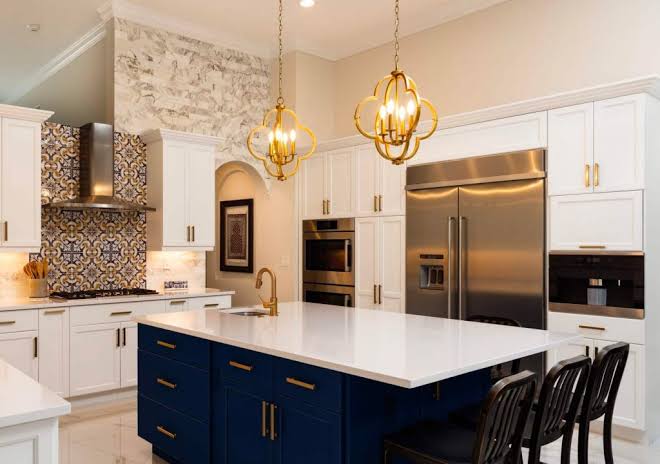
Introduction to Kitchen Remodeling
Kitchen remodeling has become a significant aspect of home improvement for many homeowners. The kitchen, often considered the heart of the home, serves multiple purposes, from meal preparation to social gatherings. As a result, remodeling this space can greatly enhance both its functionality and aesthetic appeal. An updated kitchen not only contributes to the overall value of the home but also creates a welcoming environment that meets the evolving needs and tastes of the family.
In recent years, there has been a noticeable increase in interest among homeowners to revamp their kitchens. This trend is driven by a desire to incorporate modern styles and technologies, seamlessly blending design with practicality. Homeowners are increasingly looking for innovative solutions to maximize space, improve energy efficiency, and integrate smart technology into their kitchen designs. From optimizing the layout to selecting the right materials and appliances, the kitchen remodeling process allows homeowners to create a space that is not only functional but also tailored to their personal style and preferences.
Moreover, as household dynamics evolve, the demand for versatile kitchen spaces has grown. Open-concept layouts that facilitate interaction with other living areas have gained popularity, reflecting a shift toward more communal environments. This change underscores the importance of kitchen remodeling as it allows homeowners to create a layout that fosters connection and flexibility. Additionally, incorporating elements such as sustainable materials and high-efficiency appliances is becoming crucial in today’s remodeling projects, aligning with environmental considerations and budget-conscious choices.
In conclusion, kitchen remodeling stands as a vital home improvement endeavor that enhances both the functionality and visual appeal of the space. With a growing trend towards modernization and efficiency, it reflects a harmonious blend of contemporary design and practical considerations, making it an essential aspect of home renovation.
Popular Kitchen Styles
In the ever-evolving landscape of home design, kitchen styles serve not only as functional spaces but also as reflections of personal taste and lifestyle. Homeowners today are drawn to various kitchen styles that encapsulate modern aesthetics, comfort, and functionality. Some of the most sought-after styles include contemporary, farmhouse, and rustic designs.
Contemporary kitchens are characterized by their sleek lines, minimalistic designs, and innovative use of materials. This style often incorporates an open concept layout, encouraging a seamless flow between the kitchen and other living spaces. The color palette is typically neutral, with a focus on high-quality finishes like quartz countertops and stainless steel appliances. Homeowners favor this style for its ability to create a clean, uncluttered environment conducive to cooking and entertaining.
The farmhouse kitchen style, on the other hand, appeals to those looking for warmth and charm. This design emphasizes a cozy and rustic feel, often featuring elements like large, oversized sinks, reclaimed wood, and vintage-inspired fixtures. Homeowners appreciate the balance between functionality and aesthetic appeal that the farmhouse style provides. It allows for ample storage solutions while fostering an inviting atmosphere for family gatherings.
Rustic designs share similarities with farmhouse kitchens but focus more on natural materials and textures. Exposed beams, stone accents, and earthy color palettes are common in rustic kitchens. This style celebrates the beauty of imperfections and often encompasses handmade furniture, creating a sense of timelessness. Homeowners drawn to rustic styles value a connection to nature and the comfort of traditional design.
Overall, these popular kitchen styles reflect a growing appreciation for personal expression, practicality, and a desire to create spaces that are not only beautiful but also serve the needs of daily living.
Smart Kitchen Technologies
The integration of smart technologies in kitchen remodeling has revolutionized how homeowners interact with their living spaces. One prominent trend involves smart appliances that connect to Wi-Fi, allowing users to manage them remotely via smartphone applications. These connected appliances not only enhance convenience but also contribute to energy efficiency, optimizing performance while reducing energy consumption. For instance, smart refrigerators can track food inventory, suggest recipes based on available ingredients, and even notify users when they are running low on essentials.
Additionally, the incorporation of smart lighting systems has become increasingly popular. Homeowners can now control lighting remotely or automate it based on specific schedules or kitchen activities. Smart bulbs that adjust their brightness and color temperature are highly sought after, enabling a tailored ambiance for various occasions, from casual family dinners to intimate gatherings. Moreover, these lighting solutions often include energy-saving features, aligning with the trend of sustainable living.
Automated systems also play a significant role in modern kitchen design. Voice-activated technology, such as digital assistants, allows users to control various kitchen functions hands-free. From adjusting the thermostat to setting timers for cooking, these advancements work to simplify daily tasks, particularly in a busy household. Homeowners can also consider integrating smart faucets that offer touchless operation for improved hygiene.
As smart kitchen technologies continue to evolve, they not only enhance the functionality of the kitchen but also enrich the overall cooking experience. By seamlessly blending convenience, efficiency, and innovation, these technologies are quickly becoming a staple in contemporary home design, making them a favorite among homeowners looking to remodel their kitchens.
Sustainable and Eco-Friendly Choices
In recent years, the trend towards sustainability has grown significantly, influencing various aspects of home design, including kitchen remodeling. Homeowners are increasingly recognizing the importance of adopting eco-friendly practices, and kitchens are ideally suited for making sustainable choices. This shift is evident in the materials used, the appliances chosen, and the overall energy efficiency of the space.
One of the primary focuses of sustainable kitchen remodeling is the use of eco-friendly materials. For instance, homeowners are opting for countertops made from recycled materials, such as glass, paper, or reclaimed wood, which not only reduces waste but also adds unique character to the kitchen. Bamboo, a rapidly renewable resource, is becoming a popular choice for cabinetry and flooring, due to its strength and aesthetic appeal. Additionally, natural stone and low-VOC (volatile organic compounds) finishes contribute to healthier indoor air quality.
Energy-efficient appliances also play a crucial role in sustainable kitchen remodeling. Homeowners are encouraged to invest in ENERGY STAR-rated appliances, which consume less energy and water while performing efficiently. These appliances not only reduce utility bills but also minimize the environmental footprint of the household. Furthermore, incorporating smart technology in appliances enables homeowners to monitor and optimize energy usage seamlessly.
To enhance sustainability, homeowners can adopt additional practices during their kitchen remodeling projects. Utilizing LED lighting instead of traditional incandescent bulbs not only extends the lifespan of the fixtures but also reduces energy consumption significantly. Implementing water-efficient fixtures, such as low-flow faucets, can drastically decrease water usage without sacrificing performance. Lastly, choosing local materials and labor can reduce the carbon footprint associated with transportation and promote community engagement.
Ultimately, the trend toward sustainable kitchen remodeling reflects a growing awareness of environmental concerns, encouraging homeowners to make thoughtful choices that benefit both their families and the planet.
Color Trends in Kitchen Design
In recent years, color trends in kitchen design have become increasingly bold and diverse, offering homeowners a range of options that reflect their individual styles and preferences. One of the most notable trends is the embrace of bold colors, where vibrant shades such as deep navy, rich burgundy, and emerald green are utilized to create striking focal points. These bold hues are often employed on cabinetry, accent walls, or as a statement island, adding a layer of sophistication and drama to any kitchen space.
In contrast to the bold trend, the use of neutral palettes continues to dominate the kitchen design landscape. Subtle tones of beige, gray, and white create a calming atmosphere that many homeowners find appealing. These neutral colors allow for flexibility in design, providing a perfect backdrop for featuring other design elements such as textures, patterns, and appliances. Additionally, the use of neutrals can enhance natural light and create an illusion of a larger space, which is particularly beneficial in smaller kitchens.
Another emerging trend is the versatile use of two-tone color schemes. This design approach combines two contrasting or complementary colors for cabinetry and accents, allowing homeowners to infuse their kitchens with style and personality while maintaining balance. For instance, pairing a soft pastel color with a darker tone can create depth and visual interest. This approach is not only about aesthetics; it can also serve practical purposes, such as designating different functional areas within the kitchen.
The psychological impacts of color should not be dismissed, as colors can significantly influence mood and ambiance. Warm colors like red and orange can stimulate appetite and conversation, making them ideal for social kitchen spaces. In contrast, cooler colors like blue and green evoke tranquility and can create a serene cooking environment. Ultimately, the choice of color in kitchen remodeling should reflect personal style while considering its emotional and practical implications.
Innovative Storage Solutions
In contemporary kitchen design, innovative storage solutions have become paramount for maximizing space and enhancing functionality. Homeowners are increasingly focused on utilizing every inch of their kitchens to create organized and efficient environments. Among the most popular solutions are modular shelves, which offer customizable configurations to fit various kitchen layouts. These shelves can be adjusted or expanded, accommodating changing needs over time, while also allowing homeowners to showcase decorative items or frequently used cookbooks.
Another effective solution is the implementation of pull-out pantries. These sleek and efficient storage systems are designed to fit seamlessly into any kitchen design, providing easy access to pantry items without taking up large amounts of floor space. They are particularly valuable in tight areas, as the pull-out design enables users to see and reach all stored items easily, overcoming the challenges of deep, traditional pantry cabinets.
Furthermore, under-cabinet storage ideas have gained traction among homeowners seeking to declutter countertops. By incorporating shelves, racks, or hooks beneath cabinets, homeowners can effectively utilize otherwise wasted space. This can include hanging mugs, pots, and pans, or storing spices and commonly used utensils right where they are needed. Not only does this sense of organization enhance the kitchen’s overall aesthetic, but it also contributes to a more functional cooking environment.
Overall, incorporating innovative storage solutions not only increases the usability of a kitchen but also directly reflects the preferences of modern homeowners. By making strategic storage choices, individuals can ensure their kitchens are both beautiful and practical, thereby enhancing their overall cooking experience.
Countertop and Backsplash Trends
In recent years, homeowners have increasingly gravitated towards specific materials and designs for countertops and backsplashes, seeking to blend functionality with aesthetic appeal. Among the most sought-after materials, quartz and granite continue to lead the pack as durable and attractive options. Quartz countertops, known for their non-porous surface, are resistant to staining and require minimal maintenance, making them ideal for busy kitchens. Granite, a natural stone, offers a unique variation in patterns and colors, ensuring that each installation is one-of-a-kind. Homeowners appreciate granite’s durability and its ability to withstand heat, adding to its practicality.
Ceramic tiles have also emerged as a popular choice for backsplashes, bringing versatility and design options that can transform any kitchen. Available in a variety of colors, shapes, and finishes, ceramic tiles enable homeowners to personalize their space extensively. Furthermore, their ease of cleaning and durability make them a suitable choice for areas prone to moisture and splashes. In addition, recent trends have seen homeowners favoring larger tiles, which can create a seamless and elegant look, minimizing grout lines and enhancing the overall aesthetic.
Another noteworthy trend is the use of mixed materials for countertops and backsplashes, where homeowners are combining different textures and colors to create eye-catching designs. For instance, pairing a sleek quartz countertop with a rustic ceramic tile backsplash can introduce a balanced contrast that adds character to the kitchen space. As homeowners continue to prioritize durability, maintenance, and style in their kitchen remodeling, the selection of countertops and backsplashes will undoubtedly play a critical role in elevating kitchen aesthetics.
Lighting Ideas for a Modern Kitchen
Lighting is an essential element in kitchen design, significantly influencing both functionality and aesthetics. A well-lit kitchen ensures safety while cooking, enhances the visual appeal of the space, and creates an inviting atmosphere for gatherings. In modern kitchen design, incorporating a balanced mix of ambient, task, and accent lighting is crucial to achieving the desired effect.
Ambient lighting serves as the primary source of illumination in a kitchen, providing a uniform level of brightness throughout the area. When considering ambient options, recessed ceiling lights and flush-mounted fixtures are highly effective. These types of lights create a streamlined look, essential for contemporary interiors. Additionally, large pendant lights, hung over islands or dining areas, can serve as striking focal points while also illuminating the space.
Task lighting, on the other hand, focuses on specific work areas, ensuring that these zones are adequately lit for cooking and preparation tasks. Under-cabinet lighting is a popular choice for modern kitchens, as it directs light onto countertops, making food prep safer and easier. LED strips or puck lights are ideal for this purpose, as they can be easily installed and adjusted according to the needed ambiance.
Accent lighting can be used to highlight architectural features, artwork, or decorative elements within a kitchen. Wall sconces, pendant lights with a unique design, or LED strip lights within glass cabinets can create visual interest and depth. Integrating dimmers into the lighting design allows flexibility in adjusting brightness, accommodating different moods and activities.
To achieve a well-lit kitchen space, it is essential to consider layering these different lighting types. By blending ambient, task, and accent lighting, homeowners can create a beautiful, functional, and inviting environment that enhances their kitchen remodeling experience.
Conclusion and Future Kitchen Trends
In summation, the kitchen has evolved into a multifunctional space that reflects both personal style and practicality. Recent trends have showcased a shift towards open-concept designs, sustainable materials, and smart technology. Homeowners have increasingly favored minimalist yet functional aesthetics, moving away from ornate structures to embrace simplicity and efficiency. Additionally, the rise of eco-friendly approaches has been notable, with many opting for energy-efficient appliances and sustainable finishes that minimize environmental impact.
Looking forward, it is anticipated that the integration of technology will continue to shape kitchen design. As advancements in smart home technology become more widespread, homeowners can expect kitchens equipped with appliances that are not only energy-efficient but also intelligent, allowing for better management of cooking and storage. Features such as smart refrigerators that monitor inventory and suggest recipes are likely to gain traction.
Moreover, as the desire for personalized spaces grows, custom cabinetry and unique design features, such as backsplash designs and countertop materials, will continue to play a significant role in kitchen remodeling. The trend towards incorporating natural elements, such as wood and stone, is expected to persist, providing warmth and comfort to this essential living space. The fusion of design and sustainability will remain a priority, compelling homeowners to stay informed about innovative materials and practices that promote longevity and wellness.
Ultimately, staying attuned to the evolving trends in kitchen remodeling not only enhances the functionality of the home but also adds to its overall aesthetic appeal. Homeowners are encouraged to embrace the continuous changes in design, technology, and sustainability to craft a kitchen that reflects contemporary living while serving as an inviting hub for culinary experiences.