


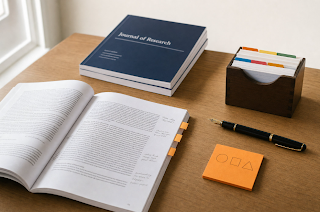
Navigating the research publication process early in an academic career can shape future success and resilience. Effective skill-building in publication habits helps address common pressures and supports long-term development. Establishing reliable systems from the outset makes the entire process less daunting and more productive.
Engaging with research publication demands attention to detail, consistency, and adaptability. Early-career academics face an array of deadlines and expectations, often under tight constraints that require a strategic approach. Time management skills, when applied effectively, help balance research writing alongside teaching and administrative tasks, ensuring progress without burnout. Understanding why publication skill-building matters now can inform practical steps for building and sustaining strong research publication habits throughout your academic journey.
The importance of early skills development
For early-career academics, establishing a foundation for sustained research output is essential. The initial phase often comes with pressures to publish, which can result in reactive approaches instead of proactive planning. Developing good habits early provides much-needed structure to withstand these pressures and improve your overall efficiency.
Consistent publication workflows can significantly reduce common bottlenecks such as last-minute writing or scrambling for missing references. By incorporating regular checkpoints, you can detect issues sooner and address them before they escalate into setbacks that delay the submission or evaluation of your research.
Building robust publication habits early also creates a competitive advantage when applying for grants, promotions, or tenure positions. Institutions increasingly value not just the quantity of publications but also the quality of research output and the ability to demonstrate consistent scholarly productivity. By establishing efficient workflows and systematic approaches to manuscript preparation, early-career researchers position themselves as reliable contributors to their fields. This reputation for dependability can open doors to collaborative opportunities, invitations to contribute to special issues, and recognition within professional networks that extend well beyond individual publications.
Navigating the research publication process
Understanding the stages of the publication pipeline helps demystify the entire journey from idea inception to post-publication tracking. This pipeline usually begins with selecting a research idea, engaging in literature scanning to assess originality, and then outlining objectives that align with your intended audience.
The next steps involve drafting the manuscript, revising based on initial feedback, and preparing for journal submission. Building familiarity with each stage reduces uncertainty and boosts your confidence. When revisions or peer review responses are required, a structured approach that breaks the process into distinct phases streamlines each task and prevents overlooked requirements.
Establishing manageable writing routines
Setting up a realistic schedule for research writing is fundamental in avoiding unnecessary stress. Dividing large projects into manageable weekly milestones helps you maintain focus and monitor progress without overwhelming yourself. Protecting dedicated writing blocks can be challenging, but with appropriate strategies, it is possible to shield this essential time from competing obligations.
When building your workflow, adopting practical tools and techniques supports sustainable progress. Version control for documents and systematic reference management minimise confusion during team projects and prevent the risk of lost or duplicated work. Leadership Skills, especially when coordinating with co-authors, can improve efficiency by clarifying roles, managing feedback, and adhering to collective deadlines without friction.
Maintaining clarity, integrity, and consistency
One of the core challenges in academic publishing is transforming research findings into a coherent, publishable narrative. Enhancing clarity starts with well-organised arguments that logically support your results. Aligning your writing with journal expectations ensures smoother reviews and a higher chance of acceptance.
Upholding research integrity is vital throughout the process. Familiarising yourself with proper citation practices and authorship norms reduces the risk of ethical mistakes. Maintaining a publication log enables you to track progress and refine your workflow, creating a repeatable system for future research projects. Documenting responses to reviewers and learning from each cycle leads to continuous improvement in your publication routines.