


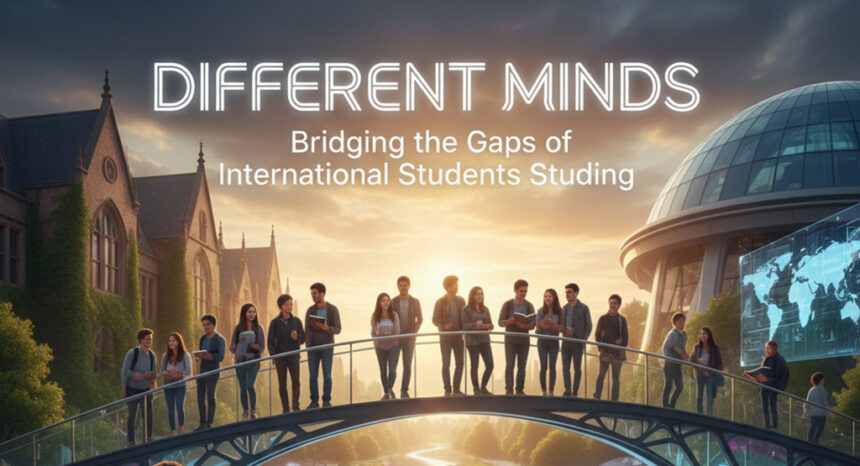
Introduction to the experience of international students
The experience of studying abroad is often painted as a thrilling adventure filled with new friendships, exotic foods, and breathtaking sights. But for international students, this journey can also be overwhelming and daunting. Leaving behind familiar surroundings to pursue education in a different country presents unique challenges that go beyond just academic expectations.
Navigating a new culture while trying to excel in studies creates an intricate balancing act. Every day brings the excitement of discovery but also the weight of uncertainty. This blog post delves into the various hurdles faced by these courageous individuals and explores how we can bridge those gaps to make their experiences more enriching.
Join us as we uncover the realities of international students and highlight what it takes to foster a supportive community that celebrates diversity and inclusivity.
The challenges faced by international students in a new country
Navigating a new country can be daunting for international students. Language barriers often top the list of challenges. Misunderstandings in communication can lead to frustration and feelings of isolation.
Adapting to different academic expectations is another hurdle. Students may find themselves grappling with unfamiliar teaching styles, grading systems, and assessment methods. This shift can be overwhelming.
Social integration poses yet another challenge. Making friends in an environment where cultural norms differ significantly requires patience and effort. Fear of judgment or not fitting in can hold many back from reaching out.
Homesickness frequently creeps in as well. The distance from family and familiar environments amplifies feelings of loneliness during tough times.
Each student’s journey is unique, filled with emotional ups and downs that shape their experience abroad. Understanding these difficulties is vital for fostering empathy within educational communities.
Cultural differences and adapting to a new education system
Cultural differences can be both exciting and daunting for international students. These variations shape how education is perceived and experienced in different countries.
For many, the classroom dynamics are a shock. In some cultures, students engage with teachers more formally, while others encourage open dialogue. This shift requires adjustment and understanding of new expectations.
Furthermore, assessment methods differ widely. Some systems prioritize exams heavily, while others focus on continuous assessments or group projects. Grasping these nuances often demands patience and flexibility.
Language barriers also add complexity to this transition. Even proficient speakers may struggle with jargon or local slang used in academic settings.
Immersing oneself in this new environment fosters growth. Embracing cultural differences enriches learning experiences and shapes personal development during their educational journey abroad.
The importance of creating a supportive environment for international students
Creating a supportive environment for international students goes beyond mere welcome gestures. It lays the foundation for their success both academically and personally.
When students feel accepted, they are more likely to engage in campus life. This engagement helps them build connections that can ease feelings of isolation.
Supportive communities foster open dialogues about cultural differences. These conversations promote understanding and empathy among all students.
Providing resources like mentorship programs also plays a crucial role. Mentors can guide newcomers through academic challenges while helping them navigate daily life in an unfamiliar setting.
Moreover, workshops focused on language skills or cultural exchanges enrich the experience for everyone involved. They create opportunities for collaboration and shared learning.
When institutions prioritize support, they not only enhance the student experience but also cultivate a diverse environment where all voices are valued and heard.
Programs and resources available for international students
Many universities recognize the unique challenges faced by international students and offer tailored programs to help them adjust. Orientation sessions are often the first step, providing essential information about academic expectations, local culture, and available support services.
Language assistance programs can significantly ease communication barriers. These initiatives range from conversational clubs to formal tutoring, allowing students to enhance their English proficiency while making friends.
Counseling services also play a vital role. They provide emotional support for those grappling with homesickness or cultural shock.
Networking events create opportunities for international students to connect with peers and build community ties. Many institutions host workshops that focus on career development as well—helping students understand job markets in their new country.
Scholarship programs specifically designed for internationals can alleviate financial burdens while encouraging diversity within campuses.
Success stories and the benefits of studying abroad
Studying abroad opens doors to countless opportunities. Many international students find themselves thriving in new environments, both academically and personally.
Take Ana, for instance. She arrived in the U.
S. from Brazil with a passion for environmental science. Through her university’s network, she secured an internship that led her to work on groundbreaking sustainability projects.
Then there’s Raj from India, who discovered his knack for entrepreneurship while pursuing his master’s degree in Canada. He launched a startup that now helps local businesses digitize their services.
These stories illustrate more than just academic success; they highlight personal growth and resilience. Immersing oneself in a different culture fosters adaptability and broadens perspectives.
The friendships formed across borders create lasting bonds that enrich lives beyond the classroom experience. Each student’s journey underscores how studying abroad can transform aspirations into reality, paving the way for future achievements.
Conclusion: Embracing diversity and promoting inclusivity for international students
Embracing diversity and promoting inclusivity for international students is vital in creating a vibrant academic community. When institutions prioritize understanding and support, they unlock the potential of every student, regardless of their background. By fostering environments where different cultures intersect, we pave the way for richer learning experiences.
Encouraging collaboration among domestic and international students enhances social bonds. These connections not only enrich individual lives but also prepare all students to thrive in an increasingly globalized world. As schools implement programs that celebrate multiculturalism, everyone benefits from shared perspectives.
Support systems play a crucial role too. Mentorship opportunities can bridge gaps between cultures while providing guidance through academic challenges. Additionally, engaging local communities helps dismantle stereotypes and fosters mutual respect.
When universities actively promote inclusivity, they cultivate leaders who are empathetic and culturally aware—traits essential in today’s interconnected society. The journey of each international student contributes uniquely to this mosaic of knowledge.
As we continue to embrace diverse voices within educational settings, we enhance understanding across boundaries, nurturing future generations equipped to tackle global challenges together.
Stanford Researcher Shows That a Posed Smile Can Improve Your Mood
Have you ever noticed how contagious a smile can be? It lights up a room and can turn anyone’s day around. But what if I told you that just the act of smiling—whether it’s natural or forced—can actually lift your spirits? A recent study from Stanford University dives deep into this fascinating phenomenon, revealing insights that might surprise you. In a world where stress and anxiety often take center stage, understanding the power of something as simple as a smile could be the key to improving our overall mood. Let’s explore how this small gesture holds immense potential for transforming not just our faces but also our minds!
The Power of a Smile
A smile is more than just a facial expression. It’s a universal sign of warmth and connection. When we smile, our brain releases feel-good hormones like dopamine and serotonin. These chemicals work wonders in elevating our mood.
Smiling can also influence how others perceive us. A genuine smile can foster trust and approachability, making social interactions smoother and more enjoyable.
Interestingly, the act of smiling doesn’t only impact those around us; it has profound effects on ourselves too. Even a forced smile can trick your mind into feeling happier.
In moments of stress or sadness, taking a moment to simply curve your lips upward might be all you need to shift your mindset dramatically. The power of that small gesture shouldn’t be underestimated—it creates ripples in both our emotional landscape and relationships with others.
Introduction to the Stanford Study
Researchers at Stanford University embarked on an interesting journey into the world of human emotions. They focused on a simple yet powerful action: smiling. The aim was to uncover whether the act of smiling could have a tangible effect on our mood.
Participants were asked to adopt different facial expressions, including a posed smile. This setup laid the groundwork for intriguing findings about how deliberately changing your expression can influence feelings.
What’s fascinating is that this study delved deeper than just surface-level observations. It aimed to understand the connection between physical actions and emotional responses, revealing insights that many might overlook in their daily lives.
The Research Process and Findings
Researchers at Stanford University embarked on a fascinating journey to uncover the effects of smiling. They designed an experiment that incorporated various participants, each tasked with holding different facial expressions.
Some were instructed to maintain a genuine smile while others adopted neutral or frowning faces. The goal was simple yet profound: observe how these expressions influenced their mood and emotional state.
Intriguingly, those who smiled reported feeling more positive emotions compared to their counterparts. This emotional shift occurred regardless of whether the smiles were forced or authentic.
The findings suggested that even a posed smile could trigger feelings of happiness. The brain seemed to respond positively to the action of smiling itself, creating a feedback loop that enhanced overall mood and well-being. This connection between facial expression and emotion opened new doors in understanding our mental health dynamics.
Benefits of Smiling
Smiling carries a treasure trove of benefits that go beyond mere appearance. It can instantly elevate your mood and create feelings of joy. When you smile, your brain releases feel-good chemicals like endorphins and serotonin.
These natural mood boosters not only enhance happiness but also reduce stress levels. A simple smile can lower cortisol, a hormone associated with stress, creating a more relaxed state of mind.
Beyond personal well-being, smiles are contagious. They foster connections with others and promote social interactions. This can lead to stronger relationships in both professional and personal settings.
Moreover, smiling enhances attractiveness. People often perceive those who smile as more approachable and friendly. This perception opens doors for new opportunities—whether it’s networking or making new friends.
The act itself is powerful; it strengthens the immune system too! Regularly smiling may even contribute to better health by improving overall resilience against illnesses.
Tips for Improving Your Mood with a Smile
Start your day with a smile in front of the mirror. It might feel silly at first, but it sets a positive tone for what’s ahead.
Try smiling while you walk. The simple act can shift your energy and attract more positivity around you.
When talking to friends or family, let that smile shine through. A genuine grin can spark joy not just for you but also for those around you.
In moments of stress, pause and take a deep breath. Then add a soft smile—it’s like telling your mind everything will be okay.
Consider incorporating laughter into your routine. Watch something funny or read jokes aloud; laughter combined with smiles amplifies the mood-boosting effects even more!
Share kindness with others; when someone smiles back at you, it’s contagious and uplifting all at once.
The Connection Between Smiling and Mental Health
Smiling does more than just express happiness; it plays a significant role in our mental health. Research shows that facial movements can influence emotional states. When you smile, even if it’s forced, your brain releases neurotransmitters like dopamine and serotonin.
These chemicals are known as “feel-good” hormones. They help reduce stress and improve overall mood. This simple act can create a positive feedback loop—smile to feel better, then feel better so you want to smile more.
Additionally, smiling has social benefits. It encourages connection with others and fosters a sense of belonging. Feeling connected is vital for mental well-being.
Even during tough times, bringing awareness to your smile can shift your perspective. It’s an easy tool at your disposal that requires no special skills or equipment—just the willingness to let it shine through!
Conclusion
The findings from the Stanford study open up exciting possibilities for anyone looking to enhance their mood. The simple act of smiling, whether genuine or posed, has been shown to trigger positive changes in our mental state.
Embracing this knowledge can be life-changing. Smiling is not just a reflection of happiness; it can also be a tool for cultivating joy and resilience in our daily lives. By practicing smiling more often—whether we feel like it or not—we can take active steps toward improving our overall well-being.
As you integrate more smiles into your routine, consider how they affect not just you but those around you as well. A smile has the power to create connections and uplift others, fostering an atmosphere of positivity wherever you go.
So give yourself permission to smile today and observe how it transforms your experience. Your mood may surprise you!