


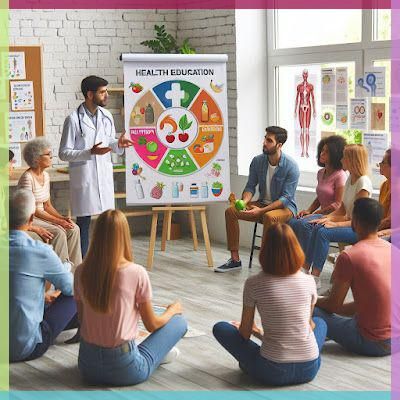
Education is often hailed as the cornerstone of progress, not just for individuals, but for entire communities. It’s a powerful tool that shapes minds and transforms lives. With knowledge comes opportunity, and with opportunity comes change. From personal growth to societal advancement, education plays a pivotal role in unlocking potential. In an ever-evolving world, understanding how education empowers both individuals and communities is more crucial than ever. Let’s dive into this transformative journey together and explore the profound impacts of education on our lives and those around us.
The impact of education on individuals
Education shapes individuals in profound ways. It fosters personal growth, enhancing critical thinking and problem-solving skills. Each lesson learned opens new doors to understanding the world.
With education comes improved job opportunities. Knowledge often translates into better-paying jobs, giving individuals the means to support themselves and their families. This financial stability is a game changer.
Health is another significant aspect influenced by education. Educated individuals tend to make informed choices about their well-being, leading to healthier lifestyles and reduced stress levels. They are more likely to seek medical help when needed and understand health information effectively.
Furthermore, education empowers self-confidence. With knowledge comes the ability to voice opinions and advocate for oneself or others. This empowerment can lead not only to personal achievements but also inspire those around them, creating ripples of positive change within communities.
A. Personal growth and development
Education is a powerful catalyst for personal growth and development. It opens doors to new ideas, perspectives, and experiences that shape who we are.
Through education, individuals learn to think critically. They explore different subjects that ignite their passions and interests. This exploration fosters self-awareness and confidence.
Moreover, education encourages lifelong learning. It instills curiosity which motivates people to pursue knowledge beyond formal schooling. As they develop skills in problem-solving and decision-making, they become more adaptable to life’s challenges.
Engaging with diverse viewpoints enriches emotional intelligence too. Education nurtures empathy as students learn about cultures and histories outside their own.
The journey of personal growth through education paves the way for a more fulfilled life filled with purpose and potential.
B. Improved job opportunities and higher income potential
Education plays a pivotal role in enhancing job opportunities. Individuals with higher educational qualifications often find themselves more competitive in the job market. Employers frequently seek candidates who possess specialized knowledge and skills.
With education, people are not just applying for basic positions; they’re aiming for roles that promise growth and advancement. This shift can lead to fulfilling careers rather than merely jobs.
Higher levels of education correlate with increased income potential as well. Studies consistently show that degree holders earn significantly more over their lifetimes compared to those without formal education.
This financial boost allows individuals to invest back into their communities, creating a ripple effect that benefits everyone involved. It’s clear: when individuals thrive professionally, communities prosper alongside them, building a stronger economic foundation for future generations.
C. Better physical and mental health
Education plays a vital role in enhancing both physical and mental health. Individuals with higher levels of education tend to make healthier lifestyle choices. They are more likely to engage in regular exercise, maintain balanced diets, and avoid harmful habits such as smoking.
Moreover, educated individuals often have better access to healthcare resources. They understand the importance of preventative care and are more proactive about seeking medical advice when needed.
On the mental health front, education fosters critical thinking skills and emotional intelligence. People who pursue knowledge learn coping strategies that help them manage stress effectively. This understanding can lead to lower rates of anxiety and depression.
Furthermore, educational environments offer social support networks that contribute positively to one’s well-being. Learning alongside others creates connections that reduce feelings of isolation and loneliness, promoting overall mental wellness in communities.
The role of education in empowering communities
Education serves as a catalyst for community empowerment. It fosters collaboration and unity among residents, creating an environment where individuals can thrive together.
When educational programs are accessible, they encourage people to share knowledge and skills. This exchange strengthens communal ties and fosters innovation. Communities become more resilient when their members are educated.
Additionally, education contributes to breaking the cycle of poverty. As individuals gain necessary skills, they enhance their employability. This leads to improved economic conditions within the entire community.
Social equality also flourishes in educated communities. When everyone has access to learning opportunities, disparities diminish, allowing diverse voices to be heard and valued.
Moreover, educated citizens actively participate in civic life. They engage in local decision-making processes that shape policies affecting their lives directly. Such involvement cultivates a sense of ownership and pride within communities.
A. Breaking the cycle of poverty
Education serves as a powerful tool that can dismantle the barriers of poverty. When individuals gain knowledge, they acquire skills essential for better employment opportunities.
Access to quality education equips people with the ability to secure stable jobs. As they step into well-paying careers, their financial situations improve significantly. This shift not only alters personal circumstances but also influences family dynamics positively.
Children learn from educated parents who value learning and ambition. Thus, future generations are more likely to pursue education themselves.
Communities benefit too; when many individuals become educated, the local economy grows stronger. Families invest in health and wellness initiatives, further elevating their living conditions.
Breaking this cycle is about creating lasting change and hope for those previously trapped in poverty’s grip.
B. Promoting social and economic equality
Education serves as a powerful equalizer in society. It provides individuals with the knowledge and skills necessary to compete on an even playing field. When everyone has access to quality education, disparities begin to diminish.
As more people gain education, they can secure better jobs and contribute meaningfully to the economy. This boosts overall economic health, allowing communities to thrive collectively rather than leaving some behind.
Furthermore, educated citizens are more likely to engage in civic activities. They understand their rights and responsibilities, advocating for policies that promote equity and inclusion.
By fostering an environment where all community members have educational opportunities, we create pathways for social mobility. Everyone benefits from diverse perspectives and experiences brought forth by an inclusive workforce. Education not only uplifts individuals but also lays the groundwork for a fairer society where everyone has a chance at success.
C. Building stronger and more resilient communities
Education acts as a catalyst for building stronger and more resilient communities. When individuals acquire knowledge, they gain the tools needed to address local challenges effectively.
Community members educated in critical thinking can analyze issues such as public health, safety, and economic development. This analytical capability fosters collaboration among residents seeking solutions tailored to their unique situations.
Furthermore, education encourages civic participation. An informed populace is more likely to engage in community initiatives or advocate for policies that benefit everyone.
Strong communities thrive on shared goals and mutual support. Education nurtures this sense of belonging by connecting people through common interests and values.
As educational levels rise within a community, so does overall morale. A well-educated population often leads to reduced crime rates and improved social cohesion—essential elements for resilience against external shocks or crises.
Challenges to accessing education globally
Accessing education remains a significant challenge worldwide. Many regions still face barriers that inhibit learning. Factors such as poverty, conflict, and inadequate infrastructure contribute to this issue.
In some countries, families struggle to afford basic educational expenses. School fees, uniforms, and supplies can be overwhelming for low-income households. As a result, children often miss out on vital opportunities.
Additionally, armed conflicts disrupt education systems entirely. Schools become targets or are forced to close in war zones. This leaves countless young people without access to critical learning experiences.
Geographical obstacles also play a role. Rural areas can lack nearby schools or qualified teachers. Distance and transport issues prevent many students from attending classes regularly.
Cultural factors further complicate the landscape of education access globally. Gender norms may restrict girls from pursuing their studies while certain ethnic groups might face discrimination within educational settings.
Initiatives and programs promoting education for
Education is a powerful tool that fosters growth not just on an individual level but within communities as well. To harness its potential, various initiatives and programs have emerged worldwide to promote education for all.
Organizations like UNESCO work tirelessly to ensure every child has access to quality education. Their programs focus on removing barriers such as poverty and discrimination, helping marginalized groups gain the learning opportunities they deserve. Similarly, local nonprofits often provide scholarships or resources for underprivileged students, empowering them to pursue their educational goals.
In many regions, community-driven efforts are taking center stage. Local leaders collaborate with schools and families to create supportive networks that encourage learning from an early age. These grassroots movements can significantly impact young people by fostering a culture of education in neighborhoods where it may have previously been overlooked.
Technological advancements also play a crucial role in promoting education globally. Online platforms make learning accessible regardless of geographic location or economic status. E-learning offers flexibility and diverse resources that cater to different learning styles, making it easier for individuals to enhance their skills at their own pace.
With continued support and innovative approaches tailored toward inclusivity, these initiatives strive toward creating environments where everyone can thrive through education—empowering both individuals and the communities they belong to while paving the way for brighter futures ahead.