


Introduction
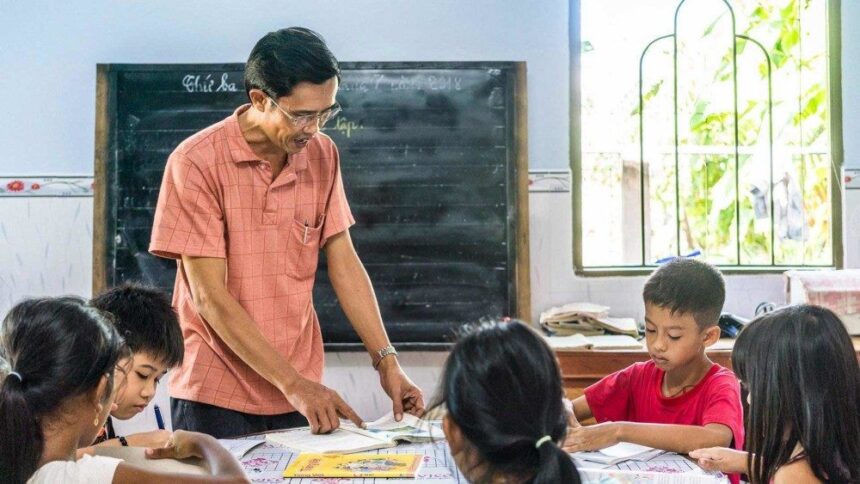
The relationship between education and poverty is a pivotal topic that warrants in-depth exploration. Access to education is not merely a right, but a necessary pathway for individuals and communities seeking to elevate themselves from the burdens of poverty. Education equips individuals with critical skills and knowledge, fostering economic opportunities that are essential for breaking the cycle of poverty.
Globally, the evidence is clear: those with higher levels of education tend to have increased earning potential. Educational attainment allows individuals to secure better-paying jobs, leading to improved living standards. Additionally, educated individuals are more likely to make informed choices regarding health, nutrition, and finances, further contributing to poverty reduction. This correlation is not confined to individual benefits; communities that value education tend to experience broader economic growth and social stabilization.
Furthermore, education serves as a crucial tool for empowerment, particularly among marginalized groups. It promotes gender equality and social inclusion, helping to rectify imbalances that contribute to persistent poverty in various contexts. When women and girls receive an education, their families and communities often experience tangible improvements in health and economic stability. Therefore, the ripple effects of educational access extend well beyond individual success.
In upcoming sections, this blog will delve deeper into specific aspects of how education acts as a multifaceted weapon against poverty. We will explore various case studies, effective educational programs, and the role of policy in supporting education as a fundamental means of poverty alleviation. Understanding how education intersects with economic opportunities is essential for developing comprehensive strategies to combat poverty on both local and global scales.
Understanding Poverty
Poverty is a complex and multifaceted issue that transcends the mere absence of financial resources. It encompasses a deprivation of basic human needs, which includes not only insufficient income but also a lack of access to vital services such as education, healthcare, and nutritious food. Understanding the various dimensions of poverty is crucial for comprehending its impact on individuals and communities.
Absolute poverty, for instance, refers to conditions where individuals are unable to meet the basic physical necessities of life, such as shelter, food, and clothing. This form of poverty is particularly prevalent in developing countries, where a significant portion of the population may live on less than $1.90 a day. On the other hand, relative poverty describes a situation where individuals or families may earn enough to meet essential needs but still lack the income to engage in society’s standards of living. This form often manifests in wealthier nations, leading to stark inequalities within urban and rural contexts.
Urban poverty typically occurs in metropolitan regions where, despite dense populations, residents often face high living costs and inadequate access to employment opportunities. Conversely, rural poverty is marked by a lack of access to essential services and infrastructure, limiting educational and economic opportunities for those living in less populated areas. Each type of poverty affects the capacity of individuals to pursue education, perpetuating a cycle that hinders progress and opportunity.
The intersection between education and poverty is particularly significant. Access to quality education can break the cycle of poverty, as it equips individuals with skills and knowledge to secure better employment and improve living conditions. Understanding the various forms of poverty, including their implications on educational opportunities, is vital for developing effective strategies designed to mitigate their adverse effects on society.
The Role of Education in Empowerment
Education serves as a powerful tool that can significantly empower individuals and communities, facilitating a pathway out of poverty. By providing students with essential knowledge and skills, education equips them to navigate the complexities of daily life and occupation. This empowerment extends beyond mere economic benefits; it fosters a profound sense of self-worth and agency among learners, enabling them to make informed choices about their lives.
As individuals acquire education, they often experience increased self-esteem and confidence. This psychological transformation is crucial, as it empowers people to envision a future free from poverty and take proactive steps towards achieving their goals. The foundation of literacy and numeracy allows individuals not only to seek better job opportunities but also to engage in social and political processes that can lead to broader societal improvements. Education cultivates critical thinking skills, enabling individuals to assess their surroundings and make decisions that better their quality of life.
Moreover, education has a ripple effect; educated individuals tend to prioritize the education of their children, thereby fostering a culture of learning within their families. This results in the breaking of the intergenerational cycle of poverty, as each subsequent generation benefits from the educational advancements of the previous one. Communities that prioritize education often exhibit reduced crime rates, better health outcomes, and increased civic participation, creating a more empowered society aligned with the social development goals.
In essence, the role of education in empowering individuals touches on various aspects of human life. It is not merely about acquiring knowledge, but also about developing the skills, attitudes, and confidence necessary to challenge and overcome the barriers associated with poverty.
Economic Benefits of Education
Education serves as a pivotal tool in alleviating poverty, chiefly by enhancing individuals’ economic prospects. Individuals who attain higher levels of education typically experience significantly greater earning potential than their less educated counterparts. According to various studies, the income disparity between those with a college degree and those without is substantial, often amounting to a difference of hundreds of thousands of dollars over a lifetime. This financial advantage arises from the fact that educated individuals usually have access to better job opportunities, leading to stable employment in diverse sectors.
Furthermore, the employment landscape increasingly favors those with educational qualifications. Many industries now require a minimum level of education, which can be seen in fields such as technology, healthcare, and engineering. Consequently, those who lack formal education may find themselves marginalized, struggling to secure well-paying, reliable jobs. The correlation between education and improved job prospects underscores education’s role as a catalyst for economic stability.
In addition to benefiting individuals, increased educational attainment fosters broader economic growth. A well-educated workforce encourages innovation and productivity, contributing to higher GDP levels. Countries with higher literacy rates and educational standards tend to exhibit more robust economic performance, demonstrating the societal advantages of prioritizing education. The economic ripple effect of education not only reduces poverty in individuals but also uplifts communities and nations by creating a more skilled labor force.
The impact of education on economic equality cannot be overstated. By enhancing access to training and professional development, educational initiatives play a crucial role in addressing income inequality. As more individuals gain qualifications, the economic divide narrows, leading to a more balanced and prosperous society. Education serves as a vital component in breaking the cycle of poverty, providing both the means for personal advancement and contributing to collective economic progress.
Education as a Tool for Social Mobility
Education has long been recognized as a crucial instrument for fostering social mobility. By acquiring knowledge and skills, individuals can enhance their employability and increase their earning potential, thus allowing them to escape the confines of poverty. Numerous studies corroborate the link between educational attainment and improved economic prospects. For instance, the U.S. Bureau of Labor Statistics highlights that individuals with higher education levels tend to have lower unemployment rates and significantly higher wages compared to those with only a high school diploma.
Case studies from various parts of the world exemplify this transformative power of education. In particular, programs designed to provide accessible education to marginalized communities have frequently yielded positive outcomes. For instance, the BRAC program in Bangladesh has successfully empowered women through educational initiatives, demonstrating a significant rise in female participation in the workforce as well as improvements in community health and economic standards. Educationally empowered individuals often turn into catalysts for change within their communities, establishing a virtuous cycle of growth.
Statistics also reinforce the narrative that education is crucial for social ascent. A study by the Organisation for Economic Co-operation and Development (OECD) illustrates that adults who completed tertiary education earn, on average, 56% more than those who did not finish high school. Furthermore, evidence suggests that each additional year of schooling results in an average income increase of approximately 10%. These findings further solidify the premise that education serves as a key entry point for those striving to improve their socio-economic status.
Through educational attainment, individuals can break free from the cyclical nature of poverty. By emphasizing the importance of equitable access to quality education, society can harness the transformative potential of knowledge, facilitating greater social mobility and ultimately contributing to poverty alleviation on a broader scale.
Barriers to Education
Access to education remains one of the most pressing challenges in impoverished communities, where various barriers hinder individuals from obtaining a quality education. One primary obstacle is the cost associated with education. In many low-income areas, families struggle to afford tuition fees, uniforms, books, and other essential materials required for schooling. This financial burden often leads to children dropping out of school or not enrolling at all, perpetuating the cycle of poverty.
Geographical location further complicates access to education. Rural communities, in particular, face significant challenges due to the distances to schools, inadequate transportation options, and lack of infrastructure. Children may have to walk long distances daily to reach educational institutions, which can be dangerous, especially for young girls. In such scenarios, the physical accessibility of schools becomes a critical factor that affects enrollment and attendance rates.
Cultural barriers also play a significant role in educational access. In some communities, traditional beliefs and values may prioritize child labor or early marriage over education, particularly for girls. These social norms can lead families to view education as a lower priority, impacting the potential for educational attainment within these populations. Furthermore, language differences and a lack of culturally relevant curricula can alienate students from minority backgrounds, making it more challenging for them to engage in the educational system.
Lastly, governmental policies can either facilitate or obstruct access to education. In regions where authorities do not prioritize education funding or development, schools may lack the necessary resources. Inadequate teacher training, insufficient classrooms, and outdated teaching materials can diminish the quality of education offered, thus discouraging attendance. Together, these barriers create a multifaceted challenge that requires targeted interventions to enhance educational opportunities for individuals in impoverished communities.
Case Studies from Around the World
Education serves as a pivotal mechanism for combating poverty, and numerous case studies around the globe showcase its profound impact. One such case study is from Bangladesh, where the establishment of non-formal education programs has yielded remarkable outcomes. In the late 1980s, BRAC, a non-governmental organization, initiated an innovative approach that catered to children from marginalised communities. By providing flexible hours and relevant content, these programs enabled countless children to access education, resulting in increased literacy rates and improved economic opportunities for families.
Similarly, in Kenya, the introduction of cash transfer programs linked to school attendance has proven effective in alleviating poverty. These financial incentives encourage families to send their children to school, significantly increasing enrollment rates, particularly among girls. Studies show that as education levels rise, families experience enhanced economic stability, leading to a ripple effect that benefits the wider community.
In India, the government’s midday meal scheme has also been a game changer in reducing poverty through education. By providing free meals in schools, it not only addresses child nutrition concerns but also increases attendance and retention rates. This program serves as an example of how integrating health and education initiatives can significantly improve educational outcomes and diminish poverty levels.
Additionally, the example of Finland showcases a holistic approach to education reform, wherein emphasis is placed on equal access to quality education. This has led to decreased socioeconomic disparities as well as improved overall educational achievements. Finnish students demonstrate that a well-rounded education system coupled with social equity leads to sustainable improvements in living standards.
Each of these case studies illustrates the multifaceted ways in which education initiatives can effectively reduce poverty. They also highlight the importance of tailored approaches that consider the unique socio-economic contexts of different regions. By investing in education, countries can foster economic growth and uplift entire communities.
The Role of Technology in Education
In recent years, the integration of technology in education has revolutionized learning environments, creating opportunities previously unavailable, particularly in underserved areas. Technology serves as a catalyst for enhancing educational accessibility and fostering engagement among learners. By utilizing digital tools, such as online learning platforms, students can access a wealth of educational resources that might otherwise be out of reach.
Online learning has become a pivotal aspect of modern education, especially in light of global events that necessitated remote instruction. Platforms like MOOCs (Massive Open Online Courses) provide learners with access to courses from prestigious institutions, allowing them to acquire knowledge and skills at their own pace. This flexibility is especially beneficial for individuals from low-income backgrounds, who may be balancing work or familial responsibilities alongside their studies. Furthermore, online resources often come at little to no cost, significantly reducing the financial barrier to education.
Additionally, educational apps and software have emerged as valuable tools that promote interactive learning experiences. These applications cater to various learning styles and capabilities, enabling personalized education pathways. For instance, language-learning apps or math practice tools provide immediate feedback and adaptive learning techniques, helping students master concepts effectively. The gamification of education through such tools also addresses motivation issues that many learners face, making the learning process more engaging.
Moreover, digital resources, such as e-books and online libraries, significantly augment traditional educational materials. Students in remote areas, who may have limited access to physical books or libraries, can utilize these digital resources to expand their knowledge bases and support their academic growth. The widespread availability of technology, therefore, not only democratizes access to quality education but also plays a crucial role in reducing poverty by equipping learners with the necessary skills to succeed in today’s economy.
Conclusion and Call to Action
As we have explored throughout this blog post, education plays a critical role in alleviating poverty and fostering sustainable development. It serves not only as a tool for personal advancement but also as a catalyst for social change. By equipping individuals with knowledge and skills, education enhances their employability, leading to better economic opportunities and improved quality of life. Moreover, it empowers communities to challenge the status quo, participate actively in societal governance, and advocate for their rights.
Investing in education is more than just a charitable act; it is a strategic approach to breaking the cycle of poverty. Research clearly indicates that countries with higher literacy rates tend to experience lower poverty levels and better health outcomes. This evidence underscores the importance of prioritizing educational initiatives, particularly in underprivileged areas, where access to quality schooling can significantly make a difference.
We encourage our readers to take action in support of educational efforts aimed at reducing poverty. This can include advocating for equitable education policies, donating to organizations that provide scholarships or learning resources, or volunteering in local educational programs. Every effort counts in the battle against poverty, and collective action can lead to transformative change.
By supporting education, we open doors to a brighter future for all, where individuals are empowered to rise above their circumstances and contribute positively to society. Let us commit to championing education as a fundamental right and a necessary investment in our collective future. Together, we can contribute to breaking the chains of poverty through the transformative power of education.