


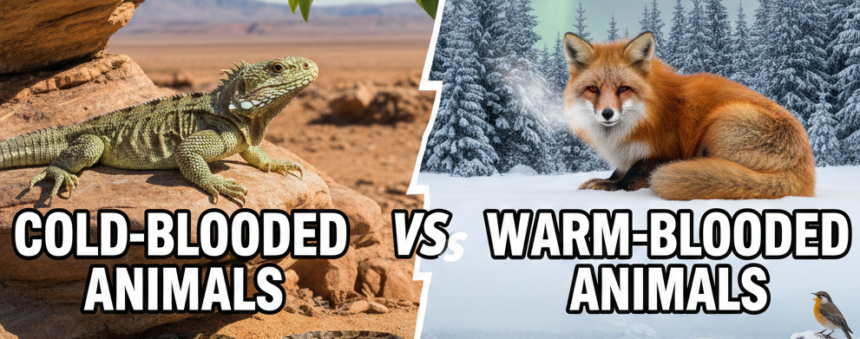
Animals come in all shapes, sizes, and temperatures. From the sunbathing lizard to the fur-clad bear, every creature has its unique way of managing body heat. But have you ever wondered how these animals adapt to their environments? The world of temperature regulation is fascinating and complex, particularly when we compare cold-blooded versus warm-blooded animals.
Cold-blooded creatures rely on external sources for warmth, while warm-blooded animals generate heat internally. This difference dramatically influences their behavior, habitat choices, and survival strategies. Join us as we dive into this captivating topic and uncover the secrets behind how these two groups maintain their body temperatures in a constantly changing environment!
The difference between cold-blooded and warm-blooded animals
Cold-blooded and warm-blooded animals represent two distinct approaches to life on Earth. Cold-blooded creatures, like reptiles and amphibians, rely heavily on external temperatures. Their body heat fluctuates with the environment, making them dependent on sunlight or shade for warmth.
Warm-blooded animals, such as mammals and birds, maintain a constant internal temperature regardless of outside conditions. This ability comes at a cost; it requires energy from food to regulate their body heat consistently.
The adaptability of cold-blooded species allows them to thrive in varying climates but limits their activity during extreme weather. In contrast, warm-blooded animals can remain active year-round but need more resources to support their metabolic processes.
These fundamental differences shape behaviors, habitats, and survival strategies across various ecosystems. Understanding these distinctions offers insight into the fascinating complexities of animal biology.
How cold-blooded animals regulate body temperature:
Cold-blooded animals, also known as ectotherms, rely heavily on external environmental conditions to regulate their body temperature. This dependence shapes their behavior and survival strategies.
One common behavioral adaptation is basking in the sun. Lizards often perch on warm rocks or surfaces to absorb heat during cooler parts of the day. Conversely, when the sun becomes too intense, they seek shade or burrow into cool ground.
Physiological adaptations play a crucial role as well. Some reptiles can change color based on temperature—darker shades absorb more sunlight for warmth, while lighter tones reflect it away when overheated.
These strategies highlight an intriguing balance between instinct and environment that cold-blooded creatures navigate daily. Each method allows them to thrive in varying habitats while managing energy efficiency effectively.
A. Behavioral adaptations (basking, burrowing, etc.)
Cold-blooded animals, or ectotherms, have fascinating strategies to manage their body temperature. One of the most common behaviors is basking in the sun. This allows them to absorb warmth and elevate their core temperature.
When temperatures soar, these creatures seek shade or burrow into cooler ground. Such actions help prevent overheating during sweltering days. It’s a clever way of balancing heat intake without expending energy.
Some species take it a step further by changing color. Darker shades can absorb more heat from sunlight, while lighter hues reflect it away when they need to cool down.
These behavioral adaptations are vital for survival. They showcase how adaptability plays a crucial role in thriving within various ecosystems despite fluctuating environmental conditions. Each decision made by cold-blooded animals illustrates an intricate dance with nature’s elements.
B. Physiological adaptations (shivering, changing color, etc.)
Physiological adaptations play a crucial role in how cold-blooded animals manage their body temperature. One fascinating method is shivering, which might seem counterintuitive for these creatures. When temperatures drop, some reptiles and amphibians can involuntarily contract their muscles to generate heat.
Color changes are another remarkable adaptation. Certain species can alter their skin pigmentation in response to environmental conditions. Darker colors absorb more sunlight, while lighter shades reflect it. This ability enables them to either soak up warmth or cool down effectively.
Moreover, some cold-blooded animals utilize metabolic adjustments. They may lower their metabolic rate during colder periods, conserving energy until the environment becomes more favorable again.
These physiological responses illustrate the incredible ways life adapts to thrive under varying conditions in nature’s vast tapestry.
How warm-blooded animals regulate body temperature:
Warm-blooded animals, also known as endotherms, maintain a constant body temperature regardless of their environment. This remarkable ability is largely regulated by the hypothalamus, a small region in the brain that acts like a thermostat.
When temperatures drop, the hypothalamus triggers responses to generate heat. These include shivering and increased metabolic activity. Shivering muscles contract rapidly, producing warmth through energy expenditure.
Insulation plays a crucial role too. Fur, feathers, and fat help trap body heat when it’s cold outside. When it’s hot, warm-blooded animals have other tricks up their sleeves.
Sweating or panting helps cool them down by promoting evaporative cooling. Moisture on the skin surface or in respiratory passages dissipates heat as it evaporates into the air. This complex interplay ensures they can thrive in various environments while maintaining internal stability.
A. Homeostasis and the role of the hypothalamus
Homeostasis is the body’s ability to maintain a stable internal environment despite external changes. For warm-blooded animals, this balance is crucial for survival.
The hypothalamus plays a central role in regulating body temperature. It acts as the body’s thermostat, sensing fluctuations and initiating responses to restore equilibrium. When temperatures rise, it signals sweat glands to produce moisture on the skin’s surface, promoting cooling through evaporation.
Conversely, when cold conditions strike, the hypothalamus triggers shivering and constricts blood vessels near the skin’s surface to conserve heat. This dual action allows warm-blooded animals to thrive in diverse climates.
Thanks to these sophisticated mechanisms, they can endure extreme environments while keeping their core temperature within an optimal range. This adaptability showcases nature’s brilliance in animal physiology.
B. Thermoregulation through insulation and sweating
Warm-blooded animals have a unique approach to maintaining their body temperature. They rely on complex systems that allow them to stay active and thrive in various environments, regardless of external conditions.
One key aspect is homeostasis, which involves the body’s ability to maintain stable internal conditions. The hypothalamus plays a crucial role in this process. It acts like a thermostat, receiving signals from sensors throughout the body about temperature changes. When it detects overheating or excessive cooling, it triggers responses that help regulate temperature effectively.
Insulation is another vital component for warm-blooded creatures. Fur, feathers, and fat layers provide protection against extreme temperatures. These insulating materials trap heat generated by metabolism and prevent it from escaping into colder surroundings.
Sweating is particularly interesting as well; it’s a mechanism used primarily by mammals when they need to cool down quickly. As sweat evaporates from the skin surface, it takes excess heat with it—a natural air-conditioning system! This efficient means of thermoregulation allows warm-blooded animals not only to manage their internal temperatures but also adapt seamlessly across diverse habitats.
Understanding how cold-blooded vs warm-blooded animals regulate body temperature showcases nature’s versatility and ingenuity. Each group has developed remarkable strategies suited for survival within its unique environment.