


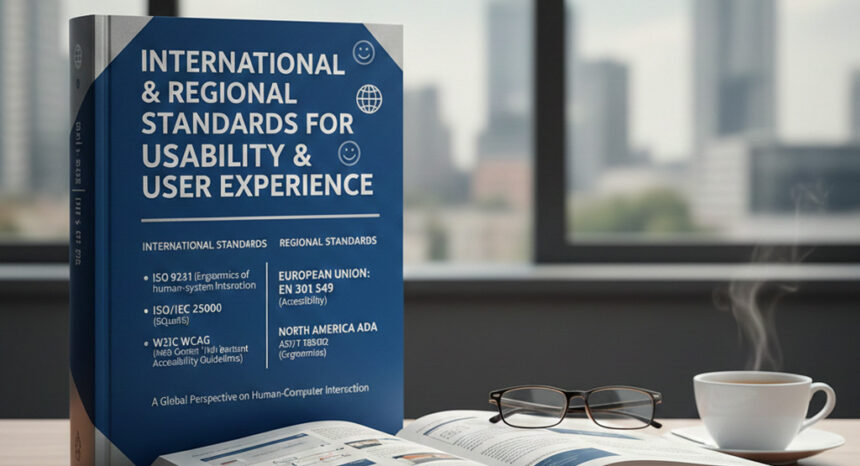
In today’s fast-paced digital world, where user expectations are at an all-time high, the importance of usability and user experience cannot be overstated. Whether you’re designing a website, developing an app, or creating any interactive product, the way users engage with your design can make or break its success. This is where international and regional standards come into play. They provide guidelines that help ensure your designs are not only functional but also enjoyable to use.
But why should you care about these standards? Well, they offer a roadmap for creating intuitive interfaces that resonate with users across various cultures and regions. Adhering to these established norms means fewer headaches down the line—think improved customer satisfaction and reduced development costs. So buckle up as we dive deep into understanding usability and user experience through the lens of global standards!
Understanding Usability and User Experience
Usability and user experience (UX) are often intertwined but represent distinct concepts. Usability focuses on how effectively users can navigate a product or service. It’s about ease of use, efficiency, and the ability to accomplish tasks without frustration.
User experience, on the other hand, is broader. It encompasses all interactions a person has with a brand or product—emotions included. UX involves aesthetics, accessibility, and even customer support experiences.
Both elements play crucial roles in shaping user satisfaction. A usable interface may allow quick navigation but might still fall short if it lacks emotional connection or aesthetic appeal.
Understanding these nuances helps designers create products that not only function well but also resonate emotionally with their target audience. This dual focus leads to stronger engagement and higher retention rates in an increasingly competitive landscape.
Importance of International and Regional Standards
Having a solid framework of international and regional standards is crucial for usability and user experience. These guidelines create a common language among designers, developers, and stakeholders, ensuring everyone is aligned.
Standards facilitate consistency across products and platforms. When users encounter familiar elements, they feel more at ease navigating various interfaces. This familiarity enhances overall satisfaction.
Moreover, adhering to these standards can help organizations reach global markets more effectively. By considering cultural nuances in regional guidelines, companies can tailor their offerings to meet diverse user needs while maintaining quality.
In addition, compliance with established norms often leads to better accessibility practices. Ensuring that all users have equal access is not just ethical; it’s also beneficial for expanding audience reach and improving brand reputation within the community.
International Standards for Usability and User Experience
International standards for usability and user experience provide a robust framework for creating products that resonate with users worldwide. The ISO 9241 series is one of the most recognized sets of guidelines, focusing on ergonomics in human-computer interaction.
These standards emphasize principles like effectiveness, efficiency, and satisfaction. By adhering to these criteria, designers can create intuitive interfaces that enhance user engagement.
Moreover, the adoption of international standards fosters consistency across platforms and devices. This consistency builds trust among users who expect similar experiences regardless of where they are or what device they use.
Organizations benefit from these frameworks by reducing development time and costs related to redesigns or fixes driven by poor usability. Aligning with established international norms not only elevates product quality but also boosts market competitiveness.
Regional Standards for Usability and User Experience
Regional standards for usability and user experience recognize the diverse needs of users in different areas. These guidelines are adapted to cultural contexts, languages, and social norms.
For instance, Europe emphasizes accessibility and inclusivity through regulations like the Web Content Accessibility Guidelines (WCAG). This ensures that digital products cater to persons with disabilities across various countries.
In contrast, Asian markets often prioritize mobile-first design due to the high prevalence of smartphone usage. Standards here focus on rapid loading times and seamless navigation tailored for touch interfaces.
Emerging regions may have their own set of criteria influenced by local practices. Understanding these nuances can significantly enhance user satisfaction and engagement.
By adopting regional standards, designers can create more relevant experiences that resonate with users’ expectations while also addressing specific challenges faced in particular locales.
How to Implement these Standards in Design and Development
Implementing usability and user experience standards starts with thorough research. Gather insights about your target audience. Understand their needs, preferences, and behaviors.
Next, integrate these findings into your design process. Create wireframes and prototypes that align with established guidelines. Use tools like usability testing to gather real-time feedback from users.
Incorporate accessibility features early in development. Ensure your designs cater to all users, including those with disabilities.
Regularly review and iterate on your work based on user interactions and feedback. This ensures continuous improvement in both usability and experience levels.
Also, foster a culture of collaboration among teams—designers, developers, and stakeholders should communicate openly throughout the project lifecycle to maintain focus on user-centered outcomes.
Challenges in Adhering to Standards and Solutions
Adhering to usability and user experience standards can be challenging for many organizations. One major hurdle is the lack of awareness or understanding of these standards among team members. This gap often leads to inconsistent practices in design and development.
Another challenge lies in balancing compliance with creativity. Striking a balance between innovative designs and adhering to established guidelines can feel restrictive at times. Designers might hesitate, fearing that following strict rules will stifle their creative expression.
Resource limitations also play a significant role. Smaller teams may struggle to allocate time or budget for training on these standards, leading them to overlook best practices.
To tackle these challenges, organizations can invest in training sessions that are engaging and relevant. Encouraging collaboration across departments fosters a culture where everyone understands the importance of usability standards while still allowing room for innovation.
Conclusion: The Benefits of Following Usability and User Experience Standards
Embracing usability and user experience standards presents a multitude of advantages for businesses, designers, and users alike. These standards act as guiding principles that ensure products are accessible, intuitive, and enjoyable to use.
When companies adhere to these guidelines, they foster trust with their customers. A product that is easy to navigate reduces frustration and enhances satisfaction. Users appreciate seamless interactions that feel natural and efficient.
Moreover, following established standards can lead to increased efficiency during the design process. Teams can streamline their efforts by utilizing best practices known to work well across various contexts. This not only saves time but also minimizes costly revisions later in development.
Additionally, compliance with international and regional standards opens doors for broader market reach. Products designed with these guidelines cater to diverse user needs while respecting cultural nuances. As a result, organizations benefit from wider acceptance in different markets.
Prioritizing usability isn’t just about meeting basic requirements; it’s about creating delightful experiences that resonate with users on a personal level. Businesses that invest in this aspect often find themselves ahead of competitors who overlook its significance.
The commitment to usability and user experience standards ultimately shapes better products—and happier users—leading toward long-term success.
Stanford Researcher Shows That a Posed Smile Can Improve Your Mood
Have you ever noticed how contagious a smile can be? It lights up a room and can turn anyone’s day around. But what if I told you that just the act of smiling—whether it’s natural or forced—can actually lift your spirits? A recent study from Stanford University dives deep into this fascinating phenomenon, revealing insights that might surprise you. In a world where stress and anxiety often take center stage, understanding the power of something as simple as a smile could be the key to improving our overall mood. Let’s explore how this small gesture holds immense potential for transforming not just our faces but also our minds!
The Power of a Smile
A smile is more than just a facial expression. It’s a universal sign of warmth and connection. When we smile, our brain releases feel-good hormones like dopamine and serotonin. These chemicals work wonders in elevating our mood.
Smiling can also influence how others perceive us. A genuine smile can foster trust and approachability, making social interactions smoother and more enjoyable.
Interestingly, the act of smiling doesn’t only impact those around us; it has profound effects on ourselves too. Even a forced smile can trick your mind into feeling happier.
In moments of stress or sadness, taking a moment to simply curve your lips upward might be all you need to shift your mindset dramatically. The power of that small gesture shouldn’t be underestimated—it creates ripples in both our emotional landscape and relationships with others.
Introduction to the Stanford Study
Researchers at Stanford University embarked on an interesting journey into the world of human emotions. They focused on a simple yet powerful action: smiling. The aim was to uncover whether the act of smiling could have a tangible effect on our mood.
Participants were asked to adopt different facial expressions, including a posed smile. This setup laid the groundwork for intriguing findings about how deliberately changing your expression can influence feelings.
What’s fascinating is that this study delved deeper than just surface-level observations. It aimed to understand the connection between physical actions and emotional responses, revealing insights that many might overlook in their daily lives.
The Research Process and Findings
Researchers at Stanford University embarked on a fascinating journey to uncover the effects of smiling. They designed an experiment that incorporated various participants, each tasked with holding different facial expressions.
Some were instructed to maintain a genuine smile while others adopted neutral or frowning faces. The goal was simple yet profound: observe how these expressions influenced their mood and emotional state.
Intriguingly, those who smiled reported feeling more positive emotions compared to their counterparts. This emotional shift occurred regardless of whether the smiles were forced or authentic.
The findings suggested that even a posed smile could trigger feelings of happiness. The brain seemed to respond positively to the action of smiling itself, creating a feedback loop that enhanced overall mood and well-being. This connection between facial expression and emotion opened new doors in understanding our mental health dynamics.
Benefits of Smiling
Smiling carries a treasure trove of benefits that go beyond mere appearance. It can instantly elevate your mood and create feelings of joy. When you smile, your brain releases feel-good chemicals like endorphins and serotonin.
These natural mood boosters not only enhance happiness but also reduce stress levels. A simple smile can lower cortisol, a hormone associated with stress, creating a more relaxed state of mind.
Beyond personal well-being, smiles are contagious. They foster connections with others and promote social interactions. This can lead to stronger relationships in both professional and personal settings.
Moreover, smiling enhances attractiveness. People often perceive those who smile as more approachable and friendly. This perception opens doors for new opportunities—whether it’s networking or making new friends.
The act itself is powerful; it strengthens the immune system too! Regularly smiling may even contribute to better health by improving overall resilience against illnesses.
Tips for Improving Your Mood with a Smile
Start your day with a smile in front of the mirror. It might feel silly at first, but it sets a positive tone for what’s ahead.
Try smiling while you walk. The simple act can shift your energy and attract more positivity around you.
When talking to friends or family, let that smile shine through. A genuine grin can spark joy not just for you but also for those around you.
In moments of stress, pause and take a deep breath. Then add a soft smile—it’s like telling your mind everything will be okay.
Consider incorporating laughter into your routine. Watch something funny or read jokes aloud; laughter combined with smiles amplifies the mood-boosting effects even more!
Share kindness with others; when someone smiles back at you, it’s contagious and uplifting all at once.
The Connection Between Smiling and Mental Health
Smiling does more than just express happiness; it plays a significant role in our mental health. Research shows that facial movements can influence emotional states. When you smile, even if it’s forced, your brain releases neurotransmitters like dopamine and serotonin.
These chemicals are known as “feel-good” hormones. They help reduce stress and improve overall mood. This simple act can create a positive feedback loop—smile to feel better, then feel better so you want to smile more.
Additionally, smiling has social benefits. It encourages connection with others and fosters a sense of belonging. Feeling connected is vital for mental well-being.
Even during tough times, bringing awareness to your smile can shift your perspective. It’s an easy tool at your disposal that requires no special skills or equipment—just the willingness to let it shine through!
Conclusion
The findings from the Stanford study open up exciting possibilities for anyone looking to enhance their mood. The simple act of smiling, whether genuine or posed, has been shown to trigger positive changes in our mental state.
Embracing this knowledge can be life-changing. Smiling is not just a reflection of happiness; it can also be a tool for cultivating joy and resilience in our daily lives. By practicing smiling more often—whether we feel like it or not—we can take active steps toward improving our overall well-being.
As you integrate more smiles into your routine, consider how they affect not just you but those around you as well. A smile has the power to create connections and uplift others, fostering an atmosphere of positivity wherever you go.
So give yourself permission to smile today and observe how it transforms your experience. Your mood may surprise you!