


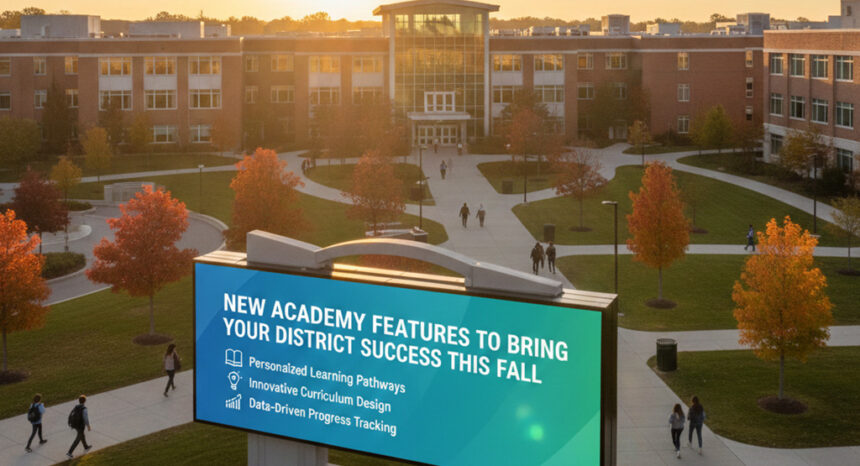
Introduction to the New Academy Features
As the new school year approaches, educators and administrators alike are gearing up for another season of learning and growth. But what if this fall could be different? What if your district had access to innovative tools designed specifically for today’s educational challenges? With the release of exciting new features in our Academy platform, districts now have the opportunity to enhance teaching methodologies and boost student engagement like never before. From customizable learning paths that cater to individual needs to advanced communication tools facilitating collaboration between teachers and students, these updates promise a transformative experience in the classroom. Get ready to explore how these game-changing features can set your district on a path toward success this fall!
Customizable Learning Paths for Students
Customizable learning paths are a game changer for students. Each learner has unique strengths and challenges, making one-size-fits-all approaches less effective. With these new features, educators can tailor content to meet individual needs.
Imagine a student struggling with math concepts but excelling in reading. Customizable paths allow teachers to adjust lessons, providing extra resources or alternative assessments where necessary. This targeted approach fosters growth and helps build confidence.
Moreover, students can take ownership of their own learning journey. They can choose topics that interest them or work at their own pace without feeling rushed or left behind.
Such personalization not only increases engagement but also encourages responsibility and independence among learners. As they navigate through customized options, students develop critical thinking skills that will serve them well beyond the classroom walls.
Enhanced Communication and Collaboration Tools for Teachers and Students
Effective communication is vital in any educational environment. The new Academy features enhance this aspect by providing intuitive tools for both teachers and students.
Imagine having a centralized platform where messages, assignments, and feedback flow seamlessly. With real-time chat options, educators can engage directly with their students. This fosters an open dialogue that encourages questions and clarifications.
Collaboration doesn’t stop there. Group projects become effortless with shared documents and virtual workspaces. Students can brainstorm ideas together, regardless of their physical locations.
Teachers also benefit from enhanced collaboration tools. They can easily share resources among colleagues or create joint lesson plans to enrich student experiences further.
These innovations not only strengthen relationships but also promote a culture of teamwork within classrooms—one where every voice matters and learning becomes a collective journey.
Data-Driven Analytics for Administrators
Data-driven analytics empower administrators to make informed decisions that enhance educational outcomes. By collecting and analyzing student performance data, districts can identify trends and areas for improvement.
Real-time dashboards provide insights into attendance, grades, and engagement levels. This information allows leaders to pinpoint where students may be struggling or excelling.
With these tools, administrators can tailor strategies based on actual data rather than assumptions. The result? More effective interventions designed to meet the unique needs of each student.
Moreover, predictive analytics can forecast future performance and help allocate resources more efficiently. Understanding which programs yield positive results enables districts to replicate success across schools.
This analytical approach fosters a culture of continuous improvement in education. Administrators become proactive leaders who drive meaningful change within their communities through strategic decision-making grounded in evidence.
Integration with Existing Learning Management Systems
Integrating new features with existing learning management systems (LMS) is crucial for a seamless transition. Schools often have established platforms that serve as the backbone of their educational processes.
The New Academy enhances compatibility, making it easier to implement without starting from scratch. This means less disruption during the academic year and more time focusing on teaching.
Teachers can pull resources directly from their LMS into custom learning paths. It allows for personalization while maintaining familiarity in navigation. Students benefit by having all their tools in one place, reducing confusion and enhancing engagement.
Data flows smoothly between systems, providing real-time updates on student progress. Administrators gain insights without juggling multiple platforms or interfaces, streamlining workflows across departments.
This integration encourages collaboration among educators, students, and administrators alike—creating an ecosystem where everyone works together efficiently towards success.
Benefits of Using New Academy Features in the Classroom
New Academy features offer a multitude of benefits for both teachers and students. One key advantage is personalized learning. With customizable learning paths, educators can tailor lessons to meet individual student needs, fostering greater engagement.
Enhanced communication tools streamline collaboration among peers and teachers. This means quicker feedback on assignments and an open channel for questions. Students feel more connected, which boosts motivation.
Data-driven analytics empower administrators with insights into student performance. They can identify trends and adjust strategies accordingly, enhancing overall academic success.
Integration with existing systems simplifies the transition process for schools. There’s no need to overhaul what’s already in place; instead, these new features complement current infrastructure seamlessly.
These innovations not only enrich the educational experience but also prepare students better for future challenges through tailored support and resources readily available at their fingertips.
Success Stories from Schools that have Utilized the New Academy Features
Schools across the nation are already experiencing remarkable transformations thanks to the new academy features. One standout example comes from Lincoln High School, where administrators reported a 20% increase in student engagement after implementing customizable learning paths.
Teachers at Maplewood Academy have also embraced enhanced communication tools. They found that collaborative projects became more streamlined, allowing students to connect seamlessly both inside and outside of the classroom.
At Crestview Middle School, data-driven analytics proved invaluable for decision-making. Educators utilized real-time insights to identify struggling students quickly and provide targeted support.
These success stories highlight how innovative tools can revolutionize educational experiences, fostering an environment where both teachers and students thrive together. Each story reflects unique challenges but shares one common outcome: improved performance across various metrics.
How to Implement the New Academy Features in Your District
Implementing the new Academy features in your district is a straightforward process when approached strategically.
Start with a clear plan. Gather input from teachers, administrators, and even students to identify specific needs. This collaboration ensures everyone feels involved and valued.
Next, provide training sessions tailored to various user levels. While some staff may be tech-savvy, others might need extra support. Offering ongoing workshops can help ease any concerns.
Pilot programs are also beneficial. Choose a few classrooms to test the features before a full rollout. Collect feedback during this phase for continuous improvement.
Additionally, ensure that integration with existing systems is seamless. Collaborate closely with IT teams for technical support and troubleshooting.
Promote open communication throughout the implementation process so users feel comfortable sharing their experiences and suggestions as they adapt to these innovative tools.
Conclusion
As districts prepare for another academic year, embracing the new academy features can significantly enhance the learning experience. The customizable paths allow students to engage with content that suits their individual needs, fostering a sense of ownership over their education.
Teachers benefit from improved communication tools, making it easier to collaborate and share resources effectively. For administrators, data-driven insights provide a clearer picture of student performance and engagement metrics, enabling informed decisions tailored to each school’s unique challenges.
Integrating these innovations with existing systems streamlines operations while keeping everyone connected. Success stories from various schools highlight how adopting these features has transformed classrooms into dynamic learning environments filled with inspiration and growth.
Implementing these enhancements may seem daunting at first but can be achieved through strategic planning and training. Supporting educators in this transition ensures they feel confident utilizing all available tools for maximum impact on student success.
Embracing these advancements will not only promote a more effective educational landscape but also empower every stakeholder involved—from students to teachers to administrators—ultimately leading towards greater district success this fall and beyond.