
Introduction to Education and Personal Development
Education plays a pivotal role in shaping an individual’s personal development, serving not just as a means of acquiring knowledge, but also as a vehicle for self-discovery and growth. While formal education typically takes place within structured environments such as schools and universities, informal education encompasses a broader range of experiences, including self-directed learning, community involvement, and life experiences. Both forms are crucial in fostering the skills and attributes essential for an individual’s overall development.
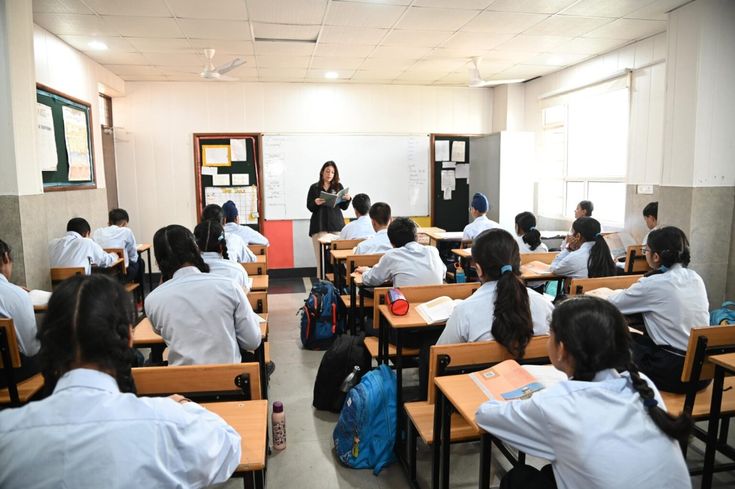
In a formal setting, education provides individuals with theoretical knowledge and critical thinking skills. Through structured curricula, students are exposed to various disciplines, allowing them to develop a comprehensive understanding of the world. This knowledge empowers them to make informed decisions, solve problems, and pursue personal interests and career goals. In contrast, informal education arises from everyday interactions and practical experiences that help shape one’s character and values. These experiences may include mentorship, volunteer work, or even personal hobbies that cultivate attributes such as resilience, empathy, and social awareness.
The intersection of education and personal development is evident in how individuals apply what they learn to their lives. For instance, those who engage in continuous learning—whether through further education or self-study—often exhibit a commitment to self-improvement. This growth mindset fosters adaptability, creativity, and a proactive approach to challenges, all of which are vital in navigating the complexities of life. Moreover, education instills the importance of lifelong learning, encouraging individuals to remain curious and responsive to change throughout their lives.
Through its various forms, education significantly contributes to personal development by not only enhancing knowledge and skills but also by shaping attitudes and values essential for personal and professional success.
The Importance of Lifelong Learning
Lifelong learning is a crucial aspect of personal development and growth. In an ever-evolving world, the necessity to adapt and acquire new knowledge is more important than ever. Continuous education offers individuals the opportunity to not only enhance their skills but also broaden their perspectives, thereby facilitating ongoing personal development. This can take various forms, including self-study, online courses, and workshops.
Self-study allows individuals to tailor their learning experiences according to their interests and needs, promoting independence in the educational process. Utilizing resources such as books, articles, and educational videos, individuals can delve into subjects that fascinate them, thereby fostering intellectual curiosity. The accessibility of online courses has transformed the landscape of education; platforms like Coursera, edX, and Udacity provide individuals with the chance to learn from esteemed institutions at their own pace. This flexibility encourages learners to take charge of their education and engage with a diverse range of topics.
Workshops and seminars also play a significant role in lifelong learning by providing interactive and collaborative learning experiences. These gatherings offer opportunities to network with peers and professionals, fostering environments where knowledge and ideas can be shared effectively. Participation in such events not only enhances existing skills but also introduces participants to innovative concepts and practices relevant to their fields.
Remaining intellectually engaged throughout life supports not only professional growth but also personal satisfaction. Lifelong learners exhibit greater adaptability and resilience, characteristics that are essential in navigating the complexities of modern life. Engaging in continuous education empowers individuals to face new challenges with confidence, ultimately enhancing their overall quality of life.
Education plays a pivotal role in fostering both hard and soft skills essential for personal development. Hard skills, which refer to specific and teachable abilities such as coding, mathematics, and graphic design, are cultivated through structured educational experiences. These skills are often measurable and can be directly applied to various professional contexts. For instance, a student who learns programming languages in a formal educational setting can utilize this knowledge to develop software, thereby enhancing employability in the technology sector.
On the other hand, soft skills such as communication, teamwork, and problem-solving are equally critical for personal and career advancement. These skills are often developed in group projects, discussions, and presentations within educational environments. By engaging in collaborative learning, individuals learn to articulate their ideas clearly, negotiate effectively, and work harmoniously with others. This development of interpersonal skills is increasingly important in today’s work environment, where teamwork and collaboration are vital for organizational success.
The integration of hard and soft skills achieved through education not only equips individuals with the technical competencies required for their careers but also enhances their adaptability in a rapidly changing job market. As industries evolve, the ability to communicate, collaborate, and think critically becomes just as important as technical knowledge. Therefore, investing in education not only prepares individuals for job-specific skills but also provides them with a comprehensive skill set that is crucial for navigating their professional journeys.
Ultimately, the skills acquired through education serve as a foundation for personal growth and career development, supporting individuals in achieving their professional aspirations.
Building Confidence and Self-Esteem
Education plays a pivotal role in the development of confidence and self-esteem, serving as a foundational element in personal empowerment. As individuals engage in the learning process, they acquire knowledge and skills that enhance their sense of competence. This accumulation of knowledge not only informs decision-making but also provides a framework for personal achievement. The more aware individuals become of their capabilities, the more confidence they tend to develop.
Within educational settings, students are provided with numerous opportunities to excel. Participating in class discussions and extracurricular activities fosters a sense of belonging and achievement. As students navigate challenges, whether academic or social, they cultivate resilience and self-worth. Achieving educational milestones—such as completing assignments, passing exams, or mastering new skills—reinforces a positive self-image and enhances their motivation to pursue further goals.
Moreover, positive reinforcement from educators and peers can significantly impact a person’s self-esteem. When individuals receive acknowledgment for their efforts, it affirms their capabilities and encourages further engagement. This not only aids in building confidence but also instills a lifelong love for learning, as individuals recognize that their contributions are valued. In contrast, negative experiences in education can impair self-esteem, highlighting the importance of supportive educational environments.
Ultimately, the interplay between education and personal development is crucial. As individuals develop knowledge and achieve educational objectives, they inherently build confidence and self-esteem. The skills acquired in educational settings extend beyond the classroom and play a vital role in shaping individuals who are not only knowledgeable but also self-assured and prepared to face the world with determination.
Expanding Perspectives and Social Awareness
Education plays an instrumental role in broadening individual perspectives and enhancing social awareness. By engaging with diverse cultures, ideas, and societal issues, education fosters an environment where empathy and critical thinking can flourish, both of which are fundamental for personal development. Through curricula that include literature, history, and social sciences, students gain insights into various human experiences and cultural backgrounds, enabling them to appreciate differences and recognize commonalities.
When individuals are exposed to different viewpoints and life experiences, they are better equipped to understand and relate to others. This understanding is crucial in an increasingly interconnected world, where global issues necessitate collaboration and open-mindedness. Discussions in classrooms often encourage students to engage with topics that challenge their preconceived notions, promoting a culture of critical thinking. This critical engagement not only cultivates a deeper understanding of the material but also nurtures a more informed and socially aware individual.
Furthermore, education often includes community service and outreach programs, which provide direct exposure to societal challenges. Such experiences help individuals grasp the complexities of social issues, from economic disparities to cultural conflicts. By working alongside diverse groups, learners develop not only practical skills but also a sense of responsibility and a commitment to making positive contributions to society.
Ultimately, education is a powerful catalyst for expanding one’s worldview and fostering social awareness. It equips individuals with the tools to navigate complex societal landscapes, challenging them to think critically and empathize with others. These skills are essential in promoting personal growth and understanding the broader social fabric in which we live. The role education plays in shaping informed, compassionate, and proactive individuals is indispensable for fostering a more equitable and inclusive society.
Networking Opportunities and Relationships
Education serves as a pivotal platform for establishing networking opportunities and fostering relationships that contribute significantly to personal development. Within educational institutions, individuals find themselves surrounded by peers, instructors, and industry professionals, creating a rich tapestry of potential connections. These environments encourage social interactions that often extend beyond academic engagements, facilitating the formation of friendships and professional networks.
One of the critical roles of educational settings is to bring together diverse groups of individuals from various backgrounds and disciplines. This diversity enhances the learning experience and provides a unique landscape for personal growth. Engaging with individuals who possess different perspectives can inspire innovative ideas and approaches, empowering students to develop a broader worldview and greater social skills. As students collaborate on projects, participate in group discussions, or attend networking events, they cultivate relationships that may evolve into long-term friendships or professional partnerships.
Moreover, educational programs often include networking events, workshops, and career fairs tailored to connect students with potential employers and industry leaders. These events are instrumental in bridging the gap between educational experiences and the workforce. Through such encounters, students gain insights into their chosen fields, discover internship opportunities, and even secure job placements. Such experiences enhance their career readiness while simultaneously reinforcing the importance of interpersonal relationships in achieving personal and professional goals.
In summary, the role of education in fostering networking opportunities cannot be overstated. It not only allows individuals to build meaningful connections but also plays a crucial part in personal development by equipping them with essential skills, experiences, and relationships that extend well beyond the classroom.
Resilience and Adaptability Cultivated by Education
Education serves as a fundamental pillar in fostering resilience and adaptability in individuals. It is through the structured challenges presented in educational settings that students learn vital coping mechanisms and develop an ability to overcome obstacles. The nature of educational experiences often involves navigating varied subjects, encountering complex problems, and facing competitive environments. These elements collectively cultivate an individual’s capacity to respond effectively to adversity.
One of the ways education enhances personal resilience is by exposing students to diverse perspectives and ideas. Encountering new information and differing viewpoints encourages critical thinking, prompting individuals to reassess their beliefs and adapt their understanding accordingly. This process not only builds cognitive flexibility but also equips learners with the necessary skills to manage change and uncertainty in their lives.
Additionally, formal educational environments often present opportunities for collaborative learning. Working with peers on projects or engaging in group discussions allows students to confront challenges collectively. This teamwork reinforces the importance of support systems and teaches individuals how to seek assistance during difficult times. Such social interactions are vital in cultivating emotional resilience as they foster a sense of belonging and interconnectedness.
Moreover, educational programs frequently incorporate failure as part of the learning experience. Emphasizing that setbacks are not indicative of personal shortcomings but rather stepping stones to success encourages students to persevere through difficulties. This perspective instills resilience, motivating students to embrace challenges and persist until they achieve their goals.
In summary, the role of education in fostering resilience and adaptability is profound. By presenting challenges and opportunities to learn collaboratively, education equips students with the tools necessary to navigate the complexities of life, ultimately enhancing their personal development and readiness for future hardships.
The Role of Mentorship in Education
Mentorship plays a pivotal role in the educational landscape, serving as a cornerstone for personal development among learners. The guidance provided by mentors can significantly shape students’ experiences, foster intellectual growth, and influence their future career paths. In educational settings, mentors are often experienced individuals who provide wisdom, support, and encouragement, creating an environment conducive to learning and self-improvement.
One of the primary benefits of mentorship is the personalized attention students receive. Unlike traditional classroom settings where teachers may be overwhelmed by multiple students, mentors often dedicate time to explore a mentee’s unique strengths and weaknesses. This relationship encourages open communication, allowing mentees to express their aspirations, fears, and challenges. Such transparency can lead to tailored guidance, enabling students to make informed decisions about their educational and career options.
Additionally, mentors serve as role models, exemplifying qualities such as resilience, integrity, and commitment. This exposure can greatly enhance a learner’s personal development by instilling values and work ethics that are essential in both personal and professional settings. As students observe their mentors navigating challenges, they learn to adopt similar strategies, fostering a growth mindset that prepares them for the complexities of the real world.
Moreover, mentorship often extends beyond academic guidance. Mentors can help mentees build valuable networks, opening doors to internships, job opportunities, and further education. Such connections are crucial in today’s competitive job market, as they often provide an edge that can lead to career advancement. Thus, the relationship built between mentors and mentees is more than just an academic association; it significantly influences personal growth and future success.
Conclusion: The Overall Impact of Education on Personal Development
Education plays a crucial role in personal development, serving as a foundation for individuals to build upon throughout their lives. It fosters critical thinking, equips learners with essential skills, and enhances both personal and professional growth. The transformative power of education cannot be overstated; it enriches the mind and opens doors to new opportunities that may not have been accessible otherwise.
Throughout the article, we have explored various aspects of how education contributes to personal development. From the way it cultivates self-awareness and confidence to its influence on social and emotional growth, each facet emphasizes the importance of a continuous learning mindset. Moreover, education enables individuals to overcome challenges and adapt to the ever-changing world, highlighting its vital role in shaping not only knowledgeable but also resilient individuals.
As we reflect on the essential nature of education, it is important for readers to understand that it is not merely a formal process confined to classrooms. It encompasses lifelong learning through informal experiences, professional training, and self-directed study. Embracing educational opportunities, regardless of their nature, can significantly enrich one’s life and contribute to achieving personal goals.
In recognizing that education serves as a lifelong journey rather than a finite destination, individuals are encouraged to seek out new avenues for growth. Whether through enrolling in courses, attending workshops, or engaging with diverse communities, the pursuit of knowledge remains a powerful tool for personal development. By prioritizing education, individuals can enhance their skills, broaden their perspectives, and ultimately transform their lives for the better.