
Introduction to Educational Paradigms
Education has been a fundamental aspect of human society, evolving from age-old practices to contemporary methodologies that reflect the needs of modern learners. The concept of education encompasses the various ways in which knowledge, skills, and ethical values are transmitted from one generation to another. It serves not only as a means of personal development but also as a framework for social cohesion and progress.
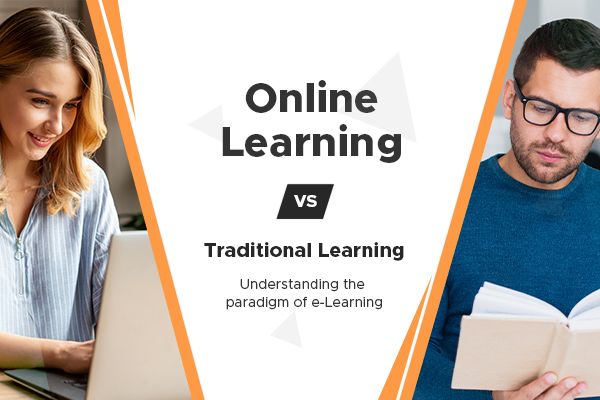
Traditional education, which primarily refers to the historical methods of teaching that emphasize instructor-led instruction, rote memorization, and standardized curricula, has been the foundation of educational systems across the world for centuries. This model often involves a structured environment where teachers deliver content directly to students, who are expected to absorb and reproduce this information. The focus is largely on core subjects, with a strong emphasis on examinations that gauge students’ understanding through measurable outcomes.
On the other hand, modern education represents a shift towards more dynamic and inclusive approaches. This paradigm, which has gained traction in recent decades, embraces diverse teaching methods including project-based learning, experiential education, and collaborative problem-solving. Modern educational practices leverage technology and adaptive learning to cater to individual student needs, thereby promoting critical thinking and creativity. The goal is not only to impart knowledge but to cultivate skills that prepare learners for an ever-changing world.
As we explore the characteristics and methodologies of these two distinct educational paradigms, we highlight their impact on learners. Understanding the differences between traditional and modern education allows us to appreciate the ongoing transformation within educational systems and the implications for future generations.
Characteristics of Traditional Education
Traditional education systems are often characterized by a structured environment, where classrooms are organized with a clear hierarchy. In this model, the teacher assumes a central role as the primary source of knowledge. This teacher-centered approach emphasizes direct instruction, where educators deliver content and students are expected to absorb information. The focus remains largely on the transmission of established facts rather than promoting critical thinking or collaborative learning.
One defining feature of traditional education is its standardized curriculum. Most traditional institutions adhere to predetermined syllabi, covering specific subjects with little room for deviation. This rigidity ensures that all students receive the same foundational knowledge, which can be beneficial in terms of ensuring equality of access to information. However, this aspect can also lead to limitations, as it may not cater to the diverse needs and interests of students.
Rote memorization is another essential characteristic of traditional education. In many cases, students are encouraged to memorize information to prepare for exams, rather than understanding concepts or engaging in practical application. While this method can lead to high test scores, it often fails to foster genuine comprehension or retention of material over the long term.
While traditional education can provide a solid foundation in core subjects, it also presents several disadvantages. The top-down teaching style can stifle creativity and critical thinking, which are increasingly valued in today’s dynamic workforce. Furthermore, an over-reliance on memorization can hinder the development of analytical skills, as students may learn to recall information without truly understanding its context.
Characteristics of Modern Education
Modern education is characterized by its student-centered approach, which prioritizes the individual learning needs and interests of students. Unlike traditional methods that often focus on rote memorization and standardized testing, modern educational practices encourage active participation and engagement. This shift empowers students to take ownership of their learning journey, allowing for a more personalized and impactful educational experience.
Another critical aspect of modern education is the integration of technology into the learning process. The use of digital tools and resources has transformed the educational landscape, making learning more accessible and interactive. Technology facilitates a variety of learning opportunities, such as online courses, educational apps, and collaborative platforms that connect students and educators across the globe. This technological integration enables students to develop essential skills, such as digital literacy, which are increasingly important in today’s job market.
The emphasis on critical thinking and creativity is where modern education truly sets itself apart. Contemporary curricula focus on developing students’ analytical skills and encouraging innovative problem-solving approaches. Instead of simply repeating information, students are challenged to think critically about the material, engage in discussions, and undertake projects that require creative solutions. This proactive learning style nurtures a generation of thinkers fluent in adapting to the complexities of modern society.
Overall, by catering to diverse learning styles, modern education fosters an environment where every student can thrive. Educators are increasingly adopting strategies that recognize the unique strengths and weaknesses of each learner, ultimately preparing them to tackle contemporary challenges with confidence and creativity. As a result, modern education not only enhances academic abilities but also equips students with the necessary skills to succeed in an ever-evolving world.
Comparison of Teaching Methods
The pedagogical approaches employed in traditional and modern education reveal significant differences in their effectiveness and impact on student engagement. Traditional education primarily relies on lectures, where instructors convey information in a structured format, often utilizing textbooks as the central resource. This method emphasizes rote memorization and knowledge acquisition, which can lead to limited interaction between students and teachers. As a result, students often find themselves passive recipients of information, potentially hindering deep understanding and critical thinking.
In contrast, modern education incorporates a variety of interactive teaching methods, including collaborative discussions and hands-on learning activities. This approach encourages student participation and fosters a more dynamic learning environment. By promoting dialogue and active engagement, modern teaching methods aim to cultivate critical thinking skills and facilitate deeper comprehension of subject matter. Students are encouraged to explore concepts, ask questions, and work together on projects, which enhances not only their understanding but also their social skills.
Research indicates that the choice of teaching method significantly influences knowledge retention among students. While traditional lectures may result in high initial recall of facts, studies suggest that students engaged in discussions or collaborative exercises tend to retain information more effectively over the long term. Furthermore, modern educational practices often utilize technology, which can provide a more enriching learning experience through multimedia resources and interactive platforms. In essence, while traditional education has its merits in terms of structured learning, the flexibility and engagement offered by modern teaching methods are increasingly recognized as advantageous for cultivating a deeper understanding and a more relevant skill set in today’s diverse educational landscape.
Impact of Technology in Education
In recent years, technology has profoundly influenced various sectors, and education is no exception. The integration of digital tools and online resources has fundamentally transformed the educational landscape, enhancing both accessibility and flexibility for learners of all ages. The advent of e-learning platforms has revolutionized the traditional classroom setting, allowing students to engage with their studies from virtually anywhere in the world.
One significant advantage of technology in education is the provision of diverse learning resources. Through multimedia presentations, interactive simulations, and online libraries, students can access a wealth of information that would be impractical in a conventional learning environment. This variety not only caters to different learning styles but also fosters a more dynamic approach to education, where learners can explore subjects at their own pace.
Moreover, the use of technology facilitates personalized learning experiences. Adaptive learning systems analyze individual student performance and tailor educational content to meet their specific needs. As a result, educators can offer targeted support, ensuring that each student can progress effectively—a feat that may be challenging in a traditional classroom setting where one teaching method must serve a diverse group of learners.
In addition to enhancing instructional methods, technology has made education more accessible. Online courses and educational resources have broken down geographical barriers, enabling individuals who may have faced obstacles due to distance or socio-economic factors to pursue their learning goals. This democratization of education cultivates an inclusive environment where everyone has the opportunity to succeed.
Overall, the impact of technology on education cannot be overstated. Through its various applications, it fosters innovation, enhances accessibility, and provides tailored learning experiences that cater to individual needs. As the education sector continues to evolve, the role of technology remains pivotal in shaping an effective and inclusive learning environment for the future.
The Role of Educators in Both Systems
The role of educators has undergone a significant transformation from traditional to modern educational systems. In traditional education, the educator primarily functions as a provider of knowledge, delivering information through lectures and direct instruction. This one-way transmission of knowledge places heavy emphasis on rote memorization and repetition, resulting in passive learning environments where students are often discouraged from engaging critically with the material.
In contrast, modern education embraces a more interactive and participatory approach, with educators assuming the role of facilitators of learning. In this framework, teachers guide students through complex problem-solving and collaborative activities that encourage critical thinking, creativity, and independent learning. The dynamic between educators and students shifts from a hierarchical structure to a more egalitarian relationship, where students are empowered to take an active role in their own education.
This evolution reflects broader societal changes that value collaboration and innovation over conformity. Educators in modern classrooms are tasked not only with imparting knowledge but also with inspiring and motivating students to explore diverse perspectives and develop a lifelong love of learning. They employ diverse teaching strategies, harness technology, and create inclusive environments that cater to various learning styles. This pedagogical shift allows for a more comprehensive educational experience, fostering skills necessary for success in an increasingly complex and interconnected world.
In conclusion, the role of educators is pivotal in shaping the learning experience in both traditional and modern settings. While traditional educators often focused on knowledge transmission, modern educators foster critical and independent thinking, indicating a profound change in educational philosophy and practice. This evolution signifies a deeper understanding of learning as a collaborative and transformative process rather than a mere transfer of information.
Assessing Effectiveness: Learning Outcomes
In evaluating the effectiveness of traditional and modern education, it is crucial to look into various learning outcomes that influence a student’s overall development. Traditional education often emphasizes rote memorization and standardized testing, which may result in students attaining high grades but lacking critical thinking skills necessary for real-world applications. On the other hand, modern education seeks to promote critical thinking, creativity, and problem-solving abilities through collaborative projects, discussions, and hands-on activities.
The academic performance of students in both paradigms serves as one metric of effectiveness. Traditional education systems often yield desirable results in structured assessments, leading to higher graduation rates in certain subjects. However, contemporary educational models advocate for assessments that analyze understanding rather than mere retention of facts. By fostering a deeper comprehension of subject matter through project-based learning, students may develop competencies that are more applicable in their future careers.
Another important aspect to consider is preparation for real-world applications. Employers often express a desire for candidates who possess not only academic qualifications but also soft skills, such as teamwork, communication, and adaptability. These attributes are more frequently nurtured within modern educational settings. Opinions on this topic vary; students may feel unprepared for the challenges of adult life despite excelling under traditional methods, while educators might argue that modern approaches, despite their complexities, equip students with essential skills.
Parents play a critical role in this dialogue, often observing outcomes from their children’s educational experiences. Feedback from parents can illustrate the perceived gaps or strengths in either education style. Thus, a holistic assessment of effectiveness not only considers academic results but also the overarching life skills that students acquire as they navigate their education.
Challenges of Each Educational System
Both traditional and modern education systems present unique challenges that can impact the learning experience for students. In traditional education, one of the primary challenges is the inflexible curriculum. This rigidity often fails to accommodate diverse learning styles and paces, leaving some students disengaged or falling behind. The reliance on standardized testing further exacerbates this issue, as it emphasizes rote memorization over critical thinking and problem-solving skills.
Another significant challenge within traditional education involves resource limitations. Many institutions struggle with inadequate funding, which can lead to overcrowded classrooms, outdated materials, and insufficient access to technology. This lack of resources can hinder teachers’ abilities to provide a comprehensive education, affecting student outcomes and opportunities for personal growth.
On the other hand, modern education, characterized by its emphasis on digital learning and technology integration, faces its own set of challenges. One critical issue is the digital divide, where students from lower socioeconomic backgrounds may lack access to necessary devices and reliable internet connections. This divide can result in disparities in educational opportunities and limit the overall effectiveness of modern pedagogical approaches.
Additionally, the rapid pace of technological advancements contributes to overstimulation among students. With an abundance of information and numerous distractions available online, students may struggle to focus and engage deeply with the material being presented. This environment can lead to decreased retention of information and a superficial understanding of complex subjects.
In conclusion, both traditional and modern educational systems have their challenges, affecting the delivery of quality education and the overall success of students. Addressing these issues is crucial in refining educational approaches and ensuring equitable access to learning for all students.
Conclusion: Finding a Balanced Approach
As we explore the dynamics of traditional versus modern education, it becomes evident that each system presents unique advantages and limitations that merit attention. Traditional education, with its structured curriculum and emphasis on foundational knowledge, has been a cornerstone in nurturing critical thinking and discipline among learners. Conversely, modern education advocates for a more flexible and technology-integrated approach, fostering creativity, collaboration, and individualized learning experiences.
In synthesizing these perspectives, it is crucial to advocate for a balanced approach that integrates the strengths of both educational philosophies. This hybrid model could potentially draw from traditional frameworks to ensure that learners develop essential skills while simultaneously embracing modern methodologies that encourage innovation and adaptability. For instance, blending hands-on learning experiences with structured assessments can provide a comprehensive educational practice that caters to diverse learning styles.
Furthermore, as we navigate the complexities of contemporary education, it is vital to engage in ongoing dialogue among educators, policymakers, and communities to address the evolving needs of learners. Emphasizing collaboration and openness to reform can lead to an adaptive educational system that prepares students for the challenges of the future.
In conclusion, striking the right balance between traditional and modern education could ultimately serve the best interests of students, fostering an environment where they can thrive intellectually, socially, and emotionally. Embracing change while valuing time-tested educational principles may result in a richer, more effective educational experience for generations to come.