


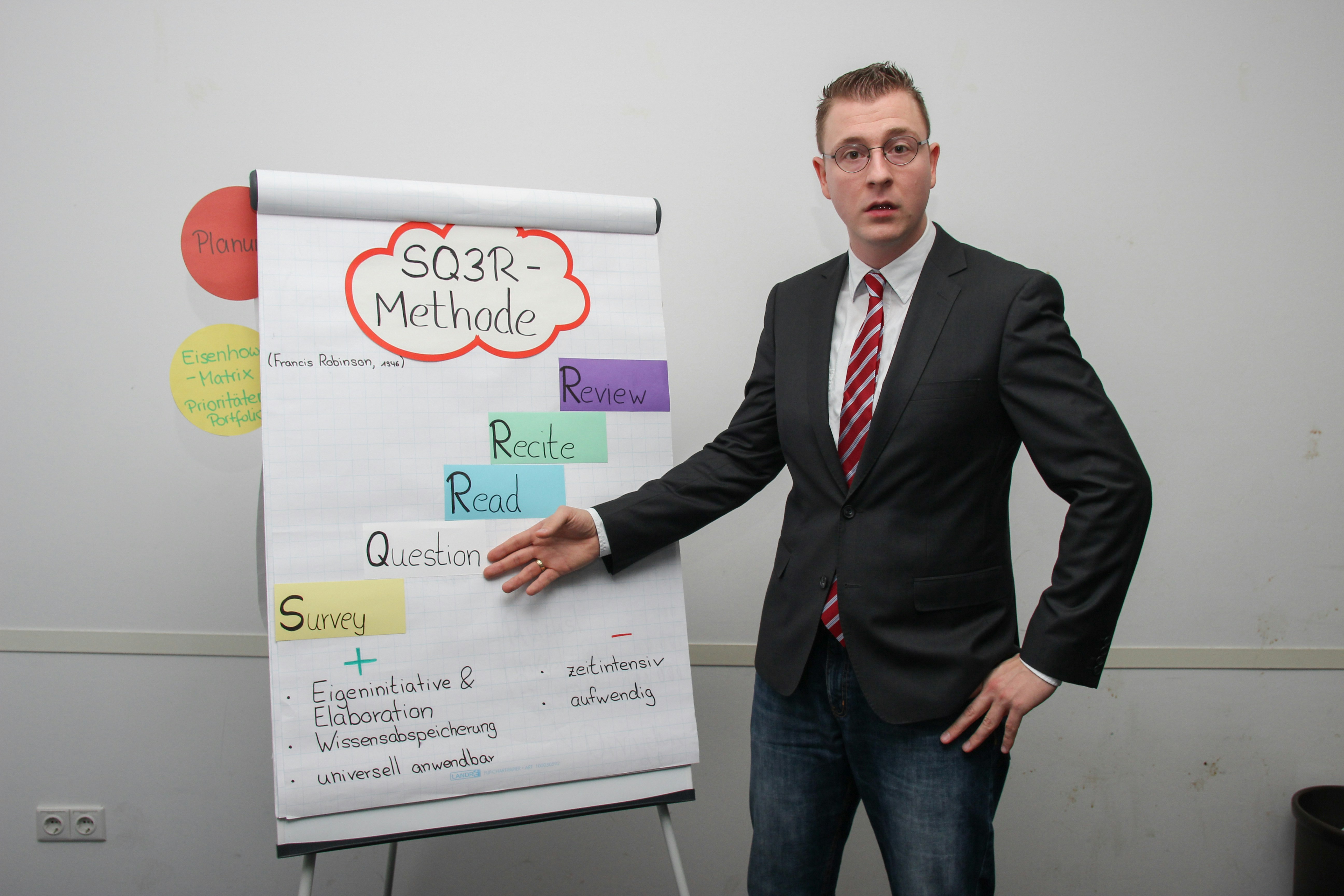
Understanding the Science of Learning
The process of learning is a complex mechanism involving multiple cognitive functions of the brain which affect how we acquire, retain, and recall information. A foundational concept in this domain is neuroplasticity, the brain’s remarkable ability to reorganize itself by forming new neural connections throughout life. This adaptive capacity is essential for learning faster since it allows our brains to adapt to new information and experiences, making it easier to integrate and recall what we have learned.
Memory formation is another critical aspect of the learning process. It occurs in several stages including encoding, storage, and retrieval. During encoding, the brain transforms information into a format that can be stored, integrating it with existing knowledge. Storage involves maintaining that information for use over time, while retrieval is the ability to access this stored information when needed. Understanding these stages can enhance learning techniques; for instance, utilizing techniques such as spaced repetition or visual imagery can significantly improve memory retention.
The role of attention in learning cannot be overlooked, as it directly influences how well information is processed. Attention serves as a filter that helps focus cognitive resources on the most pertinent information, ensuring that it is efficiently encoded into memory. Distractions can lead to divided attention, negatively impacting learning speed and retention. Thus, strategies that enhance concentration, such as setting specific learning environments or employing mindfulness practices, can bolster one’s ability to acquire new knowledge.
In essence, by recognizing the underlying science of learning—spanning neuroplasticity, memory dynamics, and attention states—individuals can implement tailored strategies to harness their learning potential effectively. This holistic understanding fosters a more efficient approach to learning, allowing for accelerated acquisition and enhanced recall of knowledge.
Setting Clear Learning Goals
Establishing clear learning goals is a critical factor in enhancing one’s ability to learn efficiently and retain information effectively. By employing the SMART criteria—specific, measurable, achievable, relevant, and time-bound—learners can create a structured approach to their personal learning objectives. This structured goal-setting process instills clarity and focus, allowing learners to set realistic expectations for their progress.
To define specific goals, individuals should articulate what they aim to achieve in precise terms. For example, rather than stating a general wish to improve in mathematics, one might set a goal to master algebraic equations within the next three months. This level of specificity allows for better planning and a targeted learning strategy.
Measurable goals provide a means to assess progress consistently. Incorporating elements that can be quantified, such as completing a specific number of practice problems or achieving a score on an assessment, fosters accountability. This measurable aspect helps in identifying areas that require further attention and makes it easier to celebrate small victories along the way.
The attainable component of SMART goals ensures that objectives are realistic given one’s current resources and commitments. Setting overly ambitious goals can lead to frustration and demotivation. Therefore, it is essential to evaluate one’s time availability, existing knowledge base, and personal circumstances when creating these objectives.
Relevancy in goal-setting aligns the learning objectives with overarching personal or professional aspirations. For example, if an individual’s career trajectory requires proficiency in data analysis, setting a learning goal that focuses on this skill can enhance both motivation and relevance while studying.
Lastly, establishing a time frame instills a sense of urgency and encourages a habitual learning routine. By setting deadlines for achieving each goal, learners can create milestones, which serve as motivational checkpoints along their educational journey. Thus, utilizing the SMART framework for articulating learning goals not only improves focus but also sustains motivation throughout the learning process.
Utilizing Active Learning Techniques
Active learning is a pedagogical approach that engages students directly in the learning process, contrasting sharply with passive learning where students merely absorb information. In active learning, learners participate in meaningful activities that encourage deeper understanding and retention of concepts. This technique is founded on the principle that knowledge is best acquired through engagement rather than through rote memorization and passive consumption of information.
One of the key benefits of active learning is its ability to promote critical thinking and comprehension. Methods such as summarization enable learners to distill complex material into concise overviews, enhancing both their grasp of the subject and retention of the information. By distilling what they’ve learned into simpler terms, students reinforce their understanding and can connect new concepts to their existing knowledge base.
Teaching others is another highly effective active learning method. When individuals explain a concept to peers, they must process the information at a deeper level, ensuring that they understand it thoroughly before attempting to communicate it. This peer-teaching methodology not only solidifies the teacher’s knowledge but also fosters collaboration and discussion among learners, which is essential for broader understanding.
Discussion groups also play a vital role in active learning. Through dialogue with other learners, individuals are exposed to diverse perspectives and ideas, which can enhance their critical analysis and synthesis skills. Engaging in discussions requires participants to articulate their thoughts, confront differing viewpoints, and build upon the ideas of others, all of which contribute to improved retention and comprehension.
In summary, active learning techniques such as summarization, peer teaching, and collaborative discussions offer significant advantages over passive learning strategies. By actively engaging with the material, learners not only enhance their understanding but also improve their ability to retain information over the long term.
Incorporating Spaced Repetition
Spaced repetition is an effective learning strategy that is predicated on the principle of reviewing information at increasing intervals over time. This technique capitalizes on the psychological spacing effect, where information is more easily retained in long-term memory when it is presented intermittently rather than crammed into a single study session. By systematically revisiting material at optimal intervals, learners can enhance their capacity to retain and recall information effectively.
To implement spaced repetition in one’s study habits, learners can begin by creating a structured schedule that determines when and how often they will review specific topics. One popular method is to employ flashcards, which are known to facilitate the learning process through active recall. By writing questions on one side of a card and answers on the other, individuals can test themselves regularly. Over time, those cards featuring content that is more challenging can be reviewed more frequently compared to those that are already well understood.
In addition to traditional flashcards, modern technology offers numerous applications designed specifically for spaced repetition. Programs like Anki and Quizlet enable users to craft digital flashcards and tailor study sessions based on personal learning curves. These applications automatically adjust the frequency of review based on the user’s performance, ensuring that challenging concepts are revisited more often than simpler ones.
Moreover, learners can incorporate other tools that utilize spaced repetition principles, including note-taking software and study planners. Maintaining a flexible yet consistent review schedule will help ensure that learning is not only efficient but also more durable over time.
The Power of Mind Mapping
Mind mapping is a visual tool used for organizing information in a structured and meaningful way. This technique involves creating a diagram that connects ideas and concepts around a central theme, allowing for a clearer understanding of relationships between different pieces of information. By using lines, colors, and images, mind maps present complex data in a simplified format. This visual representation aids learners in breaking down intricate subjects into manageable parts, enhancing both comprehension and recall.
One of the significant cognitive benefits of mind mapping is its ability to facilitate the organization of thoughts. While traditional note-taking methods often rely on linear formats, mind maps encourage a more holistic approach. Learners are prompted to think creatively and make unexpected connections between concepts, fostering deeper engagement with the material. This kind of non-linear thinking can lead to enhanced creativity and problem-solving skills, as learners are encouraged to explore various pathways of thought.
Furthermore, the process of creating a mind map inherently strengthens memory retention. When learners visually represent information, they engage multiple senses, which increases the likelihood of remembering the material. The colors and images used in a mind map help to create mental associations, making retrieval easier when revisiting the information. Studies show that individuals who utilize mind mapping techniques often outperform those who rely solely on traditional note-taking methods in both recall and understanding of the subject matter.
In conclusion, mind mapping serves as a powerful tool for learners seeking to visualize complex information. By organizing thoughts effectively and encouraging connections between ideas, mind maps not only enhance cognitive processes but also improve memory retention and understanding.
Engaging Multi-Sensory Learning Approaches
Utilizing a multi-sensory approach to learning can significantly enhance the retention and understanding of information. By engaging more than one sense during the learning process, students can better comprehend and remember the material. This approach typically involves three primary modalities: visual, auditory, and kinesthetic learning.
Visual learners benefit from the use of images, diagrams, charts, and written instructions. Incorporating visually stimulating materials helps in solidifying concepts through imagery. For example, using infographics to present data allows visual learners to process information quickly, making connections in their minds. Additionally, color-coding notes or utilizing mind maps can also facilitate better organization and recall.
Auditory learners, on the other hand, thrive on listening and verbal communication. They can extract meaning from spoken information and benefit from discussions, lectures, and audiobooks. Enhancing auditory learning can involve techniques such as mnemonic devices—using rhythm or sound patterns to memorize facts. Engaging in group discussions can also provide auditory learners with valuable context and deeper insights into the subject matter.
Kinesthetic learners require a hands-on approach to fully grasp concepts. These individuals learn best by doing and engaging in physical activities. For instance, conducting experiments, participating in role-play scenarios, or using educational games can effectively illustrate complex ideas. Such activities not only keep students engaged but also reinforce learning through practical experience.
By combining these various sensory strategies, learners can achieve a deeper understanding of the material. Incorporating visual aids alongside verbal explanations and practical demonstrations caters to all learning preferences within a diverse classroom. This holistic approach not only bolsters engagement but also enhances overall retention, ultimately unlocking an individual’s learning potential.
The relationship between health and the ability to learn efficiently is well-documented. Physical and mental health both play crucial roles in enhancing cognitive functions such as memory, attention, and critical thinking skills. One of the primary components of this relationship is sleep. Adequate sleep is essential for consolidating memories and enhancing cognitive services. Research indicates that adults should aim for 7 to 9 hours of sleep per night, as insufficient sleep can impair cognitive performance, reduce attention span, and diminish the ability to retain information.
Nutrition also significantly impacts learning capabilities. The brain requires a variety of nutrients to function optimally. Consuming a balanced diet that includes omega-3 fatty acids, antioxidants, vitamins, and minerals can lead to improved brain health, resulting in enhanced memory and learning. Foods such as fatty fish, berries, nuts, and green leafy vegetables have been shown to support cognitive function. Hydration is equally critical; even mild dehydration can lead to decreased cognitive performance, so maintaining proper fluid intake is essential for learners.
Incorporating regular exercise into one’s routine can further augment cognitive abilities. Physical activity increases blood flow to the brain, resulting in improved oxygen and nutrient delivery. It is associated with better memory and learning capabilities, particularly in younger students and older adults alike. Exercise also reduces anxiety and depression, both of which can hinder learning processes.
Finally, effective stress management techniques such as mindfulness, meditation, and regular breaks can improve mental health and, subsequently, cognitive function. Chronic stress can impair the brain’s ability to encode and retrieve information, highlighting the importance of integrating stress-reduction practices into daily routines. Prioritizing health and well-being is not just a matter of personal care but a strategic approach to enhancing learning potential.
Leveraging Technology for Enhanced Learning
In today’s digital age, technology plays a crucial role in transforming the learning landscape. Educational apps, online courses, and virtual study groups have emerged as powerful tools that facilitate personalized learning experiences and enhance information retention. Each of these technological resources offers unique advantages, catering to diverse learning styles and preferences.
Educational apps are particularly beneficial for learners seeking to supplement traditional education. With access to a plethora of applications designed for various subjects, students can engage in interactive learning that suits their needs. For example, apps like Duolingo provide immersive language instruction through gamification, motivating learners to practice regularly and thereby enhancing retention. Similarly, mathematics-focused apps such as Photomath allow learners to visualize complex problems, promoting a deeper understanding of concepts.
Online courses represent another innovative approach to learning, offering flexibility and accessibility to individuals. Platforms such as Coursera and edX present courses from esteemed institutions, enabling learners to study topics of interest at their own pace. This flexibility allows students to revisit complex subjects, ultimately strengthening their grasp of the material. Furthermore, personalized course recommendations based on individual progress enhance engagement and retention rates.
Virtual study groups have also gained popularity, as they foster collaborative learning environments. These groups often utilize video conferencing tools and shared digital workspaces to facilitate discussion and resource sharing among participants. The social aspect of learning in a group setting can significantly motivate students, as they benefit from diverse perspectives and collective problem-solving. Engaging with peers in real-time allows for immediate feedback and clarifications, which can reinforce learning and improve retention.
In conclusion, the integration of technology into learning strategies significantly enhances educational experiences. By leveraging educational apps, online courses, and virtual study groups, learners can tailor their educational journeys and improve their ability to retain information effectively.
Reflecting and Adapting Learning Strategies
Reflecting on one’s learning experiences is a crucial aspect of enhancing educational outcomes. This reflective process allows learners to assess which strategies are effective and which are not, thereby introducing an opportunity for significant improvement in both learning speed and information retention. By taking the time to contemplate previous learning experiences, individuals can identify patterns and preferences that inform future educational endeavors.
Self-assessment plays a vital role in this reflective process. By regularly evaluating one’s understanding of subject matter, learners can gauge their progress and pinpoint areas that require additional focus. For example, after completing an assignment or studying a new concept, setting aside time to ask oneself questions regarding what was understood and what remains unclear can greatly enhance one’s learning efficiency. This method encourages a more proactive approach to learning, transforming passive absorption into active engagement.
Moreover, incorporating feedback from peers or educators can provide valuable perspectives that may not be apparent during self-assessment. Feedback offers insight into the effectiveness of particular learning strategies, suggesting adjustments that might yield better results. Collaborative learning environments, in which feedback is exchanged regularly, can help to refine these strategies, allowing individuals to adapt their learning techniques to suit their unique cognitive styles.
In conclusion, reflecting on learning experiences and adapting strategies as needed ensures a tailored approach that suits individual learning preferences. Embracing self-assessment and feedback not only empowers learners to continuously enhance their skills but also fosters an environment where learning can be optimized efficiently. As learners actively engage in these reflective practices, they are likely to unlock their full learning potential, leading to improved retention and faster acquisition of knowledge.