


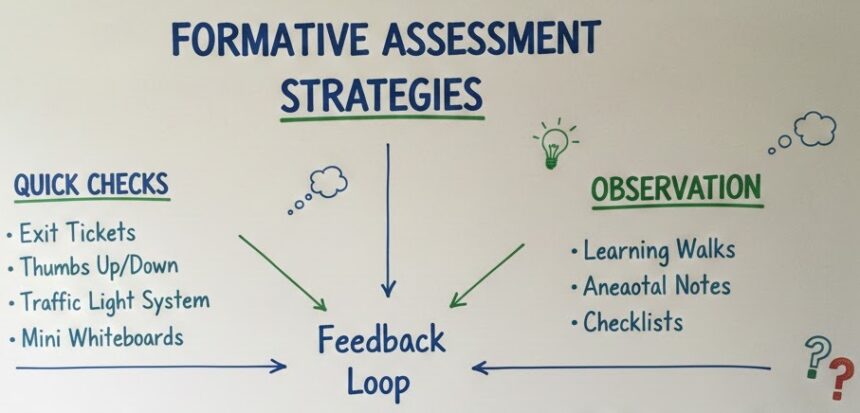
Imagine stepping into a classroom where every student feels heard, understood, and empowered in their learning journey. This vibrant atmosphere can be cultivated through effective formative assessment strategies. These approaches not only help teachers gauge student understanding but also guide instructional decisions that enhance learning outcomes. With the right tools in place, educators can create a dynamic environment where feedback is ongoing and students are motivated to take charge of their education. Let’s explore what formative assessment really means and why it’s essential for fostering academic growth.
Types of formative assessment strategies
Formative assessment strategies come in various forms, each designed to enhance learning and inform instruction. One popular method is the use of quizzes or polls. These quick assessments provide immediate feedback, allowing teachers to gauge student understanding instantly.
Another effective strategy is peer assessment. Students evaluate each other’s work based on specific criteria. This not only fosters collaboration but also encourages critical thinking skills among peers.
Observations are equally valuable in formative assessment. Teachers can take notes during class activities to identify areas where students struggle or excel.
Exit tickets offer a simple yet powerful way to collect insights at the end of a lesson. Students write down what they learned or any questions they still have, giving educators clear direction for future lessons.
Incorporating discussions into classroom routines allows students to express their thoughts freely while helping instructors assess comprehension dynamically. Each approach plays a crucial role in shaping educational experiences tailored to individual needs.
Advantages of using formative assessment in the classroom
Formative assessment strategies offer numerous benefits that transform the classroom experience. They provide immediate feedback, allowing educators to identify students’ strengths and weaknesses in real-time. This continuous loop of information empowers teachers to adjust their instruction accordingly.
Moreover, these assessments encourage active participation among students. When learners know they will receive regular evaluations, they become more engaged in the learning process. Their investment increases as they understand how their performance directly impacts their growth.
Additionally, formative assessments foster a supportive learning environment. Students can take risks without the fear of failure since evaluations are meant for improvement rather than grading. This mindset cultivates resilience and a love for learning.
Integrating formative assessment promotes collaborative discussions between teachers and students about progress goals. Such interactions build trust and enhance communication within the educational setting, leading to better academic outcomes overall.
How to effectively implement formative assessment
To effectively implement formative assessment strategies, start by establishing clear learning objectives. Make sure students understand what they are expected to learn and achieve. This alignment helps everyone stay focused.
Next, incorporate a variety of tools and techniques. Use quizzes, polls, or exit tickets to gauge understanding in real-time. These methods allow you to adjust your teaching on the fly.
Create an environment that encourages feedback. Foster open communication where students feel safe sharing their thoughts on their learning process. This two-way dialogue enhances engagement.
Regularly analyze the data collected from assessments. Use it not just for grading but as a guide for future lessons and interventions. Tailoring instruction based on this evidence can significantly enhance student outcomes over time.
Examples of successful implementation in schools
Many schools have embraced formative assessment strategies with impressive results. For instance, a middle school in Illinois utilized exit tickets after each lesson. Students would write down what they learned and any lingering questions. This practice allowed teachers to tailor their instruction based on real-time feedback.
Another example comes from a high school in California that implemented peer assessments during project-based learning activities. Students critiqued each other’s work using specific criteria, promoting collaboration and deeper understanding of the subject matter.
A primary school in Texas introduced regular check-ins through digital platforms, where students could share their progress and receive instant feedback from teachers. This approach not only kept students engaged but also fostered accountability for their own learning journey.
These examples demonstrate the flexibility of formative assessment strategies across various educational settings, highlighting how thoughtful implementation can lead to significant improvements in student performance and engagement.
Challenges and solutions for using formative assessment
Implementing formative assessment strategies can present various challenges for educators. Time constraints often top the list, as teachers juggle lesson planning and grading alongside regular classroom duties. Finding moments to incorporate assessments within an already packed schedule can feel overwhelming.
Another common hurdle is resistance from students who may not see the value in ongoing evaluations. They might prefer traditional testing methods that seem more straightforward or less demanding.
To address these issues, teachers can streamline their approach by integrating quick checks for understanding during lessons. This could be through simple thumbs-up/thumbs-down signals or digital polling tools.
Engaging students in discussions about the purpose of formative assessments fosters a positive mindset towards them. When learners understand how these evaluations contribute to their growth, they are more likely to embrace the process wholeheartedly.
Conclusion: The importance of using formative assessment for student growth and success
Using formative assessment strategies is crucial for fostering student growth and success in the classroom. These methods provide real-time feedback, allowing educators to adapt instruction based on students’ needs. By integrating various formative assessments, teachers can gain insights into their students’ understanding, identify learning gaps, and adjust their teaching approaches accordingly.
The key lies in creating a supportive environment where students feel comfortable expressing their challenges. This not only enhances engagement but also encourages a culture of continuous improvement. When learners see that their progress is monitored and valued, they are more likely to take ownership of their education.
Embracing formative assessment strategies leads to deeper learning experiences. It equips both teachers and students with tools necessary for achieving academic goals. As schools continue to prioritize effective teaching practices, the role of formative assessments will remain indispensable in shaping successful educational journeys.