


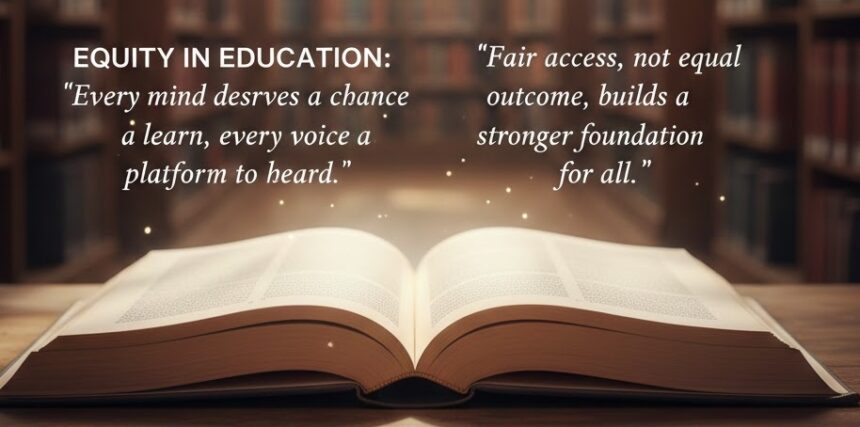
Quotes about equity in education serve as impactful reminders of our collective responsibility to create a fairer system for all students. They capture profound truths and inspire us to reflect on both progress made and challenges still faced. Whether you’re an educator, advocate, parent, or student, these words have the power to motivate and unite us towards achieving educational equity.
Let’s explore why quotes matter so much in this dialogue around education equity and how they can be used effectively for advocacy and inspiration.
The importance of using quotes about equity
Quotes about equity in education serve a dual purpose. They capture profound truths and provoke thought. Words carry weight, especially when addressing social justice.
Using quotes can spark conversations about disparities that often go unnoticed. They highlight the importance of ensuring every student has access to quality learning experiences.
Incorporating these phrases into discussions or presentations makes complex ideas more accessible. A well-placed quote can resonate with audiences and inspire them to reflect on their values related to education.
Moreover, sharing impactful quotes fosters a sense of community among advocates for educational equity. It connects individuals through shared beliefs and motivates collective action towards change.
Quotes remind us that the fight for equitable education is ongoing and requires our continued attention and commitment.
Quotes that emphasize the value of education for all
Education serves as the foundation for a brighter future. It opens doors to opportunities and empowers individuals. Quotes that highlight this universal value can resonate deeply.
For instance, Nelson Mandela once said, “Education is the most powerful weapon which you can use to change the world.” This powerful statement captures how vital education is in shaping not only individual lives but entire communities.
Similarly, Malala Yousafzai emphasized that “One child, one teacher, one pen and one book can change the world.” Her words remind us that every single effort counts in promoting education for everyone.
These quotes inspire action and reinforce our collective responsibility toward equitable access to learning. They urge us to advocate for educational resources across all demographics. Each quote stands as a call to nurture an inclusive environment where knowledge thrives freely.
Quotes that address the inequalities in our education system
Inequalities in education often stem from socioeconomic factors, race, and geographic location. Quotes that highlight these disparities can shine a light on urgent issues.
For instance, renowned educator Jonathan Kozol once said, “The most segregated hour in American life is noon.” This stark observation calls attention to how deeply entrenched our educational divisions are.
Another impactful quote by Malala Yousafzai reminds us that “One child, one teacher, one pen, and one book can change the world.” It emphasizes the potential within every student but also points out those who lack access to such basic resources.
These words serve as reminders of the work still needed to create an equitable educational landscape. They help amplify voices advocating for change while encouraging conversations about solutions. Engaging with these quotes allows us to confront uncomfortable truths about our system head-on.
How quotes can inspire change and action
Quotes have a remarkable ability to resonate with our emotions and values. They can ignite passion and spark conversations about vital issues like equity in education.
When we encounter powerful words from thought leaders, they often serve as catalysts for change. These quotes remind us of our shared responsibility to advocate for all students, regardless of their background.
For educators and advocates alike, sharing impactful quotes can create a sense of urgency. They help frame discussions around educational inequalities and motivate individuals to take action.
Moreover, these words can foster community engagement. When people feel inspired by a quote that speaks to them personally, they’re more likely to join movements aimed at improving the education system.
Harnessing the power of quotes allows us not just to reflect on issues but also encourages tangible steps toward creating equitable opportunities for everyone in education.
When to use quotes about equity in education
Using quotes about equity in education can elevate discussions and raise awareness. They are particularly effective during workshops or seminars focused on inclusive practices. A powerful quote can ignite a collective commitment to change.
In classroom settings, integrating these quotes into lessons helps students understand the importance of fairness and access. It encourages critical thinking about societal norms.
Social media is another great platform for sharing impactful quotes. These brief snippets can spark conversations among followers, prompting them to reflect on their beliefs regarding education equity.
When creating policy proposals or reports, including relevant quotes strengthens your argument. They provide context and emotional weight to statistics that might otherwise seem dry or abstract.
Quotes also serve well in communities facing educational disparities. By highlighting voices of advocates, they inspire local action and solidarity toward achieving equality in learning environments.
Conclusion:
The impact of words can be profound, especially when it comes to education. Quotes about equity in education serve as reminders of our collective responsibility. They highlight the importance of ensuring that every student has access to quality learning experiences.
These words resonate deeply, inspiring educators, policymakers, and communities alike to advocate for change. Whether used in speeches, classroom discussions, or social media campaigns, quotes have the power to galvanize support for equitable practices.
As we continue striving towards a more just educational landscape, let these quotes guide our conversations and actions. The right words can ignite passion and foster understanding—key components in promoting lasting equity in education for all students.