
Understanding the Concept of Knowledge as Power
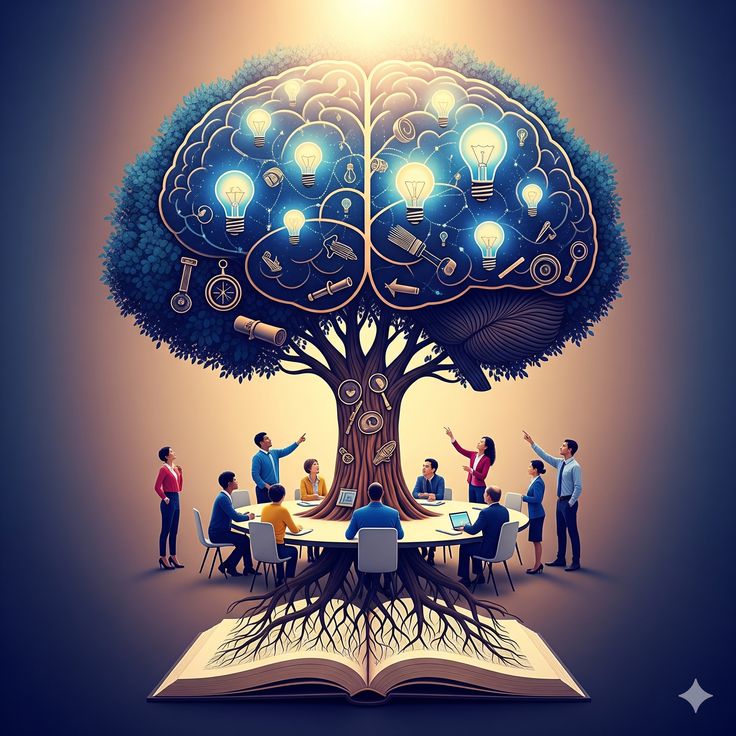
The assertion that “knowledge is power,” attributed to philosopher Francis Bacon, resonates throughout history and into the contemporary landscape. This concept highlights the integral role that knowledge plays in the exercise of authority, influence, and governance. Historically, the elite often monopolized information, thus reinforcing power structures where knowledge was not merely a tool of enlightenment but a means of controlling others. In this context, the more informed one was, the more influence they could wield, emphasizing the critical nature of knowledge in societal dynamics.
In today’s world, the significance of knowledge continues to evolve. With the advent of the digital age, an unprecedented influx of information is available at our fingertips. This accessibility transforms the traditional hierarchy of knowledge, empowering individuals in ways previously unimaginable. Knowledge now enables individuals to make informed decisions, voice their opinions, and influence societal change. The digital landscape has democratized knowledge, granting individuals from various backgrounds the opportunity to participate actively in discussions that shape their communities.
Moreover, knowledge serves as a catalyst for innovation and progress. It drives industries, advances scientific research, and fosters educational pursuits. As society faces complex challenges such as climate change, health crises, and socioeconomic disparities, the role of knowledge becomes even more pronounced. In this context, the collective pursuit of knowledge fuels critical thinking, creativity, and collaboration across diverse fields.
Consequently, the phrase by Francis Bacon remains relevant as it underscores the imperative for individuals to seek knowledge and engage in lifelong learning. In a rapidly changing world, those who harness knowledge can significantly influence outcomes, positively impacting both personal and societal development.
The Role of Education in Empowering Individuals
Education serves as a cornerstone in the quest for knowledge, significantly empowering individuals to navigate their lives more effectively. It is through education that individuals acquire the tools necessary for informed decision-making and critical thinking. In contemporary society, where information is abundant yet complex, the ability to critically assess and synthesize disparate sources of knowledge is invaluable. An educated individual is not solely equipped with facts but is trained to question, evaluate, and extrapolate meaning from a myriad of situations.
Furthermore, education fosters skill development that extends beyond traditional academic realms. Skills such as problem-solving, effective communication, and adaptability are crucial in an ever-evolving job market. As workplaces become increasingly dynamic and technology-driven, the need for a workforce that can adapt to rapid changes is paramount. Education can provide individuals with the foundational competencies required to thrive in this competitive landscape.
Moreover, education plays a significant role in shaping individuals’ capabilities to engage with and address complex societal challenges. Challenges such as climate change, social inequality, and global health crises require informed citizens who can think critically and act responsibly. By empowering individuals through knowledge acquisition, education instills a sense of agency and social responsibility. Therefore, those with a solid educational background are more likely to contribute positively to their communities and society at large.
In essence, education is a transformative agent. It not only enhances an individual’s personal and professional life but also equips them with the power to make a meaningful impact in society. The correlation between knowledge and empowerment is profound, emphasizing that access to quality education is vital for fostering an informed and engaged populace.
Knowledge in the Workplace: Enhancing Career Opportunities
In the contemporary workplace, the relationship between knowledge and career opportunities has become increasingly prominent. Knowledge, defined as the understanding and information a person possesses, plays a critical role in determining an individual’s prospects for employment and advancement. As industries evolve and technology advances, the importance of expertise cannot be overstated. Professionals who continually update their skills and knowledge are better positioned to respond to the demands of an ever-changing job market.
Continuous learning is a valuable component in enhancing one’s career opportunities. Many employers prioritize candidates who exhibit a commitment to ongoing education and skill development. By engaging in professional development through workshops, online courses, or further education, individuals cultivate not only their existing knowledge but also build competencies that are highly sought after in their fields. This commitment signals to employers that the individual is proactive, adaptable, and equipped with the latest industry insights.
Moreover, adaptability, often intertwined with knowledge, is essential in a rapidly changing environment. The ability to adjust to new roles, tools, and trends demonstrates a crucial facet of professional growth. Employees who can effectively pivot in the face of change often find themselves leading within their organizations. This adaptability, fueled by continuous learning, fosters an environment of innovation and forward-thinking, further enhancing one’s prospects for career advancement.
In summary, the integration of knowledge in the workplace directly influences career opportunities. Through cultivating expertise, committing to lifelong learning, and embracing adaptability, individuals not only enhance their own skill sets but also contribute positively to their organizations. This holistic approach to knowledge ultimately positions professionals for success in today’s competitive job market.
The Influence of Information Technology on Knowledge Accessibility
In recent years, advancements in information technology have dramatically transformed the way knowledge is accessed and disseminated. The emergence of the Internet has played a pivotal role in this transformation by breaking down geographical barriers and enabling instant access to vast amounts of information. Previously limited to libraries and institutions, knowledge is now just a few clicks away for millions around the globe. This shift has not only democratized access to information but also heightened the importance of informed decision-making in various spheres of life.
Social media platforms have further enhanced this accessibility by allowing users to share articles, research, and personal insights with a broad audience. With just a smartphone, an individual can contribute to discussions on global issues, scientific discoveries, and cultural trends, thereby enriching the collective understanding of their communities. This process of knowledge-sharing empowers individuals, making them not just consumers of information but active participants in global conversations.
Moreover, digital resources such as e-books, online courses, and virtual libraries provide users with tools to foster continuous learning. Educational institutions and organizations have increasingly embraced technology to offer resources that cater to diverse learning styles and needs, thus widening the reach of educational content. The proliferation of massive open online courses (MOOCs) exemplifies this trend, enabling people from various backgrounds to engage with high-quality educational offerings without the constraints of location or financial barriers.
This evolution in knowledge accessibility is vital in the context of today’s information-driven society, where the ability to acquire and apply knowledge is directly proportional to personal and professional success. As technology continues to advance, it is imperative that individuals remain proactive in seeking knowledge, ensuring that they are well-equipped to thrive in an ever-changing world.
Knowledge as a Tool for Social Change
In contemporary society, knowledge serves as a fundamental catalyst for social change. Movements that have effectively harnessed the power of information demonstrate how awareness and education can prompt transformative action. Historical case studies reveal that the dissemination of knowledge often fuels societal progress and addresses systemic injustices.
The Civil Rights Movement in the United States stands as a prominent example of knowledge facilitating social change. Activists like Martin Luther King Jr. utilized powerful speeches and written communication to awaken public consciousness about racial inequality. Through events such as the March on Washington in 1963, where King’s “I Have a Dream” speech reached millions, knowledge played a critical role in mobilizing the public and influencing legislation, such as the Civil Rights Act of 1964.
Environmental activism likewise exemplifies the impact of knowledge on social change. Campaigns led by organizations like Greenpeace have focused on educating the public about climate change and the consequences of environmental degradation. Their efforts have not only raised awareness but also led to significant shifts in policy and individual behavior, ultimately fostering a more sustainable relationship with the planet.
Moreover, public health initiatives, particularly in response to global health crises, underscore how informed communities can drive significant change. The widespread dissemination of knowledge regarding disease prevention—especially evident during the COVID-19 pandemic—has empowered individuals to make informed choices concerning their health and safety. Effective communication of scientific data has been paramount in shaping public response and mobilizing resources to combat the virus.
Through these diverse movements, it becomes clear that knowledge is not merely a tool for information; it is a powerful vehicle for social change, enabling individuals and communities to challenge the status quo and create a more equitable society.
Cognitive Skills: The Importance of Critical Thinking and Problem Solving
In an increasingly complex and interconnected world, the value of cognitive skills such as critical thinking and problem solving cannot be overstated. These abilities are fundamental for making informed decisions, especially in scenarios where information overload is prevalent. By fostering these skills, individuals empower themselves to evaluate situations more effectively, thereby enhancing their capacity to address various global issues.
Critical thinking involves analyzing information, assessing evidence, and synthesizing various viewpoints. This skill enables individuals to discern credible sources, separate fact from fiction, and identify biases in reasoning. Such analytical capabilities are necessary in today’s media-saturated landscape, where discerning the validity of information is critical. As individuals become more adept at critical thinking, they can navigate complex problems with greater ease and come to more reasoned conclusions.
Problem-solving, on the other hand, is the application of critical thinking in practical scenarios. It encompasses a structured approach to identify challenges, generate potential solutions, and implement effective strategies. Individuals equipped with strong problem-solving skills are better prepared to tackle pressing societal concerns, from environmental challenges to public health crises. This cognitive skill set is essential not only in professional environments, such as business and science, but also in everyday life, enabling individuals to handle personal and community-related issues effectively.
Both critical thinking and problem-solving are cultivated through knowledge acquisition. By engaging with diverse subjects and challenging perspectives, individuals refine their cognitive skills, making them more competent decision-makers. As such, investing in education and continuous learning is crucial in developing these skills, ultimately allowing individuals to contribute positively to their communities and the wider world.
The Dangers of Misinformation: Why Knowledge Matters More Than Ever
In an age where information is readily available at our fingertips, the prevalence of misinformation poses a significant threat to society. Misinformation refers to false or misleading information circulated regardless of intent. With the rise of social media and online platforms, anyone can share information, leading to a distortion of facts and a proliferation of narratives lacking authenticity. Accordingly, knowledge serves as a robust countermeasure against these dangers, enabling individuals to distinguish between fact and fiction.
The consequences of misinformation can be profound, affecting public opinion, societal norms, and even policies. For example, during health crises, misinformation can lead to widespread panic, undermine public health efforts, and cause individuals to make decisions based on inaccuracies. Thus, being equipped with accurate knowledge allows individuals to navigate through this web of conflicting information, enabling them to make informed choices that are grounded in reality.
Moreover, knowledge fosters critical thinking, enhancing one’s ability to evaluate sources and discern credible information from dubious claims. As the gap between fact and fiction widens, it becomes increasingly vital for individuals to develop their critical faculties. This involves questioning the credibility of the source, checking corroborative evidence, and recognizing biases that may color the information presented.
Ultimately, in a world rife with misinformation, possessing knowledge is not merely advantageous; it is essential for personal empowerment and societal well-being. An informed populace is less susceptible to manipulation, better equipped to challenge harmful narratives, and more resilient in the face of falsehoods. Investing in one’s knowledge base is an investment in one’s ability to contribute positively to the community and protect oneself from the dangers of misinformation.
Lifelong Learning: The Key to Staying Relevant
In today’s rapidly evolving world, the significance of lifelong learning cannot be overstated. As industries transform and new technologies emerge at a staggering pace, staying relevant demands continuous education and the consistent updating of skills. The concept of lifelong learning extends beyond formal education; it encompasses various forms of learning and encompasses personal interests, professional development, and everyday experiences.
Individuals who commit to lifelong learning are better equipped to navigate the challenges that arise in both their personal and professional lives. The quest for knowledge fosters adaptability, ensuring that individuals remain competitive and capable in an ever-shifting job market. For instance, a technology specialist might engage in online courses to master the latest programming languages, thus maintaining their expertise. Similarly, professionals in fields such as healthcare or education are often required to update their certifications regularly, emphasizing the necessity of continuous learning.
Moreover, lifelong learning enhances critical thinking, promotes creativity, and nurtures a proactive attitude towards problem-solving. By cultivating a growth mindset, individuals can embrace challenges rather than shy away from them. This approach not only supports personal development but also contributes to a more innovative and dynamic workforce.
Additionally, with the availability of digital platforms and resources, accessing information and learning new skills has never been more convenient. Online courses, webinars, and podcasts provide diverse opportunities to acquire knowledge, making it easier for individuals to tailor their learning experiences according to their interests and schedules.
Ultimately, the pursuit of lifelong learning serves as a crucial strategy for personal and professional advancement. In our fast-paced world, embracing this concept ensures that individuals remain not just participants but also leaders in their respective fields.
Conclusion: Embracing Knowledge as Empowerment
In conclusion, the exploration of knowledge as a fundamental pillar of empowerment in today’s society underscores its critical role. We have discussed how knowledge enables individuals to make informed decisions, effectively navigate complex social issues, and contribute meaningfully to their communities. The adage “knowledge is power” holds significant weight in facilitating personal growth and societal progress.
Acquiring knowledge is not merely an academic pursuit; it is a lifelong journey that extends beyond formal education. Engaging with a diverse range of perspectives and embracing continuous learning cultivates a mindset that is adaptable and resilient. This adaptability is particularly essential in an ever-evolving world, where change is the only constant.
Moreover, informed citizens wield the capacity to influence their environments positively. Whether through activism, community engagement, or informed voting, knowledge empowers individuals to advocate for justice and equity. It fosters critical thinking and nurtures the confidence necessary to challenge the status quo, thereby driving societal evolution.
As we reflect on the pivotal role of knowledge, it is imperative that we promote a culture of learning within our communities. Encouraging dialogue, sharing resources, and supporting educational initiatives can help cultivate an informed populace that is equipped to tackle contemporary challenges. Ultimately, embracing knowledge as a tool for empowerment not only enhances individual capabilities but also fortifies the collective strength of our communities.
Let us commit to being lifelong learners, recognizing that the pursuit of knowledge is a shared responsibility that benefits us all. By doing so, we can harness its transformative power to create a brighter, more equitable future for generations to come.