


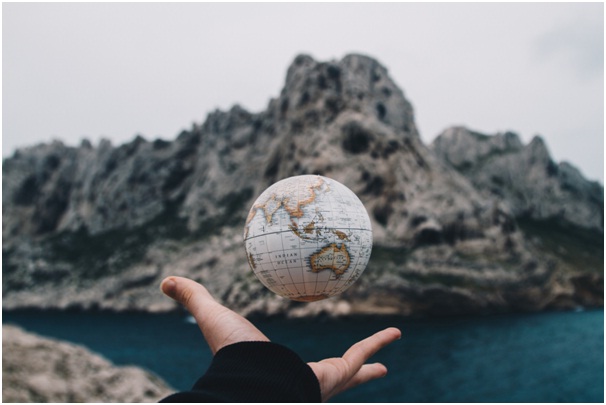
Introduction: The Transformative Power of Travel
Travel possesses a unique transformative power that can alter perceptions and broaden horizons. Engaging in travel exposes individuals to diverse cultures, customs, and experiences, enabling personal growth and an expanded worldview. Each journey undertaken offers a blend of novelty and familiarity, fostering a deeper understanding of humanity and the interconnectedness of life across the globe.
One of the greatest gifts of travel is the opportunity to immerse oneself in new environments. Whether navigating the bustling streets of a city, hiking through majestic landscapes, or savoring unfamiliar cuisines, every travel experience counts. This immersion encourages individuals to step outside of their comfort zones, embracing new perspectives that may challenge preconceived notions and encourage personal reflection.
As travelers encounter diverse communities, they are often introduced to a spectrum of beliefs, traditions, and customs. Through conversation and interaction, one gains insight into ways of thinking and living that may be starkly different from their own. This cultural exchange fosters empathy and an appreciation for diversity, nurturing a more inclusive mindset. Such experiences allow travelers to understand the complexities of global issues and challenges, encouraging them to view these matters through multiple lenses.
The transformative power of travel extends beyond physical exploration; it also involves emotional and intellectual growth. New experiences ignite curiosity and stimulate learning. For many, travel becomes a source of inspiration that encourages creative thinking and problem-solving, vital skills for navigating life’s challenges. As one navigates through various settings, they inevitably gain confidence and adaptability, key characteristics that serve well in both personal and professional endeavors.
Indeed, the act of travel not only enriches the individual but also nurtures a broader worldview, ultimately shaping a more compassionate society. Through exploration, understanding, and engagement, travel emerges as an invaluable tool for personal and communal transformation.
Cultural Immersion: Understanding Diversity
Cultural immersion is one of the most profound aspects of traveling, enabling individuals to engage meaningfully with diverse cultures and communities. When travelers encounter different lifestyles, customs, and traditions, they begin to appreciate the rich tapestry that constitutes human experience. This exposure is essential, as it allows them to witness firsthand the complexities of various cultural practices and social norms, which often clash with their own preconceptions.
Engaging with local communities, whether through participation in traditional festivals, cooking classes, or language exchanges, facilitates a level of understanding that textbooks alone cannot provide. Such interactions foster empathy, as travelers come to recognize the similarities that unite humanity, while also celebrating the unique attributes that distinguish various cultures. Questions about daily life, beliefs, and values are often met with openness and generosity, enriching the travel experience significantly.
The process of cultural immersion encourages travelers to challenge their preconceived notions and stereotypes. Often, individuals may arrive in a foreign land with a limited understanding shaped by media portrayals or anecdotal evidence. However, immersing oneself in a local culture can deconstruct these biases, revealing a depth and authenticity that is often overlooked. Travelers learn that diversity is not merely an abstract concept but a vibrant reality full of nuance and richness.
Ultimately, cultural immersion serves as a catalyst for personal growth. It broadens one’s worldview and fosters a deeper appreciation of diversity. By embracing the opportunity to learn from others and reflect on one’s own cultural identity, travelers can return home not just with souvenirs, but with greater insight and wisdom. This transformation exemplifies the true essence of travel: an enduring journey towards understanding and acceptance of our shared humanity.
Exposure to New Ideas and Perspectives
Traveling plays a pivotal role in shaping an individual’s worldview by facilitating exposure to new ideas and perspectives. When people venture beyond their familiar surroundings, they come into contact with diverse cultures, philosophies, and practices that challenge their existing beliefs. This immersion in various ways of life fosters a greater understanding of the complexities that define human experience.
Engaging with people from different backgrounds allows travelers to witness firsthand how cultural context influences thoughts and behaviors. For instance, observing the communal lifestyle in a rural village can highlight the significance of community bonds, while experiencing urban environments may underscore the importance of individualism. Such interactions encourage individuals to critically evaluate their own assumptions and preconceptions, leading to cognitive flexibility. When travelers confront ideas and traditions that differ from their own, it becomes possible to reassess and refine their viewpoints.
Moreover, exposure to foreign customs and practices can spark creativity and innovation. Travelers often find inspiration in cuisine, art, literature, and philosophy from around the globe. This creative stimulation not only broadens one’s aesthetic appreciation but can also lead to the integration of these influences into their own life. As individuals assimilate diverse experiences, they develop enhanced critical thinking skills. They become adept at analyzing situations from multiple angles, considering various perspectives before forming their conclusions.
In essence, travel serves as a powerful catalyst for intellectual and emotional growth. By traversing geographical boundaries, individuals are not merely moving from one location to another; they are embarking on a transformative journey that alters their perception of the world. Exposure to new ideas fosters curiosity and open-mindedness, essential qualities in today’s interconnected society.
Personal Growth Through Travel Challenges
Traveling often exposes individuals to various challenges that are integral to personal development. When people journey to unfamiliar places, they encounter situations that demand problem-solving, adaptability, and critical thinking. These experiences cultivate resilience, a trait that is essential for navigating life’s unpredictable nature. Resilience, developed through overcoming travel-related obstacles, can enhance one’s ability to handle diverse challenges back home.
The unpredictable nature of travel often confronts individuals with unexpected events, such as flight delays, language barriers, or cultural misunderstandings. Each of these experiences serves as a training ground for developing adaptability. Learning to navigate such hurdles helps individuals to remain calm and resourceful in the face of adversity. Success in overcoming these small, yet significant obstacles reinforces a traveler’s confidence, equipping them with a sense of accomplishment and self-reliance.
Furthermore, travel encourages individuals to step out of their comfort zones, directly contributing to personal growth. Engaging with different customs and lifestyles not only broadens one’s view of the world but also fosters empathy and understanding. It allows individuals to appreciate diversity, leading to more meaningful interactions with others. The personal growth derived from tackling these travel challenges often extends beyond the journey, influencing an individual’s perspective on daily life challenges.
Ultimately, overcoming difficult situations during travel can enhance an individual’s resilience, adaptability, and confidence. These intrinsic qualities not only enrich personal experiences but also empower individuals in various aspects of their lives, truly epitomizing the transformative power of travel.
Building Connections and Empathy
Traveling presents a unique opportunity to forge connections with people from diverse backgrounds. By immersing oneself in different cultures, travelers encounter individuals with varying perspectives, traditions, and lifestyles. This exposure can significantly enhance one’s understanding of humanity and foster a sense of empathy. Engaging directly with locals invites shared experiences that bridge the gap between cultures and encourage mutual respect.
When travelers interact with residents of the places they visit, they often exchange stories and insights that reveal both the similarities and differences inherent in the human experience. Such interactions can occur in numerous settings, from bustling marketplaces to tranquil cafes, where meaningful conversations flourish. These genuine connections often extend beyond superficial exchanges, allowing travelers to understand local issues, aspirations, and everyday life, ultimately enriching their journeys.
Furthermore, the act of sharing experiences can cultivate a sense of collective memory that transcends geographical boundaries. For instance, participating in local customs, attending community events, or simply enjoying traditional meals can lead to shared moments that resonate deeply. These encounters not only provide travelers with a richer experience but also enable the locals to share their narratives, leading to a reciprocal exchange of empathy.
This growing understanding can dismantle preconceived notions or stereotypes, fostering a more inclusive worldview. When one sees the world from different vantage points, it encourages compassion and appreciation for the diverse tapestry of human existence. Thus, through travel, individuals can build lasting connections that promote empathy and understanding, highlighting the importance of human relationships in a broadening global context.
Inspiration and Creativity from New Experiences
Travel serves as a vital catalyst for creativity by immersing individuals in diverse cultures, environments, and experiences that spark innovative ideas. Exposure to different art forms, music styles, and cuisines can profoundly influence one’s creative expression. Travelers find inspiration in the vibrant colors of local markets, the sounds of traditional music, and the flavors of regional dishes, all of which contribute to a richer understanding of aesthetics and design.
For instance, a visit to a historic art museum can evoke emotions that inspire artists to experiment with new techniques or styles in their own work. Similarly, attending local music performances exposes travelers to alternative rhythms and melodies, potentially leading to unique musical compositions. Cuisines from different cultures, with their distinct ingredients and preparation methods, can inspire chefs and home cooks alike to reinterpret traditional recipes or create entirely new dishes.
The importance of fresh experiences in fostering creativity cannot be overstated. Engaging with atypical environments stimulates curiosity and encourages individuals to think outside their established paradigms. Whether it is sipping coffee in a bustling café in Paris or exploring the intricate street art in Berlin, these moments resonate with travelers, often leading to a re-evaluation of their creative processes.
Moreover, meeting people from various backgrounds further enriches this creative reservoir. Conversations with locals can unveil unique insights and perspectives, which can inspire individuals to explore new themes and concepts in their creative ventures. In essence, the act of traveling not only broadens one’s horizons but also nurtures the spirit of innovation and originality.
Travel as a Catalyst for Change
Traveling exposes individuals to diverse cultures, lifestyles, and environmental conditions, igniting a profound awareness of global challenges. When travelers venture beyond their everyday surroundings, they encounter social issues such as poverty, inequality, and inadequate access to education and health care. Witnessing these disparities often evokes a sense of empathy, driving many to seek solutions not only for those they have met but also for the broader communities affected by such challenges.
Furthermore, the experience of traveling to different geographical regions often leads to increased environmental consciousness. Tourists witness firsthand the impacts of climate change, deforestation, and pollution, which can inspire a commitment to sustainable practices. Travelers might become advocates for environmental protection upon returning home, adopting lifestyle changes and supporting organizations that focus on conservation and sustainability initiatives.
Engagement with local communities during travel can also serve as a catalyst for social change. Opportunities to volunteer, participate in cultural exchanges, or support local economies can empower travelers to contribute positively to the places they visit. This interaction cultivates shared understanding and encourages the traveler to reflect on their own privilege and role in global systems. As they experience the resilience of local communities, they might feel compelled to spread awareness about various causes and mobilize their networks for action.
Ultimately, travel has the potential to transform individuals by providing them with a broader perspective on life. It fosters a sense of responsibility towards both people and the planet. As travelers return home more aware of the global issues affecting different populations, many feel an urgency to utilize their voices and resources for the betterment of society. In exploring how travel can be a catalyst for both social change and environmental awareness, it becomes evident that the journey is not just about the places visited but also about the collective impact travelers can make upon their return.
Reflection: The Insights Gained Through Travel
Traveling is not merely about visiting new places; it is an opportunity for profound personal growth and understanding. Every journey presents unique experiences that contribute significantly to shaping one’s worldview. Reflecting on these experiences can be imperative in integrating the insights gained from travel into daily life.
When individuals embark on journeys, they are often exposed to diverse cultures, traditions, and lifestyles that they may not encounter in their everyday surroundings. This exposure fosters empathy and understanding, prompting travelers to reassess their assumptions and beliefs. For instance, interacting with local communities can unveil the complexities of social dynamics and cultural practices, enriching travelers’ perspectives. Such interactions highlight the importance of looking beyond one’s immediate environment, encouraging a broader and more nuanced outlook.
Moreover, reflection on travel experiences can also reveal personal growth. Whether navigating unfamiliar territories, communicating across language barriers, or adapting to new customs, these challenges often lead to an enhanced sense of resilience and adaptability. Travelers frequently return home with renewed confidence and improved problem-solving skills, which can be seamlessly integrated into their personal and professional lives.
Incorporating the lessons learned during travels into everyday routines ensures that the insights gained do not fade away once the journey concludes. Engaging in discussions about experiences, sharing stories, or even maintaining a travel journal can help reinforce the transformative nature of travel. By doing so, individuals can continue to derive value from their journeys, thus enriching their everyday perspectives.
Overall, reflecting on the transformative experiences of travel allows for a deeper understanding of oneself and the world, ultimately fostering continued personal growth and an enhanced worldview.
Conclusion: Embracing the Broader Perspective
Throughout this discussion, we have explored the numerous ways travel serves as a transformative experience, profoundly affecting our understanding of the world. Engaging with diverse cultures, meeting people from various backgrounds, and navigating different environments can significantly alter one’s perspective on life. Travel is not merely a leisure activity; it is a gateway to personal growth and collective understanding.
We have highlighted that the experiences gained through travel offer invaluable lessons which contribute to a broader worldview. By stepping outside our comfort zones, we can challenge preconceived notions and embrace the beauty of human differences. Each journey provides us with an opportunity to learn about history, traditions, and the socio-economic factors that shape different societies, enhancing our appreciation for global diversity.
Moreover, travel encourages empathy. When we immerse ourselves in different cultures, we foster an understanding that transcends borders and unites us with others on a fundamental level. By acknowledging the similarities and differences that exist, travel can lead to deeper connections between individuals and communities. This is paramount in today’s increasingly interconnected society, where fostering global unity is essential.
In conclusion, we encourage you to embrace travel not only as a way to escape the mundane but also as a path to enlightenment and broader perspectives. As you embark on your next adventure, consider the profound impact it may have on your worldview. Let travel inspire you to become a more open-minded and informed global citizen, ready to engage with the world in meaningful ways. Each trip can become a stepping stone toward personal and collective growth, ultimately enhancing our shared human experience.