


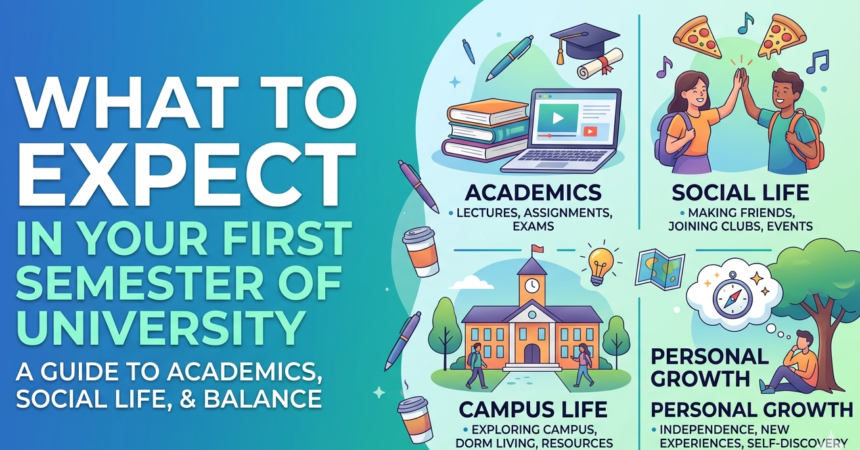
Introduction to University Life
The transition from high school to university represents a significant milestone in a student’s life, marking a new chapter filled with opportunities and challenges. University life offers a stark contrast to high school experiences, particularly in terms of independence, responsibilities, and social dynamics. This phase requires students to adapt to a more autonomous learning environment, which can both be exhilarating and daunting.
One of the fundamental shifts students encounter is the level of independence they are afforded. Unlike the structured environment of high school, where schedules are closely managed by educators, university students are expected to take initiative in their studies. This includes attending lectures, completing assignments, and managing their time efficiently. Students will find themselves responsible for crafting their own schedules and ensuring they meet academic deadlines. This newfound freedom comes with the challenge of balancing academics with personal interests and social engagements.
Additionally, university introduces a diverse social landscape. Unlike high school, where peer groups are often more segmented, universities host a melting pot of individuals from various backgrounds and cultures. This environment encourages the development of new friendships and social connections, which can be both exciting and overwhelming. Adjusting to different social dynamics, engaging in group projects, and participating in extracurricular activities are all part of the university experience that significantly enriches student life.
As students embark on this new journey, understanding these adjustments will be crucial to navigating the complexities of university life. Emphasizing the importance of self-management and openness to new experiences will set the foundation for a successful first semester. By embracing both the challenges and opportunities presented, students can make the most of their first semester and lay the groundwork for their academic and social careers ahead.
Academic Demands and Learning Environment
Entering university signifies a transition into a new academic environment characterized by distinct demands compared to previous educational experiences. One of the primary shifts is in teaching styles; university professors often employ a more lecture-based approach, which can include large classes. This is complemented by various instructional methods like seminars, discussions, and group projects. Students are encouraged to adapt to these approaches, as flexibility and engagement play a crucial role in effective learning.
Self-directed learning becomes imperative in this setting. Unlike high school where educators provide structured guidance, university coursework usually requires students to take the initiative. This may involve extensive reading of assigned texts, research beyond the classroom materials, and the formulation of personal insights and analyses. Such autonomy fosters critical thinking skills, which are essential for success in higher education.
Class participation also holds significant importance in university. Engaging actively during lectures and discussions not only enhances one’s understanding of the material but also often contributes to overall grading. Professors value students who show interest, ask questions, and share perspectives, thus creating a richer academic environment. Understanding how to effectively manage coursework becomes crucial. Effective time management strategies such as setting priorities, creating study schedules, and utilizing campus resources can greatly aid students in balancing their academic workload, thereby reducing stress and enhancing overall performance.
In summary, the university academic landscape requires students to adapt to varied teaching styles, embrace self-directed and active learning, and develop strong time management skills. By navigating these demands, students can position themselves for a rewarding and successful first semester.
Building a Support System
Transitioning into university can be both exciting and overwhelming. One of the key aspects to navigate this new chapter is by building a robust support system. Having a network of friends, faculty, and resources can significantly enhance the university experience and contribute to personal and academic success.
The first step in establishing a support system is forming friendships with peers. Engaging in group activities, attending social events, or joining clubs is an effective way to meet fellow students and create lasting connections. These interactions often provide emotional support, shared experiences, and practical assistance in coping with university life challenges. Forming study groups can also deepen these friendships while contributing to academic success through collaborative learning.
In addition to peers, building relationships with faculty plays an integral role in a productive university experience. Professors and academic advisors can offer invaluable guidance, mentorship, and insights that can greatly influence academic paths. Taking the initiative to attend office hours, participate in class discussions, or seek advice on coursework can help foster positive relationships that may extend beyond a single semester.
Utilizing campus resources is another vital component of a solid support network. Most universities offer academic advising services that play a crucial role in helping students navigate course selections, degree requirements, and any academic challenges they might face. Furthermore, counseling services can provide emotional support to students adjusting to the pressures of university life. These professionals can assist in developing coping strategies for stress management, asserting the importance of mental wellness.
Ultimately, the process of building a support system in your first semester is about reaching out, engaging with others, and utilizing the various resources at your disposal. Successfully creating a network can pave the way for a more enriching and balanced university experience.
Exploring Campus Resources
As a new university student, one of the most valuable assets available to you is the array of campus resources designed to support your academic journey. Familiarizing yourself with these facilities can significantly enhance your learning experience and overall well-being during your first semester.
Libraries are often the cornerstone of academic resources on any campus. They house an extensive collection of books, journals, and electronic databases that are essential for research and studying. Many universities also offer quiet study spaces and group study rooms, allowing you to tailor your study environment to your preferences. Additionally, librarians are available to assist students in navigating informational resources and can guide you in locating specific materials or using research tools effectively.
Tutoring centers provide another vital support system for students seeking assistance with their coursework. These centers typically offer one-on-one or group tutoring sessions, covering a wide range of subjects. Engaging with a tutor can clarify challenging concepts and improve your understanding, thereby boosting academic performance. Furthermore, many centers offer workshops on topics such as time management, study skills, and exam preparation, contributing to comprehensive academic support.
Study groups are an often overlooked yet impactful resource. Collaborating with peers can foster a deeper understanding of course material. By discussing and challenging each other’s perspectives, students can solidify their knowledge while developing key social and collaborative skills. Additionally, forming or joining a study group encourages accountability and motivation among members, helping to maintain momentum throughout the semester.
In summary, utilizing campus resources such as libraries, tutoring centers, and study groups is essential for new students aiming to succeed in their academic pursuits. These resources not only provide academic support but also contribute to a well-rounded university experience, promoting both educational and personal growth.
Social Life and Networking Opportunities
Entering university is a pivotal moment in a student’s life, marking not only an academic journey but a significant phase of social development. During the first semester, students can expect a bustling social life aimed at fostering connections with peers, faculty, and the broader community. Universities often provide ample opportunities to engage socially, including club fairs, orientation events, and study groups.
Joining clubs is among the most effective ways to immerse oneself in campus culture. Students are encouraged to explore various organizations that align with their interests or career aspirations. Such participation not only enhances social interaction but also aids in skill development pertinent to future professional environments. From academic clubs related to one’s field of study to interest-based groups such as sports, arts, or cultural clubs, these platforms enable students to meet like-minded individuals and develop lasting friendships.
In addition to clubs, attending campus events—such as lectures, workshops, or social gatherings—presents significant networking opportunities. These events allow students to connect with faculty members and industry professionals, potentially leading to internships or job opportunities. Engaging in discussions and participating actively can further enhance one’s visibility within the academic community, which might be beneficial for future career pursuits.
An essential aspect of university life is learning to balance social engagements with academic responsibilities. While developing a vibrant social network can augment academic support, it’s vital that students manage their time effectively to ensure academic success. The connections made during this time can also serve as a valuable network for collaborative learning, which is regarded as a key to a fulfilling university experience.
Overall, the first semester presents a unique landscape for developing one’s social life and establishing meaningful connections. By taking advantage of networking opportunities, students can enrich both their academic and social experiences, laying a strong foundation for their university journey.
Time Management and Study Skills
Effective time management is a crucial skill for university students, particularly during your first semester. The transition from high school to university often presents new challenges, including a significant increase in workload and a greater level of independence. To manage these demands successfully, students must learn to prioritize their tasks appropriately. Begin by identifying your most urgent and important assignments, utilizing tools like the Eisenhower Matrix to distinguish between what is urgent and what is simply a distraction.
Creating a study schedule can also significantly enhance your time management skills. Start by mapping out your weekly commitments, including lectures, work, and social activities. Once you have a clear picture of your commitments, carve out dedicated study blocks that align with your most productive times of the day. Consider utilizing digital calendars or time management apps to help keep track of your schedule and set reminders for deadlines and study sessions.
In addition to prioritizing tasks and scheduling study time, finding effective study methods that resonate with your individual learning style is equally important. Some students may benefit from visual aids like diagrams or flashcards, while others might prefer auditory methods such as listening to lecture recordings. Experimenting with different techniques, such as group study sessions, self-testing, or summarizing material in your own words, can aid in retaining information better. It’s also beneficial to incorporate regular breaks into study sessions to avoid burnout and maintain focus.
By effectively managing your time and honing your study skills, the transition into university life can become a more manageable and fulfilling experience, setting the foundation for academic success in subsequent semesters.
Challenges and Stress Management
Entering university marks a significant transition in a student’s life, often bringing about various challenges that can contribute to heightened stress. One of the most common issues is homesickness, as many students find themselves away from familiar environments and support systems for the first time. The logistical side of moving away can add to this pressure, using a student shipping service to send belongings directly to campus removes one of the more stressful parts of the transition, letting you focus on settling in rather than managing heavy luggage. This emotional distress can impact academic performance and social interactions, making it essential for students to find coping strategies.
Academic pressure is another prevalent challenge during the first semester. The shift from high school to university-level coursework can be daunting, with more demanding expectations and a heavier workload. Students may feel overwhelmed by the volume of reading, assignments, and examinations, leading to anxiety and stress. It is important to recognize these stressors early and address them proactively.
To manage stress effectively, students can employ several techniques. First, prioritizing self-care is vital; this includes maintaining a healthy diet, engaging in regular physical activity, and ensuring adequate sleep. These foundational practices help to cultivate resilience and improve overall well-being. Additionally, students should not hesitate to seek support when needed. Many universities offer mental health resources, including counseling services and workshops focused on stress management.
Time management also plays a crucial role in alleviating academic pressure. Students can benefit from creating structured schedules that allocate dedicated time for studying, socializing, and self-care activities. By breaking tasks into manageable parts and setting realistic goals, students are more likely to maintain a sense of control and reduce overwhelm. Ultimately, by recognizing the common challenges of the first semester and utilizing effective stress management techniques, students can navigate this pivotal period with greater ease and confidence.
Personal Growth and Development
The first semester of university represents a pivotal time for personal growth and development, acting as a transition into adulthood. For many students, it marks a significant shift from the structured environment of high school to the more independent and self-directed realm of higher education. This newfound freedom can be both exhilarating and daunting, yet it is essential in fostering increased independence. Students learn to manage their time, prioritize tasks, and navigate various responsibilities without the constant guidance of familial support.
Moreover, this period of autonomy contributes significantly to enhancing self-awareness. As students engage with diverse peers, encounter new challenges, and explore various academic interests, they begin to discover their strengths and weaknesses. This exploration not only fosters intellectual growth but also encourages personal reflection, enabling individuals to understand their core values and aspirations more clearly. Such self-discovery is a vital component of personal development that can lead to life-long growth.
Additionally, the experiences encountered during the first semester equip students with increased confidence. Successfully managing academic pressures, developing new friendships, and participating in extracurricular activities contribute to building a robust sense of self-efficacy. This confidence stems from the recognition that they can overcome obstacles and adapt to changes, further motivating them to pursue new opportunities. Embracing this transformative time helps students realize the importance of resilience and adaptability, traits that are invaluable in both academic and personal endeavors.
It is crucial for students to embrace this transformative experience, as the personal growth achieved in the first semester lays the groundwork for the remainder of their university journey and beyond. Cultivating independence, enhancing self-awareness, and building confidence are foundational elements that will serve students well in their future careers and life paths.
Conclusion and Final Tips
As you embark on your first semester of university, it is essential to embrace the array of challenges and opportunities that lie ahead. The insights gathered throughout this blog post highlight the diverse experiences that first-year students typically encounter, ranging from academic adjustments to social integration. To achieve success, it is crucial to maintain a balanced approach between your studies and personal life.
One of the most valuable tips for navigating this transition is to stay organized. Creating a clear schedule that outlines your classes, study sessions, and social activities will help you manage your time effectively. Utilizing planners or digital tools can enhance your productivity and keep you focused on your academic goals.
Additionally, building a support network is paramount during this new chapter. Engaging with professors, attending campus events, and connecting with fellow students can foster meaningful relationships that contribute to your overall learning experience. Do not hesitate to seek assistance from academic resources offered by your university; many institutions provide tutoring and counseling services to support student success.
Moreover, approach your classes with curiosity and an open mind. Developing a positive attitude towards your studies will not only improve your academic performance but also encourage a love for lifelong learning. Consider participating in extracurricular activities or clubs that spark your interests, which can enhance your university experience and help you meet like-minded individuals.
In conclusion, your first semester at university is a time of growth. By staying organized, seeking support, and maintaining an open attitude, you can navigate this period with confidence and enthusiasm. Embrace these changes, and view them as opportunities for personal and academic development.