


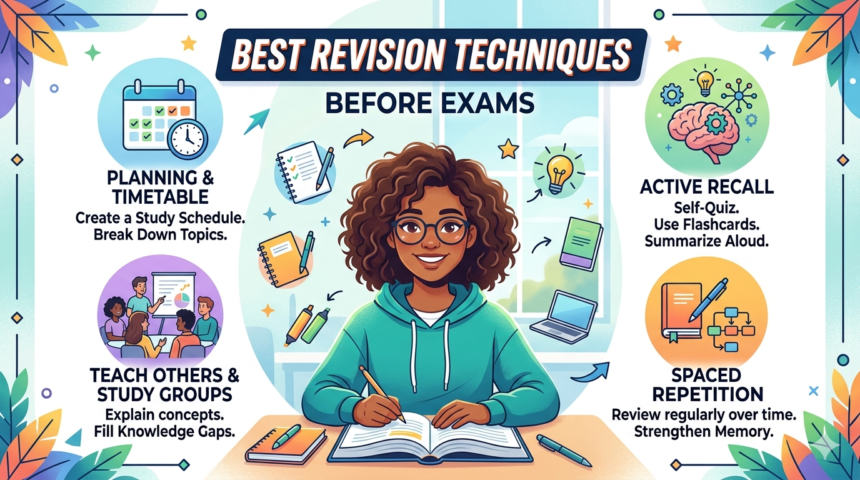
Understanding Revision and Its Importance
Revision is a vital process in education, encompassing the review and reinforcement of previously learned material. It involves re-engaging with the knowledge and skills acquired during lectures, readings, and other academic activities. This systematic approach not only aids in solidifying one’s understanding but also enhances long-term retention. By actively revisiting content, students can draw connections and deepen their comprehension, which is essential for academic success.
The cognitive processes involved in revision are multifaceted. When students engage in revision, they utilize various memory techniques, such as retrieval practice, which involves recalling information from memory without prompts. This method has been shown to significantly improve knowledge retention compared to passive study techniques. Furthermore, revision encourages students to engage in critical thinking, as they are required to analyze and synthesize information, leading to a more profound grasp of the subject matter.
Moreover, revision plays a crucial role in exam preparation. By consolidating knowledge and enhancing recall abilities, students can approach exams with greater confidence. Effective revision allows learners to identify areas of strength and weakness, enabling them to allocate their time and resources more efficiently. The act of revising can also reduce anxiety associated with assessments, as familiarity with the material often translates into increased performance on exam day.
Ultimately, the importance of revision cannot be overstated. It is a fundamental component of the learning process, contributing to a student’s ability to recall information, apply concepts, and achieve better results in examinations. Engaging consistently in effective revision techniques is key to optimizing academic performance, empowering students to succeed in their academic pursuits.
Effective Study Techniques
To enhance the effectiveness of your revision before exams, it is essential to implement various study techniques. Two highly regarded methods are spaced repetition and active recall, both of which have proven to improve long-term retention of information. Additionally, mind mapping serves as a valuable technique for visual learners, facilitating the organization of concepts in a clear and interconnected manner.
Spaced repetition involves revisiting information at increasing intervals over time. This technique leverages the psychological spacing effect, which suggests that learners retain information better when they are exposed to it multiple times across longer periods. For example, instead of cramming the night before an exam, review notes initially after one day, then again after three days, and finally after one week. This allows the brain to consolidate memories, thereby enhancing recall on exam day.
Active recall complements spaced repetition by encouraging learners to retrieve information from memory actively. Instead of passively re-reading textbooks or notes, students can utilize flashcards or practice quizzes that require them to answer questions without looking at their notes. For instance, after studying a chapter, a student might create flashcards with questions related to key concepts and test themselves repeatedly, which promotes deeper understanding and retention.
Mind mapping is another effective technique, particularly beneficial for visual learners or for subjects with numerous interrelated concepts. This method entails creating a visual representation of information, where a central idea is placed in the center of the map, with branches extending to related topics and sub-topics. This graphical organization not only helps in understanding how different concepts connect but also aids in recalling the information during the exam. Tools like XMind or simple paper and pencil can be used to create these diagrams.
Incorporating these methods into a revision schedule can substantially improve study efficiency and knowledge retention, ultimately leading to better performance in exams.
Creating a Revision Schedule
Establishing a well-structured revision schedule is integral to effective exam preparation. A personalized revision timetable allows students to allocate specific time slots to different subjects, ensuring a balanced approach to their studies. The first step in creating this schedule is assessing the subjects that require attention. Identify which subjects or topics pose the most challenges, as these may necessitate more focus and time within your overall schedule.
Next, set realistic goals regarding what you aim to achieve during your revision sessions. Establishing clear objectives allows students to track their progress and stay motivated. For instance, if your target is to understand a challenging concept or complete a certain number of past exam papers, write these goals down. Furthermore, distributing your revision sessions evenly throughout the week—while considering factors such as personal commitments, extracurricular activities, and leisure time—will prevent burnout and promote overall well-being.
Consider the Pomodoro Technique, which involves studying for 25 minutes followed by a 5-minute break. This technique maximizes focus and reduces mental fatigue, fostering a more productive study session. Additionally, balancing more difficult subjects with those you find easier can keep morale high and maintain your engagement with the material. Remember to include time for revision reviews, allowing for a summary of learned material and understanding of areas that may need further attention.
Lastly, regularly assess and adjust your revision schedule as necessary. Adaptability is key; if you find certain topics require more time or if unexpected events arise, make amendments to maintain an effective study rhythm. With diligence and a well-planned revision schedule, success in exams becomes achievable.
The Role of Practice Exams
Practice exams are an essential component of effective exam preparation. They serve multiple roles in helping students enhance their performance in actual test situations. Firstly, one significant benefit of taking practice exams is the ability to identify individual strengths and weaknesses. By simulating the exam environment, students can gauge their knowledge and understanding of various topics, allowing them to focus their revision efforts on areas where they may be deficient.
Additionally, practice exams play a crucial role in reducing exam anxiety. The more familiar one becomes with the exam format, the less intimidating it appears on the day of the actual test. Feeling prepared through regular practice can lead to increased confidence, which is vital for a successful performance. Moreover, experiencing the pressure of a timed examination can help students acclimate to these conditions, making them less likely to feel overwhelmed during the real exam.
Time management is another critical factor in achieving exam success, and practice exams provide an excellent opportunity to develop and refine these skills. By timing oneself during revision sessions, students can learn to allocate their time efficiently across different sections of the exam. This is particularly important in tests where questions carry different weightings and time constraints, making it essential to understand how to approach them methodically.
In summary, incorporating practice exams into a study routine is a strategic way to enhance exam readiness. They not only highlight areas for improvement but also help in building confidence and honing time management skills, all vital for achieving optimal results in any academic setting.
Study Groups and Collaborative Learning
Participating in study groups can significantly enhance the exam preparation experience for students. Through collaborative learning, individuals are able to tackle challenging concepts more effectively. The interaction within a group fosters deeper engagement with the material, encouraging members to articulate their understanding and clarify any uncertainties with peers. This exchange of ideas can lead to a more comprehensive grasp of complex subjects.
One of the primary benefits of group study is the variety of perspectives that participants bring. Each member possesses unique insights and interpretations that can illuminate different aspects of the subject matter. By discussing topics collaboratively, students can challenge each other’s viewpoints, leading to a more rounded understanding of the material. This diversity of thought not only enriches the learning experience but also promotes critical thinking skills as students learn to formulate and defend their own arguments.
In addition to enhancing comprehension, study groups serve to boost motivation. When individuals know that they are accountable to their peers, they are more likely to stay committed to their study schedule. The setting provides a structured approach to preparation, allowing participants to set goals and track progress collectively. This social aspect of studying creates a supportive environment where members encourage each other to stay focused and productive. Furthermore, the camaraderie built within study groups can alleviate the stress and anxiety often associated with exam preparation, cultivating a positive atmosphere conducive to learning.
In conclusion, forming a study group can be a highly effective revision strategy. It combines the benefits of collective knowledge, shared responsibility, and a supportive network. As students prepare for exams, harnessing the power of collaborative learning through study groups can lead to significant academic success.
Mindfulness and Stress Management
The process of revision, especially leading up to exams, can induce significant stress and anxiety. Therefore, integrating mindfulness techniques and effective stress management strategies is crucial for maintaining focus and enhancing cognitive function during this critical period. Mindfulness involves fully engaging with the present moment and can help students develop a healthier relationship with their study experience.
One effective mindfulness practice is meditation, which can be easily integrated into a revision schedule. Even short sessions, such as five to ten minutes of focused breathing or guided meditation, can clear the mind of distractions and promote concentration. Regular practice enhances one’s ability to remain present, which can lead to improved retention of information and better performance on exams.
Additionally, incorporating physical activity into revision routines can significantly alleviate stress. A simple walk or a brief workout can stimulate endorphin production, which helps to combat the negative effects of stress hormones. Studies have shown that exercise not only reduces anxiety but also boosts cognitive function, allowing for clearer thinking and better recall of complex information.
Another important aspect of mindfulness is maintaining a balanced routine. This involves ensuring that revision sessions contain breaks and that students engage in enjoyable activities to counteract the often monotonous nature of studying. Techniques such as the Pomodoro Technique, which promotes work in focused bursts followed by brief breaks, can help maintain concentration levels while also providing necessary downtime for the mind to rest.
In summary, employing mindfulness and stress management techniques is essential for optimizing the revision process. Students who invest time in these practices are likely to experience reduced levels of anxiety, improved focus, and enhanced cognitive capabilities, all of which contribute to a more effective study experience.
Utilizing Resources and Tools
Effective revision is crucial for academic success, and leveraging the right resources and tools can significantly enhance a student’s learning experience. Various applications and online platforms have emerged that facilitate better study habits and comprehension of exam material. For instance, digital platforms such as Quizlet and Anki provide interactive ways to memorize important concepts through flashcards and quizzes, allowing students to engage with content actively.
Moreover, the availability of educational apps tailored to specific subjects can help students focus on areas that require improvement. Applications like Khan Academy and Coursera offer a wide array of video tutorials and practice exercises that cover diverse topics, making it easier for students to consolidate their understanding in a subject. Utilizing these platforms not only reinforces knowledge but also makes studying more enjoyable, thus potentially increasing retention rates.
Furthermore, traditional resources such as textbooks should not be overlooked. Well-structured textbooks often provide comprehensive coverage of subjects, complete with review questions and exercises that aid in self-assessment. Students can benefit from dedicated study guides that condense essential information, making revision more efficient. Libraries and online databases also offer a wealth of resources, which can be invaluable during the revision process. By blending various resources—ranging from digital tools to printed materials—students can create a personalized study environment that caters to their unique learning preferences.
Ultimately, the careful selection and utilization of these resources and tools can streamline the revision process and enhance a student’s preparedness for exams. Identifying the most effective methods and incorporating them into one’s study routine will contribute significantly to academic success.
Nutrition and Physical Health for Optimal Revision
Maintaining proper nutrition and physical health is crucial for optimal revision and overall cognitive performance. Research indicates that what we consume can significantly influence our brain function, energy levels, and concentration abilities. A balanced diet rich in essential nutrients enhances memory retention and supports cognitive processes during study periods.
Incorporating a variety of foods is vital to ensure that the body receives necessary vitamins and minerals. Foods such as leafy greens, whole grains, lean proteins, and healthy fats provide the fuel needed for cognitive function. Omega-3 fatty acids, commonly found in fish, flaxseeds, and walnuts, have been linked to improved brain health and may aid in memory and learning capabilities. Moreover, antioxidants present in fruits and vegetables protect the brain from oxidative stress and support overall mental clarity.
In addition to a nutritious diet, physical health plays a pivotal role in effective revision. Engaging in regular physical activity not only boosts mood but also enhances cognitive function through improved blood circulation and increased oxygen flow to the brain. Activities such as walking, jogging, or even practicing yoga can relieve stress, ultimately leading to better focus and productivity during study sessions.
Furthermore, hydration should not be overlooked as it is essential for maintaining optimal brain function. Even slight dehydration can lead to reduced concentration and fatigue, hindering revision efforts. Throughout the study periods, individuals should aim to consume adequate amounts of water daily to support optimal cognitive performance.
In conclusion, prioritizing a healthy diet and physical activity can significantly improve cognitive function and overall efficiency during revision. By implementing these nutritional strategies and lifestyle habits, individuals can maximize their potential and improve their performance in exams.
Final Tips and Motivational Strategies
As the exam period approaches, it is crucial to maintain both focus and motivation. This final section presents a collection of tips designed to guide students through their revision journey in a constructive manner. One of the most effective strategies is to use positive affirmations. These affirmations can help build self-confidence and reinforce the belief that success is within reach. Phrases such as “I am prepared for this exam” or “I have the skills to succeed” can be recited daily to foster a positive mindset.
Additionally, celebrating small victories during the revision process is essential. Recognizing even the smallest achievements can provide a significant boost in motivation. For instance, finishing a chapter or mastering a challenging concept should be acknowledged and celebrated. This practice encourages continued effort and reinforces the idea that progress is being made, which is vital for maintaining long-term motivation.
Another important factor in effective revision is the environment. Ensure that your study space is conducive to learning; a clean, organized, and distraction-free environment can facilitate focus. Incorporating regular breaks into your study schedule can also prevent burnout, making it easier to retain information. During these breaks, engage in physical activities or mindfulness practices, which have been shown to improve overall mental clarity and focus.
Lastly, remember that cultivating a positive mindset is essential. Replace any negative thoughts with positive ones and remind yourself of your capabilities. Surround yourself with supportive friends and peers who can uplift your spirits. This network can provide motivation and encouragement when challenges arise. By integrating these final tips and motivational strategies into your revision routine, you will enhance your readiness for the exams ahead.