


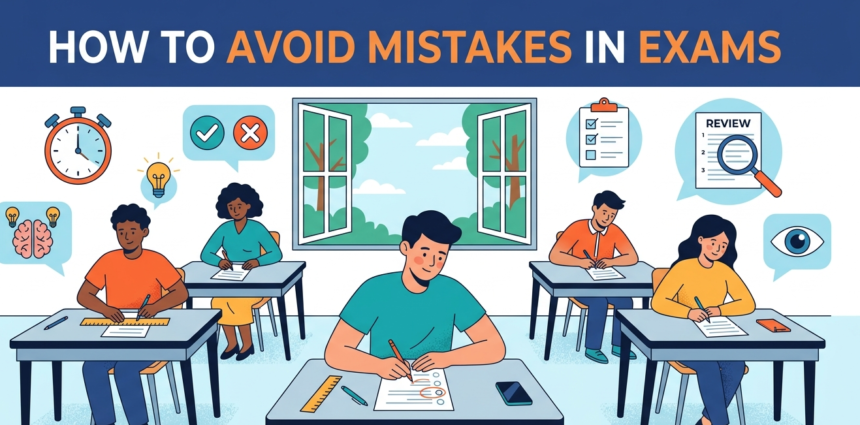
Understanding Common Exam Mistakes
Exams can be a significant source of stress for many students, and the pressure to perform well can often lead to a variety of common mistakes. Recognizing these errors is a crucial step in avoiding them. One major category of errors is misunderstanding questions. This typically occurs when students fail to fully comprehend what is being asked, which may lead them to provide incomplete or irrelevant answers. For instance, a student might overlook keywords such as “not” or “except” in a question, which can drastically alter the meaning and requirements of the answer.
Another prevalent mistake involves time mismanagement. Often, students allocate their time ineffectively during an exam, spending too long on easier questions and leaving insufficient time for more complex problems. This can lead to rushed answers or unfinished sections, significantly affecting their overall score. An example could be a student who spends twenty minutes on a single multiple-choice question when they have several open-ended responses that require more thought and analysis.
Additionally, overlooking instruction details is another common error that students face. Many exams include vital instructions related to format, required materials, and specific answer procedures. Ignoring these instructions could lead to loss of points. A student might disregard the requirement to show all work for a math problem or fail to understand how many questions they need to answer in total, thus jeopardizing their potential score.
In understanding these common exam mistakes, students are better equipped to identify potential pitfalls before an exam, enabling them to develop strategies that enhance their performance and reduce errors during testing scenarios.
The Importance of Preparation
Thorough preparation is a cornerstone of successful exam performance. It provides the foundation required to minimize mistakes and boosts confidence during the actual test. An effective study routine encompasses several habits that are crucial for maximizing retention and understanding of the material. One of the primary aspects of preparation is the establishment of a consistent study schedule, which allows students to allocate sufficient time for each subject area. This organizational skill can help in prioritizing topics based on their difficulty and importance, leading to a more focused study approach.
Incorporating various study materials can further enhance the understanding of complex subjects. Utilizing textbooks, lecture notes, and online resources facilitates a well-rounded study plan. Moreover, creating summaries and concept maps can aid in reinforcing knowledge and making connections between different topics. Another effective technique is the use of practice tests. These assessments serve not only as a gauge of one’s knowledge but also as a simulation of the exam environment, which can significantly decrease anxiety and improve performance on the actual test day.
Additionally, developing good organizational skills is vital in minimizing mistakes during exams. This can include keeping track of important dates, materials needed for studying, and deadlines for completing assignments. Setting specific goals for each study session can also enhance focus and productivity. Ultimately, a combination of thorough preparation, the use of varied study materials, and sound organizational practices creates an advantage that can greatly reduce the likelihood of errors on exam day. Students who invest time in preparing effectively are likely to navigate examinations with greater ease and accuracy, thereby achieving desired outcomes.
Effective Time Management Strategies
Effective time management during exams is crucial for achieving optimal performance and avoiding careless mistakes. A well-structured approach can help students maximize their efficiency, thereby improving their overall exam experience. One of the first strategies is to familiarize oneself with the exam format and allocate time wisely for each section based on the questions’ weightage. For instance, if an exam comprises ten questions, and each question is worth ten points, it is advisable to plan to spend around five to six minutes on each question, allowing time for review at the end.
Another effective technique involves prioritizing questions. It is beneficial to read through the entire exam initially and identify questions that are easier or more familiar. Tackling these questions first can build confidence and establish a rhythm that may help tackle more challenging items later. Conversely, one should also recognize questions that may take significantly longer to answer. In such cases, if there is uncertainty regarding a response, leaving it for afterward allows students to secure points from easier questions first.
Keeping track of time throughout the examination is also essential. Using a watch or the timer provided can help students monitor their progress. A good practice is to set mini-deadlines, checking progress against the total time remaining. This prevents the risk of spending excessive time on any single question. Including short breaks for recalibrating focus can further enhance efficiency. By carefully managing time, students can reduce anxiety and ensure that they address all questions, which ultimately contributes to a more successful exam performance.
Reading Instructions Carefully
Reading instructions carefully is a critical aspect of preparing for and succeeding in any examination. Misunderstanding or overlooking instructions can lead to significant errors, oftentimes resulting in lost marks or incorrect responses. Students should recognize that each instruction serves a purpose and is designed to guide them through the assessment process effectively. Ignoring these directions can compromise performance and lead to unintended consequences.
To minimize the chances of such mistakes, students should adopt a systematic approach before embarking on the examination. First, it is essential to allocate adequate time to read through the instructions. Often, students rush through this initial phase, eager to dive into answering questions. However, taking a few extra moments to glance over all provided instructions is crucial. Understanding the specifics, such as the number of questions to answer, the marking scheme, and any particular formats required, will set a strong foundation for the exam.
Additionally, it is beneficial to underline or highlight key directives within the instructions. This technique not only aids in comprehension but also serves as a useful reference point during the examination. Students are encouraged to re-read aspects of the instructions whenever necessary, especially when transitioning between different sections of the exam. Doing so reinforces clarity and helps mitigate mistakes that may arise from unintentional misinterpretations.
Furthermore, taking a moment to review the exam layout and structure can bolster confidence and provide clarity on what is expected. For instance, if a section requires multiple-choice answers while another anticipates essay format responses, being acutely aware of such distinctions will ultimately save students from costly errors. By prioritizing careful reading of instructions, exam-takers can significantly enhance their potential for success.
Practice Makes Perfect
One of the most effective strategies for minimizing mistakes during exams is to engage in regular practice through mock exams. This approach not only aids students in becoming familiar with the various question formats encountered during actual testing but also helps them adapt to the often-stressful time constraints inherent to examinations. By simulating the exam environment, students can reduce anxiety and develop a level of comfort with the process that enhances overall performance.
When students practice under real exam conditions, they can better manage their time and prioritize questions effectively. Practicing with a timer allows students to learn how long they can spend on each question, ensuring they do not run out of time. Time management is critical in an exam situation, where the pressure to complete all questions can lead to rushed answers and increased errors.
Moreover, practice exams facilitate the identification of knowledge gaps. By regularly testing themselves, students can pinpoint areas where they struggle and focus their study efforts more efficiently. This targeted practice not only diminishes mistakes but also reinforces the understanding of the content. In essence, repeated exposure to the material through practice tests solidifies knowledge and enhances retention.
The feedback obtained from practice exams is invaluable. By reviewing incorrect answers, students can analyze their thought processes and learn from their errors, training themselves to avoid similar mistakes in future examinations. This reflective practice cultivates a deeper understanding and ultimately leads to improved performance. Thus, integrating a consistent practice schedule into one’s study routine becomes paramount for any student who aims to minimize mistakes and excel in their exams.
Managing Exam Anxiety
Exam anxiety is a common challenge that many students face, often leading to mistakes and poor performance during crucial assessments. Understanding the connection between anxiety and exam performance is essential for developing effective strategies to manage stress. Anxiety can manifest in various forms, including racing thoughts, physical symptoms, and an inability to concentrate, all of which hinder a student’s ability to recall information accurately.
One effective way to manage exam anxiety is through relaxation techniques. Deep breathing exercises can be particularly beneficial. By taking slow, deep breaths, students can reduce physical tension and create a sense of calm. Additionally, practicing mindfulness or meditation before the exam can help students remain grounded, allowing for better focus during the test. Simple techniques like progressive muscle relaxation, where students systematically tense and release different muscle groups, can also mitigate anxiety levels.
Another crucial component in managing anxiety is the cultivation of a positive mindset. Affirmations and visualizations can serve as powerful tools. Students can benefit from visualizing themselves succeeding in the exam, which helps foster confidence and reduce fear of failure. Moreover, reframing negative thoughts such as “I am going to fail” to more positive and realistic statements can significantly alter the mental dialogue that arises before and during an exam.
Date preparation is also essential. Being well-prepared not only boosts self-confidence but reduces fear of the unknown, a significant anxiety trigger. Developing a structured study plan can facilitate better understanding and retention of material. Factors such as sleep, nutrition, and physical activity also play a role; students should prioritize their well-being leading up to the exam day.
Incorporating these techniques into routine study habits can help ensure that anxiety does not translate into mistakes during exams, allowing students to perform at their best.
Reviewing Your Answers
Reviewing answers at the end of an exam is a crucial step that can significantly impact the overall performance of a student. It is during this time that one can identify potential mistakes, clarify uncertainties, and ensure that the responses align with the questions asked. The importance of this step cannot be underestimated, as it allows students to rectify errors and enhance the quality of their submissions.
To effectively review answers, students should develop a systematic approach. Start by allocating a specific time at the end of the exam for review, ideally 10 to 15 minutes, depending on the exam’s length. This dedicated review period encourages a thorough examination of all answers and prevents the rush to finish before the deadline. It is beneficial to read each question and corresponding answer carefully, looking for basic errors such as misinterpretation or omitted information.
One effective strategy is to double-check calculations in quantitative subjects. Errors often occur due to minor arithmetic mistakes or misreading questions. Therefore, retracing steps in calculations or rewriting answers can help catch any inaccuracies. For written responses, students should verify that their answers are clearly articulated and directly answer each question, revising any ambiguous wording.
Moreover, paying attention to exam instructions regarding the desired format and length of answers is paramount. Students should ensure that they have adhered to guidelines such as word limits or specific answer formats. Reviewing can also involve cross-checking answers with other sections of the exam to maintain consistency and avoid contradictions.
In essence, taking the time to review answers before submission can be a pivotal aspect of an exam strategy. By employing a methodical approach to this process, students can enhance their chances of achieving a better score and minimizing mistakes that could undermine their efforts throughout the examination.
Learning from Past Mistakes
One of the most effective strategies for academic improvement is learning from past mistakes made during examinations. Students often find that analyzing their previous performances not only sheds light on their weak points but also serves as a guiding framework for their future preparation. The first step in this process is to gather data from past exams, including test results, feedback from instructors, and any notes taken during the assessment. This information forms a critical basis for reflection.
To begin with, students should review the types of questions they struggled with the most. Were these questions based on specific subjects, or did they involve particular formats such as multiple-choice or essays? Understanding the nature of the questions that posed challenges can provide clarity on which areas require focused study. Additionally, it helps in recognizing whether the difficulties arose from a lack of comprehension, inadequate preparation, or test anxiety.
Next, it is essential to identify any patterns in the mistakes made. For instance, if a student frequently misunderstands questions, this might indicate a need to improve reading comprehension skills. Conversely, if errors stem from time management during the exam, practicing pacing strategies and timed quizzes can be advantageous. Furthermore, students should consider seeking guidance and feedback from teachers or peers who can offer insights into common pitfalls.
Implementing changes based on these analyses is crucial. This might involve adjusting study methods, such as incorporating more active learning practices, utilizing past exams for practice, or collaborating with study groups to gain different perspectives. By establishing a systematic approach to learning from past mistakes, students can transition from merely acknowledging areas for improvement to actively taking steps that lead to enhanced performance in future exams. Over time, this iterative process fosters resilience and confidence in one’s academic abilities.
Creating an Exam Day Checklist
Preparing a personalized exam day checklist is an effective strategy to mitigate the risk of errors during examinations. By systematically organizing your materials and actions, you can ensure that you are fully prepared and minimize potential stress. Begin by compiling a list of essential items that you must bring with you on the exam day. These often include items such as your identification, examination admission ticket, pens, pencils, erasers, and a calculator if permitted. Additionally, consider including water and snacks that can help maintain your energy levels.
Next, create a list of steps to take prior to entering the exam room. This could encompass arriving at the venue early enough to find your exam room, reviewing the examination policies, and taking a moment to relax and focus. Arriving early allows you ample time to settle in and reduce anxiety, creating a conducive environment for success. Ensure that you are familiar with the layout of the examination center as well, to avoid any last-minute confusion.
In addition to these items and actions, consider adding reminders to your checklist. These could include specific mental preparations such as positive affirmations or stress-relief techniques that you plan to employ before starting the exam. Some students find that brief breathing exercises can help alleviate anxiety. Lastly, confirm that you have charged devices if you are permitted to use any technology during the exam.
Ultimately, a well-structured exam day checklist assists you in focusing on the examination itself rather than logistical concerns, significantly enhancing your performance. It serves as a vital tool to ensure you do not overlook any critical components needed for a successful testing experience.