

Understanding Examination Anxiety
Examination anxiety is a psychological response characterized by feelings of nervousness and apprehension before or during assessments. It is a common phenomenon among students, particularly in high-pressure academic environments. The sources of this anxiety can be multifaceted, including fear of failure, high expectations from parents and teachers, and the perceived importance of grades for future opportunities. Additionally, personal factors such as perfectionism, lack of preparation, and previous negative experiences with examinations may exacerbate these feelings.
The symptoms of examination anxiety can manifest both physically and psychologically. Common physical symptoms include increased heart rate, sweating, and gastrointestinal distress, all of which can impede a student’s ability to concentrate and perform effectively during examinations. Psychologically, students may experience intrusive thoughts, a sense of impending doom, or excessive worry about their performance. These symptoms not only affect the individual’s ability to perform during assessments but can also have long-term implications for their overall mental health.
Furthermore, the impact of examination anxiety extends beyond the classroom. Students may find themselves feeling overwhelmed in various aspects of their lives, influencing their social interactions, self-esteem, and motivation. The pressure to succeed can create a cycle of anxiety that hinders performance and perpetuates negative feelings toward academic pursuits. Understanding the complexities of examination anxiety is crucial for both students and educators, as addressing this issue is vital in fostering a healthier academic environment where students can thrive.
The Importance of Psychological Resilience
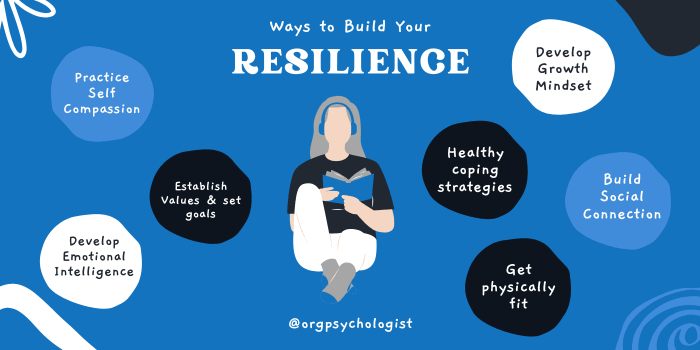
Psychological resilience refers to the ability to adapt and thrive in the face of adversity, stress, or challenging situations. It encompasses the various strategies and skills that enable individuals to cope with setbacks, recover from disappointments, and maintain an optimistic outlook even during difficult times. This quality is particularly essential for students who frequently encounter pressures such as examinations, which can induce significant levels of anxiety and stress.
Developing resilience is a crucial factor in a student’s academic journey, as it equips them with the tools necessary to manage their emotions and reactions to high-pressure situations. In the context of examination anxiety, resilience plays a pivotal role in how students prepare and approach their exams. The ability to remain focused, calm, and composed, while facing obstacles, can significantly enhance not only academic performance but also overall well-being.
Research has shown that students who cultivate resilience are better able to cope with the demands of academic life. They tend to exhibit higher levels of motivation, engage in positive self-talk, and are more likely to seek support from peers or educators when needed. Thus, resilience not only benefits academic performance but also contributes to the development of essential life skills such as problem-solving, time management, and emotional regulation.
Furthermore, fostering resilience creates a positive feedback loop. As students learn to navigate pressures effectively, their confidence grows, enabling them to tackle future challenges with increased assurance. Therefore, understanding the importance of psychological resilience is vital for students, as it enhances their ability to handle stressors associated with examinations and beyond.
Techniques for Building Resilience
Psychological resilience is crucial when it comes to coping with examination anxiety. There are several effective techniques that students can incorporate into their study routines to build resilience and effectively manage their anxiety levels. Three of these techniques include cognitive restructuring, positive self-talk, and mindfulness practices.
Cognitive restructuring involves identifying and challenging negative thoughts associated with examinations. Students often experience overwhelming beliefs that they are unprepared or will fail. By learning to recognize these distortions, one can replace them with more balanced and positive perspectives. For instance, instead of thinking, “I will surely fail this exam,” a student can reframe this thought to, “I have prepared well, and I will do my best.” This technique not only reduces anxiety but also encourages a healthier approach to challenges.
Another important strategy is the practice of positive self-talk. This technique involves encouraging oneself through affirmations and constructive dialogues, particularly during stressful times. For instance, using phrases like “I am capable of overcoming challenges” can foster a strong internal dialogue that reinforces confidence and resilience. Positive self-talk can counteract anxious thoughts and instill a sense of control and motivation, which are both essential for managing examination anxiety successfully.
Finally, mindfulness practices have gained prominence as effective tools for building resilience. Mindfulness entails anchoring oneself in the present moment and cultivating awareness of thoughts, feelings, and physical sensations without judgment. Techniques such as meditation or focused breathing exercises help calm the mind, allowing individuals to confront anxiety with a sense of groundedness. By regularly integrating mindfulness into their routine, students enhance their ability to respond to stressors with clarity and composure.
Employing these techniques—cognitive restructuring, positive self-talk, and mindfulness practices—can significantly improve psychological resilience. By fostering a more adaptive mindset, students equip themselves with the tools necessary to navigate exhibition anxiety with confidence and ease.
Mindfulness and Meditation Practices
Mindfulness and meditation have gained significant recognition as effective strategies for mitigating examination anxiety among students. These practices focus on cultivating awareness and presence, thus helping individuals to manage stress and anxiety more effectively. Incorporating mindfulness and various forms of meditation into one’s study routine can lead to improved concentration and a more balanced emotional state.
One promising approach is guided meditation, in which an individual listens to the instructions of a facilitator, either in person or via an audio recording. Guided meditation typically includes visualizations and affirmations that encourage relaxation and focus, making it especially helpful for students preparing for exams. This method allows students to engage in a structured form of meditation, which can be less intimidating for beginners.
Breathe-focused meditation is another valuable technique. It involves focusing attention on the breath, which serves as an anchor to the present moment. Students can practice this type of meditation by simply taking slow, deep breaths, observing the sensation of inhalation and exhalation. Engaging in even a few minutes of breath-focused meditation can help to reduce stress levels and clear mental clutter, enabling better retention of information when studying.
In addition to traditional meditation practices, mindfulness exercises can also be beneficial. These exercises can be as simple as practicing mindful listening or savoring a meal without distractions. The primary aim is to foster a heightened sense of awareness in everyday activities, which can help alleviate feelings of overwhelm that often accompany exam preparations.
By integrating mindfulness and meditation into their daily routines, students can cultivate resilience against the pressures of examinations, fostering a sense of calm and clarity as they approach their academic challenges.
Time Management Strategies
Effective time management plays a crucial role in minimizing examination anxiety. By organizing study schedules, prioritizing tasks, and balancing workload, students can create an environment conducive to learning and reduce last-minute stress. One practical approach is to develop a detailed study timetable that allocates specific times for revising each subject or topic. By breaking down study materials into manageable parts, students can avoid the overwhelming feeling of cramming, which often leads to heightened anxiety.
To enhance productivity, it is essential to identify and prioritize tasks based on their importance and deadlines. A useful technique is the Eisenhower Matrix, which categorizes tasks into four quadrants: urgent and important, important but not urgent, urgent but not important, and neither urgent nor important. This system enables students to focus on what truly matters and to allocate their time effectively, thereby mitigating stress associated with looming deadlines.
Additionally, incorporating regular breaks within study sessions can significantly alleviate mental fatigue and anxiety. Techniques such as the Pomodoro Technique suggest studying for 25 minutes, followed by a 5-minute break. This method not only helps to maintain focus but also gives the mind a chance to recharge, ultimately enhancing retention and understanding of the material.
Balancing academic workload with personal activities is also essential for maintaining psychological resilience. Engaging in hobbies, socializing, or practicing relaxation techniques such as mindfulness and meditation can provide necessary breaks from study, helping to maintain overall well-being. When students feel balanced between their revision and personal lives, they are likely to experience decreased anxiety levels during examination periods.
Seeking Support: Building a Support Network
Exam preparation can often lead to increased stress and anxiety for students. One of the most effective strategies to mitigate this anxiety is through the establishment of a robust support network. Social support, whether from friends, family, or mentors, plays a crucial role in fostering psychological resilience. This network not only provides emotional backing but can also enhance motivation and self-esteem during challenging times.
Friends and family members act as vital pillars of support, offering encouragement and understanding. Engaging with peers who share similar anxieties about examinations can create an environment conducive to sharing experiences and coping strategies. This collaborative effort can reduce feelings of isolation, fostering a sense of belonging. Furthermore, it is beneficial for students to openly discuss their feelings with those close to them. Opening up about concerns related to exams can validate their emotions while also allowing for constructive feedback and reassurance.
In addition to personal connections, seeking out mentors or educators can prove advantageous. A mentor can provide not only academic guidance but also personal insights that can help in managing anxiety. Students should actively seek opportunities to connect with teachers or tutors who can offer both subject-related support and general life advice. This dual role can be invaluable, as it bridges the gap between academic pressures and emotional well-being.
To build a strong support network, students are encouraged to join study groups, participate in academic workshops, or engage in extracurricular activities that promote teamwork. These initiatives not only bolster academic performance but also foster connections with others who may provide emotional and moral support. By proactively cultivating these relationships, students can significantly enhance their resilience against examination anxiety, ensuring a more balanced and confident approach during their study period.
Healthy Lifestyle Choices
Managing examination anxiety is a multifaceted process that heavily relies on physical health. One of the primary strategies to bolster psychological resilience is through the incorporation of healthy lifestyle choices, which play a crucial role in both reducing anxiety and enhancing academic performance.
Regular exercise serves as an essential tool in combating anxiety levels. Physical activity not only helps to release endorphins, also known as the “feel-good” hormones, but also fosters a sense of accomplishment and personal discipline. Engaging in activities such as jogging, yoga, or even brisk walking can significantly alleviate stress and improve mood. Studies have shown that consistent physical exercise enhances cognitive functions, which can lead to improved focus and retention of information vital for exam success.
In addition to exercise, a balanced diet is fundamentally important in sustaining energy levels and cognitive function. Nutrient-rich foods, such as fruits, vegetables, whole grains, and lean proteins, provide essential vitamins and minerals that facilitate optimal brain health. Incorporating omega-3 fatty acids found in fish, walnuts, and flaxseeds has been linked to improved brain function and reduced feelings of anxiety. Staying hydrated is equally vital; insufficient water intake can lead to fatigue and a decrease in concentration, exacerbating anxiety during exam periods.
Lastly, adequate sleep cannot be overlooked. A good night’s rest is integral to emotional regulation and cognitive performance. Sleep provides the body with the necessary time to recover and process information, which is particularly important for students preparing for exams. Establishing a consistent sleep schedule and creating a restful environment can significantly improve sleep quality and, consequently, resilience against examination-related stresses.
In summary, embracing a healthy lifestyle through regular exercise, a balanced diet, and sufficient sleep creates a strong foundation for managing anxiety. These interconnected elements foster resilience and ultimately enhance academic performance during examination periods.
Tech-Enabled Coping Strategies
In today’s fast-paced digital age, technology can serve as a powerful ally in the pursuit of psychological resilience, particularly for students facing examination anxiety. Several applications and online resources are designed specifically to foster resilience and promote effective anxiety management strategies. These tech-enabled tools not only offer immediate support but also facilitate long-term coping skills aimed at reducing stress during high-pressure situations such as exams.
One particularly effective category of resources includes mental health apps. For instance, applications like Calm and Headspace provide guided meditation and mindfulness exercises, which are proven techniques for alleviating anxiety. Users can schedule short sessions throughout their day to practice deep breathing or visualizations, thereby enhancing their emotional regulation and preparing their minds for the challenges of examination periods. Additionally, apps like Pacifica and Woebot offer cognitive-behavioral therapy (CBT) techniques, allowing students to monitor their thoughts and feelings while providing personalized feedback and coping strategies.
Moreover, online courses focused on resilience building can significantly augment mental wellness during examinations. Platforms such as Coursera and Udemy offer a variety of courses tailored to developing emotional intelligence and resilience. These courses often combine theoretical knowledge with practical exercises that students can incorporate into their study routines. By participating in online workshops or seminars that emphasize stress management and emotional resilience, students can learn from experts and foster a more adaptive mindset.
In addition to these specific resources, forums and support networks available on social media platforms provide a sense of community. Engaging with peers can mitigate feelings of isolation, enabling students to share experiences and coping mechanisms. By taking advantage of these tech-enabled coping strategies, students can cultivate resilience and significantly decrease anxiety levels as they prepare for their examinations.
Creating a Personal Resilience Plan
In developing a personalized resilience plan, students can systematically address examination anxiety by incorporating various psychological resilience strategies. The first step is to self-assess personal triggers and stressors related to exams. By identifying these factors, students can target specific strategies that cater to their unique situations.
Next, it is crucial to establish realistic goals for study sessions. Setting achievable objectives helps create a structured approach to learning, thereby alleviating the overwhelming feeling often associated with examinations. For example, dividing the syllabus into manageable portions and allocating timeframes for each section can enhance focus and prevent procrastination.
Incorporating mindfulness techniques is another effective strategy. Activities such as deep-breathing exercises, meditation, or yoga can significantly reduce anxiety levels. Allocating time for these practices before study sessions or exams helps create a calm mind, which is conducive to learning and retention of information.
A significant aspect of the resilience plan involves fostering a supportive environment. This could mean discussing concerns with peers, family members, or mentors, thereby reducing feelings of isolation. Forming or joining study groups allows for knowledge sharing and emotional support, essential components in managing stress.
Consistency in maintaining the resilience plan is vital. This means revisiting and refining the strategies as the examination date approaches. Regularly documenting progress in a journal can also be beneficial, enabling students to reflect on what works well and what requires adjustment.
Lastly, preparing for the emotional aspects of exams is crucial. Recognize that feeling anxious is a normal reaction to exams. Understanding this can help mitigate negative self-talk and enhance overall confidence. By following this structured approach, students can create a comprehensive resilience plan that effectively combats examination anxiety.