


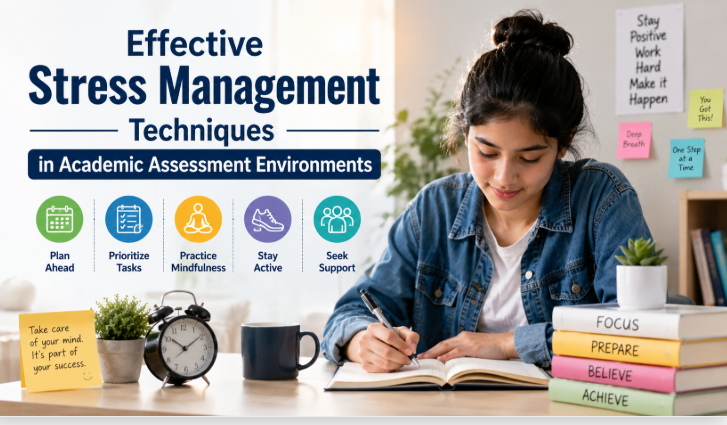
Understanding Stress in Academic Settings
Stress is a pervasive phenomenon that can significantly influence students in academic environments, particularly during assessment periods. The nature of stress in these settings is multifaceted, involving physiological, emotional, and cognitive components that collectively affect students’ performance and well-being.
Physiologically, stress triggers a series of hormonal responses in the body, leading to symptoms such as increased heart rate, heightened blood pressure, and muscle tension. These physiological changes are part of the body’s natural fight-or-flight response, which, while beneficial in moderate amounts, can become detrimental when faced with prolonged academic pressure. Such stress responses can hinder cognitive functions, subsequently impacting a student’s ability to think critically and efficiently perform under assessment conditions.
Emotionally, students might experience feelings of anxiety, frustration, or depression, especially when faced with stringent deadlines or high expectations set by themselves or their educators. These emotions can create barriers to effective studying and preparation, as the overwhelming sense of stress might lead to procrastination or avoidance behaviors, further compounding the issue. Moreover, the fear of failure can exacerbate these feelings, creating a vicious cycle that makes it increasingly difficult to engage with academic tasks.
Cognitive impacts of stress are equally significant. When students are stressed, their cognitive capacities may be compromised, limiting their focus, retention, and ability to process information effectively. This cognitive impairment can manifest during assessments, leading to suboptimal performance and reinforcing a negative feedback loop concerning their academic abilities. Common triggers of stress in academic contexts include tight deadlines, competitive environments, and unrealistic personal or external expectations. Understanding these facets of stress is essential to implementing effective stress management techniques that promote resilience and enhance student outcomes in academic assessments.
The Importance of Stress Management
Stress management plays a pivotal role in academic settings, where students frequently face numerous pressures from coursework, examinations, and extracurricular activities. The ability to effectively manage stress is not merely beneficial; it is essential for enhancing academic performance and promoting overall well-being. When students develop strong stress management techniques, they are better equipped to navigate the challenges of academic life, leading to improved decision-making and increased focus on their studies.
Moreover, the relationship between stress management and mental health cannot be overstated. Chronic stress can lead to anxiety, depression, and other mental health issues, which directly impact a student’s ability to perform academically. By incorporating stress management strategies, such as mindfulness, time management, and relaxation techniques, students can mitigate the negative effects of stress on their mental health and academic success.
Effective stress management not only enhances individual performance but also fosters a more conducive learning environment. When students are equipped with proper coping strategies, they are less likely to experience burnout and more likely to engage actively in their academic endeavors. This engagement not only boosts academic achievement but also contributes positively to one’s self-esteem and confidence.
In light of these considerations, it becomes increasingly clear that prioritizing stress management in academic settings is crucial. Implementing comprehensive stress management programs within educational institutions can provide students with the necessary tools to thrive. Institutions that recognize the importance of managing stress can cultivate a culture that values mental health, consequently improving the overall academic experience for students.
Mindfulness and Meditation Techniques
Mindfulness and meditation techniques have gained recognition as effective methods for managing stress, particularly in academic assessment environments. These techniques cultivate a state of mental clarity and emotional stability, which can significantly improve focus and reduce anxiety levels prior to examinations.
One of the simplest yet most effective mindfulness techniques is focused breathing. This practice involves redirecting your attention to the breath, particularly the sensation of inhalation and exhalation. To begin, find a comfortable sitting position and close your eyes. Inhale deeply through your nose for a count of four, hold the breath for a count of four, and then exhale slowly through your mouth for a count of six. Repeat this cycle for several minutes, allowing any distracting thoughts to float away as you concentrate solely on your breath.
Another beneficial technique is the body scan. This exercise encourages practitioners to systematically focus on different parts of the body, bringing awareness and releasing tension. To perform a body scan, lie down in a quiet space and close your eyes. Start at the tips of your toes, noticing any sensations, tension, or discomfort. Gradually move your focus up through your legs, torso, arms, and neck, all the way to the crown of your head. Acknowledging each area can help release accumulated stress, promoting relaxation.
For those seeking a more guided approach, guided imagery can be particularly effective. This technique involves imagining a peaceful scenario or location that invokes a sense of calm. You may choose to visualize a serene beach, a tranquil forest, or any place that resonates with you personally. Engaging all your senses in this imagery—what you might see, hear, and even smell—can aid in alleviating anxiety and enhancing your emotional state before academic assessments.
Incorporating these mindfulness and meditation techniques into your daily routine can significantly bolster your ability to manage stress effectively. The key is to practice regularly and find the methods that resonate with you personally, leading to improved well-being and performance.
Time Management Strategies
Effective time management is essential for alleviating stress, especially in academic assessment environments. Students often experience pressure from deadlines and workload, making it crucial to implement strategic approaches that help them manage their time efficiently. One primary technique is task prioritization. By identifying which assignments or projects are of the highest importance and deadlines, students can focus their efforts where they will have the most significant impact and minimize feelings of being overwhelmed.
Creating a structured schedule is another valuable approach. A well-organized timetable delineates not just deadlines, but also allocates specific hours in the day for studying, attending classes, and relaxing, thus bringing balance to the academic workload. Utilizing digital tools or physical planners can significantly enhance the ability to stick to further developed schedules. Moreover, a visual representation of tasks can remind students of their responsibilities while providing a sense of accomplishment as they check items off.
To-do lists are effective for maintaining focus and ensuring nothing important is overlooked. Students should make it a habit to update their lists daily, prioritizing items based on urgency and importance. This practice not only keeps academic tasks organized but also empowers students with a clearer sense of control over their workload. Additionally, breaking down larger projects into smaller, manageable steps allows for incremental progress and an increased sense of achievement. This way, students can focus on completing each segment, reducing the anxiety associated with large tasks.
In conclusion, implementing time management strategies such as prioritizing tasks, creating schedules, utilizing to-do lists, and segmenting larger projects can significantly alleviate stress in academic settings. These approaches foster a sense of control and organization, allowing students to navigate their assignments more effectively and maintain their mental well-being.
Physical Activity and Its Benefits
Engaging in regular physical activity plays a crucial role in managing stress, particularly in high-pressure environments like academic assessments. Physical activities, including aerobic exercises, yoga, and even short bursts of movement, can significantly contribute to overall well-being and emotional balance.
Aerobic exercises such as running, cycling, and swimming are particularly effective in reducing stress levels. These activities stimulate the production of endorphins, often referred to as “feel-good” hormones, which can enhance mood and create a sense of euphoria. Additionally, aerobic exercises improve cardiovascular health, aiding in better oxygen flow to the brain, which can enhance cognitive function during stressful times.
Yoga, on the other hand, offers a unique blend of physical and mental benefits. It emphasizes deep breathing and mindfulness, promoting relaxation and reducing anxiety. By practicing yoga, students can cultivate a greater sense of awareness and control over their thoughts, helping them navigate the challenges of academic assessments. Research has indicated that individuals who regularly engage in yoga experience lower levels of stress and improved emotional resilience.
Incorporating short bursts of physical activity throughout the day can also be beneficial. Simple activities, such as taking a brisk walk during study breaks or performing a quick set of exercises, can reinvigorate the mind. These brief interludes can combat fatigue, enhance focus, and provide a necessary mental reset, particularly during intense study periods.
There is a clear link between physical activity and stress management. Regular exercise not only contributes to physical health but also fosters mental clarity and emotional stability, essential for succeeding in academic environments. Establishing a consistent routine that includes various forms of physical exercise can empower students to cope with the demands of their studies more effectively.
Developing a Support System
In the context of academic assessment environments, stress management is crucial for students aiming to achieve their full potential. One of the most effective ways to alleviate stress is by cultivating a robust support system, which can significantly enhance emotional well-being. Social support provided by friends, family, and mentors plays an indispensable role in enabling students to navigate the pressures of academic life.
Building a network of support begins with identifying individuals who can offer empathy, encouragement, and understanding. It is beneficial to connect with classmates, as they often share similar experiences and challenges. Forming study groups can not only aid in academic success but also foster camaraderie, creating a sense of belonging that can mitigate feelings of isolation during stressful periods.
Family members also contribute significantly to a student’s emotional support system. Open communication about academic pressures can enhance familial relationships, leading to a nurturing environment where students feel valued and understood. Moreover, family support can come in the form of practical assistance, such as helping create a conducive study environment or managing other responsibilities, allowing students to focus on their academic pursuits.
Mentorship is another critical aspect of developing a support network. Students should seek out mentors, whether they are educators, older students, or professionals in their field of interest. Mentors can provide invaluable guidance, sharing their insights on effective stress management techniques during assessments and offering encouragement in times of need.
To build these relationships, students can engage in campus activities, workshops, or social events addressing interests aligned with their academic goals. It is essential to actively nurture these connections through regular check-ins, collaboration, and shared experiences, reinforcing the foundation of mutual support. By effectively developing a strong support system, students equip themselves with the necessary resources to successfully manage stress during academic assessments.
Effective Study Techniques
In today’s fast-paced academic environments, effective study techniques have become imperative for students striving to achieve high levels of understanding while minimizing stress, particularly during assessment periods. One of the most beneficial approaches is active learning, which encourages students to engage directly with the material. Techniques such as summarizing, questioning, and discussing topics with peers can significantly enhance comprehension and retention. For instance, when students summarize a chapter or concept in their own words, they actively construct knowledge, thereby solidifying their understanding and reducing anxiety when it comes time for evaluations.
Another essential technique is spaced repetition, a method grounded in cognitive psychology that promotes better long-term retention of information. Instead of cramming all material at once, students are encouraged to revisit topics over increasing intervals. This approach not only reinforces learning but also minimizes the pressure associated with last-minute studying. By allowing the brain to process information over time, spaced repetition can foster confidence, leading to reduced feelings of stress during exams.
Note-taking strategies also play a pivotal role in effective study practices. Organizing notes in a manner that highlights key concepts, using visual aids like mind maps, and employing techniques such as the Cornell Method can enhance clarity and accessibility of information. Structured notes allow for efficient revision, facilitating easier retrieval of information during assessments. By mastering effective note-taking, students can take charge of their study sessions, significantly reducing anxiety.
Utilizing these study techniques not only boosts academic performance but also equips students with tools to manage stress effectively. A well-rounded approach to studying promotes a sense of control and preparedness, enabling students to approach assessments with confidence and calmness.
Creating a Healthy Study Environment
The study environment plays a pivotal role in a student’s ability to manage stress effectively, particularly during academic assessments. A well-organized and distraction-free space can significantly enhance focus and facilitate a productive study session. To create such an environment, several key factors should be considered.
First, it is important to choose a designated study area that is not used for other activities, which helps in mentally associating that space with productivity. This separation allows students to better concentrate and reduces the likelihood of distractions. Ideally, this space should be well-lit and well-ventilated, as proper lighting can minimize eye strain, while fresh air helps maintain alertness.
Organization plays a critical role in stress reduction. Students should keep their study materials, notes, and resources organized to avoid the feeling of chaos. Using storage solutions such as folders or digital organization tools can streamline access to necessary materials. A clutter-free desk allows the mind to focus better on the tasks at hand, thereby reducing cognitive load.
Comfort is equally essential for an effective study environment. Students should invest in a comfortable chair and desk, ensuring that their posture supports prolonged study sessions without causing physical discomfort. Additionally, personalization of the study space can foster a sense of belonging and inspiration. Adding personal items, such as motivational quotes or plants, can enhance emotional well-being and create an inviting atmosphere.
Accessibility to study materials is another important factor. All resources should be within reach to minimize interruptions during study time. By ensuring that students have everything they need readily available, they can maintain focus and avoid the disruptive cycle of searching for materials.
In conclusion, a healthy study environment is essential for effective stress management. By creating a space that is organized, comfortable, and inspirational, students are better equipped to handle the challenges of academic assessments.
When to Seek Professional Help
The journey through academic assessments can present a myriad of stressors for students, and while some level of stress can be a normal reaction, there are critical signs that indicate it may be time to consider seeking professional help. Recognizing these signs is essential for maintaining one’s mental health and academic performance. Students should pay attention to persistent feelings of anxiety or sadness, heightened irritability, or overwhelming feelings of hopelessness. If stress levels begin to interfere with daily activities, academic responsibilities, or relationships, this could signal the need for professional intervention.
Moreover, significant changes in sleeping or eating patterns, difficulty concentrating, or an increase in substance use may also be indicators that stress has escalated beyond manageable levels. When students notice these signs, it is crucial to prioritize their mental well-being above all else. Fortunately, various resources are available for students in need of support during these challenging times.
Most educational institutions offer counseling services, which can provide students with access to mental health professionals trained to assist with stress management and coping strategies. These services are typically confidential and may include individual counseling, group therapy, or workshops aimed at enhancing emotional resilience. In addition, mental health hotlines are available where students can seek immediate support and guidance. These hotlines can offer reassurance and direct students to necessary resources, allowing for a prompt response to escalating stress levels.
Approaching these resources may seem daunting; however, it is beneficial to remind oneself that seeking help is a proactive and commendable step towards maintaining mental health. Students should feel empowered to reach out when stress becomes overwhelming, ensuring they are better equipped to handle academic pressures moving forward.