


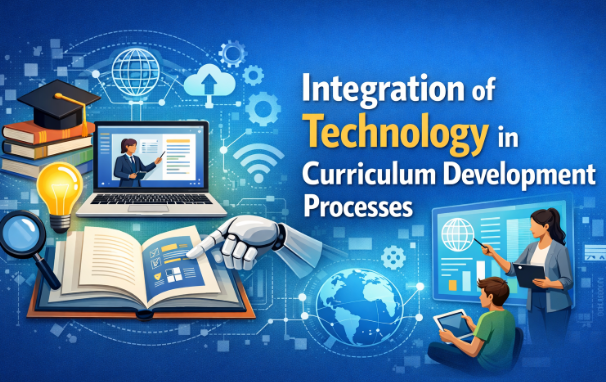
Introduction to Technology in Education
In recent years, the integration of technology in education has gained substantial traction, fundamentally altering the landscape of curriculum development processes. The rise of digital tools and resources has led to innovative teaching methodologies that extend beyond the confines of traditional educational frameworks. As educators embrace new technologies, they are provided with unique opportunities to enhance learning experiences, engage students more effectively, and tailor their approaches to meet diverse learner needs.
The advent of technology has transformed various aspects of education, allowing for the creation of interactive learning environments. For instance, online platforms enable learners to access course materials at their convenience, fostering greater autonomy in their educational journey. Additionally, technology promotes collaboration among students and teachers, transcending geographical limitations through virtual classrooms and e-learning tools. This shift towards a more connected and interactive educational model signifies a departure from conventional pedagogical practices, emphasizing the need to incorporate technology into the core of curriculum development.
Moreover, the integration of technology supports data-driven decision-making, providing educators with valuable insights into student performance and learning trends. By utilizing analytical tools, educators can identify areas requiring improvement and adapt their curriculum accordingly. This evidence-based approach not only enhances the effectiveness of teaching strategies but also ensures that curriculum development is responsive to the evolving educational landscape.
As we continue to explore the implications of technology on curriculum design, it becomes evident that the integration of digital tools is no longer a mere option but a necessity in today’s education system. Embracing these technologies prepares students for future challenges and equips them with critical skills necessary for success in increasingly digital workplaces. In this blog post, we will delve deeper into the various facets of technology’s role in the curriculum development process, highlighting key trends and best practices that educators can adopt to enhance learning outcomes.
Historical Context of Curriculum Development
The evolution of curriculum development processes has undergone significant transformations influenced by various educational theories over the years. Historically, the curriculum was primarily focused on content delivery, where educators adhered closely to established bodies of knowledge, emphasizing rote learning and standardized assessments. The industrial revolution marked a pivotal time when educational systems began to adapt to societal needs, prioritizing vocational training and preparing students for the workforce. These early structures laid the foundation for subsequent curricula, which increasingly emphasized critical thinking and problem-solving skills.
In the early 20th century, progressive education philosophies emerged, championed by thinkers such as John Dewey. This movement questioned traditional instructional approaches, introducing the idea that curriculum should be student-centered, fostering engagement and practicality. Dewey’s theories on experiential learning fundamentally shifted the perspective on curriculum design, moving it towards an integrative model that not only considered content but also the learner’s context and experiences.
As we transitioned through the latter part of the 20th century, technological advancements began to intersect with curriculum development. The advent of computers and the internet revolutionized access to information, prompting the integration of technology into educational settings. Educators began to realize the potential of multimedia resources and digital tools in enhancing teaching methodologies and interactivity in learning. Theories of learning, such as constructivism, gained popularity, which emphasized the active role of learners in knowledge construction within digital environments.
In contemporary education, the integration of technology continues to shape curriculum development processes by enabling personalized learning experiences and offering dynamic educational resources. Innovative tools, such as learning management systems and collaborative platforms, serve as facilitators for both teachers and students, promoting an adaptive and engaged learning environment. This historical context illustrates a continuous evolution influenced by pedagogical theories and technological advancements, highlighting the importance of responding to changing educational landscapes.
Current Trends in Technology Integration
In recent years, the landscape of educational technology has witnessed rapid advancements, particularly in curriculum development. One significant trend is the rise of blended learning, which combines traditional face-to-face teaching with online instructional methods. This approach not only accommodates varied learning styles but enhances student engagement by allowing them to access resources and materials at their convenience. Utilizing blended learning in curriculum design fosters an interactive learning environment that encourages collaboration and critical thinking.
Another notable trend is personalized learning, which tailors educational experiences to meet the unique needs of each student. By leveraging data analytics and adaptive learning technologies, educators can identify students’ strengths and weaknesses, enabling them to create customized learning paths. Personalized learning empowers students by providing them with the autonomy to progress at their own pace, thereby increasing motivation and improving educational outcomes. This shift towards individualized education is transforming curricula to be more flexible and responsive.
The use of Learning Management Systems (LMS) is also becoming increasingly prevalent in the realm of curriculum development. LMS platforms facilitate the organization and delivery of course content while enabling educators to track student performance effectively. These systems streamline administrative tasks and provide a centralized hub for resources, assignments, and assessments, which significantly enhances the efficiency of curriculum management. Furthermore, LMS tools often incorporate features such as discussion forums, quizzes, and real-time feedback, enriching the overall learning experience.
As educational technology continues to evolve, trends like blended learning, personalized learning, and the integration of learning management systems are reshaping how curricula are designed. These methodologies not only foster student engagement but also promote a more individualized and efficient learning process.
Impact of Technology on Learning Outcomes
The integration of technology into educational curricula has transformed traditional learning environments, showcasing profound impacts on student learning outcomes. Numerous studies indicate that the use of technological tools, such as computers, tablets, and interactive software, has enhanced student engagement significantly. A report by the Education Technology Research Group indicates that classrooms incorporating technology saw a 40% increase in student participation. This level of engagement is vital, as increased participation often correlates with improved academic performance.
Moreover, technology contributes to enhancing motivational factors among students. Research published in the Journal of Educational Psychology highlights that learners exposed to gamified learning experiences, where elements of gaming are integrated into the curriculum, exhibit higher motivation levels and improved retention rates. By using simulations and interactive modules, students become more invested in their educational journeys, which translates to a higher mastery of subject matter.
Additionally, data from the National Center for Education Statistics indicates a consistent trend throughout several studies: students in technology-integrated learning environments perform better on standardized assessments compared to their peers in traditional settings. Specifically, students using digital resources showed an average performance improvement of 15% on mathematics assessments and 10% on reading evaluations. This trend demonstrates the potential of technology not only to support learning but to elevate academic achievement across diverse subjects.
In summary, the evidence suggests that integrating technology into curriculum development processes can significantly enhance learning outcomes by fostering engagement, increasing motivation, and improving academic performance. As educational institutions continue to evolve, embracing these technological advancements will be crucial in shaping effective learning environments.
Challenges in Integrating Technology
The integration of technology into curriculum development presents various challenges that educators and educational institutions must navigate. One significant challenge is digital equity, which refers to the unequal distribution of access to technology and the internet among students. In many regions, socioeconomic factors may limit students’ ability to utilize technological resources effectively. This discrepancy can result in a gap in learning opportunities, making it imperative for institutions to address infrastructure issues, providing equal access to devices and reliable internet connectivity.
Another critical challenge is the lack of adequate teacher training. While many educators understand the basics of using technology, they may not possess the necessary skills to integrate it effectively into their teaching practices. Professional development programs aimed at training teachers on the latest educational technologies can be costly and time-consuming. Furthermore, educators may be skeptical about the effectiveness of specific tools or resources, leading to underutilization or avoidance of integrating technology altogether.
Resistance to change among faculty and students can also pose a significant barrier to successful technology integration in curricula. Faculty members may feel overwhelmed by the prospect of adapting to new technologies and methods, fearing that it might disrupt their established teaching style. Similarly, students may exhibit reluctance toward new technological tools, especially if they perceive these changes as unnecessary or overly complex. This resistance can hinder the overall process of curriculum development, as it requires the collaboration and buy-in of all stakeholders involved.
Moreover, the rapid pace of technological advancements can make it difficult for educational institutions to stay up-to-date. What may be cutting-edge technology today could become obsolete within a few years, complicating the ongoing process of curriculum development. Thus, a comprehensive strategy that addresses these challenges, focusing on equity, training, and change management, is essential for successful technology integration in education.
Best Practices for Technology Integration
Integrating technology into curriculum development is a multifaceted process that requires careful planning and execution. To enhance learning effectively, educators should prioritize the selection of technologies that align with educational goals and learning outcomes. Here are some best practices to consider when integrating technology into the curriculum.
First, it is essential to establish clear objectives for technology use. Educators should define how the selected technologies will support or enhance the learning experience. By articulating specific learning outcomes, teachers can assess whether a technology serves as a tool for engagement or merely distracts students from the core material.
Second, involving students in the technology selection process can yield valuable insights into what tools resonate most effectively with their learning styles. Conducting surveys or focus groups can provide feedback on student preferences, ensuring that the chosen tools not only meet educational criteria but also engage learners.
Another key strategy is to provide professional development opportunities for educators. Teachers must feel confident in their ability to use technology effectively. Workshops and training sessions focusing on both the pedagogical and technical aspects of technology can empower educators to utilize these tools efficiently, thereby enhancing the overall curriculum.
Additionally, it is crucial to pilot technology before widespread implementation. Testing technologies on a small scale allows educators to identify potential challenges and troubleshoot issues before integrating them across the entire curriculum. Feedback from this pilot phase can significantly influence the final decision on whether to adopt the technology overall.
Finally, adopting an iterative approach to technology integration helps in refining the curriculum continuously. After initial implementation, educators should solicit feedback from both students and peers, allowing for adjustments and improvements. This ongoing evaluation ensures that technology remains an asset to the curriculum rather than a hindrance.
Case Studies of Successful Integration
Several educational institutions across the globe have successfully integrated technology into their curriculum, demonstrating the transformative potential of such initiatives. A notable example is the Hillsborough County Public Schools in Florida, which undertook a comprehensive technology integration strategy aimed at enhancing student engagement. The district implemented a one-to-one device program, providing each student with an iPad. The integration process involved extensive training sessions for educators to familiarize them with educational apps and online collaboration tools. Despite initial resistance from some faculty members concerning the technology adoption, ongoing support and professional development mitigated these challenges. Ultimately, the initiative resulted in notable improvements in student participation and academic performance.
Another illustrative case is found at Summit Public Schools in California, where personalized learning is at the core of their educational model. Teachers collaborated with technology developers to create a digital platform that allows students to progress at their own pace. The implementation phase began with pilot programs in selected classrooms, allowing educators to assess the program’s efficacy. Although the school faced technical challenges initially, including software glitches and a steep learning curve for both teachers and students, they adapted by providing ongoing technical support. Subsequent evaluations indicated increased student ownership of their learning and higher graduation rates, showcasing the positive outcomes of effective technology integration.
These case studies illustrate that successful integration of technology within educational curricula requires careful planning and execution, attention to professional development, and the willingness to adapt to challenges. The outcomes prove that when properly implemented, technology can be a powerful ally in enhancing educational experiences and outcomes for students.
The Future of Curriculum Development with Technology
The landscape of curriculum development is poised for a significant transformation as technology continues to evolve at a rapid pace. Future trends indicate that emerging technologies, such as Artificial Intelligence (AI), Virtual Reality (VR), and Augmented Reality (AR), will play a crucial role in reshaping curriculum design and teaching methodologies. One of the most compelling prospects is the integration of AI into curriculum development processes, enabling educators to analyze vast volumes of data to tailor learning experiences that meet the diverse needs of students. AI-powered systems can provide real-time feedback, adapt instructional materials, and support personalized learning pathways, effectively enhancing student engagement.
Moreover, the incorporation of VR and AR within educational contexts presents unprecedented opportunities for immersive learning experiences. Through VR, students can explore historical sites, engage in science experiments, or navigate complex mathematical concepts in a simulated environment. This approach not only makes learning more engaging but also enhances comprehension by providing experiential learning opportunities that traditional methods cannot match. AR, on the other hand, facilitates interactive learning by overlaying digital information onto the physical world, thereby encouraging exploration and fostering curiosity among learners.
As these technologies continue to develop, curriculum designers must remain agile and forward-thinking, ensuring that educational frameworks are adaptable to the changing technological landscape. This may involve revising standards and assessment strategies to better align with the capabilities of new technologies. Ultimately, the future of curriculum development represents an exciting intersection of pedagogy and technology, where innovative tools will empower educators to create dynamic, relevant, and impactful educational experiences that prepare students for an increasingly complex world.
Conclusion and Call to Action
In conclusion, the integration of technology into curriculum development processes is not merely an option; it is a necessity in today’s educational landscape. The discussions throughout this blog post have highlighted how technology can transform traditional teaching methodologies, enhance learning outcomes, and foster an engaging and inclusive educational environment. By embracing various technological tools, educators can provide personalized learning experiences that cater to the diverse needs of students, thus promoting academic success.
Moreover, the implementation of technology in curriculum development fosters collaboration among educators, students, and stakeholders, enriching the educational experience. It encourages innovative pedagogical strategies that are essential for preparing learners for a rapidly changing world. As we have seen, when institutions prioritize technology integration, they not only improve their teaching practices but also significantly increase student engagement and motivation.
As we move forward, it is critical for educators and educational institutions to take proactive steps toward integrating technology into their curriculum development processes. This involves investing in professional development for teachers, exploring various digital tools, and continually evaluating the effectiveness of these integrations to ensure they are meeting educational goals. The potential benefits of a technology-enhanced curriculum are immense and can lead to transformative outcomes for both educators and students.
Let us encourage one another to embrace this shift in educational practices. Together, we can harness the power of technology to create a more effective, equitable, and engaging learning environment for all students. The time to act is now—let us pave the way for a future where technology and education go hand in hand.