


Understanding Burnout
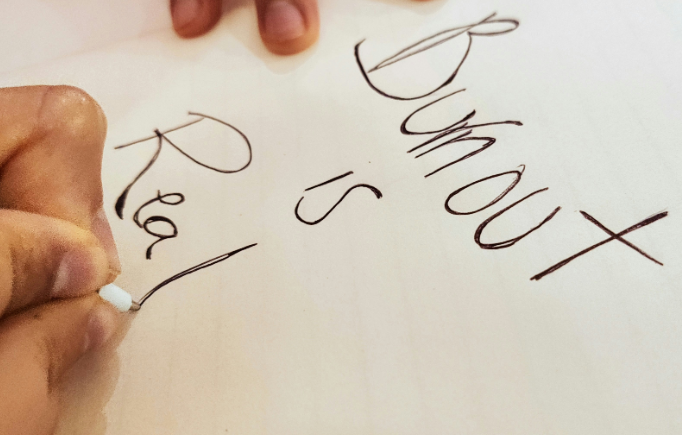
Burnout is a multifaceted phenomenon that is particularly prevalent in intensive study environments, where academic pressures can reach unprecedented levels. Defined as a state of chronic physical and emotional exhaustion, it often amalgamates feelings of depletion, cynicism, and decreased efficacy. Students frequently find themselves immersed in a relentless cycle of studying, assignments, and examinations, which heightens their vulnerability to burnout.
Psychologically, burnout manifests through a decline in motivation and engagement. Students may find that their enthusiasm for learning diminishes, leading to an overall feeling of detachment from their academic pursuits. Emotionally, the struggles can be profound; students may experience anxiety, irritability, and reduced self-esteem. These emotional symptoms can further exacerbate academic struggles, creating a negative feedback loop where stress and disappointment pile upon themselves.
Physically, the signs of burnout can present as fatigue, sleep disturbances, and even physical ailments such as headaches. These symptoms not only detract from classroom performance but can lead to additional health issues, which further complicate a student’s ability to thrive in an academic setting. Anecdotal evidence from students reveals that many have faced severe consequences as a result of burnout. For instance, one student recounted how their entire academic performance suffered due to persistent exhaustion and a subsequent lack of focus, which resulted in failing grades. Instances like these illustrate the profound impact that burnout can have on a student’s life and academic journey.
Understanding burnout in the context of intensive study environments is critical for both students and educators. Awareness of its signs and symptoms allows for timely interventions, aiming to cultivate a healthier, more sustainable approach to academic excellence.
Causes of Burnout in Study Environments
Understanding the causes of burnout in study environments is crucial for developing effective prevention strategies. One significant factor contributing to burnout among students is high academic pressure. Students often face demanding workloads, rigorous deadlines, and the pursuit of high grades, which can lead to chronic stress. This continuous strain can eventually result in emotional exhaustion, a core symptom of burnout.
Unrealistic expectations further exacerbate the situation. Many students set lofty goals for themselves, attempting to maintain exceptional performance across all subjects, extracurricular activities, and social engagements. Such expectations can create a fear of failure, increasing anxiety and leading to burnout. The incessant need to meet these self-imposed standards often overshadows the importance of a balanced and sustainable study approach.
Poor time management is another critical factor. Students frequently struggle to allocate adequate time for both their studies and personal life, causing an imbalance that heightens stress. Effective time management strategies are essential to prevent overcommitment and ensure that students can accommodate necessary breaks and leisure activities, which are vital for mental well-being.
A lack of support can also play a detrimental role in student burnout. Students may feel isolated in their struggles, often perceiving that they are alone in facing these challenges. This sentiment can prevent them from seeking help from peers, educators, or mental health professionals, further intensifying feelings of frustration and helplessness.
Lastly, unhealthy study habits contribute to burnout. Prolonged periods of cramming, improper study techniques, and neglecting physical health can deteriorate a student’s overall well-being. Establishing healthy study practices, incorporating adequate rest, and prioritizing nutrition and exercise are essential elements in mitigating these triggers and fostering a more resilient academic experience.
Recognizing the Signs of Burnout
Burnout is a state of emotional, physical, and mental exhaustion caused by prolonged and excessive stress. For students in intensive study environments, recognizing the signs of burnout is critical for timely intervention. One of the most prevalent indicators is a noticeable change in mood. Students may find themselves feeling irritable, anxious, or uncharacteristically withdrawn, which can hinder social interactions and academic collaborations.
Another significant sign is a decline in motivation. A student who once exhibited enthusiasm for their studies may lose interest and struggle to engage with their coursework. This lack of motivation can lead to procrastination, increased anxiety, and a fear of failing. Monitoring one’s academic performance becomes essential, as drops in grades or missed assignments often signal that burnout is taking hold.
Additionally, alterations in sleep patterns serve as a critical warning sign. Students experiencing burnout may find difficulty either falling asleep or staying asleep, resulting in daytime fatigue or lethargy. This unrest can erode cognitive functions, further exacerbating academic struggles. Physical health changes should not be overlooked; symptoms such as headaches, gastrointestinal issues, and frequent illnesses may emerge as the body reacts to chronic stress.
Finally, it is imperative for students to remain attentive to their overall well-being. If a student notices multiple symptoms occurring concurrently, it may be a clear indication of burnout. By being vigilant about these signs of burnout, students can prompt themselves to seek help or employ strategies to mitigate stress before it escalates. Early recognition is essential for fostering resilience and maintaining a healthy academic journey.
Prioritizing Self-Care
In today’s fast-paced and demanding academic environments, students often find themselves engulfed in a whirlwind of studies, assignments, and examinations. Under such high-pressure conditions, prioritizing self-care is essential for maintaining overall well-being and preventing burnout. Self-care practices provide crucial support in managing stress and enhancing resilience, making them vital components of a successful academic journey.
One effective self-care strategy is establishing a balanced routine that incorporates time for both study and relaxation. Structuring one’s day to include specific periods for academic work as well as breaks ensures that mental fatigue is minimized. Additionally, integrating physical activity into the daily schedule can significantly improve both physical health and mental clarity. Activities such as walking, yoga, or engaging in sports can enhance mood and foster a sense of accomplishment.
Furthermore, healthy eating habits play a pivotal role in sustaining energy levels and concentration. Students should aim to consume a balanced diet rich in fruits, vegetables, whole grains, and proteins to boost cognitive function and combat fatigue. Staying hydrated is equally important, as even mild dehydration can negatively affect energy and focus. Nutrition should thus be viewed as a cornerstone of effective self-management in a rigorous academic setting.
Maintaining social connections is another important element of self-care. Engaging with friends, family, and peers provides emotional support, allowing students to share their worries and experiences. Participating in social gatherings, study groups, or extracurricular activities can foster a sense of belonging and reduce feelings of isolation.
Lastly, pursuing hobbies or interests outside of academics is essential for fostering creativity and relaxation. Whether it’s painting, playing music, or engaging in sports, dedicating time to hobbies serves as a creative outlet and can greatly reduce stress levels. Overall, self-care must be embraced as a necessity rather than a luxury, as it directly impacts students’ ability to manage their studies and maintain their mental health effectively.
Effective Time Management Techniques
In the demanding world of academia, effective time management emerges as a crucial strategy for students seeking to alleviate stress and prevent burnout. Among various techniques, the Pomodoro Technique stands out as a widely-used method. This approach involves breaking study sessions into intervals—typically 25 minutes—followed by a short break. By utilizing this method, students can maintain focus and enhance productivity while preventing mental fatigue. The structured breaks incorporated within the Pomodoro Technique serve as valuable pauses, allowing for mental rejuvenation.
Another vital strategy for managing academic workload is the prioritization of tasks. Students can assess their obligations using methods such as the Eisenhower Matrix, which categorizes tasks based on urgency and importance. By distinguishing tasks that are urgent and important from those that are lesser priorities, students can allocate their time and resources effectively. This ensures that crucial academic responsibilities are addressed promptly, minimizing the chances of last-minute stress.
Setting achievable goals is essential in fostering a productive study environment. Students are encouraged to break down large projects into smaller, manageable tasks. This approach not only simplifies the academic workload but also allows for a greater sense of accomplishment with each completed task. By celebrating small victories, students can enhance their motivation and reduce feelings of overwhelm.
Creating a study schedule is equally beneficial. A well-structured timetable enables students to allocate specific time slots for each subject or project, enhancing accountability and organization. Regularly reviewing and adjusting this schedule in response to academic demands fosters adaptability in time management. Overall, incorporating these effective time management techniques will empower students to navigate their rigorous academic environments while minimizing the likelihood of burnout.
Establishing a Healthy Study Environment
Creating a conducive study environment is essential for optimizing productivity and well-being, particularly in intensive study settings. The physical space in which one studies can significantly impact focus, motivation, and overall mental health. One of the foremost steps in establishing a healthy study environment is decluttering the workspace. A cluttered desk can lead to distractions and hinder the ability to concentrate. Take the time to organize study materials, eliminate unnecessary items, and create a clean and inviting atmosphere that promotes focus.
Minimizing distractions is another critical component of a healthy study environment. This includes reducing noise levels, silencing phone notifications, and utilizing tools such as noise-canceling headphones if necessary. Additionally, consider the placement of your study materials; keeping essential resources within arm’s reach can enhance focus and reduce interruptions caused by searching for materials.
Ergonomics also plays a vital role in the creation of a healthy study environment. Ensuring that your study area is comfortably arranged can prevent physical strain and promote longer study sessions. Invest in a supportive chair and desk at the appropriate height. Additionally, maintaining an ergonomic posture while studying can reduce fatigue and discomfort, allowing for extended periods of productive work.
Proper lighting is another factor to consider when designing a study space. Aim for a well-lit environment, preferably with natural light, which has been shown to improve mood and cognitive function. If natural light is not available, opt for bright, adjustable artificial lighting that reduces eye strain and facilitates a comfortable study experience. Proper comfort in the study environment contributes immensely to maintaining concentration and preventing burnout.
In summary, creating a healthy study environment involves decluttering, minimizing distractions, engaging in ergonomically sound practices, and ensuring appropriate lighting and comfort. By optimizing the study space, students can improve their productivity while safeguarding their mental well-being against the perils of burnout.
Seeking Support and Resources
In the demanding landscape of intensive study environments, it is crucial for students to understand that they are not isolated in their experiences with burnout. Seeking support from various resources can significantly mitigate the negative effects associated with academic stress. One of the primary sources of support comes from friends and family, who can provide emotional comfort, understanding, and encouragement during challenging times. By sharing their experiences with those close to them, students often find relief and validation, which can be instrumental in coping with the pressures of their academic pursuits.
In addition to personal networks, academic advisors play a vital role in a student’s support system. These professionals are equipped with the knowledge to guide students through their academic journeys, helping to balance workloads, set achievable goals, and identify when additional resources may be necessary. Establishing a rapport with an academic advisor can provide students with tailored strategies for managing their time and stress levels more effectively.
Mental health professionals also represent a crucial resource for students dealing with burnout. Counselors and therapists can offer specialized assistance in developing coping strategies, addressing anxiety, and fostering overall psychological well-being. Institutions often provide counseling services that are accessible and confidential, allowing students to seek help without added pressure or stigma.
Additionally, peer support groups serve as a valuable outlet for students to connect with others who share similar experiences. These groups can create a sense of community, providing opportunities for students to discuss their challenges and offer mutual support. Engaging in these group settings can reaffirm the understanding that burnout is a common issue among students, thereby diminishing feelings of isolation.
Ultimately, embracing various support systems can significantly enhance a student’s ability to manage stress and prevent burnout in their academic environment. By reaching out to friends, family, advisors, and mental health professionals, students equip themselves with essential tools and perspectives for navigating the rigors of their studies.
Developing Mindfulness and Stress Reduction Techniques
In the fast-paced environment of intensive study, it is crucial for students to adopt effective mindfulness practices and stress reduction techniques to combat burnout. Mindfulness, defined as the practice of being fully present and engaged in the moment, enables students to manage their emotions and maintain focus during their demanding academic schedules.
One widely recommended technique is meditation, which involves dedicating a specific time to focus the mind, often through guided imagery or breathing awareness. Regular meditation can enhance mental clarity and emotional well-being. This practice can begin with just a few minutes a day, gradually increasing in duration as the student becomes more comfortable. Applications such as Headspace or Calm provide easily accessible guided meditations suited for beginners and seasoned practitioners alike.
Another effective strategy is deep breathing exercises. This technique can be performed anywhere and anytime, making it particularly convenient during study breaks. A simple method is the 4-7-8 technique: inhaling for four seconds, holding the breath for seven seconds, and exhaling for eight seconds. Such deep breathing practices not only reduce immediate stress but also help improve overall emotional resilience.
In addition to meditation and deep breathing, mindfulness apps have gained popularity. These digital tools offer reminders for mindfulness practices and stress-reduction techniques, ensuring students can integrate these exercises into daily routines. By leveraging technology, students can develop a consistent practice that promotes well-being.
Integrating these mindfulness and stress reduction techniques into one’s daily life is essential for cultivating mental resilience in an intensive study environment. Through conscious engagement and practice, students can mitigate stress and enhance their academic performance while safeguarding their mental health.
Creating a Balanced Lifestyle for Lasting Success
In an intensive study environment, the importance of adopting a balanced lifestyle cannot be overstated. While academic success is paramount, maintaining a holistic approach to life can significantly contribute to both personal well-being and sustainable academic performance. Striking a balance between school commitments, personal interests, and relaxation is essential for preventing burnout and ensuring long-term success.
Setting clear boundaries is a fundamental aspect of achieving this balance. Students must learn to recognize their limits and prioritize their well-being by knowing when to say no. This might involve declining extra responsibilities that could overwhelm their schedule or resisting the pressure to engage in social activities that detract from needed study time. By establishing these boundaries, students safeguard not only their academic focus but also their mental health.
Incorporating leisure activities into a daily routine can effectively combat stress and yield benefits for academic performance. Engaging in hobbies, exercising, or simply taking time to relax can rejuvenate the mind and body. Such activities serve as crucial breaks, allowing students to return to their studies with renewed vigor and clearer focus. It is essential to allocate specific times during the week for these activities to ensure they are a regular part of life rather than an afterthought.
Ultimately, the key to a balanced lifestyle lies in creating an environment where academic responsibilities coexist with personal enjoyment and relaxation. By actively engaging in leisure pursuits, students contribute to their overall happiness and motivation. A balanced lifestyle enhances not only academic productivity but also life satisfaction, which is a critical component of preventing burnout in the long run.