


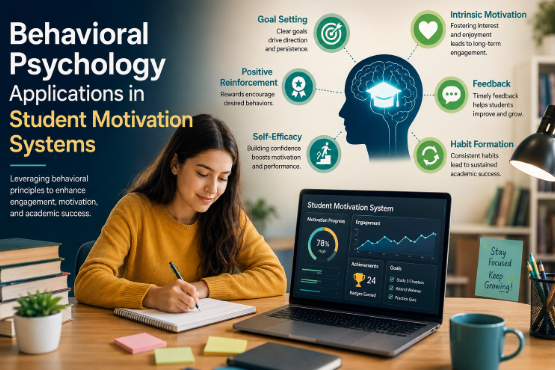
Understanding Behavioral Psychology
Behavioral psychology, a branch of psychology that focuses on observable behaviors rather than internal mental states, serves as a cornerstone for understanding human actions. Established in the early 20th century, it emphasizes that all behaviors are learned through interactions with the environment. Key concepts include stimuli, responses, reinforcement, and punishment, which interact to shape behavior over time.
One of the primary theories within behavioral psychology is classical conditioning, pioneered by Ivan Pavlov. This process involves learning through association, where a neutral stimulus becomes capable of eliciting a response after being paired with a stimulus that naturally produces that response. For instance, if a student repeatedly hears a bell before taking a test, the sound of that bell may eventually trigger anxiety, regardless of the test’s actual implications.
In contrast, operant conditioning, introduced by B.F. Skinner, focuses on how consequences influence behavior. This theory suggests that behaviors followed by rewards are more likely to be repeated, while those accompanied by punishment are less likely to recur. The application of reinforcement—whether positive or negative—plays a crucial role in shaping student motivation systems. For example, positive reinforcement can be used effectively in educational settings by providing students with rewards for completing assignments or participating in class, which encourages continued engagement and effort.
Understanding these foundational concepts of behavioral psychology is essential for educators and psychologists alike, particularly in developing effective student motivation systems. By leveraging the principles of reinforcement and conditioning, one can create an environment that supports and encourages desired behaviors, ultimately fostering a more conducive learning atmosphere.
The Importance of Motivation in Education
Motivation is a critical element in the educational process that directly influences student success and engagement. There are primarily two types of motivation that drive students: intrinsic and extrinsic. Intrinsic motivation arises from within the student, fueled by personal interests, curiosity, and a desire for mastery. In contrast, extrinsic motivation is driven by external factors such as grades, rewards, and recognition. Understanding these different types of motivation is essential for educators, as they can affect a student’s learning experience and outcomes.
Research indicates that students who are intrinsically motivated tend to engage more deeply with the material, exhibit higher levels of creativity, and demonstrate a greater sense of ownership over their learning. This type of motivation fosters a positive learning environment where students become active participants in their education. Conversely, while extrinsic motivation can be effective in the short term, it may not produce lasting engagement or genuine interest in the subject matter. Over-reliance on extrinsic rewards can lead to a lack of intrinsic interest, which can hinder long-term academic success.
Another significant aspect of motivation is its impact on student engagement. Engaged students are more likely to participate in class discussions, collaborate with peers, and take initiative in their learning activities. This active involvement contributes to better comprehension and retention of information, ultimately leading to improved academic performance. Therefore, educators play a pivotal role in fostering a motivating environment that encourages both intrinsic and extrinsic motivation.
In summary, understanding the importance of motivation in education is essential for creating an effective learning experience. By emphasizing both intrinsic and extrinsic motivation, educators can enhance student engagement and promote a positive academic atmosphere that supports lifelong learning.
Key Theories of Motivation Applied in Education
Understanding the fundamental theories of motivation is crucial in developing effective educational strategies that foster student engagement and achievement. One significant theory is Maslow’s Hierarchy of Needs, which posits that human motivation is influenced by a hierarchy of needs ranging from physiological requirements to self-actualization. In educational settings, recognizing where students fall within this hierarchy allows educators to tailor their approaches accordingly. For instance, if basic needs such as safety and belonging are unmet, students may struggle to engage with academic content. Thus, creating a supportive environment that addresses these needs is essential for facilitating higher-level achievements.
Another important theory is the Self-Determination Theory (SDT), which emphasizes intrinsic motivation and the role of autonomy, competence, and relatedness. According to this theory, students are more likely to be motivated when they feel in control of their learning, believe they can succeed, and have a sense of connection with their peers and teachers. Educators can incorporate SDT by providing students with choices in their assignments and topics, fostering a sense of mastery through skill-challenging tasks, and encouraging collaborative projects that enhance social bonds within the classroom.
Additionally, the Expectancy-Value Theory provides insights into how students form beliefs about the likelihood of success and the value they place on tasks. This theory posits that students’ motivation is a function of their expectations for success and the subjective value they assign to the task. To leverage this theory, educators can clearly communicate learning objectives and success criteria, thereby elevating students’ confidence in their capabilities. Moreover, it is beneficial to connect academic tasks with students’ interests to enhance perceived value, further incentivizing their engagement.
Behavioral Strategies to Enhance Student Motivation
Enhancing student motivation in educational settings can be effectively approached through various behavioral strategies. These techniques are grounded in behavioral psychology and can significantly impact student engagement and performance. One of the most widely recognized strategies is positive reinforcement, which encourages desired behaviors by providing rewards or incentives. For instance, teachers can acknowledge students’ efforts through verbal praise or small rewards, thereby reinforcing their motivation to participate actively in class activities.
Another effective strategy involves goal-setting. When students are encouraged to set specific, measurable, achievable, relevant, and time-bound (SMART) goals, they are more likely to feel a sense of purpose in their learning journey. For example, a teacher might help students identify personal academic goals, such as improving their grade in a subject. By regularly reviewing these goals, students can track their progress, fostering a greater sense of accomplishment and motivation.
Feedback is also critical in boosting student motivation. Constructive feedback provides students with insights into their performance and areas needing improvement. Moreover, timely feedback helps learners adjust their strategies and efforts, promoting a growth mindset. Teachers should strive to offer consistent and specific feedback that guides students toward achieving their goals, further motivating them to engage with the material.
Creating a structured reward system is another effective approach to enhancing motivation. This can include point systems, badges, or other forms of recognition that students can earn through their efforts and achievements. For example, an educator might implement a classroom rewards program where students accumulate points for completing assignments or demonstrating positive behaviors. Such systems can introduce a sense of healthy competition and collaboration among peers, which contributes to overall motivation.
Using Technology to Foster Motivation
In recent years, technology has transformed the landscape of education, offering numerous tools aimed at enhancing student motivation. These technological advancements leverage behavioral psychology principles to create engaging and interactive learning environments. One significant approach is gamification, which incorporates game-like elements such as points, badges, and leaderboards into educational content. This strategy not only makes learning more enjoyable but also fosters a sense of achievement and competition among students, driving them to perform better.
Online learning platforms represent another key area where technology can motivate students. Platforms that offer personalized learning paths tailor educational experiences to individual needs, enabling students to learn at their own pace. This customization plays a crucial role in maintaining student interest and motivation, as learners can set their own goals and track their progress. Additionally, incorporating videos, quizzes, and interactive materials within these platforms further enhances engagement.
Educational apps also play an essential role in motivating students by providing instant feedback, reinforcing learning through practice, and rewarding students for their accomplishments. For instance, apps that utilize adaptive learning technology can change difficulty levels based on student performance, ensuring that challenges remain appropriate and stimulating. These apps provide an accessible method for students to engage with the content outside the traditional classroom setting, creating more avenues for motivation.
Furthermore, digital tools such as discussion forums, collaborative project software, and virtual reality can enrich the collaborative aspects of learning. These technologies enable students to connect with peers, facilitating teamwork and communication skills, which are critical for their future endeavors. Engaging students through these innovative technologies not only enhances their learning experiences but also cultivates sustained motivation throughout their educational journey.
Cultural and Individual Differences in Motivation
Understanding student motivation necessitates an exploration of how cultural and individual differences shape motivation levels and preferences. Diverse learners come from various backgrounds that can significantly influence their attitudes and responses to motivational strategies. For instance, students from collectivist cultures may value collaborative success and be motivated by group achievements, while those from individualistic societies might be driven by personal recognition and autonomy. Acknowledging these differences is crucial in cultivating effective motivational systems tailored to each student’s unique context.
Moreover, individual learning styles present another layer of complexity. Some students excel in auditory learning environments, whereas others flourish visually or kinesthetically. Educators must recognize these preferences to engage students properly and enhance their motivation. Customizing lessons to cater to various learning styles not only facilitates comprehension but also fosters an environment where all students feel seen and valued.
Personal interests further shape student motivation. Motivation can wane if the subject matter does not resonate with learners’ passions or future aspirations. Real-life applications that tie academic content to students’ personal goals or interests can serve as powerful motivators. Activities that relate coursework to students’ cultural contexts, personal experiences, or future ambitions can enliven academic engagement and commitment.
In summary, recognizing and addressing the cultural and individual variances in student motivation is essential for creating an inclusive, supportive environment in educational settings. Adopting customized motivational strategies can significantly boost student engagement and performance, ultimately enhancing the overall learning experience.
Challenges in Implementing Motivation Strategies
Implementing motivation strategies within educational settings can present a variety of challenges that educators must navigate. One of the most significant obstacles is the lack of resources, including both financial support and human capital. Many schools operate under tight budgets, limiting the availability of training programs for educators on behavioral psychology principles. Without proper training, teachers may struggle to effectively implement motivation strategies that cater to the diverse needs of their students.
Furthermore, the varying needs of students can complicate the implementation process. Each student comes with unique backgrounds, experiences, and learning styles, which necessitates individualized motivation approaches. For example, what motivates one student may not resonate with another, leading to generalized strategies that fail to engage all learners. Educators must invest time and effort into understanding the disparate motivations of their students to foster a supportive environment conducive to learning.
Resistance from students can also pose a challenge when seeking to implement motivation strategies. Some students may be disinterested or disengaged from the learning process, making it difficult to motivate them effectively. This resistance can stem from a variety of factors, such as previous negative experiences in educational settings or lack of belief in their own capabilities. Educators need to build trust and rapport with their students through consistent communication and support to mitigate this resistance.
To overcome these challenges, it is essential to adopt strategies that prioritize flexibility and adaptability. For instance, involving students in the development of motivational strategies can create a sense of ownership and reduce resistance. Additionally, fostering a collaborative environment among educators can facilitate the sharing of resources and best practices, ultimately enhancing the effectiveness of motivation strategies.
In conclusion, while educators may face numerous challenges in the implementation of motivation strategies, understanding the unique needs and backgrounds of students, along with the careful allocation of resources, can significantly improve the effectiveness of these initiatives.
Case Studies of Successful Motivation Systems
The application of behavioral psychology in educational settings has yielded notable successes as evident in various case studies. One such instance is found in the School Wide Positive Behavioral Interventions and Supports (PBIS) framework implemented in several districts across the United States. This system emphasizes the establishment of clear behavioral expectations and positively reinforces desired behaviors among students. Through systematic data collection and analysis, schools applying PBIS have reported a significant reduction in disciplinary incidents and an increase in student engagement, illuminating the effectiveness of these behavioral strategies.
Another compelling case study is observed in the Renaissance School in New York City, where a motivation system centered around intrinsic rewards was established. Educators utilized project-based learning and provided students with a choice of topics that aligned with their interests, thereby fostering a sense of ownership in their educational journey. Outcomes from this approach indicate that students not only displayed heightened motivation but also improved academic performance, emphasizing the potential of tailored motivation systems in enhancing learner engagement.
In a different context, the use of gamification principles in educational programs has shown substantial positive effects on student motivation. The Class Dojo platform, for instance, allows teachers to reward students with points for displaying positive behaviors. Evidence from schools utilizing this app illustrates a marked increase in collaborative learning and peer interactions, underscoring the role of gamification in creating an enjoyable atmosphere conducive to learning.
Through these examples, it is clear that successful motivation systems rooted in behavioral psychology principles can profoundly impact student engagement and performance. The adaptability of these systems to various educational contexts offers valuable insights for educators looking to enhance their teaching methodologies by incorporating effective motivation strategies.
Future Directions in Student Motivation Research
The evolving landscape of education necessitates a continual examination of student motivation frameworks, driven by emerging theories and technological advancements. Current trends indicate a shift towards a deeper understanding of intrinsic and extrinsic motivators, with research emphasizing the role of emotional resilience and growth mindset as fundamental components of student engagement. This growing body of literature suggests that educators must focus on fostering an environment that not only incentivizes achievement but also cultivates students’ intrinsic interest in learning.
Furthermore, psychological research is increasingly intersecting with educational practices to create more effective motivation systems. The integration of behavioral psychology principles within classroom settings reveals how behavior modification techniques can enhance student motivation. For example, strategies like positive reinforcement and goal-setting are being refined through empirical studies, providing actionable insights that educators can implement in real-time to optimize student performance.
The advent of technology, particularly in the form of personalized learning platforms, holds significant promise in revolutionizing student motivation systems. These platforms can utilize data analytics to tailor educational experiences to individual learner needs, adapting to their preferences and pacing. Moreover, gamification elements, which are based on behavioral psychology principles, have shown potential in encouraging student participation and persistence. This intersection of technology and psychological understanding paves the way for innovative approaches to motivation that leverage real-time feedback and rewards.
As we look to the future, continued collaboration between educators, psychologists, and technologists will be crucial. The exploration of new models, such as social and emotional learning frameworks, will likely provide further insight into how to effectively engage students in meaningful learning experiences. Consequently, ongoing research in student motivation will be vital in developing sustainable educational practices that resonate with the diverse needs of learners across varied contexts.