


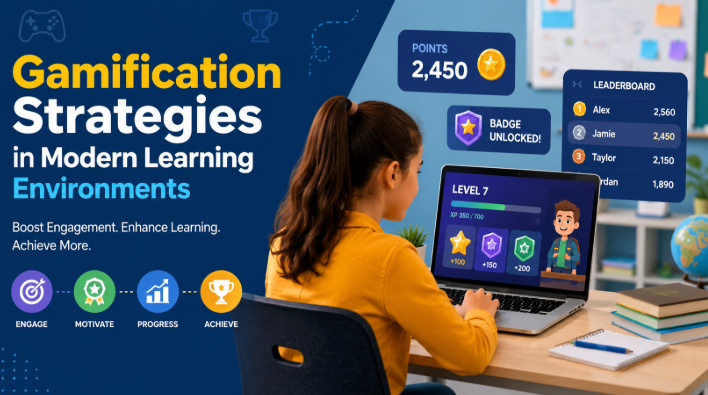
Introduction to Gamification in Education
Gamification refers to the application of game-design elements and principles in non-game contexts, aiming to enhance user engagement and motivation. In the realm of education, this methodology has gained significant traction, particularly with the advent of digital technologies and a growing understanding of learning psychology. Throughout history, educators have sought innovative methods to capture students’ attention, but the term ‘gamification’ only emerged prominently in the early 2000s, deriving from the integration of gaming strategies into various fields, including business, health, and education.
The core idea behind gamification in educational settings is to transform traditional learning experiences into interactive and rewarding processes. By including elements such as point systems, badges, leaderboards, and challenges, educators can create an environment that not only promotes active participation but also stimulates a sense of achievement among learners. This transformation is particularly pertinent in today’s context, where students often exhibit shorter attention spans and a preference for engaging, technology-driven experiences.
In educational institutions, gamification serves multiple purposes. It can facilitate immediate feedback, keeping learners informed about their progress and areas for improvement. Furthermore, it fosters a collaborative spirit, encouraging peer interaction and healthy competition among students. Feedback from various studies indicates that gamified learning experiences lead to increased student motivation, resulting in better retention of information and a deeper understanding of subject matter.
By exploring the importance of gamification in education, this blog post will delve into its effectiveness in enhancing engagement and motivation among learners. Understanding gamification’s foundational principles and historical context lays the groundwork for a discussion on its practical applications and benefits in modern learning environments.
The Benefits of Gamification in Learning
Gamification in learning environments has become a pivotal strategy that enhances educational outcomes through various means. One of the primary benefits of gamification is the enhancement of motivation among students. Traditional learning methodologies may often struggle to engage learners, particularly in subjects perceived as tedious. By integrating game-like elements, such as points, badges, and leaderboards, educators create an interactive atmosphere that encourages students to participate actively in their education. This motivation can lead to improved attendance and a more positive attitude towards learning.
Increased engagement is another significant advantage of gamification. Game-based activities promote active participation, allowing students to immerse themselves in the learning process. For instance, through simulations and role-playing exercises, learners can apply theoretical knowledge in real-world scenarios, making the subject matter more relatable. This immersive experience not only captures attention but also stimulates critical thinking and problem-solving skills, essential attributes in today’s fast-changing world.
Moreover, research suggests that gamification can vastly improve the retention of information. When knowledge is presented in a playful format, it becomes easier for learners to digest and recall. For example, educators might employ educational games that require students to solve challenges or answer questions to progress, reinforcing content through repetition and engagement. Such techniques also foster a sense of accomplishment, motivating students to push their limits and delve deeper into the material.
Finally, gamification encourages collaboration among students. Group activities and competitive games enhance social interaction, allowing learners to work together towards common goals. Collaborative learning fosters communication and teamwork skills, which are increasingly vital in both academic and professional settings. In conclusion, the integration of gamification strategies in learning environments not only enhances motivation and engagement but also contributes significantly to information retention and collaboration, providing a comprehensive approach to modern education.
Key Gamification Elements
Gamification in modern learning environments utilizes a variety of key elements that foster engagement, motivation, and collaboration among learners. These elements are essential for creating an effective gamified experience that enhances educational outcomes.
Points serve as a basic unit of measurement for achievements. Learners earn points through participation, completing tasks, or demonstrating competencies. This quantifiable aspect provides instant feedback, encouraging continued effort and engagement.
Levels act as milestones within the learning process. By progressing through levels, learners experience a sense of accomplishment that can boost motivation. Each level can introduce new challenges or topics, ensuring that the learning path remains engaging and appropriately challenging.
Badges are visual representations of accomplishments and skills acquired throughout the learning journey. Earning badges not only provides a tangible acknowledgment of effort but also encourages learners to strive for excellence in various subjects.
Leaderboards introduce a competitive aspect to learning. By displaying rankings based on points earned, learners can see how they compare against their peers, fostering a spirit of friendly competition. This can be particularly effective in encouraging active participation and commitment.
Challenges represent specific tasks or goals that require learners to apply their knowledge and skills. These challenges can range from quizzes to project-based tasks, promoting critical thinking and problem-solving abilities among students.
Storytelling is an integral aspect of gamification that enhances the narrative of the educational experience. By weaving in relatable stories, educators can create a context for learners, enhancing their emotional connection to the material.
Incorporating these key gamification elements into learning environments can significantly enhance student engagement and achievement, leading to a more interactive and enriching educational experience.
Gamification Tools and Platforms
In today’s educational landscape, numerous tools and platforms have emerged to facilitate the application of gamification strategies. These resources help educators engage students by integrating game-like elements into learning experiences. Among the most prominent gamification tools is Kahoot!, which allows educators to create interactive quizzes and games that promote collaborative learning. With its user-friendly interface, Kahoot! encourages participation through real-time feedback and competition, fostering a dynamic classroom environment.
Another notable platform is Classcraft, designed to improve student behavior and engagement. It transforms the classroom into a role-playing game where students earn rewards and unlock new abilities as they progress. This approach not only enhances motivation but also facilitates teamwork and communication among students. The immersion in a narrative helps maintain students’ interest, making learning more enjoyable.
Quizizz stands out as another effective gamification tool, particularly for its flexible and self-paced quizzes that can be utilized in both in-person and remote learning scenarios. Educators can customize quizzes with personalized feedback, ensuring that students receive immediate reinforcement. The interactive nature of Quizizz, complete with leaderboards and power-ups, enhances the competitive spirit, motivating learners to perform at their best.
Lastly, Flipgrid provides a platform for video discussions, which allows students to express their understanding of concepts through short video responses. This fosters creativity and peer interaction while also enabling educators to assess comprehension in a more engaging format than traditional assessments.
Through the implementation of these gamification tools, educators can create immersive learning experiences that not only enhance knowledge retention but also stimulate student participation and enthusiasm for learning.
Case Studies of Successful Gamification in Education
As gamification in education continues to reshape learning experiences, several case studies exemplify the successful implementation of gamification strategies in various educational settings. One notable example is ClassDojo, a platform used in numerous classrooms across the globe. This tool helps teachers engage students by incorporating points, badges, and classroom rewards to promote positive behavior and participation. The outcomes observed included improved student engagement, enhanced classroom behavior, and stronger teacher-student relationships.
Another significant instance is the University of Colorado Boulder, which utilized a gamified approach in its introductory physics course. The program incorporated a game-like atmosphere by introducing level progression, leaderboards, and collaborative challenges. Students who participated in this gamified curriculum demonstrated a notable increase in problem-solving skills and a higher retention rate in physics compared to traditional teaching methods. The gamification techniques employed led to increased motivation and a more profound understanding of complex concepts.
Additionally, the Kahoot! platform serves as an excellent illustration of gamifying assessments. Teachers create quizzes that students answer in real time, often in a competitive setting. It has gained popularity for its ability to make assessment fun and engaging. Studies have shown that students using Kahoot! for review sessions exhibited increased knowledge retention and were more likely to participate in class discussions following gamified sessions.
These case studies underscore the effectiveness of gamification in educational contexts. By incorporating game design elements, such as rewards systems and collaborative competitions, educational institutions can enhance engagement and learning outcomes. The positive results from these initiatives exemplify the potential of gamified strategies in most modern learning environments, paving the way for an innovative educational framework.
Challenges and Considerations in Gamification
While gamification can enhance engagement and incentivize learning, educators must navigate various challenges when integrating these strategies into their educational framework. One significant concern is the potential for over-competition among students. When game mechanics such as points, leaderboards, or badges are prominently featured, students may become overly focused on their ranking rather than the intrinsic value of learning. This competitive nature can lead to a detrimental atmosphere where collaboration diminishes, and students may prioritize winning over genuinely absorbing the material.
Another issue educators face is the risk of superficial engagement. Gamification often appeals to students’ desire for fun and entertainment, which can be highly beneficial; however, if not carefully designed, these gamified elements may become mere distractions. When gamification is employed without thoughtful consideration of educational objectives, it can inadvertently reduce the depth of interactive learning experiences. Educational tools that prioritize entertainment over substantive knowledge can result in students feeling entertained but ultimately unfulfilled in their understanding of the subject matter.
Furthermore, aligning gamification strategies with clearly defined educational goals is critical. Educators should ensure that the mechanics of gamification are directly connected to the learning outcomes they aim to achieve. This alignment not only solidifies the educational purpose of gamified activities but also aids in maintaining student motivation in a focused manner. Without this careful alignment, students may participate in gamified tasks without understanding the relevance to their academic or personal development. Thus, educators must strike a balance between engaging game elements and the pedagogical principles that guide learning. By addressing these challenges proactively, the effective application of gamification can lead to richer educational experiences and improved student outcomes.
Designing Effective Gamification Strategies
In contemporary educational settings, designing effective gamification strategies requires a nuanced approach that aligns with both learning objectives and the diverse demographic of students. To begin, educators should clearly outline the specific goals they wish to achieve through gamification, such as enhancing engagement, promoting collaborative learning, or facilitating self-paced growth. By setting precise objectives, teachers can ensure that gamified elements are purposefully integrated into their lesson plans.
Another essential step in creating robust gamification strategies lies in understanding the unique characteristics of the student population. For instance, different age groups and learning styles necessitate varied gamification techniques. Younger students may respond positively to colorful visuals and immediate feedback, whereas older students might appreciate more intricate narratives and competition. Educators can tailor gamified activities to accommodate such differences, making learning more inclusive and effective.
Moreover, gamified elements should be seamlessly embedded within assessments and learning activities. Incorporating challenges, points systems, and rewards into quizzes and projects can motivate students to invest additional effort. Activities such as role-playing or simulations allow learners to engage deeply with content while simultaneously experiencing the beneficial aspects of gamification. To maintain interest, it’s advisable to rotate or refresh these elements regularly, keeping the learning environment dynamic.
Lastly, feedback mechanisms are critical in reinforcing gamification efforts. Frequent, constructive feedback helps students reflect on their performance and recognize areas for improvement. By fostering a culture that celebrates accomplishments and encourages growth, educators can cultivate a stimulating atmosphere conducive to learning. Through the thoughtful design and implementation of gamification strategies, educators can enhance both engagement and educational outcomes in modern learning environments.
Future Trends in Gamification and Education
As we move forward into an increasingly digital world, the intersection of education and technology is becoming more pronounced. One of the most compelling areas of focus is gamification in learning environments. Emerging trends suggest that gamification will evolve significantly, propelled by advancements in technology and innovative pedagogical approaches.
One noticeable trend is the integration of artificial intelligence (AI) into gamified educational platforms. AI can personalize the learning experience by adapting game elements and content to meet individual learners’ needs. This customization enhances engagement and allows for more effective skill acquisition. Furthermore, AI-driven analytics can provide educators with valuable insights into student performance, helping to refine gamification strategies to align with educational goals.
Additionally, the rise of virtual and augmented reality (VR and AR) technologies is set to revolutionize the way gamification is implemented in educational contexts. These technologies allow for immersive experiences that can transport learners to different environments or scenarios, enhancing their engagement and retention of information. For instance, scenarios that simulate real-world applications of academic concepts can foster deeper understanding and motivation among students.
Moreover, gamification is expected to embrace the principles of social learning. As students become more connected through social media and collaborative platforms, the incorporation of competitive and cooperative elements in gamified learning environments will gain traction. Students can work together or compete against each other, thus enhancing their motivation and reinforcing social skills.
In conclusion, the future of gamification in education is bright, driven by technological advancements and pedagogical innovations. As these trends take shape, we can expect them to play a pivotal role in creating engaging and effective learning experiences that cater to the dynamic needs of modern learners.
Conclusion: The Impact of Gamification on Learning Outcomes
Throughout this discussion, we have explored the multifaceted influence of gamification on modern learning environments. By integrating elements of game design into educational frameworks, educators can create more engaging and interactive experiences for their students. The positive impact of these strategies is evident in several key areas, including enhanced motivation, improved retention of information, and increased active participation in learning activities.
Gamification strategies encourage learners to take ownership of their education through a structure that rewards progress and achievement. This principle fosters a competitive yet collaborative atmosphere that mirrors real-world scenarios, preparing students for future challenges. Additionally, the use of game-based learning techniques can cater to diverse learning styles, addressing the needs of various students and making education more inclusive.
Moreover, the implementation of gamification not only produces immediate benefits in engagement and enjoyment but also establishes a foundation for lifelong learning. When students find learning to be an enjoyable experience, they are more likely to develop a passion for knowledge that extends beyond the classroom. By emphasizing fun and interactive methods, gamification serves as a catalyst for transforming traditional educational paradigms.
In light of these insights, it is crucial for educators and institutions to reflect on the significance of innovation in their teaching methodologies. By considering gamification as a viable strategy, teachers can enhance learning outcomes and create a rich educational environment that is responsive to the demands of the 21st century. In conclusion, embracing gamification not only revitalizes the learning experience but also significantly contributes to the academic and personal growth of students.