


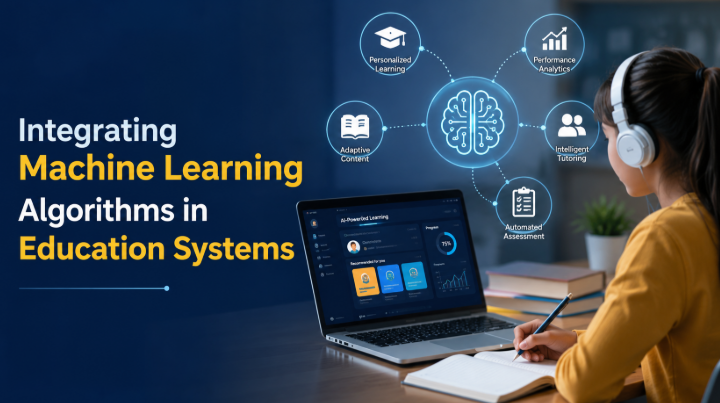
Introduction to Machine Learning in Education
Machine learning, a subset of artificial intelligence, refers to the development of algorithms that enable computers to learn from and make predictions based on data. In the realm of education, machine learning plays a transforming role, offering innovative approaches to enhance teaching methods, assess student performance, and customize learning experiences. By systematically identifying patterns and insights from educational data, these algorithms can provide valuable support to both educators and students.
One of the primary applications of machine learning in education is in personalized learning. Through data analysis, machine learning algorithms can assess individual student needs, strengths, and weaknesses. This analysis allows educational systems to tailor learning materials and strategies that best fit each student’s unique learning style. In essence, machine learning empowers educators to develop more effective individualized teaching approaches that cater to diverse classroom populations.
Moreover, machine learning can also streamline administrative processes in educational institutions. For example, predictive analytics can forecast student enrollment trends and academic performance, thereby enabling better resource allocation and policy-making. By leveraging these insights, schools and universities can adopt proactive strategies to address challenges such as student retention, thereby fostering a supportive learning environment.
In addition to personalized learning and improved administrative efficiency, machine learning also plays a crucial role in enhancing teaching methodologies. Through the analysis of vast amounts of educational data, machine learning can identify effective pedagogical strategies, thus guiding educators in adopting best practices. Ultimately, incorporating machine learning technologies into education not only enriches the learning experience but also drives institutional growth and student success.
Benefits of Machine Learning in Education
The integration of machine learning algorithms within educational systems brings forth numerous advantages that can significantly enhance the learning experience for both students and educators. One of the most notable benefits is the facilitation of personalized learning experiences. Through the use of adaptive learning technologies, machine learning can analyze students’ performance data and engagement levels, allowing educational platforms to tailor content and instruction methods to fit individual learning styles and paces. This level of customization helps address the diverse needs of learners, making education more effective and enjoyable.
Moreover, machine learning contributes to improved student engagement. By leveraging data on student interactions and preferences, educational institutions can create more dynamic and interactive learning environments. For instance, intelligent tutoring systems, powered by machine learning algorithms, can provide immediate feedback and scaffold learning in real-time. This responsiveness keeps students motivated and encourages a deeper investment in their educational journey.
Another significant advantage of machine learning in the educational sector is enhanced administrative efficiency. Educators and administrators can utilize machine learning to automate routine tasks such as grading assessments and analyzing student performance trends. By streamlining these processes, valuable time is freed up for teachers, allowing them to focus on delivering quality instruction and supporting students more effectively. Furthermore, the data-driven insights provided by machine learning can help educational institutions make informed decisions regarding curriculum development, resource allocation, and student support services.
Real-world applications of these benefits can be observed in various educational technology platforms. For example, platforms like Coursera and Khan Academy employ machine learning algorithms to offer personalized course recommendations, optimize learning pathways, and enhance user experiences. Such implementations not only improve educational outcomes but also exemplify the transformative potential of integrating machine learning into education systems.
Applications of Machine Learning in Learning Environments
Machine learning (ML) is rapidly reshaping educational landscapes by providing innovative solutions to various teaching and learning methodologies. One of the most promising applications of machine learning in education is the development of adaptive learning platforms. These platforms utilize ML algorithms to analyze individual student performance and learning behaviors, enabling personalized learning experiences that cater to each learner’s unique needs. By adjusting content difficulty and learning pace based on real-time data, these systems can significantly enhance student engagement and comprehension.
Another important application of machine learning in classrooms is intelligent tutoring systems (ITS). Unlike traditional tutoring methods, ITS employs advanced ML techniques to assess student understanding and provide tailored feedback. These systems can identify common misconceptions and areas where students struggle, allowing for targeted interventions. As a result, students receive immediate assistance and additional resources, promoting deeper understanding and retention of concepts.
Automated grading systems represent yet another transformative application of machine learning in education. Traditional grading methods can be time-consuming and subjective, often failing to provide consistent feedback. ML-driven grading solutions leverage algorithms to assess student submissions, whether they are essays or multiple-choice questions, with increased accuracy and speed. These systems not only save educators valuable time but also ensure a fair evaluation process, as they are designed to minimize human bias.
In summary, machine learning is paving the way for smarter educational systems, enhancing both the teaching experience and student learning outcomes. By implementing adaptive learning platforms, intelligent tutoring systems, and automated grading solutions, educational institutions are better equipped to meet diverse learning needs and improve overall academic success.
Challenges of Implementing Machine Learning in Education
Integrating machine learning algorithms into education systems presents several challenges that need to be addressed for successful implementation. One significant concern is data privacy. The collection and analysis of student data for machine learning purposes can raise ethical questions regarding consent and data security. Educational institutions must ensure that the data is handled in compliance with regulations such as GDPR or FERPA, which govern the protection of personal information. Maintaining the confidentiality of students’ academic and personal data is paramount, and failure to do so could lead to significant legal and ethical repercussions.
Another challenge is the requirement for infrastructure upgrades. Many schools and educational institutions may not have the necessary technological infrastructure to support advanced machine learning systems. This may involve investing in updated hardware, software, and network capabilities to handle large datasets and complex algorithms efficiently. Limited funding for educational technology can impede the ability of institutions to implement these advanced systems, thus necessitating strategic investment and allocation of resources.
Resistance from educators also poses a substantial challenge. Some educators may feel threatened by the introduction of machine learning technologies, fearing that these systems could undermine their roles or expertise. Furthermore, the integration of technology into teaching practices requires professional development and training. Without adequate support and willingness from the teaching staff to adapt to new technologies, the efforts made to implement machine learning can fall short. Building a culture of collaboration, where educators are actively involved in the implementation process, is crucial to alleviating concerns and fostering acceptance.
Lastly, ensuring that machine learning algorithms are designed to be fair and unbiased represents a growing challenge. If not carefully addressed, biases in algorithms could exacerbate existing inequalities in the education system. Thus, a comprehensive approach that addresses these multifaceted challenges is essential for the successful integration of machine learning in education.
Case Studies of Successful Implementations
In recent years, several educational institutions have successfully integrated machine learning algorithms into their systems, showcasing innovative strategies and impressive outcomes. One notable example is the Georgia Institute of Technology, which developed an intelligent tutor system called Jill Watson. This machine learning-enabled virtual teaching assistant was designed to provide students with real-time feedback and support in their coursework. The implementation of Jill Watson not only increased student engagement but also significantly reduced the workload of human instructors, allowing them to dedicate more time to personalized teaching.
Another compelling case can be found at Stanford University, where researchers employed machine learning to personalize educational content for students. By analyzing data from student interactions, this system could adapt the curriculum based on individual learning patterns and preferences. As a result, students experienced a marked improvement in academic performance and satisfaction. The effective application of machine learning algorithms here demonstrates the potential for tailored learning experiences in enhancing educational outcomes.
Furthermore, the University of California, Berkeley, has harnessed machine learning to streamline administrative operations within its online education platform. By utilizing predictive analytics, the institution was able to identify at-risk students early in the academic term. This proactive approach allowed for timely interventions, which contributed to improved retention rates and overall student success. The case exemplifies how machine learning can optimize resource allocation in educational settings.
These case studies underscore the transformative power of machine learning algorithms within education systems. Institutions that have embraced these technologies not only enhance learning experiences but also improve operational efficiency and student engagement. The successful implementation of machine learning in education serves as a model for other institutions aiming to foster innovation and improve educational outcomes.
Future Trends in Machine Learning and Education
The integration of machine learning algorithms within educational systems is poised to revolutionize how learners interact with content and how educators personalize the learning experience. Emerging trends suggest significant advancements in several key areas, notably natural language processing, AI-driven curriculum development, and the harnessing of big data.
Natural language processing (NLP) is anticipated to play a crucial role in transforming educational tools. With the capability to understand and generate human language, NLP can enhance student engagement through interactive learning experiences. For instance, chatbots powered by NLP can provide real-time assistance, clarifying concepts or answering queries. These intelligent systems can tailor responses based on the learner’s proficiency level, leading to a more customized and impactful educational experience.
Another promising trend is AI-driven curriculum development, which can revolutionize how educational material is created and delivered. By analyzing learning behaviors and outcomes, machine learning algorithms can assist educators in designing curriculums that meet the diverse needs of students. These AI systems can dynamically adjust course material based on ongoing assessments, ensuring that learners remain challenged yet not overwhelmed, ultimately enhancing retention and comprehension.
Furthermore, the role of big data in education cannot be overstated. By mining vast amounts of educational data, institutions can gain insights into student progress and predict future performance. This data-driven approach allows educators to identify at-risk students early and implement targeted interventions. The potential for big data analytics, combined with machine learning, paves the way for comparatively refined pedagogical strategies, which can maximize student outcomes and improve overall educational effectiveness.
In conclusion, the future of machine learning in education will be characterized by enhanced personalization, data-driven insights, and a reimagination of educational content delivery. As these technologies continue to evolve, their impact will be profound, promising a more efficient and adaptive educational landscape.
Ethical Considerations in Using Machine Learning
The implementation of machine learning algorithms within education systems has brought forth numerous ethical considerations that merit serious attention. These implications are particularly relevant as the educational landscape increasingly embraces artificial intelligence to shape the learning experience for students.
One primary concern revolves around algorithmic bias. Machine learning systems learn from historical data, which may inherently contain biases reflective of past inequities. If these biases are not identified and mitigated, they risk perpetuating stereotypes and inequalities among different demographic groups. For instance, an algorithm that evaluates student performance could unintentionally disadvantage certain racial or socio-economic groups, ultimately affecting their access to educational opportunities.
Equity in access to technology is another pressing ethical issue. Machine learning applications often require substantial technological infrastructure and digital literacy, posing challenges for under-resourced schools or marginalized communities. This digital divide not only limits access to machine learning tools but also exacerbates existing disparities in educational achievement. Consequently, educators and policymakers must ensure that machine learning applications are accessible to all students, thereby fostering an equitable learning environment.
Moreover, transparency in AI systems is crucial. Stakeholders, including students, parents, and educators, must understand how machine learning algorithms function and the basis on which decisions are made. Without clear insights into the operation of these systems, there is a risk of eroding trust in educational institutions. Transparency promotes accountability and enhances user confidence in machine learning applications, making it imperative for developers to communicate effectively about the workings and limitations of their algorithms.
In summary, addressing these ethical considerations is foundational to the successful integration of machine learning algorithms in education systems. By prioritizing fairness, equity, and transparency, stakeholders can work towards a more inclusive and ethical educational landscape.
Creating a Roadmap for Implementation
Implementing machine learning algorithms in educational systems requires a well-structured roadmap that encompasses several crucial steps. The first step involves conducting a thorough assessment of the institution’s needs, which includes identifying areas where machine learning can make a significant impact. This might involve analyzing current teaching methodologies, student engagement levels, or administrative processes that could benefit from automation and predictive analytics.
Following the needs assessment, the next step is selecting appropriate machine learning technologies that align with the identified needs. This selection process should consider factors such as ease of integration with existing systems, user-friendliness, and the specific functionalities of the algorithms that will be implemented. Educational institutions may want to explore various software solutions or collaborate with technology providers to find the best fit for their requirements.
The third step focuses on training for educators and staff. It is essential to ensure that teaching professionals are equipped with the necessary skills to utilize machine learning tools effectively. This may involve organizing workshops, online courses, or collaborative training sessions where educators learn not just about the technology itself but also how to incorporate it into their curricula seamlessly. Providing ongoing support and resources is vital, as this encourages educators to adapt to the changing technological landscape.
Finally, it is important for institutions to monitor and evaluate the implemented machine learning systems regularly. This monitoring phase should involve gathering feedback from both educators and students to assess the effectiveness of the tools in enhancing educational outcomes. Utilizing data analytics to track performance metrics can help in understanding the impact and areas for improvement, ensuring that the integration of machine learning remains aligned with the institution’s educational goals.
Conclusion and Call to Action
In this discussion, we explored the transformative potential of integrating machine learning algorithms within education systems. By leveraging advanced algorithms, educational institutions can adopt personalized learning experiences, enabling tailor-made instruction that caters to individual student needs. Machine learning not only offers insights into student performance but also enhances administrative efficiencies, making it easier for educators to identify areas of improvement.
The adoption of these technologies is crucial in addressing the diverse challenges faced by modern education, such as varying learning paces among students, resource allocation, and curriculum development. As we have seen, machine learning techniques like predictive analytics can forecast outcomes based on student data, which allows for proactive interventions and enhanced academic support.
Furthermore, inclusive education stands to benefit significantly from the implementation of machine learning. It promotes an equitable learning environment where every student can access resources tailored to their unique learning styles and backgrounds. By harnessing data-driven methodologies, schools and institutions can create more inclusive policies that bridge learning gaps and provide equal opportunities for success.
Therefore, stakeholders within the education sector, including policymakers, educators, and technology developers, are urged to embrace machine learning as a foundational element of contemporary education systems. Investing in research, training, and development related to these algorithms is imperative to ensure that all learners benefit from the evolving digital landscape. Implementation should proceed with a structured approach focused on collaborative efforts to promote a learning ecosystem that is not only efficient but also equitable.