


Understanding Work-Life Balance
Work-life balance refers to the equilibrium between personal life and professional responsibilities that individuals strive to achieve. This balance is a crucial component of maintaining overall well-being and can significantly influence one’s productivity and mental health. As individuals increasingly navigate demanding work environments, the importance of establishing a sustainable work-life balance has become more apparent.
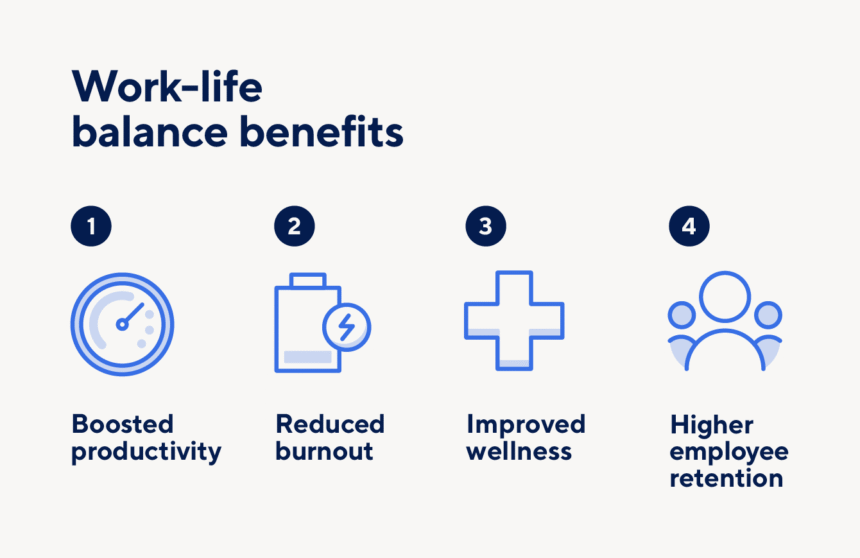
Achieving a harmonious balance between work and personal life allows individuals to allocate their time effectively, ensuring that neither aspect overwhelms the other. This equilibrium fosters a healthier lifestyle, enables more fulfilling relationships, and contributes to greater job satisfaction. Furthermore, research suggests that professionals who achieve this balance are often more productive, as they can invest their energy in both work commitments and personal pursuits without feeling stretched or burnt out.
One of the key benefits of maintaining a balanced work-life routine is enhanced mental health. When individuals prioritize their personal well-being alongside their professional obligations, they are less likely to experience stress, anxiety, and fatigue. Engaging in personal activities, hobbies, or time with family can recharge one’s mental resources, leading to improved focus and creativity in the workplace.
In addition to mental health benefits, a balanced work-life approach can promote physical well-being. Individuals who manage to integrate physical wellness activities, such as exercise or proper stress management techniques, alongside their work commitments may see improvements in their physical health metrics, including reduced stress levels and lower risk of burnout or chronic illness.
In summary, understanding the concept of work-life balance is essential for professionals aiming to cultivate a fulfilling personal and professional life. A focus on achieving this balance is not only critical for individual well-being but also plays a significant role in enhancing overall productivity and ensuring long-term success.
Assessing Your Current Routine
Evaluating your existing work-life routine is a critical first step towards achieving balance. An effective assessment requires a clear understanding of how time is allocated between work commitments and leisure activities. Begin by journaling your daily schedule, which includes detailing your work hours, breaks, and personal time. This practice offers an honest glimpse into when and how you operate throughout the day.
As you analyze your recorded activities, take note of the amount of time dedicated to work versus leisure. It is essential to recognize not only the quantity of time spent in both areas but also the quality of that time. Are your leisure activities genuinely restorative? Or do they often fall by the wayside, leaving you feeling overwhelmed and fatigued? Identifying these patterns can help highlight any discrepancies that may exist in your routine, allowing for adjustments to enhance overall well-being.
Understanding your stress levels is another vital aspect to consider during this assessment. Pay attention to how you feel during and after work hours. Regularly experiencing heightened stress can indicate an imbalanced routine, where work demands overshadow personal time. In addition, reflect on your personal priorities: what activities rejuvenate and inspire you outside the workplace? Aligning your schedule with these priorities can lead to improved life satisfaction. Make it a point to create time for activities that reflect your core values and interests.
By employing practical tips such as journaling your time and reflecting on your daily experiences, you will gain valuable insights into your work-life balance. This thoughtful evaluation is the foundation upon which a more harmonious and fulfilling life can be created, paving the way for subsequent enhancements in your routine.
Setting Clear Boundaries
Setting clear boundaries between work and personal life is essential for maintaining a balanced work-life routine. The significance of establishing these boundaries cannot be overstated, as they help reduce stress, increase productivity, and enhance overall well-being. Here are some effective strategies to create and maintain these boundaries.
First, it is crucial to define designated work hours. By establishing specific times to start and end the workday, individuals can create a structured environment that separates professional duties from personal activities. This practice not only fosters a sense of discipline but also signals to colleagues and family members when you are available and when you are not.
Next, effective communication plays a key role in boundary setting. It is important to articulate your work hours and availability to both colleagues and family members. This can be achieved through conversations, emails, or shared calendars that visibly indicate your designated work hours. When others are aware of your schedule, they are less likely to interrupt with work-related queries during your personal time.
Moreover, it is vital to practice assertiveness when it comes to enforcing these boundaries. Should a colleague or family member violate your established boundaries, address the issue promptly and calmly. Be clear about the importance of respecting your time and the impact it has on your productivity and personal life. Establishing a protocol for how and when you can be contacted outside of designated work hours can also mitigate boundary violations.
In conclusion, setting clear boundaries is an integral aspect of developing a balanced work-life routine. By defining work hours, communicating effectively, and addressing boundary violations assertively, individuals can better manage the intersection of their personal and professional lives, leading to improved overall satisfaction and productivity.
Creating a Flexible Schedule
Developing a flexible work schedule is essential for achieving a balanced work-life routine. A well-structured plan can help synchronize professional responsibilities with personal commitments and interests, ultimately leading to increased productivity and satisfaction. The first step in creating a flexible schedule is to identify your core work hours. Establishing a routine that designates specific times for your professional tasks allows for a clearer demarcation of work-life boundaries.
Once core hours are established, utilizing tools such as digital calendars and task management applications can greatly enhance your scheduling capabilities. These tools allow you to visually organize your daily responsibilities, set priorities, and allocate time for personal activities. For example, employing a color-coded calendar can help differentiate between work and personal appointments, providing a comprehensive overview of your day.
In addition to traditional scheduling methods, consider adopting the practice of time blocking. This technique involves allocating specific blocks of time dedicated to particular tasks or categories of activities. By assigning designated periods for both work and personal responsibilities, you can effectively manage interruptions and maintain focus. It also provides a structure that can be followed throughout the week, enabling you to adapt as necessary based on evolving commitments.
Incorporating regular breaks into your schedule is another vital aspect. Scheduled intervals for rest and leisure can help rejuvenate your mind, ultimately fostering a healthier work environment. Ensure that you also reserve time for personal interests, family engagements, and self-care. Striking a balance between work and personal life requires deliberate planning, active management, and periodic assessment of your routine to guarantee its effectiveness.
Prioritizing Self-Care
In the pursuit of a balanced work-life routine, prioritizing self-care emerges as a fundamental element. Self-care encompasses a range of practices that individuals can adopt to replenish their physical, emotional, and mental well-being. By incorporating these practices into daily schedules, one can significantly enhance the overall quality of life and reduce stress levels.
One effective self-care practice is regular exercise. Engaging in physical activity not only boosts energy levels but also releases endorphins, which positively influence mood and alleviate anxiety. Whether through gym workouts, yoga, or simple walks, finding a form of exercise that one enjoys can transform health and well-being over time.
Mindfulness is another cornerstone of self-care. Practicing mindfulness techniques, such as meditation and deep-breathing exercises, can help individuals cultivate a sense of presence and awareness. These practices are particularly beneficial for regulating stress and improving focus, allowing individuals to engage more fully in both their personal and professional lives.
Moreover, dedicating time to hobbies plays a crucial role in achieving work-life balance. Pursuing interests outside of work can provide relaxation and enjoyment, serving as an effective counterbalance to daily responsibilities. Creative activities—whether painting, gardening, or playing a musical instrument—help in expressing oneself and nurturing creativity, contributing to mental health improvements.
In addition, nurturing social connections is vital for self-care. Interacting with family and friends strengthens relationships, provides emotional support, and fosters a sense of belonging. Allocating specific time in one’s weekly routine for social activities can prevent feelings of isolation, enhancing overall happiness.
Integrating self-care practices into the daily routine requires intentionality and planning. Setting aside specific times for exercise, relaxation, and hobbies can help ensure that these activities become ingrained in daily life. By prioritizing self-care, individuals can cultivate resilience and maintain a more balanced and fulfilling work-life dynamic.
Incorporating Tech Wisely
In today’s fast-paced digital age, technology plays a critical role in shaping our work-life balance. While it offers numerous tools and applications that can enhance productivity and facilitate remote work, its pervasive nature can also lead to a blurring of boundaries between professional and personal life. Thus, understanding how to incorporate technology wisely is imperative for maintaining a healthy work-life routine.
To begin with, leveraging specific apps designed for task management, project collaboration, and time tracking can significantly increase efficiency in remote work settings. Tools like Trello, Asana, or Slack help streamline workflows, enabling you to stay organized and focused on tasks. Such applications encourage communication and collaboration among team members, ensuring that everyone remains aligned on their objectives. Additionally, calendar apps can assist in scheduling breaks and checking off completed tasks, which can help prevent work from bleeding into personal time.
However, the benefits of technology should not overshadow the importance of downtime. Disconnecting from devices is essential to prevent burnout and maintain mental health. Allocating specific times during the day to unplug from screens can improve focus, enhance creativity, and foster meaningful offline interactions. Setting boundaries, such as designating a device-free zone at home or establishing a post-work period where work emails and messages are not checked, can protect your personal time. Facilitating these boundaries allows for a clearer demarcation between work and personal life, ultimately promoting a sustainable work-life balance.
In embracing technology for work purposes, it is crucial to remain conscious of its impact on life outside of work. Technology should serve as a tool to enhance productivity while also providing individuals the freedom to disconnect, recharge, and foster personal relationships away from the screen.
Overcoming Challenges
Creating a balanced work-life routine can often feel like a daunting task due to various challenges that arise. One of the most significant hurdles is the nature of work demands, which may include tight deadlines, increased workloads, and the expectation of constant connectivity. These factors can lead to feelings of overwhelm and burnout, making it difficult for individuals to prioritize their personal lives.
Life disruptions, such as unexpected family obligations or health issues, further complicate the pursuit of equilibrium. These interruptions can disrupt even the best-laid plans, leading to frustration and a sense of loss of control. To effectively confront these challenges, it is essential to adopt a proactive mindset that embraces flexibility and adaptability.
One effective strategy for overcoming work-related challenges is to set clear boundaries. Communicating with supervisors and colleagues about your availability and capacity can help manage expectations and reduce stress. Additionally, utilizing time management techniques, such as prioritizing tasks and setting specific time frames for work, can enhance productivity and free up personal time.
For life disruptions, embracing problem-solving techniques is crucial. When faced with an unexpected situation, taking a moment to assess the issue and brainstorm potential solutions can alleviate anxiety. Flexibility in scheduling and a willingness to adjust plans can also help navigate unanticipated challenges.
Adjusting expectations is another vital aspect of developing a balanced work-life routine. It is essential to recognize that achieving perfect balance is often unrealistic. Instead of striving for a flawless equilibrium, aim for a general sense of harmony that accommodates both work and personal life. By reframing this balance as a dynamic process rather than a static goal, individuals may experience greater satisfaction and reduced stress.
Building a Support System
A robust support system plays a pivotal role in achieving a healthy work-life balance. It encompasses friends, family, coworkers, and even professional advisors who can provide guidance, encouragement, and a sense of belonging. When individuals are surrounded by supportive individuals, they are more likely to navigate life’s challenges effectively, reinforcing their mental and emotional well-being. This, in turn, contributes significantly to productive work and fulfilling personal life.
To build an effective support system, individuals should begin by identifying trusted relationships in their lives. Open communication with these individuals fosters deeper connections. It is beneficial to share personal goals and challenges, as such exchanges can cultivate empathy and understanding. Whether it’s asking a friend to help with childcare or seeking advice from a colleague on project management, reaching out for support proves to be an invaluable strategy. In the workplace, nurturing relationships with coworkers can lead to collaboration, resource sharing, and a positive work environment, which ultimately mitigates burnout.
In some situations, personal support may not suffice. Recognizing when professional help is required is vital. Seeking assistance from a counselor or therapist can provide neutral, objective insights that help individuals navigate complex emotional landscapes. Similarly, support groups offer opportunities for shared experiences, where individuals can glean different perspectives about work-life challenges. Engaging with mental health professionals can enhance coping mechanisms, which in turn promotes high-functioning personal and professional conduct.
In essence, a well-rounded support system, encompassing both personal and professional networks, empowers individuals to lead more balanced lives. By proactively investing in these relationships and acknowledging when to seek external help, individuals equip themselves with the resources necessary to thrive amidst various life demands.
Regularly Reassessing and Adjusting
Maintaining a balanced work-life routine is not a one-time task; it requires ongoing evaluation and adjustment. Regularly reassessing your work-life balance can help ensure that you remain aligned with both your personal and professional goals. Life circumstances, such as changes in work demands or personal commitments, can shift the equilibrium you initially established.
One effective method to track your routine is by maintaining a work-life balance journal. This journal can be used to log daily activities, noting the time spent on work versus personal life. Additionally, you may wish to rate your stress levels periodically throughout the week. This quantitative measure can provide insights into how well you are maintaining your balance and whether any adjustments are necessary.
It is also beneficial to schedule regular check-ins, perhaps on a weekly or monthly basis, to evaluate your current satisfaction levels. During these check-ins, reflect on your stress levels, productivity, and overall well-being. Consider asking yourself questions such as: Am I meeting my personal commitments? How do I feel about my work hours? Are there any areas in my life where I feel overwhelmed?
By responding to these questions, you may identify patterns that indicate where adjustments are needed. Whether it involves re-prioritizing tasks at work, allocating more time for personal activities, or establishing boundaries to minimize work distractions, addressing these insights can contribute to long-term success in fostering balance.
In conclusion, regularly reassessing and adjusting your work-life routine is essential for achieving a sustainable balance. By actively monitoring your routines and stress levels, you create space for opportunities to realign your priorities, thereby enhancing both your professional accomplishments and personal happiness.