


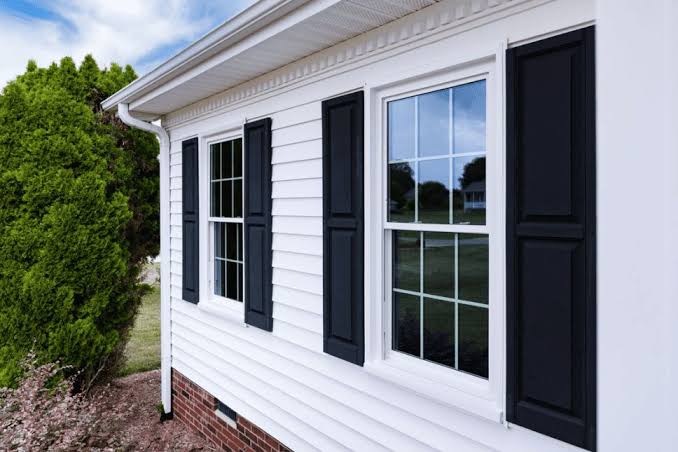
Introduction to Energy-Efficient Windows
Energy-efficient windows are specially designed to minimize energy loss within a home or building, thereby enhancing energy conservation and reducing utility bills. The performance of these windows is primarily attributed to their materials and construction—featuring advanced insulating properties that reflect heat in summer while retaining warmth during winter. This dual capability is especially significant given the mounting concerns surrounding energy costs and environmental impact.
The benefits of energy-efficient windows are manifold. Not only do they contribute to lower energy expenses, but they also enhance indoor comfort by stabilizing temperature fluctuations throughout the year. Additionally, they help reduce greenhouse gas emissions by decreasing overall energy demand. This is critical as homeowners and builders alike increasingly prioritize sustainable practices in response to climate change challenges.
Moreover, energy-efficient windows can significantly elevate the aesthetic value of properties. Available in a variety of styles and finishes, these windows enable homeowners to maintain their desired architectural style while also promoting energy conservation. Improved durability is another advantage; energy-efficient windows are often manufactured from premium materials that resist wear and tear and require less maintenance over time.
In today’s environmentally conscious world, the installation of energy-efficient windows serves as a proactive measure that aligns with sustainable living practices. By opting for these innovative solutions, homeowners not only save money but also contribute to the larger goal of environmental sustainability. This guide will delve deeper into the various technologies and features of energy-efficient windows, examining their impact on energy consumption and their role in fostering a sustainable future.
Understanding Window Energy Ratings
When selecting energy-efficient windows, comprehending the various energy ratings systems is crucial for making informed decisions. Among the primary metrics to consider are the U-factor, Solar Heat Gain Coefficient (SHGC), and Visible Transmittance (VT). Each of these ratings quantifies a specific aspect of a window’s performance, ultimately influencing heating, cooling, and lighting costs.
The U-factor measures the rate of heat transfer through a window. It is expressed in terms of thermal transmittance; a lower U-factor indicates better insulation properties. Thus, windows with a low U-factor are preferable for climates where insulation is essential for maintaining indoor temperatures, especially during winter months. This efficiency in thermal regulation can significantly reduce energy consumption, lowering both heating and cooling costs.
Next, the Solar Heat Gain Coefficient (SHGC) quantifies how much solar radiation passes through a window. This value is crucial for determining how much heat from sunlight will enter a home. Ranging from 0 to 1, a lower SHGC is beneficial in warmer climates to minimize overheating, whereas a higher SHGC may be advantageous in cooler areas, allowing sunlight to naturally warm indoor spaces. Therefore, selecting the appropriate SHGC can enhance comfort and reduce reliance on conventional heating or cooling systems.
Lastly, Visible Transmittance (VT) indicates how much visible light is transmitted through the window, impacting a home’s natural lighting. A higher VT value is desirable in areas where adequate daylight is sought, as it can reduce the need for artificial lighting, thereby saving energy. By understanding these ratings, consumers can evaluate energy-efficient windows better, ensuring they choose products best suited to their climate and personal needs.
Types of Energy-Efficient Windows
Energy-efficient windows come in various types, each designed to improve thermal performance and reduce energy consumption in homes and buildings. Understanding these types can help homeowners make informed decisions that align with their energy efficiency goals and climate requirements.
One of the most common types is the double-pane window, which consists of two glass panes separated by a vacuum or inert gas. This construction significantly reduces heat transfer, making double-pane windows an excellent option for both hot and cold climates. The air gap between the panes acts as an insulator, thereby minimizing heat loss in winter and keeping interiors cool in summer.
Another advanced option is the triple-pane window. As its name suggests, it features three layers of glass, providing enhanced insulation compared to double-pane options. The additional layer effectively reduces noise pollution and increases energy efficiency. Triple-pane windows are particularly suitable for extremely cold regions where maintaining optimal indoor temperatures is critical.
Low-E (Low Emissivity) windows are also gaining popularity due to their energy-saving properties. These windows have a special coating that reflects heat while allowing sunlight to enter. Low-E coatings minimize UV rays that can damage furniture and flooring, which is advantageous in sunny climates. When combined with double or triple glazing, Low-E windows significantly enhance overall energy performance.
Gas-filled windows, which often feature argon or krypton gas between panes, offer superior thermal insulation. These denser gases are more effective than air at reducing heat transfer, making them an excellent choice for energy efficiency in diverse climates.
In conclusion, selecting the right type of energy-efficient window can immensely contribute to energy conservation and comfort in homes. By considering factors such as glass layers, coatings, and gas fills, homeowners can choose the most suitable options for their specific environment.
The Science Behind Energy Efficiency
Understanding the science behind energy-efficient windows reveals the intricate interplay of materials, design, and technology that culminate in enhanced thermal performance and reduced energy consumption. A pivotal aspect of energy efficiency is insulation, which is crucial for minimizing heat transfer between a building’s interior and the external environment. Advanced glazing options, including double and triple-pane windows, utilize multiple layers of glass that are often filled with inert gases such as argon or krypton. These gases have lower thermal conductivity than air, serving as effective insulating barriers that significantly impede heat flow.
Thermal performance is further optimized through the use of Low-E (low emissivity) coatings on the glass. These coatings reflect infrared light while allowing visible light to pass through, thereby contributing to better daylighting without compromising thermal control. By maintaining a stable indoor temperature, energy-efficient windows reduce the demand for heating and cooling systems, ultimately leading to lower energy bills and a decreased carbon footprint.
Additionally, window frames are constructed from energy-efficient materials such as vinyl, fiberglass, or wood composite, which possess excellent insulation properties compared to traditional aluminum frames. The choice of frame material can greatly influence the overall performance and energy efficiency of the window. Furthermore, the design attributes, such as spacers and the arrangement of the glazing, also play an essential role in mitigating thermal bridging and minimizing heat loss.
Light optimization is an important factor to consider as well. Energy-efficient windows often incorporate features that maximize natural light while reducing glare. By effectively balancing daylighting and thermal management, these windows enhance indoor comfort and decrease reliance on artificial lighting, contributing to further energy savings. Overall, the scientific principles that govern the effectiveness of energy-efficient windows are multifaceted, encompassing insulation techniques, thermal performance metrics, and innovative light optimization strategies.
Benefits of Upgrading to Energy-Efficient Windows
Upgrading to energy-efficient windows offers numerous advantages for homeowners and property managers alike. One of the most significant benefits is the potential for lower energy bills. Energy-efficient windows are designed to minimize heat transfer, which helps maintain a stable indoor temperature. This means that heating and cooling systems do not have to work as hard, leading to decreased energy consumption and cost savings on utility bills. For homeowners in Texas, comparing electricity plans can also help put those savings into perspective, and resources covering reliant energy rates and reviews can support a more informed choice of provider.
Improved comfort is another key advantage of energy-efficient windows. These windows are engineered with advanced technologies such as double or triple glazing, low-emissivity coatings, and argon gas fills that enhance their insulation properties. By reducing drafts and ensuring a consistent indoor climate, energy-efficient windows can create a more pleasant living environment throughout the year.
Beyond financial benefits, upgrading to energy-efficient windows contributes to a reduced carbon footprint. By lowering energy usage, homeowners can effectively decrease their reliance on fossil fuels, leading to lesser greenhouse gas emissions. This environmental impact is increasingly important in the context of climate change and sustainability, making energy-efficient windows a responsible choice.
Additionally, many homeowners may be eligible for tax incentives or rebates when they install energy-efficient windows. Various governments and organizations promote energy-saving home improvements by offering financial incentives, which can further offset the initial installation costs. These benefits provide an economically advantageous reason to consider a window upgrade.
Overall, the transition to energy-efficient windows not only enhances property value but also supports environmental stewardship and leads to significant cost savings. Investing in such windows is a forward-thinking decision that yields long-term benefits, making them a worthy consideration for any property owner.
How to Choose the Right Energy-Efficient Windows
Selecting the right energy-efficient windows is a critical task for homeowners aiming to enhance their property’s energy performance. Several factors should be carefully considered to ensure that the chosen windows meet specific needs and preferences.
Firstly, climate plays a significant role in the selection process. Different climates have unique requirements for window performance. For instance, in hotter regions, windows with a reflective coating that minimizes solar heat gain might be ideal. Conversely, colder climates may benefit from windows designed to retain heat. Homeowners should look for energy ratings and certifications that align with their local climate for optimal performance.
Aesthetic preferences are another essential aspect of the decision-making process. Windows come in various styles, including casement, double-hung, and slider designs. It is crucial for homeowners to choose styles that complement their existing home design while also maintaining energy efficiency. Color and frame materials—such as vinyl, wood, or fiberglass—should also be evaluated, as they can affect both aesthetics and thermal performance.
Budget constraints are an inevitable consideration. Energy-efficient windows can vary widely in price, depending on the brand, style, and features. It is advisable to balance initial costs with potential long-term savings on energy bills. Homeowners should also consider financing options and potential utility rebates that could offset some of the installation costs.
Lastly, installation quality is paramount for achieving the full benefits of energy-efficient windows. Employing a qualified contractor ensures proper installation, which is crucial for minimizing air leaks and maximizing thermal performance. A poorly installed window, regardless of its energy rating, will not perform effectively.
Installation Techniques for Energy-Efficient Windows
When considering energy-efficient windows, the installation process is as crucial as the selection of the windows themselves. There are two primary methods for installation: do-it-yourself (DIY) and professional installation. Each method comes with its own set of advantages and challenges, which can significantly influence the overall energy performance of the windows.
Opting for a DIY installation can save costs but requires a fair amount of skill and knowledge about window fitting. One of the main challenges with DIY installation is ensuring proper sealing and insulation. A tight seal around the window frame is essential to prevent air leaks, which can negate the energy efficiency gains of the windows themselves. Common materials used for sealing include caulk and expanding foam, which can help create an airtight barrier. However, improper application of these materials can lead to gaps, resulting in higher energy bills.
On the other hand, professional installation might pose a higher upfront expense, but it often guarantees a higher quality finish and better performance in terms of energy efficiency. Professionals have access to advanced tools and knowledge of best practices, ensuring that windows are installed in alignment with manufacturer specifications. Proper installation techniques also account for the types of frame materials used, as they can impact insulation properties significantly.
Key factors influencing the proper installation of energy-efficient windows include the use of high-quality insulation materials and ensuring that the frames are appropriately sized for the openings. Additionally, addressing potential thermal bridging by using insulated spacers can enhance overall performance. Therefore, regardless of the chosen installation method, focusing on these critical aspects will aid in achieving the desired energy efficiency and longevity of the windows.
Maintenance of Energy-Efficient Windows
Regular maintenance of energy-efficient windows is crucial for ensuring optimal performance and longevity. Over time, windows can accumulate dust and grime, which may impede their functionality. Therefore, cleaning the window surfaces—both inside and outside—should be a routine part of home maintenance. A mixture of mild soap and water can be applied to clean the glass without causing damage. It is advisable to use a soft cloth or sponge to avoid scratching the surface and to ensure the windows remain crystal clear.
In addition to regular cleaning, homeowners should routinely check the window seals. Window seals are integral in preventing drafts and maintaining the efficiency of the window’s insulating properties. Homeowners should examine for any signs of wear, such as gaps, cracks, or discoloration. If the seals appear to be compromised, it is essential to replace or repair them promptly to avoid energy loss, which can lead to increased heating and cooling costs.
Minor repairs should also be addressed swiftly. This may include fixing any deteriorating frames or sashes, tightening hinges, and ensuring operable windows glide smoothly. By taking these small but impactful steps, the functionality of energy-efficient windows can be preserved, safeguarding against potential issues that could decrease their efficiency.
Overall, a proactive approach to the maintenance of energy-efficient windows not only extends their lifespan but also enhances their energy-saving benefits. It is a worthwhile investment that pays dividends in both financial savings and comfort in the home. Following these maintenance tips will ensure homeowners can enjoy the many advantages of energy-efficient windows for years to come.
Future Trends in Window Technology
The quest for energy efficiency in buildings is continuously evolving, and upcoming trends in window technology play a crucial role in this transformation. One of the most noteworthy advancements is the development of smart windows. These innovative solutions are designed to adapt their tint in response to changes in sunlight and temperature, thereby reducing reliance on heating and cooling systems. By integrating sensors and automated controls, smart windows optimize energy usage, making them a preferred choice among eco-conscious builders and homeowners alike.
In addition to smart technology, advances in glazing techniques are shaping the future of energy-efficient windows. The introduction of low-emissivity coatings and triple-glazed units significantly enhances thermal performance. These coatings reflect heat during the summer months while retaining warmth during the winter, contributing to a more stable indoor climate. Combined with improved frame materials that provide better insulation, such as fiberglass and highly efficient vinyl, these windows can drastically decrease energy consumption over time.
Sustainability is another key focus in the window manufacturing sector. There is an increasing emphasis on utilizing recycled materials and minimizing waste during production processes. Manufacturers are also exploring biobased materials for window frames that provide a smaller carbon footprint while maintaining durability and aesthetic appeal.
As regulations around energy efficiency become more stringent, the demand for innovative window solutions will only grow. It is expected that smart windows and advanced glazing techniques will become standard features in new constructions and renovations aiming for energy certification. Furthermore, ongoing research in renewable energy sources is likely to pave the way for integrated solar energy-collecting windows, further enhancing efficiency. Therefore, the future landscape of energy-efficient windows appears promising, characterized by a blend of technology, sustainability, and improved performance for a greener tomorrow.