


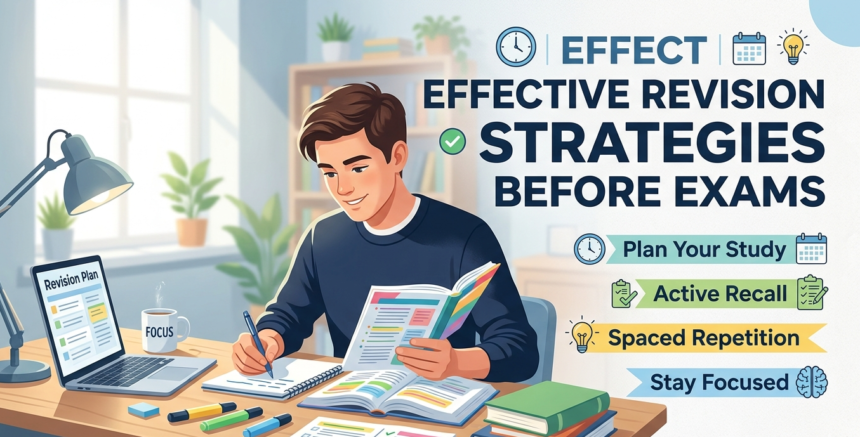
Understanding the Importance of Revision
Revision plays a pivotal role in achieving success in examinations, acting as a crucial bridge between understanding and application of knowledge. Effective revision is not merely a repetitive exercise; it serves as a vital mechanism that consolidates previously learned material, ensuring that information is firmly rooted in memory. Through systematic review, students can identify gaps in their understanding and take necessary steps to address these deficiencies. This process greatly enhances the retention of information, preparing students to effectively retrieve and apply knowledge during assessments.
Moreover, revision facilitates deep learning, where students gain a more nuanced understanding of concepts, allowing for greater analytical thinking and problem-solving capabilities. When students engage with the material multiple times through revision, they are not just memorizing facts; they are building connections between ideas and developing a comprehensive grasp of the subject matter. This in-depth understanding ultimately contributes to higher performance levels on exams.
In addition to academic benefits, the psychological advantages of revision cannot be overstated. Well-prepared students often experience a significant boost in confidence, knowing they have invested time and effort into their studies. This confidence can have a direct impact on exam performance, as students are likely to approach their assessments with a calm and focused mindset. Conversely, lack of preparation can lead to heightened anxiety, hindering a student’s ability to showcase their knowledge. Thus, revision not only equips students with essential academic competencies but also cultivates a positive mental state that is conducive to optimal performance in examinations.
Creating a Study Schedule
Creating an effective study schedule is paramount for success in any examination. A well-designed schedule not only ensures that all subjects are covered in a timely manner but also fosters a structured approach to learning. To begin, it is crucial to plan ahead, ideally several weeks before the exam date. This foresight allows for the distribution of study material over time, reducing the chances of cramming and enhancing long-term retention of information.
When constructing the study schedule, it is essential to allocate specific time blocks for each subject. Consider the weightage of each subject in the upcoming exam, and assign study time accordingly. Subjects that are deemed more challenging or carry more significant marks should receive additional time and focus. Additionally, ensure to incorporate regular breaks within your schedule. Research has shown that study sessions interspersed with short breaks can significantly improve concentration and prevent burnout.
Prioritizing topics based on their difficulty and importance is another vital aspect of creating a study schedule. Begin with identifying the topics that require more effort, utilizing both past performance and your personal comfort level with each subject. Devote sufficient time to these areas while also setting aside time for review and consolidation of knowledge. Moreover, flexibility should be a key feature of your schedule; adjust it as necessary based on ongoing assessments of your understanding and performance in different subjects.
Finally, remember the importance of balance. While it is important to engage in intensive study, ensure to include elements of relaxation and leisure to foster a healthy study-life balance. Successfully managing study time not only prepares you well for exams but also instills confidence in your knowledge and abilities.
Active Learning Techniques
Active learning techniques are pivotal in enhancing understanding and retention of study material. Unlike passive reading, which often leads to minimal engagement, active approaches promote deeper cognitive processing and better retention. One of the most effective methods is summarization, where students condense information into their own words. This active engagement not only reinforces the material but also allows individuals to identify the key concepts and clarify their understanding.
Teaching others is another robust active learning strategy. When a student teaches a concept to someone else, it requires them to organize their thoughts and articulate the material clearly. This process not only strengthens their mastery of the topic but also highlights any gaps in their knowledge that need addressing. Whether it be study groups or informal discussions with peers, explaining concepts to others enhances comprehension significantly.
Furthermore, the use of flashcards is a highly popular method among students. Flashcards can effectively aid in memorization and recall by encouraging frequent self-testing. When using flashcards, learners engage in spaced repetition, which has been shown to improve long-term retention of information. By going through flashcards regularly and mixing different subjects, students can maintain a more dynamic and varied study routine.
Incorporating these active learning techniques—summarization, teaching others, and the use of flashcards—into study habits can foster a more engaging and effective revision process. By actively interacting with the material, students can enhance their understanding and retain crucial information, ultimately leading to improved performance in exams.
Utilizing Past Papers and Practice Tests
Employing past exam papers and practice tests can significantly enhance your exam readiness, equipping you with the skills and confidence necessary to excel. Past papers provide a foundation for understanding the exam format and the types of questions you may encounter. This familiarity can alleviate anxiety and enhance your ability to manage time effectively during the actual exam.
To maximize the benefits of using past papers, it is essential to simulate real exam conditions. This involves setting a timer and working through the questions as if you were taking the actual test. This practice aids in developing a sense of timing that is critical, especially in subject areas where there is a time constraint. After completing the practice tests, it is crucial to review your answers thoroughly. Identify questions or sections where you struggled and categorize these into areas necessitating further study.
Additionally, compare your answers to the marking schemes provided if available. Understanding why certain answers are correct or incorrect helps to consolidate your learning. It is important to focus not only on the content but also on the reasoning behind the correct answers. Over time, this methodical approach to reviewing past papers and practice tests fosters a deeper comprehension of the material, enhancing retention and recall. As you progress, make a note of recurring themes or frequent question types; this can guide your revision strategy, emphasizing weaker areas while also reinforcing stronger topics.
Incorporating a regular routine of practicing with past papers promotes a structured approach to your revision, ensuring you are well-prepared and familiar with the expectations of your upcoming exams. Ultimately, the goal is to leverage past papers not just as a tool for assessment, but as an integral part of your comprehensive revision strategy, aiding in maximizing your potential for success.
Group Study vs. Solo Study
When it comes to preparation for exams, students often debate the merits of group study versus solo study. Each method has distinct advantages and can be more effective depending on individual learning styles and preferences.
Studying alone is often favored for its flexibility. It allows students to tailor their study sessions according to their own pace and focus without external distractions. Solo study can facilitate a deep understanding of material, as learners can concentrate without interruptions from peers. It is particularly beneficial when the content requires extensive memorization or detailed analysis. Additionally, studying alone permits students to create personalized study schedules, utilizing techniques that best suit their comprehension levels.
On the other hand, group study offers unique benefits that can enhance the learning experience. Collaborative learning encourages the exchange of ideas and perspectives which can lead to more robust understanding of complex subjects. When studying in a group, students can engage in discussions, clarify doubts, and share resources—fostering a supportive environment that may motivate individuals to stay accountable to their study goals. Moreover, group study promotes social interaction, which can alleviate the stress that often accompanies intense revision periods.
To conduct productive group study sessions, it is crucial to establish clear goals and a structured agenda to minimize distractions. Setting a time limit for discussions on specific topics can help maintain focus. Additionally, participants should select members who are similarly committed and prepared to contribute effectively. Regularly rotating the responsibility for leading discussions within the group can also keep everyone engaged and accountable.
Incorporating Technology in Revision
In today’s digital age, technology plays a crucial role in enhancing the revision process for students. Various digital tools and applications have emerged, designed to aid learners in their quest for knowledge. These resources can transform traditional study methods into interactive and engaging experiences, ultimately leading to improved retention and understanding of academic material.
One of the most beneficial types of resources are educational videos. Platforms such as YouTube host an abundance of content created by educators and subject matter experts. These videos often simplify complex concepts, providing visual aids that make learning more accessible. Channels dedicated to specific subjects can guide students through intricate topics, thus allowing them to revise at their own pace. With the capability to pause and revisit sections, students can reinforce their understanding effectively.
Another powerful tool in the realm of digital revision is mobile applications. Many apps are designed specifically for study purposes, offering features such as flashcards, quizzes, and self-assessment tools. For instance, apps like Quizlet enable students to create flashcards and test themselves on various subjects. This method of spaced repetition is shown to improve memory recall significantly. Furthermore, apps like Anki utilize algorithms to schedule reviews in a way that maximizes retention, adapting to individual learner progress.
Online quiz platforms also serve as valuable resources for revision; websites like Kahoot! and Quizizz allow students to engage in gamified learning experiences. These platforms create a friendly competition among classmates, making revision more enjoyable and motivating. By participating in quizzes, students can identify areas where they may need additional focus, thus maximizing their study time.
Overall, by effectively harnessing these technological advancements, students can enhance their revision strategies, making the process not only more efficient but also more enjoyable. The integration of technology into revision practices provides a diverse array of tools that cater to different learning styles, ultimately contributing to academic success.
Maintaining a Healthy Mind and Body
Effective revision strategies for exams rely heavily on the established connection between mental and physical health. A well-rounded approach to study not only emphasizes the importance of effective learning techniques but also highlights the necessity of maintaining a healthy mind and body. During revision periods, the cognitive demands placed on students can be immense, and ensuring optimal mental faculty is essential.
Sleep plays a pivotal role in this regard. Generally, individuals are advised to aim for 7 to 9 hours of quality sleep per night. As the brain solidifies learning during sleep, rest becomes vital for memory consolidation. A well-rested mind enhances focus, creativity, and logical reasoning, all of which are crucial during exam preparations. Without adequate sleep, cognitive performance may deteriorate, leading to reduced retention of information.
Nutrition is similarly paramount. Suboptimal dietary choices can impair concentration and overall cognitive function. Incorporating a balanced variety of nutrients is beneficial; for example, omega-3 fatty acids, found in fish and nuts, support brain health, while antioxidants in fruits and vegetables help mitigate the effects of stress. Staying hydrated is equally important, as even mild dehydration can affect mood and cognitive abilities. Therefore, students are encouraged to maintain a nutritious diet rich in whole foods to sustain their energy levels throughout their revision.
Exercise also contributes significantly to a healthy mind and body. Physical activity boosts blood flow to the brain, enhancing mood and reducing anxiety, which are both common challenges faced during exam periods. Engaging in regular exercise, whether through walking, yoga, or team sports, can foster resilience and improve overall well-being. Such activities serve as effective stress relievers, enabling learners to approach their studies with heightened motivation and focus.
Stress Management Techniques
Exam preparation can often lead to heightened levels of anxiety and stress, impacting a student’s performance and overall well-being. Therefore, it is essential to adopt effective stress management techniques during the revision period. Mindfulness practices serve as a beneficial method for maintaining mental clarity and focus. Engaging in mindfulness involves being present in the moment, which can help to alleviate feelings of overwhelm. Simple practices such as guided meditation or even a few moments of silent reflection can significantly reduce stress levels.
In addition to mindfulness, incorporating breathing exercises can be a powerful tool for managing stress. Deep, deliberate breathing promotes relaxation and can swiftly lower anxiety. Techniques such as the 4-7-8 method, where one inhales for four seconds, holds the breath for seven seconds, and exhales for eight seconds, can be particularly effective. Regularly practicing these exercises can ensure that students can manage stress during peak revision periods, allowing for improved concentration and information retention.
Time management is another crucial aspect of stress alleviation. Creating a structured revision timetable that allocates appropriate times for study sessions and breaks can foster a sense of control and balance. Planning revision in smaller, manageable chunks alongside scheduled breaks not only prevents burnout but also enhances productivity. Tools like planners or digital apps can assist students in sticking to their schedules, keeping track of their goals, and allowing flexibility to accommodate personal needs.
By integrating mindfulness practices, breathing exercises, and effective time management strategies, students can better navigate the stress of exam preparations. Cultivating these habits can lead to a more positive revision experience, ultimately contributing to greater academic success.
Review and Feedback Loop
One of the critical components of an effective revision strategy is the establishment of a review and feedback loop. This process is essential for maintaining awareness of one’s strengths and weaknesses in the subject matter. Regular self-assessment allows students to identify areas of proficiency while simultaneously highlighting subjects that require further attention. Self-testing can be an effective method in this regard, as it not only aids in gauging knowledge retention but also reinforces learning through active recall.
Incorporating feedback is equally vital in this cyclical process. When students seek feedback on their performance, whether from teachers, tutors, or peers, they gain valuable insights that can inform their study strategies. Such feedback provides an objective analysis of their understanding and offers suggestions for improvement. For example, if a student receives consistent remarks about misunderstanding a specific concept, they can prioritize that area in subsequent revision sessions. Additionally, engaging in group study sessions can facilitate valuable discussions, further enriching the feedback mechanism and enhancing comprehension.
Moreover, the adaptation of study strategies based on review results is crucial for maximizing effectiveness. If a particular revision technique proves ineffective—such as passive reading or rote memorization—adjustments should be made. Implementing diverse methods, such as mind mapping, practice exams, or teaching concepts to others, can improve retention and understanding. Ultimately, the review and feedback loop serves as a dynamic framework within which students can refine their approaches to revision. Through continual reflection and adaptation informed by both self-assessment and external feedback, learners can significantly elevate their exam preparedness.