


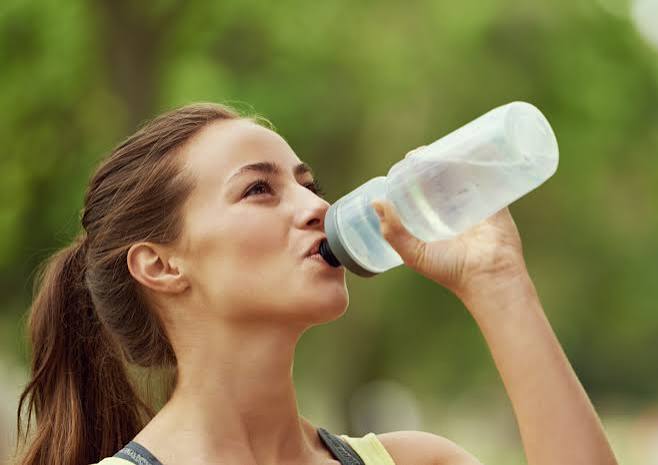
Introduction to Hydration and Health
Hydration is a fundamental aspect of maintaining overall health and well-being. It involves the process of providing adequate fluids to the body, which is crucial considering that approximately 60% of the human body is composed of water. This essential component serves numerous functions, including regulating body temperature, transporting nutrients, and facilitating cellular processes. Without sufficient hydration, these physiological functions can become impaired, which may ultimately lead to various health issues.
Water plays a vital role in bodily functions. It is involved in digestion, nutrient absorption, and waste elimination. Moreover, adequate hydration supports cardiovascular health by maintaining blood volume and regulating blood pressure. Furthermore, water is important for skin health; it helps maintain elasticity and prevents dryness. By understanding the critical nature of hydration, individuals can make informed choices that affect their health positively.
Dehydration can occur when the body loses more fluids than it takes in. This condition can manifest with symptoms such as thirst, dry mouth, fatigue, dizziness, and confusion. Chronic dehydration can lead to more severe health complications, including kidney stones, urinary tract infections, and even impaired cognitive function. Therefore, it is essential to recognize the significance of proper fluid intake to maintain optimal health.
This article will delve into the various aspects of hydration and its impacts on overall health. Key sections will cover how hydration supports physical performance, affects mental clarity, and helps prevent chronic diseases. By examining these areas, we will illustrate the importance of hydration and emphasize the necessity for individuals to prioritize their fluid intake as a part of their daily routine.
Understanding the Science of Hydration
Hydration is a fundamental aspect of human physiology that plays a critical role in maintaining health and well-being. Water, which constitutes about 60% of the human body, is absorbed primarily in the intestines and subsequently distributed to cells and tissues where it is utilized for numerous biological processes. This absorption begins in the stomach and continues in the small intestine, with factors such as hydration level, electrolyte balance, and body temperature influencing the efficiency of this process.
At the cellular level, water is essential for various metabolic functions. It serves as a solvent for biochemical reactions, facilitates nutrient transport, and aids in waste removal. Moreover, water is crucial for thermoregulation, helping to maintain a stable internal body temperature despite fluctuations in environmental conditions.
Electrolytes, including sodium, potassium, and chloride, play an integral role in hydration. These charged particles help regulate fluid balance and are involved in nerve conduction and muscle contraction. When the body is well-hydrated, electrolytes function optimally, ensuring that cells receive the necessary nutrients and maintain their structural integrity. An imbalance of electrolytes, often caused by inadequate hydration, excessive sweating, or certain medical conditions, can lead to various health issues, including dehydration and heat-related illnesses.
Understanding the science of hydration enables individuals to make informed choices about their fluid intake. The body relies on a delicate balance of water and electrolytes; thus, proper hydration is crucial not just for physical activity but for overall health. Recognizing the signs of dehydration and the importance of maintaining adequate fluid levels is vital for promoting optimal body function and preventing adverse health outcomes.
The Effects of Dehydration on the Body
Dehydration occurs when the body loses more fluids than it takes in, leading to an imbalance that can adversely affect various bodily systems. One of the primary systems impacted by dehydration is the cardiovascular system. When fluid levels are low, the volume of blood decreases, making it harder for the heart to pump blood. This can result in increased heart rates and reduced blood pressure, both of which can strain the heart and elevate the risk of cardiovascular issues.
Metabolism also plays a crucial role in how dehydration affects the body. Water is essential for the body’s metabolic processes, including digestion and nutrient absorption. Insufficient hydration can disrupt these processes, leading to sluggishness, fatigue, and longer recovery times from physical exertion. Furthermore, dehydration can hinder the kidneys’ ability to filter waste and maintain electrolyte balance. When the kidneys are overwhelmed, it may lead to more serious health complications such as kidney stones or urinary tract infections.
Cognitive functions are not exempt from the effects of dehydration. Studies have shown that even mild dehydration can impair concentration, memory, and overall cognitive performance. Symptoms such as headaches, dizziness, and confusion can all arise from inadequate fluid intake. These cognitive impairments can significantly affect daily activities, work performance, and overall quality of life.
Early symptoms of dehydration include thirst, dry mouth, and reduced urine output. As dehydration progresses, individuals may experience more severe problems such as muscle cramps, rapid heartbeat, and fainting. Long-term consequences can lead to chronic health issues, including kidney damage and cardiovascular disease. Therefore, maintaining proper hydration is critical for overall health and well-being.
Hydration and Physical Performance
Maintaining optimal hydration levels is critical for enhancing physical performance, particularly during exercise. Water is an essential component that supports numerous physiological functions necessary for athletes and fitness enthusiasts alike. Adequate hydration enhances blood circulation, regulates body temperature, and promotes muscle function, all of which play pivotal roles in athletic performance.
Before engaging in physical activities, it is crucial to ensure proper hydration. Drinking water prior to exercise helps the body maintain fluid balance, reduces the risk of dehydration, and enhances endurance. Research indicates that even mild dehydration can negatively impact strength, power, and overall athletic performance. Consequently, individuals should assess their hydration status before workouts, striving for at least 500 ml (about 16 ounces) of water two hours before initiating any strenuous activity.
During exercise, especially in prolonged activities such as running or cycling, hydration becomes even more essential. Water intake at regular intervals can help maintain electrolyte balance and minimize the risk of fatigue. Studies show that athletes who remain hydrated during training are able to sustain their performance ability, improve endurance, and recover more effectively post-exercise.
Post-exercise hydration is equally important, as it aids recovery processes. Following physical activity, the body loses fluids and electrolytes, which need to be replenished for optimal recovery. Drinking water after exercise assists in the removal of metabolic byproducts from muscles and supports efficient nutrient delivery. A consistent hydration strategy can significantly improve an athlete’s overall performance, endurance, and ability to recover, ultimately enhancing their training outcomes.
Hydration and Mental Health
Maintaining adequate hydration is not only essential for physical health; it also plays a crucial role in mental health. Numerous studies indicate that even mild dehydration can significantly affect mood, cognitive function, and overall mental clarity. The human brain is highly sensitive to changes in hydration levels, as water is a vital component for maintaining optimal brain function.
Research has shown that dehydrated individuals may experience heightened feelings of anxiety, fatigue, and irritability. This suggests that proper hydration is vital for emotional balance and cognitive well-being. When the body is dehydrated, the brain may struggle to perform daily tasks, leading to decreased concentration and increased forgetfulness. This decline in cognitive performance can hinder productivity and overall quality of life.
The physiological mechanism behind this connection lies in the impact of dehydration on neurotransmitter synthesis and nerve signal transmission. Insufficient fluid intake disrupts the body’s ability to regulate stress hormones, potentially leading to increased feelings of stress and anxiety. Therefore, individuals seeking to optimize their mental health should prioritize hydrating consistently throughout the day.
To foster mental clarity, it is recommended to consume fluids regularly, even before feelings of thirst arise. Hydration needs can vary based on factors such as climate, physical activity, and individual health conditions. Consequently, being mindful of one’s hydration status is paramount for mental acuity.
In summary, the clear connection between optimum hydration and mental well-being underscores the importance of focusing on fluid intake as a vital part of maintaining emotional and cognitive health. A commitment to regular hydration can lead to substantial improvements in mood, cognitive function, and overall mental clarity.
The Role of Diet in Hydration
Hydration is crucial for maintaining overall health, and diet plays a significant role in achieving adequate hydration levels. While drinking water is vital, many individuals overlook the hydrating potential of foods. Certain fruits and vegetables have a high water content and can contribute significantly to daily hydration needs.
Fruits such as watermelon, cucumbers, oranges, and strawberries are excellent examples of hydrating foods. For instance, watermelon is composed of about 92% water, making it an ideal choice for replenishing fluids and electrolytes lost through daily activities. Other fruits like cantaloupe and grapefruit can also provide hydration along with essential vitamins and minerals that support bodily functions.
Vegetables, too, are pivotal in any hydration-focused diet. Leafy greens such as spinach and kale, as well as vegetables like bell peppers and celery, are not only nutritious but also possess high water content. They can be easily incorporated into salads, smoothies, or cooked dishes, enhancing both hydration and nutrient intake.
In addition to fruits and vegetables, beverages are a key component of a hydrating diet. While water is the most effective choice, herbal teas, coconut water, and even certain milk alternatives can contribute to hydration. It is essential to be aware of the sugar and caffeine content in beverages, as they can lead to dehydration rather than alleviating it.
A well-balanced diet comprised of hydrating foods will not only help maintain fluid balance in the body but also provide necessary nutrients that enhance overall health. By prioritizing foods that promote hydration, individuals can support their body’s functions, enhance energy levels, and improve cognitive capabilities.
Tips for Staying Hydrated
Maintaining proper hydration is essential for overall health and well-being. To ensure you remain adequately hydrated throughout the day, consider implementing the following strategies into your daily routine.
First and foremost, it is essential to understand the recommended daily water intake. Generally, health experts suggest that adults aim for about 2 to 3 liters (or approximately 8 to 12 cups) of water per day, adjusting according to activity levels, climate, and individual needs. This serves as a foundational goal for fluid consumption.
In addition, integrating hydration reminders into your day can foster consistent water intake. Utilizing smartphone apps or setting hourly reminders can motivate you to drink water regularly. Placing visual cues, such as a water bottle on your desk or sticky notes around your workspace, can also serve as friendly prompts to hydrate.
Another effective strategy is to make hydration enjoyable by infusing your water with fresh fruits, herbs, or vegetables. This not only adds flavor but encourages increased fluid consumption. Citrus fruits, berries, cucumbers, and mint are excellent options that can make drinking water more appealing.
For those who find it challenging to drink water, consider diversifying your hydration sources. Consuming foods with high water content, such as watermelon, cucumbers, and soups, can also significantly contribute to overall hydration. Herbal teas and electrolyte-infused beverages could also complement your hydration strategy, especially after physical activities.
Lastly, considering your daily routine and activities is crucial. If you engage in physical exercise, ensure that you increase your fluid intake before, during, and after your workouts to replenish lost fluids. By being mindful of how and when you hydrate, you can foster a habit of consistent and adequate hydration.
Common Myths About Hydration
Hydration is a critical aspect of maintaining overall health, yet there are several misconceptions that can lead individuals to misunderstand their water needs. One prevalent myth is that the adage of consuming eight glasses of water daily is an absolute rule. While hydration needs can vary greatly depending on factors such as age, sex, activity level, and climate, the essence of this guideline is to raise awareness about the importance of drinking water, not to set a rigid requirement. The amount of water required by each individual can vary, so it is essential to listen to one’s body and to hydrate appropriately.
Another common misconception is equating thirst with hydration status. Although thirst is a natural signal that our body requires fluids, it does not always accurately reflect our hydration needs, particularly in cases of mild dehydration where thirst sensation can be muted. It is crucial to proactively drink water throughout the day rather than waiting until one feels thirsty.
Additionally, a widely held belief is that beverages containing caffeine, such as coffee or tea, negatively impact hydration. While caffeine does have mild diuretic properties, recent studies indicate that moderate consumption of caffeinated drinks does not lead to dehydration and can contribute to daily fluid intake. Similarly, the belief that alcohol consumption inherently causes severe dehydration is also nuanced; while alcohol can lead to an increased urination rate and a risk of dehydration, drinking water alongside alcoholic beverages can mitigate these effects.
By addressing these misconceptions, it becomes clearer that proper hydration is not merely a matter of following generic guidelines, but rather involves understanding and responding to individual needs and lifestyle factors in an informed manner.
Conclusion: Making Hydration a Priority
In light of the vast information presented on the significance of hydration, it is clear that maintaining adequate fluid intake is paramount for overall health. Proper hydration supports numerous bodily functions, including digestion, circulatory health, and temperature regulation, which are essential for physical and cognitive performance. Additionally, understanding the signs of dehydration can empower individuals to take timely action to prevent potential health problems, ranging from fatigue to serious medical conditions.
Moreover, incorporating hydration into daily routines is feasible and beneficial. Simple strategies such as carrying a reusable water bottle, setting reminders throughout the day, and flavoring water with fruits can make the process enjoyable. By recognizing water’s role as a vital nutrient, individuals can develop healthier habits that prioritize fluid intake. Furthermore, substituting sugary beverages with water not only keeps one hydrated but can also support weight management and better dental health.
It is important to consider that the daily water requirement may vary based on individual lifestyle, climate, and physical activity levels. Hence, being attentive to one’s hydration needs and adjusting fluid intake accordingly is essential. Likewise, awareness of hydrating foods like fruits and vegetables should also be taken into account as they contribute to one’s overall hydration.
Ultimately, making hydration a priority is a small yet impactful change that can lead to significant health benefits. By implementing the tips and strategies discussed, individuals can take proactive steps towards achieving optimal hydration levels, thereby enhancing their overall quality of life and health. The journey to better health begins with a simple yet fundamental act: drinking enough water each day.