


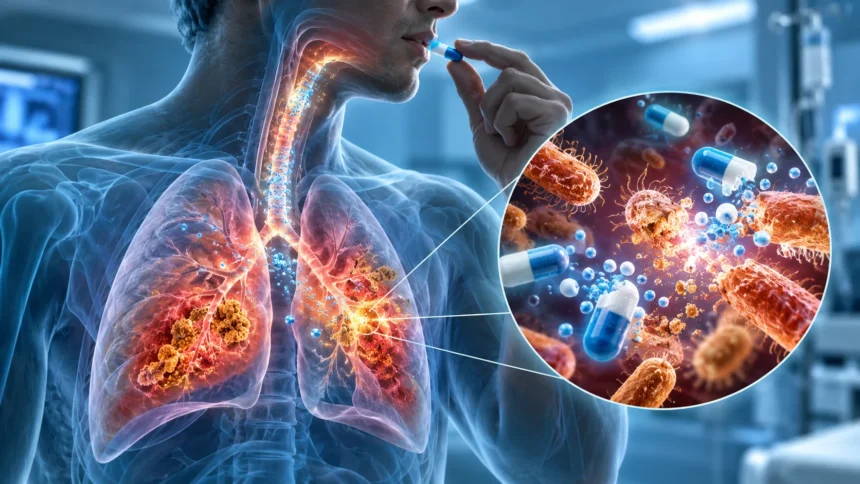
Bacterial infections can affect different parts of the human body, including the lungs, skin, urinary tract, and digestive system. When harmful bacteria multiply and cause illness, the immune system works to control the infection. However, certain bacterial infections require additional treatment to prevent complications and support recovery. Antibiotics are medicines designed to fight bacteria by targeting biological processes essential for their survival or reproduction.
Understanding how antibiotics fight bacterial infections in the body helps explain why these medicines are important in modern healthcare. Different antibiotics work in different ways, including damaging bacterial cell walls, blocking protein production, and interfering with bacterial growth. This article explains how antibiotics work, how the immune system supports recovery, and why responsible antibiotic use is essential.
What Are Antibiotics and How Do They Work?
Antibiotics are medicines used to treat certain infections caused by bacteria. They work by killing susceptible bacteria or preventing them from multiplying, allowing the body to control the infection more effectively. Different antibiotics target specific bacterial structures or biological functions, which explains why healthcare professionals choose different medicines for different types of bacterial infections.
Bacteria are microscopic organisms that exist throughout the environment and inside the human body. Many bacteria are harmless or beneficial, but certain types can cause infections when they enter vulnerable tissues or multiply excessively. Antibiotics target particular features of bacterial cells, helping control harmful organisms while allowing the body’s natural defense mechanisms to continue functioning.
Antibiotics are not all interchangeable because different bacterial species respond differently to particular medicines. Some antibiotics act against a wide variety of bacteria, while others target a more limited group. Healthcare professionals consider the suspected infection, medical history, and available test results before selecting treatment, ensuring that antibiotics are used when they are likely to provide meaningful benefits.
How Antibiotics Target Harmful Bacteria in the Body
One important feature of antibiotics is their ability to target biological structures that differ between bacterial and human cells. Bacteria have unique cellular components, including specialized cell walls and protein-producing structures called ribosomes. Certain antibiotics interfere with these components, allowing them to affect susceptible bacteria more strongly than surrounding human tissues.
This process is known as selective toxicity, meaning a medicine acts more strongly on the microorganism than on the person receiving treatment. However, selective toxicity does not mean antibiotics are completely harmless to human cells. Some medicines can still cause side effects because of their chemical properties, effects on beneficial microorganisms, or interactions with normal body processes.
The effectiveness of an antibiotic also depends on whether the bacteria are susceptible to its mechanism of action. Certain bacteria possess natural defenses that prevent specific medicines from working effectively. Others may develop resistance through genetic changes, making treatment more challenging. Understanding these differences helps explain why the same antibiotic cannot reliably treat every bacterial infection.
How Antibiotics Destroy Bacterial Cell Walls
Some antibiotics fight infections by interfering with the construction of bacterial cell walls. These walls provide structural support and help bacterial cells withstand pressure from their surroundings. Unlike human cells, many bacteria possess a strong outer wall containing a material called peptidoglycan, making cell wall production an important target for antibiotic treatment.
Penicillin and related antibiotics, including certain cephalosporins, interfere with the enzymes bacteria use to build and maintain their cell walls. When susceptible bacteria cannot construct these structures properly, their cells may become unstable and break apart. This mechanism is particularly effective against bacteria that are actively growing and producing new cell wall material.
Not every bacterium responds to cell wall antibiotics in the same way. Differences in bacterial structure and protective mechanisms can prevent certain medicines from reaching or affecting their targets. Some bacteria also produce enzymes that deactivate particular antibiotics. These variations help explain why laboratory testing and clinical judgment are important when selecting treatments for different bacterial infections.
How Antibiotics Stop Bacteria From Producing Proteins
Bacteria need proteins to maintain their internal functions, respond to environmental conditions, and reproduce successfully. Specialized structures called ribosomes assemble these proteins using instructions stored in bacterial genetic material. Some antibiotics interfere with bacterial ribosomes, preventing microorganisms from producing proteins necessary for continued growth and normal cellular activity.
Antibiotic groups such as tetracyclines and macrolides act on different parts of bacterial protein production. By interrupting this process, these medicines can slow or stop the multiplication of susceptible bacteria. Depending on the medicine, bacterial species, and concentration involved, protein synthesis interference may prevent growth or contribute to bacterial cell death.
Human cells also contain ribosomes, but their structure differs from the ribosomes found in bacteria. These differences allow certain antibiotics to act more selectively against bacterial protein production. However, selectivity is not perfect, and some medicines can affect other biological processes. Healthcare professionals therefore consider both potential benefits and possible adverse effects when choosing an appropriate antibiotic.
How Antibiotics Interfere With Bacterial DNA and Growth
Some antibiotics work by disrupting the processes bacteria need to copy and maintain their genetic information. Bacterial DNA contains instructions required for reproduction, metabolism, and cellular function. When particular medicines interfere with DNA-related processes, susceptible bacteria may lose their ability to multiply or maintain essential activities, helping reduce the infection.
For example, fluoroquinolone antibiotics affect bacterial enzymes involved in managing DNA during replication and other cellular processes. Disrupting these enzymes can damage bacterial genetic material and prevent normal reproduction. These medicines have specific clinical uses, but their potential adverse effects and resistance concerns mean they are not automatically suitable for every bacterial infection.
Other antibiotics interfere with metabolic pathways that bacteria need to produce important cellular materials. Certain medicines affect bacterial folate production, which contributes to the formation of DNA building blocks. Because different antibiotic groups target different processes, healthcare professionals can select treatments based on the likely bacteria, infection location, and individual patient considerations.
What Happens After Antibiotics Enter the Body?
After an antibiotic enters the body, it must reach the location where the bacterial infection is present. The medicine is absorbed and distributed according to its formulation, chemical properties, and the way it is administered. Different antibiotics reach different tissues and fluids, making drug distribution an important consideration when treating infections in specific parts of the body.
Once the medicine reaches susceptible bacteria at an effective concentration, it begins interfering with its intended bacterial target. Some antibiotics kill bacteria directly, while others limit bacterial multiplication and support the body’s ability to clear the infection. The response depends on the bacterial species, infection severity, immune function, and whether the selected antibiotic remains effective against the organism.
The body also processes and eliminates antibiotics through biological pathways involving organs such as the kidneys and liver. These processes influence how long a medicine remains active and how treatment is managed. Healthcare professionals consider factors such as kidney function, other medicines, and individual health conditions to select appropriate treatment and reduce avoidable complications.
How the Immune System Works With Antibiotics
The immune system plays an essential role in protecting the body against bacterial infections. When harmful microorganisms enter tissues, immune cells recognize signs of infection and begin responding to the threat. White blood cells, antibodies, and other immune defenses work together to identify microorganisms, control their spread, and remove infected or damaged material.
Antibiotics support this natural defense system by reducing the number of susceptible bacteria or limiting their multiplication. When bacterial growth slows, immune cells may have a better opportunity to control the remaining infection. However, antibiotics do not replace the immune system, and successful recovery often depends on both effective treatment and the body’s response.
Inflammation is another important part of the immune response because it helps recruit protective cells to affected tissues. Symptoms such as swelling, discomfort, and fever can occur as the body responds to infection. These symptoms may gradually improve as bacterial activity decreases, although recovery times vary according to infection severity, affected tissues, and individual health circumstances.
Broad-Spectrum vs. Narrow-Spectrum Antibiotics
Antibiotics are often classified according to the range of bacteria they can affect. Broad-spectrum antibiotics act against a relatively wide variety of bacterial species, while narrow-spectrum antibiotics target a more limited group. This distinction helps healthcare professionals select appropriate treatments based on the suspected infection and information available about the responsible microorganism.
Broad-spectrum antibiotics may be considered when the exact bacterial cause is uncertain or when an infection involves multiple susceptible organisms. However, their wider activity can also affect beneficial bacteria living naturally within the body. Unnecessary broad-spectrum treatment may increase certain side effects and contribute to antibiotic resistance, making careful selection especially important.
Narrow-spectrum antibiotics can provide a more targeted approach when the responsible bacteria and their susceptibility are known. Laboratory cultures and antibiotic susceptibility tests can help identify which medicines are likely to work. Choosing an appropriately targeted treatment may reduce unnecessary disruption of beneficial microorganisms while maintaining effective control of the bacterial infection.
Why Antibiotics Cannot Treat Viral Infections
Antibiotics are designed to target bacterial structures and processes, which explains why they do not work against viruses. Viruses differ from bacteria because they reproduce by entering living cells and using cellular machinery. They lack many bacterial targets, including peptidoglycan cell walls and bacterial ribosomes, that commonly used antibiotics act upon.
Illnesses such as the common cold, influenza, and most uncomplicated sore throats are frequently caused by viruses. Taking antibiotics for these infections does not eliminate the virus or directly shorten a viral illness. Some viral infections may require antiviral medicines or supportive care, depending on the illness and the person’s individual health needs.
Read More About Networking
A person can occasionally develop a bacterial infection during or after a viral illness, but this does not mean antibiotics should be used automatically. Healthcare professionals evaluate symptoms, examination findings, and relevant tests to determine whether bacterial treatment is appropriate. Avoiding unnecessary antibiotic use helps limit side effects and supports the continued effectiveness of these medicines.
What Is Antibiotic Resistance and Why Does It Happen?
Antibiotic resistance occurs when bacteria develop or acquire characteristics that allow them to survive medicines previously effective against them. This process can happen through genetic mutations or the transfer of resistance genes between bacteria. Resistant microorganisms may continue growing despite treatment, making certain infections more difficult to control.
Antibiotic exposure creates selection pressure that can favor resistant bacteria over susceptible organisms. Unnecessary antibiotic use, inappropriate treatment, and widespread antibiotic exposure in different settings can accelerate this process. Resistance can also spread between people, healthcare environments, animals, and communities, making it an important challenge for public health.
Resistant infections may require different medicines, additional testing, or more complex medical care. Preventing resistance involves using antibiotics only when appropriate, following professional treatment instructions, and supporting infection prevention measures. Vaccination, hand hygiene, safe food handling, and responsible healthcare practices also help reduce infections and the need for antibiotic treatment.
Common Side Effects and Safe Antibiotic Use
Although antibiotics provide important medical benefits, they can cause side effects in some people. Common problems include nausea, diarrhea, and stomach discomfort, depending on the medicine and individual response. Antibiotics may also affect beneficial bacteria living in the digestive system, temporarily changing the balance of microorganisms that normally contribute to digestive health.
Some people experience allergic reactions to particular antibiotics, while certain medicines carry additional risks that require careful medical consideration. Severe symptoms such as difficulty breathing, facial swelling, or a serious allergic reaction require immediate emergency medical attention. Persistent or severe diarrhea during or after antibiotic treatment also deserves prompt medical evaluation because it can indicate a significant complication.
Safe antibiotic use means taking prescribed medicines exactly as directed by the treating healthcare professional. Patients should not share antibiotics, use leftover prescriptions, or independently change treatment duration without medical advice. Asking questions about expected benefits, possible side effects, and when to seek additional care helps people understand their treatment and supports responsible infection management.
Conclusion
Antibiotics fight bacterial infections by targeting essential processes that allow bacteria to survive, grow, and reproduce. Different antibiotic groups interfere with bacterial cell walls, protein production, DNA-related activities, or important metabolic functions. These mechanisms help control susceptible microorganisms while supporting the body’s natural immune defenses during the recovery process.
Understanding how antibiotics work also explains why they are not effective against viral infections and why different bacterial illnesses require different treatment approaches. Antibiotic resistance, individual health conditions, and potential side effects all influence treatment decisions. Healthcare professionals consider these factors when determining whether an antibiotic is necessary and which medicine is most appropriate.
Responsible antibiotic use plays an important role in protecting individual health and preserving effective treatment options. Following medical instructions, recognizing possible adverse effects, and avoiding unnecessary antibiotics can reduce preventable risks. When antibiotics are used appropriately alongside proper medical care and infection prevention measures, they remain valuable tools for treating bacterial infections and supporting recovery.
Frequently Asked Questions (FAQs)
1. How do antibiotics kill bacteria inside the body?
Antibiotics kill susceptible bacteria or stop their growth by interfering with essential cellular processes. Depending on the medicine, they may damage bacterial cell walls, block protein production, or disrupt DNA-related activities.
2. How long do antibiotics take to start working?
Antibiotics begin acting against susceptible bacteria after reaching effective concentrations in the body. Symptoms may start improving within a few days, but recovery depends on the infection, treatment, and individual health circumstances.
3. Do antibiotics weaken the immune system?
Antibiotics do not generally weaken the immune system directly. However, they can affect beneficial bacteria within the body. The immune system continues fighting the infection while appropriate antibiotics help control susceptible microorganisms.
4. Why do antibiotics not work against viruses?
Antibiotics target bacterial structures and biological processes that viruses do not possess. Viral infections require different approaches because viruses reproduce inside living cells rather than using the same cellular mechanisms as bacteria.
5. What happens if bacteria become resistant to antibiotics?
Antibiotic-resistant bacteria can survive medicines that previously controlled them, making infections harder to treat. Healthcare professionals may need laboratory testing and alternative treatments to identify an effective approach for managing the infection.
