


Introduction to Adaptive Learning Technologies
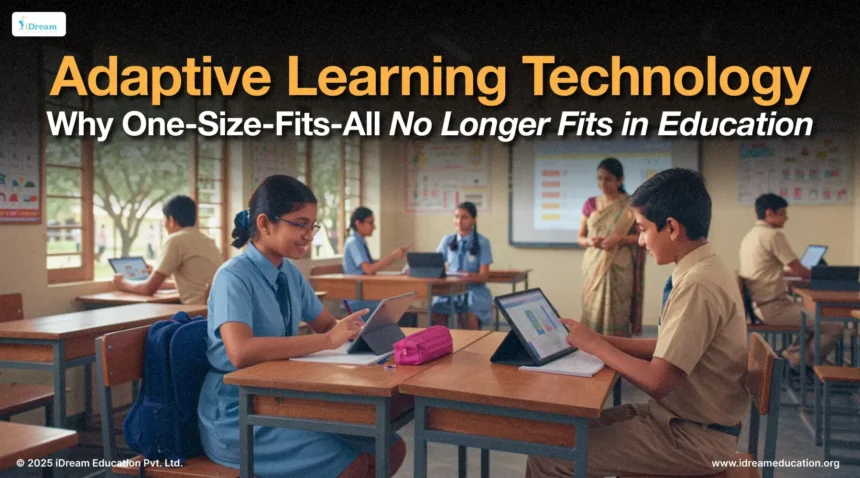
Adaptive learning technologies represent a pivotal advancement in the realm of e-learning, tailored to enhance the educational experience through personalization. These technologies utilize algorithms and data-driven insights to adjust the learning path and content delivered to each student based on their unique needs, preferences, and proficiency levels. As learners engage with the material, adaptive systems continually assess their performance and provide real-time feedback, thereby optimizing the learning process.
The significance of adaptive learning technologies in modern e-learning ecosystems cannot be overstated. Traditional educational methods often adopt a one-size-fits-all approach, which may not cater to the diverse learning styles or paces of individual students. In contrast, adaptive learning platforms are designed to recognize variations in learner behavior, empowering educational content to evolve in alignment with each individual’s journey. This tailored approach not only fosters a deeper understanding of the subject matter but also enhances learner engagement and motivation.
By analyzing data related to learners’ interactions with the content, adaptive technologies can pinpoint areas where students may struggle and offer tailored resources or alternative pathways to mastering complex topics. This level of customization is instrumental in bridging learning gaps, reducing frustration, and promoting confidence among learners. Furthermore, adaptive learning technologies facilitate continuous improvement; as more data is collected, these systems refine their algorithms, resulting in progressively more effective personalized learning experiences.
In essence, adaptive learning technologies are reshaping the educational landscape by making learning more tailored and adaptive. As more institutions adopt these innovative solutions, the future of e-learning will likely see enhanced academic outcomes and a more engaged learner population, aligning with the demands of a diverse and evolving educational environment.
The Role of Artificial Intelligence in Adaptive Learning
Artificial Intelligence (AI) plays a pivotal role in the development and effectiveness of adaptive learning technologies within modern e-learning ecosystems. By utilizing advanced algorithms, AI systems can analyze vast amounts of learner data collected from various interactions and assessments. This data analysis aids in identifying individual learning patterns, preferences, and challenges faced by each learner.
One of the critical methods employed by AI in adaptive learning is predictive analytics. This involves using historical learner data to forecast potential outcomes, allowing for the anticipation of a learner’s future performance. By predicting these outcomes, educators can tailor the learning experience to better meet the needs of each student, thereby improving engagement and retention rates.
Furthermore, AI-enabled adaptive learning technologies can dynamically adjust the content delivery in real-time. For instance, if a learner struggles with a specific topic, the system can provide additional resources, modify the difficulty level of tasks, or suggest alternative learning materials that better suit the learner’s style. This immediate responsiveness ensures that each learner receives personalized support tailored to their current understanding and capabilities.
Additionally, AI contributes to the continuous improvement of adaptive learning experiences. As more data is gathered, the algorithms can be refined, enhancing their ability to personalize content effectively. This iterative process not only benefits current learners but also enriches the overall educational framework, creating a smarter, more intuitive learning environment.
Ultimately, the integration of AI in adaptive learning technologies represents a significant advancement in educational practices. By harnessing the power of data analysis and real-time adjustments, AI is transforming personalized learning into an efficient, responsive, and engaging process, ensuring that each learner can achieve their full potential.
Key Features of Adaptive Learning Systems
Adaptive learning systems are characterized by several key features that collectively enhance the educational experience. One of the most notable features is the development of personalized learning paths. Such paths allow learners to engage with content that suits their individual pace, interests, and capabilities. By providing tailored educational material, these systems ensure that every learner can progress through lessons that align with their unique learning styles, ultimately fostering a more effective learning environment.
Another fundamental feature is real-time feedback, which enables learners to receive instant responses to their actions. This immediate interaction is crucial in the learning process, as it allows learners to identify areas where they excel or need improvement promptly. The constructive feedback mechanism empowers learners to adjust their study habits and strategies, which significantly contributes to their academic performance and motivation.
Progress tracking stands as an essential feature that enhances accountability and self-awareness among learners. By monitoring their own progress, students can see their growth over time and recognize achievements, no matter how small. This tracking not only aids in identifying strengths but also highlights areas needing more focus, making it an invaluable tool for both learners and educators in managing instructional approaches.
Lastly, content customization ensures that educational resources are relevant and engaging for all students. Adaptive learning systems employ algorithms that analyze user data to modify the content delivery, ensuring that the material fits the learners’ needs. By integrating multimedia elements and interactive components tailored to various learning styles, these systems make the learning experience more engaging and accessible. Moreover, content customization acknowledges the diverse needs of a global learning community, making adaptive learning a vital approach in modern e-learning ecosystems.
Benefits of Adaptive Learning Technologies
Adaptive learning technologies offer a myriad of benefits that enhance the educational experience for both learners and educators. One of the primary advantages is improved learner engagement. By tailoring the educational material to the precise needs, preferences, and learning pace of individual students, adaptive systems can foster a sense of ownership over the learning process. This personalized approach encourages participation and motivation, leading to a more interactive learning environment.
Another significant benefit of adaptive learning technologies is the potential for higher retention rates. Research indicates that students are likely to remember information more effectively when they encounter it in formats and contexts that resonate with their personal learning styles. Adaptive systems dynamically adjust content presentation, ensuring that learners receive information in ways that reinforce understanding and memory retention.
Moreover, personalized feedback is a crucial aspect of adaptive learning technologies. These platforms not only assess a learner’s progress in real time but also provide immediate and targeted feedback. This timely information helps students identify their strengths and weaknesses, offering a roadmap for improvement. Educators also benefit as they receive insights into student performance, enabling them to tailor their instructional strategies effectively.
Finally, adaptive learning technologies promote efficiency in learning. By optimizing the path of education and minimizing unnecessary repetition, these systems enable students to progress at their own pace. This efficiency results in the accelerated mastery of concepts, allowing both students and educators to make the most of their time. As a result, adaptive learning technologies not only enhance educational outcomes but also transform the traditional classroom dynamic, making learning more relevant and impactful for everyone involved.
Challenges in Implementing Adaptive Learning
As the adoption of adaptive learning technologies grows within modern e-learning ecosystems, several challenges emerge that educators and institutions must navigate. One major concern centers around data privacy. With the integration of adaptive learning systems, vast amounts of student data are collected, analyzed, and processed. This raises issues regarding the security of personal information, compliance with regulations like GDPR, and the ethical use of data. Institutions must ensure that robust data protection measures are in place to safeguard student information and maintain trust.
Additionally, a sturdy technological infrastructure is essential for the successful deployment of adaptive learning solutions. Many institutions lack the necessary hardware and software capabilities to effectively utilize these technologies. In order to provide a seamless learning experience, schools may need to invest significantly in upgrading their systems and maintaining them over time. Cost considerations can be a limiting factor, particularly in budget-constrained educational environments.
Resistance to change among educators also poses a substantial challenge. Traditional teaching methods are deeply entrenched in the educational landscape, and educators may be hesitant to transition to adaptive learning models. This reluctance can stem from a lack of understanding of the benefits or fear of inadequate skill in utilizing new technologies. Therefore, comprehensive training programs are essential. Ensuring that staff are well-informed and equipped with the tools to implement adaptive learning strategies can significantly ease the transition.
Furthermore, ongoing support is crucial to sustain and encourage the effective use of adaptive learning within classrooms. Institutions must prioritize not only the initial implementation but also continuous professional development to adapt to evolving technologies.
Case Studies of Successful Adaptive Learning Implementations
Adaptive learning technologies are revolutionizing the e-learning landscape by personalizing educational experiences to cater to individual student needs. Several institutions have effectively integrated these technologies, demonstrating positive outcomes and valuable lessons learned in the process. This section explores noteworthy case studies that illustrate this impactful shift in educational strategy.
One prominent example is Arizona State University (ASU), which has implemented adaptive learning in various undergraduate courses. Through the use of sophisticated algorithms and data analytics, ASU was able to identify knowledge gaps and tailor learning materials accordingly. This led to a significant increase in student engagement and success rates. ASU’s approach involved collaborating with technology providers and continually refining the adaptive system based on real-time feedback, which ultimately enhanced the learning experience for diverse student demographics.
Another illustrative case is that of the University of Central Florida (UCF), which integrated adaptive learning in their developmental math courses. By employing the ALEKS adaptive learning platform, UCF enabled students to progress through customized learning paths at their own pace. The results were promising, as students not only demonstrated improved mastery of mathematical concepts but also reported higher retention rates in subsequent courses. UCF’s implementation strategies emphasized faculty involvement in selecting adaptive tools and ensuring alignment with learning objectives, which contributed to its success.
Lastly, a corporate training example can be observed in Deloitte, which adopted adaptive learning technologies to enhance employee training programs. By utilizing adaptive assessments that tailored content to each employee’s skill level, Deloitte achieved improved knowledge retention and application in real-world scenarios. The company’s emphasis on continuous improvement and feedback integration was crucial in refining the adaptive learning process and maximizing its effectiveness.
These case studies exemplify how adaptive learning technologies can transform educational models, benefiting both students and educators. The key takeaway is the importance of thoughtful implementation, constant evaluation, and active involvement from stakeholders to foster an environment conducive to successful outcomes.
Future Trends in Adaptive Learning
The landscape of adaptive learning technologies is ever-evolving, driven by advancements in both technology and pedagogical methodologies. As we look ahead, several key trends are poised to shape the future of adaptive learning within the modern e-learning ecosystem.
One notable trend is the integration of gamification techniques to enhance engagement and motivation among learners. By incorporating game-like elements, such as points, badges, and leaderboards, adaptive learning platforms can create a more immersive experience that fosters a sense of achievement and progression. This approach not only motivates students but also allows for personalized learning paths that adapt to individual performance, further enriching the educational experience.
Additionally, the advent of virtual reality (VR) and augmented reality (AR) technologies represents a significant shift in adaptive learning. These immersive tools enable learners to engage with content in dynamic ways, providing real-world scenarios and simulations that enhance understanding and retention. As VR and AR become more accessible, their integration into adaptive learning platforms can facilitate experiential learning opportunities that are tailored to individual needs, catering to different learning styles and preferences.
Furthermore, advancements in artificial intelligence (AI) stand to revolutionize adaptive learning by enabling systems to predict learner behavior and tailor content accordingly. Through sophisticated algorithms, these systems can analyze data from countless interactions, allowing for a highly customized learning experience that evolves in real-time. As AI continues to improve, its application in adaptive learning is expected to lead to even more personalized and responsive educational environments.
These innovations collectively indicate a future where adaptive learning technologies become increasingly sophisticated and learner-centric. The continued integration of gamification, virtual reality, and artificial intelligence into adaptive learning will not only enhance the accessibility of education but also reshape the broader e-learning ecosystem, creating more effective and inclusive learning experiences.
Integration of Adaptive Learning with Other Educational Technologies
Adaptive learning technologies have emerged as a pivotal development in modern e-learning ecosystems, offering personalized educational experiences tailored to individual learner needs. Their integration with various educational tools and platforms can significantly enhance the learning experience by creating a more cohesive and supportive environment for students. One prominent area of integration is with Learning Management Systems (LMS). When adaptive learning features are embedded within an LMS, educators can deliver customized content that aligns with the specific progress and capabilities of each learner. This integration allows for real-time feedback and data analysis, empowering instructors to make informed decisions about instructional strategies and interventions.
Moreover, combining adaptive learning technologies with assessment tools can further enrich the learning experience. By incorporating formative and summative assessments that adjust based on learner responses, educators can gain deeper insights into student understanding and performance. Such assessments can guide the adaptive learning algorithms to provide more targeted resources and instructional material, ultimately leading to better educational outcomes.
Collaborative learning environments also benefit significantly from integrating adaptive learning technologies. In these settings, students often engage in group activities where they can work collaboratively. Adaptive technologies can analyze the strengths and weaknesses of each participant, allowing for a more balanced distribution of tasks that fosters collaboration. This integration can develop students’ critical thinking and problem-solving skills, as they engage more deeply with the material and each other.
In conclusion, integrating adaptive learning technologies with other educational tools creates synergistic benefits that enhance personalization, optimize assessments, and foster collaboration. This holistic approach not only improves learning outcomes but also prepares students to thrive in increasingly diverse and complex educational landscapes.
Conclusion and Call to Action
As explored throughout this blog post, adaptive learning technologies play a pivotal role in shaping modern e-learning ecosystems. By personalizing educational experiences to meet the diverse needs of learners, these technologies not only enhance engagement but also improve overall teaching effectiveness. The evolution of adaptive learning platforms signifies a profound shift in educational paradigms, where traditional one-size-fits-all approaches are increasingly being replaced by personalized learning pathways. This transformation is crucial for equipping learners with the skills and knowledge necessary to thrive in a rapidly changing world.
Moreover, the capacity of adaptive learning technologies to harness data analytics allows educators to gain deeper insights into student performance and learning behaviors. This leads to more informed instructional decisions and timely interventions. Institutions and educators who embrace these innovations stand to benefit significantly, fostering a more inclusive and effective learning environment. It is essential, therefore, for all stakeholders in the education sector to recognize the value that adaptive learning solutions present.
Now is the time for educators, institutions, and policymakers to explore and invest in adaptive learning technologies. By doing so, they can enhance educational outcomes for learners of all backgrounds and learning styles. It is critical to create awareness about the advantages of these technologies and encourage schools and organizations to adopt them in their teaching practices. Collaborative efforts within the educational community can lead to the development and implementation of effective adaptive learning solutions, paving the way for future generations to succeed in an increasingly complex world.