


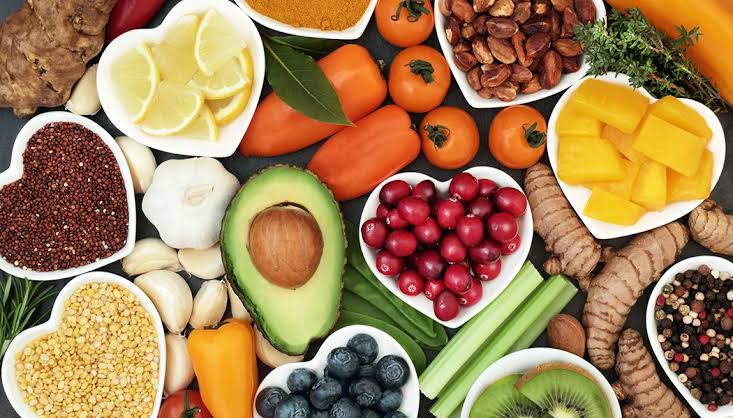
Introduction to Superfoods
Superfoods are often touted as nutritional powerhouses that can significantly enhance one’s health and well-being. The term “superfood” refers to foods that are particularly rich in essential nutrients, vitamins, and antioxidants, which contribute to a myriad of health benefits. These foods are recognized for their ability to combat inflammation, reduce the risk of chronic diseases, and boost overall immune function. While there is no official regulatory definition for superfoods, they are generally categorized based on their nutrient density and health-promoting properties.
To qualify as a superfood, a food must demonstrate a high concentration of beneficial compounds such as vitamins, minerals, fiber, and phytochemicals. Common examples include berries, nuts, seeds, leafy greens, fish, and various whole grains, all of which are celebrated for their contributions to a balanced diet. The defining characteristic of superfoods is their ability to provide an array of health benefits with relatively low caloric content, making them an ideal addition to any diet.
Incorporating superfoods into daily meals can enhance general well-being, providing the body with essential nutrients that may be lacking in a standard diet. These foods are not only nutritious but also versatile, lending themselves to a variety of culinary applications—from smoothies and salads to main dishes and snacks. By consciously including superfoods in one’s dietary regimen, individuals can better support their health objectives, boost energy levels, and improve nutritional intake.
Ultimately, understanding the significance of superfoods can empower individuals to make informed dietary choices that benefit their long-term health. With the right knowledge, one can harness the multitude of advantages that superfoods offer, creating a more balanced and health-conscious lifestyle.
Top 10 Superfoods for Optimal Health
Superfoods are nutrient-dense foods that provide health benefits beyond basic nutrition. Incorporating a variety of superfoods into your daily diet can enhance wellness and prevent chronic diseases. Below are ten of the best superfoods to consider for optimal health.
1. Blueberries: These berries are packed with antioxidants, particularly anthocyanins, which are known for their anti-inflammatory properties. They also provide vitamins C and K as well as dietary fiber, making them a great choice for immune support and digestive health.
2. Kale: Often referred to as a nutrient powerhouse, kale is rich in vitamins A, C, and K, as well as minerals like calcium and magnesium. Its high fiber content supports healthy digestion, and the antioxidants in kale can help reduce the risk of chronic diseases.
3. Quinoa: This complete protein contains all nine essential amino acids, making it an excellent choice for vegetarians and vegans. Quinoa is also high in magnesium, phosphorus, and fiber, supporting muscle function and healthy digestion.
4. Chia Seeds: Known for their high omega-3 fatty acid content, chia seeds are also loaded with fiber, protein, and various micronutrients. They promote heart health and aid in weight management due to their ability to absorb liquid and expand in the stomach.
5. Spinach: This leafy green is rich in iron, vitamins A and C, and antioxidants. Spinach is vital for maintaining healthy skin, muscle function, and overall cellular health.
6. Salmon: Rich in omega-3 fatty acids, salmon supports heart health and cognitive function. It is also a great source of protein, vitamin B12, and selenium, beneficial for maintaining energy levels.
7. Avocado: Packed with monounsaturated fats, avocados help reduce bad cholesterol levels. They are high in potassium, magnesium, and vitamins E and K, contributing to heart and skin health.
8. Greek Yogurt: This probiotic-rich food improves gut health and boosts immunity. Greek yogurt is also a great source of protein, calcium, and probiotics, which play a key role in digestive health.
9. Green Tea: Rich in antioxidants, particularly catechins, green tea has been linked to improved brain function, weight loss, and reduced risk of heart disease. Its anti-inflammatory properties offer numerous health benefits.
10. Sweet Potatoes: Packed with beta-carotene, which converts to vitamin A in the body, sweet potatoes support vision and immune function. Additionally, they provide fiber, vitamin C, and potassium, promoting overall health.
Incorporating these superfoods into your daily meals can significantly enhance nutritional intake and support overall well-being. By utilizing a diverse array of superfoods, individuals can obtain essential vitamins and minerals necessary for maintaining optimal health.
How to Incorporate Superfoods into Your Meals
Incorporating superfoods into your daily diet can seem daunting, but with a few simple strategies, it becomes an enriching experience that enhances your overall health. Superfoods are nutrient-dense foods that can provide substantial health benefits, and adding them to your meals doesn’t have to be complicated.
Firstly, focusing on breakfast is a great way to start your day on a healthy note. Consider adding chia seeds or flaxseeds to your smoothies or oatmeal. They are excellent sources of omega-3 fatty acids and fiber. A smoothie bowl topped with berries and a sprinkling of almonds can offer both taste and nutrition. Additionally, green smoothies made with kale or spinach provide essential vitamins and minerals; blend them with fruits like bananas or mangoes to mask any bitterness.
For lunch, think about incorporating legumes such as quinoa or lentils into salads. A colorful salad composed of leafy greens, cherry tomatoes, and a base of quinoa can serve as a complete meal, providing proteins and antioxidants. You might also try a wrap using whole-grain tortillas filled with hummus, spinach, and a variety of fresh vegetables.
Dinner is another excellent opportunity to add superfoods. Consider using sweet potatoes, which are high in vitamins A and C, as a base for a chicken or fish dish. Roasted vegetables like broccoli or Brussels sprouts can serve as nutritious side dishes that enhance flavor and add crunch to your meal.
For snacks, keep things simple. Nuts mixed with dried fruits offer energy boosts throughout the day. You can also experiment with overnight oats as a snack or breakfast option; simply layer oats with yogurt, seeds, and your favorite fruits for a quick, satisfying choice.
By integrating these superfoods into various meals throughout the day, you can enjoy a nutritious and balanced diet while also exploring new flavors and recipes.
The Science Behind Superfoods
Superfoods have gained immense popularity in recent years, with numerous health claims attributed to their consumption. But what does science say about the specific health benefits of these nutrient-dense foods? Research has shown that superfoods, which often include fruits, vegetables, nuts, seeds, and whole grains, can play a significant role in disease prevention, increased energy levels, and overall health improvement.
Studies have consistently highlighted the presence of bioactive compounds, such as antioxidants, vitamins, and minerals that are prevalent in superfoods. For instance, berries are rich in anthocyanins, which have been linked to reduced risks of heart disease and improved cognitive function. Similarly, leafy greens like spinach and kale contain high levels of vitamins A, C, and K, all of which contribute to a healthy immune system and may help protect against chronic conditions.
In terms of energy levels, certain superfoods such as quinoa and chia seeds offer a balance of essential amino acids and omega-3 fatty acids. Research indicates that consuming these foods can help maintain sustained energy throughout the day, thereby enhancing overall performance during physical activities. The complex carbohydrates found in these superfoods provide a gradual release of energy compared to more refined sources, preventing energy crashes that are often associated with simple sugars.
Moreover, evidence suggests that a diet rich in superfoods can improve gut health due to their high fiber content, promoting beneficial gut bacteria and improving digestion. This, in turn, may lead to better nutrient absorption and higher energy levels. The incorporation of superfoods into daily meals not only supports physical health but also contributes to mental well-being, with many studies pointing out the association between nutrient intake and mood enhancement.
In summary, the scientific underpinnings of superfoods clearly indicate their potential to improve health outcomes, support disease prevention, and elevate energy levels. By integrating these foods into one’s daily diet, individuals can harness the full benefits that superfoods offer, leading to a healthier lifestyle overall.
Superfoods vs. Regular Foods: What’s the Difference?
The term “superfood” has gained popularity in recent years, often being used to describe foods that provide significant health benefits due to their high nutrient density. Unlike regular foods, which may offer some vitamins and minerals, superfoods are typically rich in antioxidants, vitamins, and minerals while remaining low in calories. This unique combination empowers superfoods to contribute positively to an individual’s overall health and wellness.
Nutrient density refers to the amount of essential nutrients found in a food relative to its calorie content. Superfoods are characterized by their high nutrient density, meaning they provide a greater amount of nutrients without an excessive caloric load. For instance, blueberries are often cited as a superfood due to their abundant antioxidants, which are vital for combating oxidative stress in the body. In contrast, a common snack like a cookie, while perhaps enjoyable, typically contains high levels of sugar and fat, and offers minimal nutritional benefits.
Comparing nutritional values further underscores this distinction. For example, one serving of kale—a well-known superfood—provides substantial amounts of vitamins A, C, and K, as well as fiber and minerals, contributing to various health benefits such as improved immune function and digestion. Conversely, a serving of white bread, classified as a regular food, predominantly consists of refined carbohydrates and lacks significant vitamins and nutrients, making it a less optimal choice for those seeking to improve their diet.
Ultimately, the inclusion of superfoods in daily meals can significantly enhance nutritional intake, supporting better health outcomes. While regular foods can still play a role in a balanced diet, incorporating a variety of superfoods is encouraged for those looking to optimize their health and wellbeing.
Potential Risks and Considerations
While incorporating superfoods into one’s daily diet can offer numerous health benefits, it is essential to remain aware of potential risks and considerations that may arise. Recognizing individual differences in dietary needs is crucial as not all superfoods may be suitable for everyone. For instance, some individuals may experience allergies to specific superfoods such as nuts, seeds, or certain berries. It is vital for those with known allergies to thoroughly research and consult with health professionals before including new superfoods in their diet.
Furthermore, dietary restrictions based on medical conditions or ethical beliefs can guide which superfoods are appropriate for a person. For example, individuals following a vegan or vegetarian diet may choose plant-based superfoods like quinoa and chia seeds while avoiding animal-derived products. A thorough understanding of dietary restrictions can help ensure that the chosen superfoods contribute positively to one’s overall health.
Another essential factor to consider is the principle of moderation. Superfoods, while nutrient-dense and beneficial, should not replace a balanced diet. Excessive consumption of any food, even those classified as superfoods, can lead to negative health effects. It is advisable to incorporate a variety of these foods rather than overindulging in a particular type. Achieving balance in nutritional intake is key. Generally, incorporating a range of superfoods into a well-rounded diet can provide the desired health benefits without the potential drawbacks of over-consumption.
In conclusion, while superfoods can enhance the quality of one’s diet, being mindful of potential allergies, dietary restrictions, and the importance of moderation is vital for maximizing their benefits while minimizing risks.
Superfood Myths and Facts
In recent years, the term “superfood” has gained significant popularity, often leading to misconceptions about what these foods truly represent. One common myth is that superfoods can serve as a cure-all for health problems. While it is true that many superfoods are nutrient-dense and can contribute positively to health, they cannot replace a balanced and varied diet. Overreliance on these foods may create gaps in essential nutrients that are found in other food sources.
Another prevalent myth is the notion that consuming superfoods alone can yield instant weight loss or other miraculous health benefits. While ingredients such as quinoa, blueberries, and kale do boast impressive nutritional profiles, they must be part of an overall healthy lifestyle to be effective. Regular exercise, hydration, and good sleep hygiene are indispensable to achieving one’s health goals.
Furthermore, some might believe that superfoods come with exorbitant price tags, leading to another misconception: that healthy eating is inherently expensive. While some superfoods can be pricier, many affordable options exist. Foods such as beans, oats, and seasonal fruits can similarly provide a wealth of nutrients without breaking the bank. Importantly, superfoods should complement, not overshadow, the other vital elements of a balanced diet, which includes whole grains, lean proteins, and a variety of fruits and vegetables.
Understanding superfoods is essential for making informed dietary choices. These foods can indeed offer various health benefits due to their high concentrations of vitamins, minerals, antioxidants, and other essential nutrients, but they should not induce the notion that they hold the exclusive key to health and wellness. By recognizing and correcting these myths, individuals can better appreciate the role superfoods play within the broader context of a nutritiously comprehensive diet.
Sourcing Superfoods: Where to Buy
When it comes to incorporating superfoods into your daily diet, the quality and sourcing of these products play a crucial role in maximizing their health benefits. Understanding where to buy superfoods can significantly impact their nutritional value and your overall well-being. Health food stores serve as primary destinations for those seeking nutrient-dense options. These specialized retailers often curate a wide range of superfood products, from organic nuts and seeds to exotic fruits and vegetables. As the demand for superfoods continues to grow, many health food stores have expanded their offerings, ensuring that consumers have access to fresh, high-quality products.
Another excellent source of fresh superfoods is farmers’ markets. These markets feature local growers and producers, providing an opportunity to purchase organic and seasonal items directly from the source. When shopping at farmers’ markets, consumers can often ask growers about their farming practices, ensuring that the superfoods are produced sustainably and without harmful chemicals. Supporting local agriculture not only promotes environmental sustainability but also boosts the local economy, making this an appealing option for those who prioritize community engagement.
In addition to physical stores and markets, online platforms have emerged as valuable resources for procuring superfoods. Various e-commerce websites specialize in organic and health-focused products, often delivering them straight to your doorstep. When choosing online sources, it is essential to consider the reputation of retailers, reading customer reviews and checking for certifications that indicate organic and ethical sourcing practices. Opting for products that are certified organic and sustainably sourced can help ensure that you are consuming the highest quality superfoods, thereby enhancing the nutritional benefits they offer.
Conclusion: Embracing Superfoods for a Healthier Lifestyle
Adopting a diet rich in superfoods is not merely a trend but a potential pathway to enhanced health and well-being. Superfoods are nutrient-dense foods packed with vitamins, minerals, and antioxidants that can significantly elevate your daily nutrition. The incorporation of these foods into your meals can provide multiple health benefits, contributing to better heart health, improved digestion, and increased energy levels.
As we explored throughout this post, integrating superfoods into your diet can be accomplished through simple changes. Whether it’s adding berries to your breakfast, incorporating leafy greens into your lunch, or sprinkling nuts and seeds into your snacks, each small modification can accumulate and lead to substantial health improvements over time. The beauty of superfoods lies in their versatility and accessibility, making it easier than ever to introduce these nutrient powerhouses into your everyday meals.
Moreover, embracing a diet that emphasizes these superfoods not only benefits your physical health but can also nurture a positive relationship with food. By focusing on consuming whole, unprocessed foods, you pave the way for a more mindful approach to eating, which can help reduce cravings and support a balanced lifestyle.
In conclusion, prioritizing superfoods in your daily diet can lay the groundwork for lasting health benefits. By making conscious decisions to include a variety of these nutrient-rich foods, you empower yourself to lead a healthier, more vibrant life. Start small, be consistent, and watch as these changes catalyze a transformation in your overall health and wellness.