


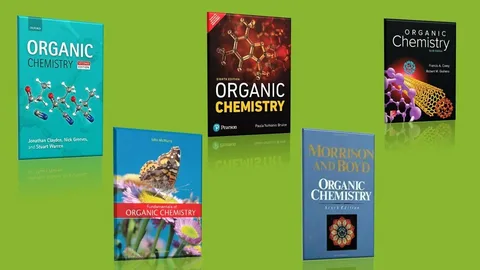
Success in O-Level Chemistry depends on more than remembering formulas, definitions, and chemical equations. Students must understand scientific concepts, apply theoretical knowledge to unfamiliar situations, and analyse problems with confidence. A well-designed O-Level Chemistry Book helps learners move beyond memorisation by presenting concepts logically, reinforcing learning through structured practice, and encouraging critical thinking. Instead of simply preparing students for examinations, quality learning resources build lasting scientific understanding that supports academic achievement and future studies.
The best Chemistry books encourage students to ask questions, connect ideas across different topics, and solve problems systematically. This approach creates stronger learning outcomes while helping students develop confidence in one of the most challenging secondary school subjects.
| Key Takeaways
● Builds conceptual understanding beyond memorisation. ● Strengthens analytical and problem-solving skills. ● Reinforces learning through structured revision. ● Improves confidence with examination-style practice. ● Prepares students for long-term academic success. |
Why Conceptual Understanding Matters in Chemistry
Chemistry is often described as a subject that requires memorisation, but genuine success comes from understanding the relationships between scientific concepts. Students who know why reactions occur, how formulas are derived, and what scientific principles govern chemical changes are better equipped to solve unfamiliar examination questions.
Developing conceptual understanding also helps learners retain knowledge more effectively. Instead of memorising isolated facts, students connect ideas across different chapters, making revision more meaningful and efficient.
Key benefits of conceptual learning include:
- Stronger knowledge retention
- Better application of scientific principles
- Increased analytical thinking
- Improved examination confidence
- Greater interest in Chemistry
These skills provide a solid foundation for higher-level science education and future academic opportunities.
Learning the “Why” Behind Every Concept
Understanding the scientific reasoning behind reactions helps students solve unfamiliar questions more effectively than memorising answers alone.
Connecting Different Chemistry Topics
Students develop stronger knowledge when they recognise how concepts such as atomic structure, bonding, and chemical reactions relate to one another.
How Quality Chemistry Books Support Effective Learning
A carefully developed Chemistry book does much more than provide questions and answers. It introduces concepts progressively, allowing students to strengthen their understanding before tackling increasingly challenging problems.
High-quality learning resources explain complex scientific ideas using clear language, worked examples, diagrams, and practical applications. This structured approach reduces confusion while helping learners build confidence as they progress through the syllabus.
| Learning Feature | Student Benefit |
| Concept explanations | Better scientific understanding |
| Worked examples | Easier application of knowledge |
| Progressive exercises | Continuous skill development |
| Examination-style questions | Improved exam confidence |
| Detailed solutions | Faster mistake correction |
This combination of explanation, application, and revision creates a complete learning experience.
Learning Through Worked Examples
Step-by-step examples demonstrate how scientific principles are applied when solving calculations, equations, and structured questions.
Building Confidence Gradually
Progressive exercises allow students to master fundamental concepts before attempting advanced Chemistry problems.
Strengthening Problem-Solving and Analytical Skills
O-Level Chemistry examinations require students to analyse information, interpret experimental results, and apply scientific knowledge in unfamiliar situations. Memorising textbook definitions alone is rarely enough to answer these questions successfully.
Regular practice using structured Chemistry resources encourages students to develop logical thinking and systematic problem-solving strategies. Learners become familiar with interpreting graphs, balancing equations, calculating chemical quantities, and explaining scientific observations accurately.
Consistent practice develops:
- Critical thinking
- Scientific reasoning
- Logical analysis
- Calculation accuracy
- Examination confidence
These transferable skills benefit students not only in Chemistry but also in Physics, Biology, Mathematics, and future STEM studies.
Making Revision More Productive
Effective revision is about quality rather than quantity. Students often spend many hours reading notes repeatedly without actively testing their understanding. A structured Chemistry book transforms revision into an engaging learning process by encouraging active participation through questions, worked examples, and topic-based exercises.
Breaking revision into manageable sections also prevents students from becoming overwhelmed. Instead of revising the entire syllabus at once, learners can focus on one concept before moving to the next.
Revising with Clear Objectives
Setting achievable goals for each study session keeps revision organised and helps students maintain motivation throughout the academic year.
Monitoring Learning Progress
Reviewing completed exercises enables students to recognise improvement, strengthen weaker concepts, and prepare more confidently for future assessments.
Choosing the Right Chemistry Learning Resources
Selecting the right study materials is an important step towards achieving success in O-Level Chemistry. While many revision books are available, students benefit most from resources that combine clear explanations, structured exercises, and examination-focused practice. A well-organised book helps learners build confidence gradually instead of overwhelming them with advanced topics too early.
Parents and teachers should also look for books that follow the latest syllabus and include detailed answer explanations. Understanding why an answer is correct allows students to strengthen their scientific reasoning instead of relying on memorisation.
Features of a Good Chemistry Book
A quality learning resource should include:
- Curriculum-aligned content
- Step-by-step concept explanations
- Progressive practice exercises
- Examination-style questions
- Detailed answer explanations
- Topic-based revision sections
These features encourage deeper understanding while making revision more productive and enjoyable.
Explore More Learning Resources
Students preparing for national examinations can strengthen their overall performance by exploring Secondary Books, which offer comprehensive learning support across Mathematics, Science, English, and other core subjects.
Smart Study Strategies for O-Level Chemistry
Success in Chemistry is built on consistent revision and active learning rather than passive reading. Students should develop a study routine that combines concept review, question practice, and self-assessment to strengthen both understanding and examination skills.
Breaking the syllabus into smaller topics makes revision more manageable. Instead of trying to study multiple chapters in one sitting, learners should focus on mastering one concept before progressing to the next. This approach improves concentration and helps students retain information more effectively.
Helpful study strategies include:
- Create a weekly Chemistry revision timetable.
- Review one topic thoroughly before moving to another.
- Practise structured and multiple-choice questions regularly.
- Revise incorrect answers after every practice session.
- Attempt timed exercises to improve examination readiness.
These habits encourage disciplined learning while helping students build confidence throughout the academic year.
Common Mistakes Students Should Avoid
Many students lose marks in Chemistry because they depend too heavily on memorisation without understanding the scientific principles behind each concept. This often leads to difficulty when examination questions are presented in unfamiliar formats.
Another common mistake is skipping weaker topics because they seem difficult. Concepts such as mole calculations, electrolysis, acids and bases, or organic chemistry become easier with consistent practice and proper guidance.
Common mistakes include:
- Memorising without understanding
- Ignoring difficult chapters
- Skipping calculation practice
- Not reviewing incorrect answers
- Leaving revision until the last minute
Recognising these habits early allows students to improve their preparation and perform more confidently in examinations.
Why Trusted Educational Resources Matter
High-quality educational materials play a significant role in helping students achieve better academic outcomes. Books developed by experienced educational publishers present accurate content, structured lessons, and carefully designed exercises that align with curriculum requirements.
Reliable Chemistry books encourage students to think scientifically rather than simply recall information. They also provide opportunities for independent learning through detailed explanations and progressive practice activities.
Final Takeaway
Excelling in O-Level Chemistry requires more than memorising facts—it demands curiosity, conceptual understanding, and regular practice. With the right study materials and a consistent revision routine, students can strengthen their scientific knowledge, improve problem-solving skills, and approach examinations with greater confidence.
Whether you’re preparing for school assessments or national examinations, visit Singapore Asia Publishers to explore trusted educational books that inspire confident learning and lasting academic success.
Frequently Asked Questions
- Why is conceptual understanding important in O-Level Chemistry?
Understanding scientific concepts helps students apply their knowledge to unfamiliar questions instead of relying on memorised answers. This approach improves analytical thinking, problem-solving ability, and overall examination performance.
- How often should students revise Chemistry?
Students should revise Chemistry consistently throughout the academic year using short, focused study sessions.Regular practice strengthens knowledge retention and reduces examination stress.
- What should students look for in a good O-Level Chemistry book?
A good Chemistry book should provide clear explanations, progressive exercises, examination-style questions, and detailed answer guides. Resources that follow the latest syllabus also help students prepare more effectively for school and national examinations.
- How can students improve their Chemistry problem-solving skills?
Students should practise a wide variety of questions, review mistakes carefully, and understand the scientific principles behind each solution. Regular application of concepts develops stronger reasoning and improves confidence during examinations.
- How can an O-Level Chemistry book help students prepare for examinations?
A well-structured O-Level Chemistry book provides topic-based revision, examination-style questions, and detailed explanations that reinforce classroom learning. It helps students build confidence by practising different question formats while improving their understanding of key Chemistry concepts through consistent revision.