


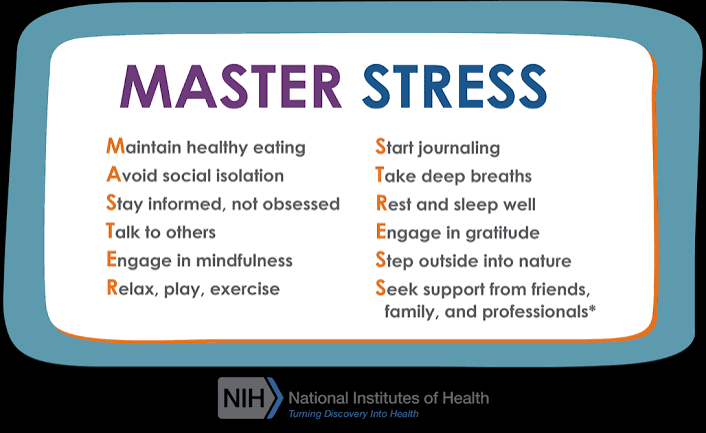
Understanding Stress: What It Is and How It Affects Us
Stress is a natural response of the body to perceived threats or challenges, often referred to as a “fight-or-flight” response. This physiological reaction involves the secretion of hormones, such as adrenaline and cortisol, which prepare the body to either confront or flee from a danger. While acute stress can be beneficial in short bursts, serving as a motivator or alerting us to immediate dangers, chronic stress poses significant risks to both physical and mental health.
Acute stress occurs in response to specific events, such as public speaking, an upcoming exam, or a work deadline, typically subsiding once the event passes. In contrast, chronic stress results from ongoing pressures, such as financial troubles, demanding job environments, or difficult relationships. Continuous exposure to stress can lead to a myriad of health issues, including anxiety, depression, cardiovascular disease, and digestive problems.
The impact of stress extends beyond psychological effects, influencing physical health. Persistent stress can weaken the immune system, making individuals more susceptible to illnesses. It may also lead to sleep disturbances, resulting in fatigue and decreased productivity. Additionally, stress can manifest physically through symptoms such as headaches, muscle tension, and gastrointestinal issues. Understanding these effects is crucial, as unmanaged stress can precipitate long-term health complications. The intricate relationship between stress and health highlights the necessity for effective stress management techniques, which are essential for maintaining overall well-being. Identifying sources of chronic stress and addressing them through various strategies can alleviate its burdens, ultimately fostering a healthier and more balanced life.
The Importance of Stress Management
Stress management plays a pivotal role in maintaining overall well-being and can significantly enhance one’s quality of life. Effective stress management techniques can lead to improved mental clarity, enabling individuals to think more clearly, make better decisions, and solve problems more efficiently. When one manages stress properly, the mind is less clouded by anxiety and worry, promoting focused thoughts and clearer understanding.
Moreover, effective stress management fosters better emotional regulation. This capacity allows individuals to respond to challenges thoughtfully rather than react impulsively, which can strengthen personal relationships. When stress is managed well, one is less prone to irritability and more capable of dealing with interpersonal conflicts in a constructive manner. Enhanced relationships often result from this proactive approach, creating a supportive network that further alleviates stress.
In addition to mental and emotional benefits, the importance of stress management is closely connected to physical health. Chronic stress is linked to various health issues, including heart disease, digestive problems, and weakened immune function. Conversely, managing stress effectively can lead to improved physical health outcomes, increased energy levels, and a greater ability to engage in regular physical activity. This holistic approach to stress management not only addresses immediate challenges but also encourages long-term health by mitigating stress-related ailments.
In summary, the necessity of managing stress cannot be overstated. Incorporating stress management strategies has profound effects, yielding benefits that encompass mental clarity, emotional stability, enhanced relationships, and physical health. The interconnections of these areas underscore the importance of viewing stress management as a crucial component of a balanced and healthy lifestyle.
Mindfulness and Meditation Techniques
Mindfulness and meditation have emerged as effective tools for managing stress in today’s fast-paced world. These practices encourage individuals to focus their attention and cultivate a state of awareness that can significantly enhance overall well-being. Various mindfulness and meditation techniques can be seamlessly integrated into daily routines, making them accessible to anyone seeking stress relief.
One basic yet powerful technique is focused breathing. This practice involves concentrating on one’s breath, allowing thoughts to settle while taking slow, deep breaths. By focusing on the inhalation and exhalation, practitioners can create a sense of calm and presence, which is essential for reducing anxiety and stress levels. Similar to focused breathing, the body scan technique encourages individuals to tune into their physical sensations. This method involves mentally scanning one’s body from head to toe, observing areas of tension or discomfort while promoting muscle relaxation.
Guided imagery is another effective mindfulness technique that can help reduce stress. This involves visualizing peaceful scenes or positive outcomes, transporting the individual’s mind away from stressful thoughts and into a serene mental space. By engaging the senses in these visualization exercises, practitioners can experience relaxation and a decrease in stress responses.
The scientific evidence supporting the effectiveness of mindfulness and meditation in stress management is robust. Numerous studies have indicated that regular engagement in these practices leads to changes in brain structure and function, promoting enhanced emotional regulation and resilience against stress. By incorporating mindfulness and meditation techniques into daily life, individuals can equip themselves with powerful tools to combat stress and enhance overall well-being.
Physical Activity: The Stress Reliever
Physical activity plays a crucial role in effective stress management, serving as a powerful tool to combat daily stressors. Engaging in exercise triggers the release of endorphins, which are the body’s natural mood lifters. These endorphins can create a sense of well-being and relaxation, helping individuals feel less anxious and overwhelmed. Various forms of physical activity can contribute to this positive effect, enabling individuals to find a method that suits their lifestyle.
Aerobic activities, such as running, cycling, or swimming, can be particularly effective over time. These forms of exercise not only promote cardiovascular health but also stimulate the brain to produce neurotransmitters that enhance mood and reduce stress. Furthermore, committing to a regular aerobic routine can improve one’s overall energy levels, making it easier to navigate through busy days without becoming easily fatigued or stressed.
On the other hand, practices such as yoga and tai chi focus on both physical movement and mental relaxation. These disciplines emphasize breathing techniques, mindfulness, and controlled movements, promoting a holistic approach to managing stress. By incorporating stretching and strengthening exercises, they also foster a deeper connection between mind and body, which can significantly lower stress levels.
Outdoor sports provide yet another avenue to alleviate stress. Whether it’s hiking, playing soccer, or engaging in recreational activities, nature often acts as a calming backdrop that enhances the benefits of physical activity. Studies have shown that even brief exposure to greenery can elevate mood and reduce feelings of anxiety.
Incorporating physical activity into a busy schedule may seem daunting, yet small changes can yield rewarding results. Opt for walking meetings, take the stairs instead of the elevator, or reserve time for a quick workout in the morning. Establishing consistent physical activity routines is integral to reaping the stress-relieving benefits of exercise.
Time Management Techniques to Reduce Stress
Effective time management is a crucial skill that can significantly alleviate feelings of stress. By prioritizing tasks and organizing one’s schedule, individuals can create a balanced workflow that minimizes overwhelm. One of the first strategies to consider is the prioritization of tasks using the Eisenhower Matrix, which categorizes tasks into four quadrants: urgent and important, important but not urgent, urgent but not important, and neither urgent nor important. Focusing on important tasks—those that contribute to long-term goals—enables individuals to allocate their time and energy wisely.
Setting realistic goals is another essential aspect of effective time management. It is imperative to understand one’s limits and establish achievable objectives. Utilizing the SMART criteria—Specific, Measurable, Achievable, Relevant, and Time-bound—can aid in formulating goals that are not only clear but also manageable. This process involves breaking larger projects into smaller, actionable steps, making it easier to progress without feeling overwhelmed.
Furthermore, learning to say no is vital for maintaining a manageable schedule. By declining requests that do not align with personal goals or that may compromise well-being, individuals can protect their time and energy for more important commitments. This assertiveness is key to ensuring that one does not overextend themselves, which often leads to heightened stress levels.
To enhance time management, various tools and applications can serve as valuable resources. Planners, whether digital or physical, assist in organizing daily tasks and appointments, providing a visual representation of time allocation. Digital apps like Todoist or Trello facilitate task tracking and prioritization, making it easier to stay on top of responsibilities. Ultimately, implementing effective time management techniques empowers individuals to navigate their schedules with confidence, significantly reducing stress.
The Role of Social Support in Stress Management
Social support is a crucial element in effective stress management. It encompasses the emotional and practical assistance one receives from friends, family, and community members. When individuals face stressful situations, having a reliable support system can significantly alleviate feelings of anxiety and tension. This is primarily due to the emotional release that comes from sharing thoughts and feelings with others, fostering a sense of belonging and reducing isolation that often accompanies stress.
Research indicates that strong social networks can lead to improved mental health outcomes. Interacting with supportive friends or family can contribute to a person’s resilience, providing both comfort and reassurance during difficult times. Moreover, the benefits of social support are manifold; they include enhanced mood, higher self-esteem, and a greater sense of purpose. Each of these factors can directly influence how one copes with stress, making it easier to handle life’s challenges.
To cultivate supportive relationships, individuals can take several proactive steps. For starters, it is essential to prioritize connections that are based on mutual respect and shared values. Engaging in activities that foster community, such as joining clubs, participating in volunteer work, or attending social events, can enhance one’s social circle. Regular communication—whether through phone calls, texts, or face-to-face meetings—also plays a pivotal role in strengthening these bonds. In addition to nurturing existing relationships, it may be beneficial to seek out new social interactions that can introduce fresh perspectives and support systems.
In conclusion, social support not only enriches our lives but also acts as a powerful buffer against stress. By investing time and effort into building and maintaining strong relationships, individuals can enhance their overall well-being and develop effective strategies for managing stress more efficiently.
Nutrition and Stress: How Your Diet Affects Your Mood
The relationship between diet and stress levels is profound and often overlooked in stress management discussions. A well-balanced diet plays a crucial role in maintaining overall health and well-being, directly affecting one’s mood and stress response. Certain foods can contribute to anxiety and stress, while others promote relaxation and mental clarity.
For instance, diets high in sugar and processed foods can lead to energy crashes and increased mood fluctuations, exacerbating stress. In contrast, incorporating whole foods, such as fruits, vegetables, lean proteins, and whole grains, may improve mood stability. Foods that are rich in omega-3 fatty acids, such as salmon and nuts, have been shown to support brain health and may reduce symptoms of anxiety and depression.
Additionally, the role of hydration cannot be understated. Dehydration can lead to irritability and decreased cognitive function, subsequently elevating stress levels. Consuming adequate water throughout the day is essential. Herbal teas, particularly chamomile and green tea, can also be beneficial due to their calming properties and the presence of antioxidants.
To incorporate stress-reducing foods into a daily routine, one might consider meal prepping to ensure easy access to healthy options. Including snacks such as yogurt, berries, or nuts can help maintain energy levels throughout the day. Furthermore, being mindful of portion sizes and eating meals slowly can enhance digestion and satisfaction, leading to a more positive mood.
In summary, nutrition profoundly affects stress management. By choosing a balanced diet that includes a variety of nutrient-dense foods and ensuring proper hydration, individuals can enhance their capacity to deal with stress effectively. As dietary habits are essential elements of one’s lifestyle, making informed food choices is a significant step toward improved mental health and overall resilience against stress.
Cognitive Behavioral Techniques for Stress Management
Cognitive-behavioral techniques play a crucial role in effective stress management by focusing on altering negative thought patterns that often contribute to stress. These techniques empower individuals to recognize irrational thoughts and replace them with more constructive perspectives. One effective method is reframing negative thoughts. This involves taking a stressful situation and viewing it from a different angle, which can significantly lessen its perceived threat. For instance, instead of thinking, “I will never finish this project on time,” one could reframe this thought to, “I have the skills to manage my time effectively and can ask for help if needed.” Such a shift can minimize anxiety and improve overall performance.
Another beneficial cognitive-behavioral technique is the practice of gratitude. Fostering a positive mindset through gratitude can effectively combat stress. This can be achieved through simple exercises, such as keeping a gratitude journal where one writes down three things they are grateful for each day. This practice helps individuals focus on the positive aspects of their life, thus diminishing stress levels and enhancing emotional resilience.
Setting boundaries is also a fundamental cognitive-behavioral technique that can aid in stress management. Many people experience stress when they take on too many responsibilities or fail to say no to requests. By learning to set clear boundaries, individuals can maintain their well-being. Practical exercises could include creating a personal “no” list to help identify situations where one feels overwhelmed. This conscious decision-making process encourages individuals to prioritize their commitments and protect their energy.
Incorporating these cognitive-behavioral techniques into daily routines provides a structured approach to managing stress effectively. By actively reframing negative thoughts, practicing gratitude, and setting boundaries, individuals can create a supportive framework to reduce stress and foster emotional well-being.
Creating a Personalized Stress Management Plan
Developing an effective stress management plan requires introspection and a tailored approach, as individual stressors can vary significantly from person to person. Start by identifying and assessing your unique stress triggers. This may involve monitoring situations or tasks that consistently induce anxiety or discomfort. Documenting these instances can provide clarity on patterns and allow for a more focused strategy in addressing them.
Once you have recognized your stress triggers, it is crucial to set achievable goals. These goals should be specific, measurable, and time-bound. For example, if a trigger is work-related stress, a feasible goal might be to dedicate specific times during the week for relaxation or mindfulness exercises. Goals provide direction and serve as motivational milestones during your stress management journey.
Next, select appropriate techniques from the arsenal of stress management strategies you have gathered from previous sections. Consider methods such as deep breathing, exercise, or cognitive restructuring. It might be beneficial to experiment with various techniques to establish which resonate most effectively with your lifestyle and personal preferences. Flexibility within your plan can promote engagement and sustainability over time.
Regular reflection on your plan is essential to measure its effectiveness. Allocate time weekly or monthly to assess your progress and challenges that may have arisen. This reflection enables necessary adjustments to your stress management plan, allowing it to remain relevant as your life circumstances evolve. Remember, stress management is an ongoing process that necessitates active participation and adaptation. Thus, for optimal effectiveness, prioritize an approach that combines both reflection and proactive adjustments.