

Introduction to Hybrid Education Models
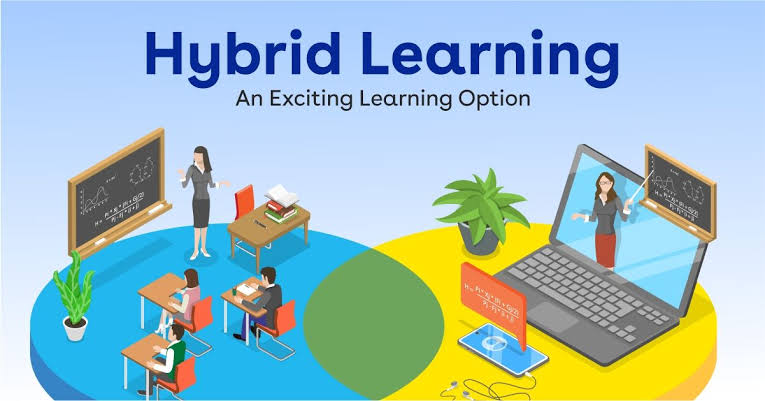
Hybrid education models represent a transformative approach to learning, blending traditional face-to-face instruction with online components. This educational framework has surged in popularity in recent years, primarily driven by advancements in technology and the growing need for flexible learning solutions. Defined as a combination of both offline and online methodologies, hybrid education aims to offer a more personalized experience that caters to diverse student needs, learning styles, and environments.
The essence of hybrid education lies in its adaptability. By utilizing digital platforms alongside conventional teaching methods, students can benefit from the strengths of each mode. Online components often provide access to a wealth of resources, including recorded lectures, interactive activities, and forums for discussion, allowing learners to pace their studies according to personal schedules. Meanwhile, in-person sessions can foster community building, facilitate hands-on learning experiences, and allow for immediate feedback from instructors.
One of the primary reasons for the rise in hybrid education is the increasing demand for lifelong learning opportunities. As the labor market continues to evolve rapidly, both students and professionals are seeking ways to acquire new skills and knowledge without the constraints of traditional education timelines. Eventual social distancing measures, particularly during global emergencies, further emphasized the need for robust hybrid models that maintain educational continuity regardless of circumstances.
The advantages of hybrid education models are manifold. They not only provide flexibility and accessibility but also enhance engagement through interactive online learning tools. This combination fosters a more comprehensive educational experience, driving student success and satisfaction. As education technology continues to evolve, it is expected that hybrid methodologies will become an integral part of the academic landscape, shaping how knowledge is imparted and acquired in the future.
The Evolution of Education: From Traditional to Hybrid
The history of education reveals a gradual transformation that parallels advancements in technology and shifts in societal needs. Traditional education, characterized by a one-size-fits-all, predominantly classroom-based approach, has served societies for centuries. With the advent of the industrial age, this model became increasingly standardized; however, it was constrained by its reliance on fixed physical locations and a rigid curriculum structure.
As technology began to permeate various aspects of life in the late 20th century, the educational landscape started to shift. The introduction of the internet marked a significant turning point, enabling resources and information to be accessible beyond the confines of traditional classrooms. Online learning platforms emerged, offering courses that could accommodate a diverse range of learning styles and paces. This shift not only catered to a wider audience but also enabled learners to access materials and instruction at their convenience.
Furthermore, societal changes, including increased mobility and the demand for lifelong learning, have necessitated flexible education options. Students today often juggle work, family responsibilities, and educational pursuits simultaneously. In response, hybrid education models began to gain traction, incorporating both online and offline methodologies to address these challenges. By merging the advantages of in-person interaction with the flexibility of online resources, hybrid education caters to a more diverse population, promoting inclusive learning environments.
As we continue to witness the evolution of education, it is evident that hybrid models represent a significant advancement, incorporating the best aspects of both traditional and modern learning approaches. This evolution underscores an ongoing adjustment to meet the realities of contemporary life, ensuring that education remains accessible and relevant in an ever-changing world.
Key Components of Hybrid Education Models
Hybrid education models represent a significant evolution in instructional methodology, blending traditional face-to-face learning with online components. Understanding the essential components of these hybrid models is crucial for educators and institutions transitioning to this modern approach.
One of the foundational elements of hybrid education is curriculum design. In crafting an effective hybrid curriculum, educators must ensure that learning objectives are clearly defined and appropriately met through both online and offline activities. This dual approach allows students to benefit from diverse instructional strategies that cater to various learning styles. For instance, while theoretical knowledge can be imparted through online lectures and interactive modules, practical skills may be developed through in-person workshops, fostering a well-rounded educational experience.
An equally essential aspect of hybrid education models is the use of technology. The integration of tools such as Learning Management Systems (LMS), video conferencing applications, and interactive online resources facilitates seamless communication and collaboration between instructors and students. These technologies not only enhance the learning experience but also provide opportunities for real-time feedback and assessment. As such, the successful implementation of technology in hybrid education is paramount, ensuring that students remain engaged and motivated throughout their learning journey.
Furthermore, instructional strategies play a vital role in differentiating hybrid models from traditional education. A blended approach encourages active learning, where students are not merely passive recipients of information. This can include collaborative group work, discussions, and problem-solving tasks, which are often facilitated by digital platforms. Instructors must be adept at creating an inclusive learning environment that fosters interaction, both in the physical classroom and online.
In summary, the key components of hybrid education models—curriculum design, technology use, and instructional strategies—are instrumental in creating an effective learning environment that prepares students for the challenges of a rapidly changing world.
Benefits of Hybrid Education Models
Hybrid education models represent a transformative approach to learning that combines both traditional face-to-face instruction and online methodologies. This blended format offers numerous advantages for students, educators, and educational institutions alike.
One of the primary benefits of hybrid education is the enhanced flexibility it provides. Students are afforded the opportunity to manage their time more effectively, allowing them to engage with course material at their own pace. This flexibility is particularly beneficial for non-traditional learners, such as working professionals or those with family responsibilities, as it accommodates their varied schedules while still ensuring access to quality education.
Moreover, hybrid education facilitates personalized learning experiences. Educators can tailor content delivery to meet the specific needs of individual students, enabling them to focus on areas where they may require additional support or advanced study. This level of customization contributes to improved engagement and ultimately leads to better retention of knowledge.
Accessibility is another significant advantage of hybrid educational models. With the integration of online platforms, educational resources become available to a broader audience. Students from remote or underserved areas can access high-quality instruction and materials, bridging gaps that may exist in traditional schooling environments. Such inclusivity is essential in promoting equal opportunities in education.
Furthermore, hybrid education models play a crucial role in the development of digital skills. As online learning becomes more prevalent, students are encouraged to engage with various technological tools and platforms. This exposure not only enhances their educational experience but also equips them with essential skills required in the modern workforce, preparing them for future career opportunities.
In conclusion, hybrid education models offer substantial benefits that enhance the learning experience for students while providing educators with innovative instructional strategies. These advantages underscore the viability of such models in contemporary education.
Challenges and Considerations in Implementing Hybrid Models
The adoption of hybrid education models presents a range of challenges that schools and educational institutions must navigate to ensure effectiveness. One prominent issue is access to technology. Not all students possess the necessary devices or reliable internet connections required for successful online learning. This digital divide can exacerbate existing inequalities, making it vital for institutions to implement strategies that bridge this gap, such as providing devices, subsidizing internet access, or establishing community centers with resources.
Another critical factor is the necessity for comprehensive teacher training. Instructors must be adept not only in subject matter but also in leveraging online tools and platforms effectively. Training programs must be developed to equip educators with the skills needed to facilitate an engaging online learning experience while balancing the traditional in-person methods. Lack of preparation and support for teachers can lead to frustration and burnout, ultimately affecting the quality of education delivered.
Maintaining student engagement across both online and offline settings is also a significant consideration. Students may struggle to remain motivated in a hybrid model, especially if they are accustomed to a traditional classroom experience. Strategies for enhancing engagement include creating interactive lessons, utilizing various multimedia resources, and establishing a supportive online community where students feel connected and involved. Regular feedback mechanisms should also be implemented to gauge student participation and adapt teaching methods accordingly.
In summary, the successful implementation of hybrid education models hinges on addressing technology access, providing robust teacher training, and fostering student engagement. By proactively tackling these challenges, educational institutions can harness the potential of hybrid learning to create a more versatile and inclusive educational environment.
Case Studies: Successful Hybrid Education Implementations
In recent years, several educational institutions have successfully implemented hybrid education models, integrating online learning with traditional face-to-face instruction. These case studies provide valuable insights into the efficiency and effectiveness of hybrid learning strategies across diverse educational contexts.
One notable example is the University of Southern California (USC), which adopted a hybrid model that blends online coursework with in-person classes. This approach has allowed USC to increase flexibility for students, enabling them to engage with course materials remotely while still benefiting from personal interactions in the classroom. Over the course of three semesters, student feedback highlighted improved engagement and satisfaction levels, with many students appreciating the balance between autonomy and social learning.
Another significant case is that of K12 Inc., an educational service provider that specializes in offering fully online curricula. K12 Inc. identified that certain students thrived better with a hybrid approach that included both online lessons and physical labs. To this end, they facilitated partnerships with local schools to allow students to access hands-on resources while learning theoretically online. As a result, the students exhibited not only enhanced academic performance but also improved retention rates compared to traditional education systems.
In addition, Blended Learning at the University of Michigan has showcased how hybrid methods can enhance student-centered learning experiences. By employing personalized learning pathways where students could choose between synchronous and asynchronous lessons based on their individual learning styles, the university reported a noticeable increase in student grades and participation in discussions. Faculty members emphasized that this adaptability enabled them to address students’ unique needs more effectively.
These case studies illustrate the potential of hybrid education models to transform traditional learning environments. By integrating the strengths of online and offline methodologies, institutions can foster enriched educational experiences that cater to diverse learner needs.
Pedagogical Strategies for Hybrid Learning
Hybrid education is fundamentally reshaping traditional learning paradigms by merging online and offline methodologies. To effectively implement a hybrid model, educators must employ a variety of pedagogical strategies tailored to the unique needs of their students. One such strategy is differentiated instruction, which allows faculty to customize learning experiences based on each student’s learning style and pace, catering to both in-person and remote learners.
Another critical strategy is the incorporation of collaborative learning techniques, where students engage in group projects or discussions that leverage both digital platforms and face-to-face interactions. This approach fosters a sense of community and encourages peer-to-peer learning, essential for deeper comprehension and retention of knowledge. Tools such as discussion boards and video conferencing can facilitate these interactions, ensuring that online students feel equally included.
Additionally, the use of formative assessments plays a pivotal role in a hybrid education framework. Continuous feedback through quizzes, polls, and interactive assignments helps educators gauge student understanding in real-time, thus allowing for timely intervention where necessary. This approach not only provides insights into academic progress but ensures students remain engaged and motivated.
Technology integration also stands as a foundational pillar in hybrid learning environments. Utilizing educational technology tools—such as Learning Management Systems (LMS) and interactive software—enables a seamless transition between online and offline experiences. Educators can create dynamic lesson plans that incorporate multimedia resources, making learning more appealing and accessible for all students.
Ultimately, the successful implementation of these strategies requires a well-designed curriculum that harmonizes online resources with in-person teaching methods. By doing so, educators can maximize student learning outcomes in a hybrid education model, ensuring that both remote and on-campus learners are effectively engaged throughout their educational journey.
Future Trends in Hybrid Education
The landscape of hybrid education is poised for substantial transformation as we move into the future. One key area witnessing innovation is technology. With advancements in artificial intelligence and virtual reality, personalized learning experiences are becoming more prevalent. These technologies enable educators to tailor lessons to individual student needs, fostering a more effective learning environment. For instance, AI can assist in tracking student progress and adapting teaching strategies in real-time, thus enhancing engagement and retention.
Another significant factor influencing the future of hybrid education is the evolving demands of the workforce. As industries continue to adapt to rapid changes, educational institutions must align their curricula with the skills that employers seek. This shift not only necessitates the integration of hands-on experience through offline components but also highlights the importance of online courses that can easily be updated to reflect the latest industry trends. Consequently, educational institutions could increasingly offer flexible programs that allow students to learn at their own pace, thereby catering to diverse learning preferences.
Moreover, shifts in policy at both the local and national levels are likely to impact hybrid education models. Educational leaders and policymakers are beginning to recognize the benefits of flexible learning environments that combine online and offline methods. This acknowledgement may lead to increased funding for technology infrastructure and training, enabling more robust hybrid programs. Furthermore, as educational equity gains more attention, hybrid models have the potential to bridge gaps for students in underserved communities, providing them with access to quality education that was previously unavailable.
In summary, the future of hybrid education is being shaped by technological innovations, evolving workforce needs, and policy adjustments. As these elements intertwine, they create opportunities for more engaging and inclusive learning experiences, ensuring that education remains responsive to the demands of the 21st-century landscape.
Conclusion: The Role of Hybrid Education in Shaping Learning Experiences
As we draw our discussion on hybrid education models to a close, it is essential to acknowledge the profound impact these methodologies have on shaping contemporary learning experiences. The fusion of online and offline educational strategies creates a comprehensive approach that caters to various learning styles and preferences. By embracing both traditional and digital platforms, hybrid models offer a flexible framework that fosters engagement, autonomy, and personalization in education.
The benefits of hybrid education extend beyond convenience; they promote a more inclusive learning environment. Students from diverse backgrounds and with unique needs can access high-quality education regardless of geographical limitations. This adaptability is particularly crucial in today’s world, where technology permeates every aspect of our lives. Furthermore, hybrid education empowers learners to cultivate essential skills such as digital literacy, critical thinking, and time management, all of which are vital in an increasingly interconnected, fast-paced society.
Moreover, the integration of online resources and offline interactions enhances collaboration and communication among students and educators. By facilitating ongoing dialogue, hybrid models not only bridge the gap between theoretical knowledge and practical application but also foster a sense of community amidst diverse learning groups. The ongoing evolution of technology will only enhance these experiences, making hybrid education a vital aspect of future learning landscapes.
In conclusion, hybrid education models represent a promising avenue for redefining the educational experience in a rapidly changing world. As we look forward, it is imperative for educators, institutions, and policymakers to invest in and promote the benefits of this approach, ensuring that every student is equipped with the skills and knowledge necessary to thrive in their personal and professional lives.