


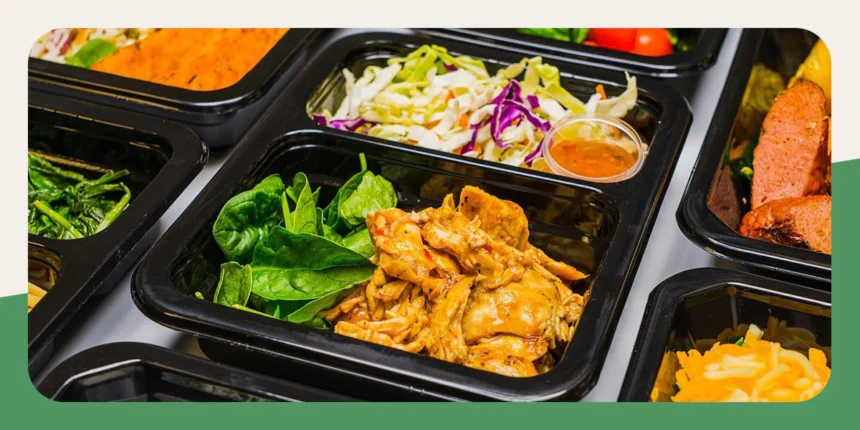
Introduction to Meal Prep for Busy Professionals
In today’s fast-paced world, busy professionals often face challenges when it comes to maintaining a healthy diet. With tight schedules and demanding workloads, preparing nutritious meals can feel like a daunting task. However, meal prepping presents a practical solution, allowing individuals to enjoy balanced meals regardless of their hectic lifestyles.
Meal prep is the process of planning and preparing meals in advance, which can significantly save time during the week. By dedicating a few hours on weekends or designated days, professionals can cook and portion out meals for the upcoming week. This not only streamlines busy evenings but also eliminates the need for last-minute takeout or unhealthy food choices. With meal prep, everything is ready to go, making it easier to stay on track with health goals.
Moreover, meal prepping can help alleviate stress related to food decisions. When meals are thoughtfully planned, professionals can avoid feeling overwhelmed by the daily question of “What should I eat?” This approach enables them to focus on their work responsibilities without the distraction of figuring out meals on the fly. Additionally, having pre-prepared nutritious options readily available fosters better eating habits, encouraging individuals to make healthier choices instead of reaching for convenience foods.
In the context of busy professionals, meal prep not only promotes efficiency but also contributes to overall well-being. Integrating this practice into one’s routine can lead to increased energy levels, improved focus, and a greater likelihood of achieving personal health objectives. Ultimately, for those navigating a demanding work environment, embracing meal prep stands as a cornerstone of maintaining a balanced diet and a healthier lifestyle.
Benefits of Meal Prepping
Meal prepping has become increasingly popular among busy professionals, primarily due to its numerous advantages. One of the most notable benefits is substantial cost savings. When individuals plan their meals for the week, they tend to buy ingredients in bulk and avoid impulse purchases at restaurants or convenience stores. For example, Sarah, a marketing director, reported saving approximately 30% on her monthly grocery bill after adopting meal prepping. This financial benefit is a major incentive for many.
Another key advantage of meal prepping is improved portion control. By preparing meals in advance, professionals can avoid overeating or making unhealthy food choices. When each meal is pre-portioned and prepared, individuals are less likely to indulge in excessive snacking or choose larger servings. John, an IT consultant, shared that meal prepping has helped him reduce his caloric intake, resulting in weight loss alongside enhanced energy levels throughout his busy day.
Moreover, meal prepping plays a crucial role in minimizing food waste. With careful planning, professionals can utilize ingredients more effectively, ensuring that nothing goes to waste. Components like freshly chopped vegetables can be used in multiple meals, reducing overall waste. Emma, a graphic designer, noted that since she began meal prepping, her food waste has decreased significantly, allowing her to feel more environmentally conscious and responsible.
Finally, the convenience of having ready-to-eat meals is another benefit that appeals to many busy individuals. After a long day at work, the last thing many want to do is spend time cooking. Meal prepping eliminates this stress, as meals can simply be reheated. For instance, Mike, a financial analyst, emphasized that being able to reach for a pre-prepared meal saves him valuable time, allowing him to focus on family or personal projects after hours.
Essential Tools for Meal Prep Success
Meal prep is not just about cooking; it is also about utilizing the right tools to streamline the process and ensure that it is both efficient and enjoyable. For busy professionals, investing in essential kitchen tools can significantly simplify the meal prep experience and promote healthier eating habits.
One of the most crucial elements in meal prepping is having a good selection of meal prep containers. These containers come in various sizes and materials, ranging from glass to BPA-free plastic. Choosing stackable containers can save valuable space in your refrigerator and make it easy to organize your meals. Additionally, opt for containers with secure lids that prevent spills and preserve the freshness of your prepared meals.
Another indispensable tool is a high-quality chef’s knife. A sharp knife not only speeds up the chopping process but also enhances safety in the kitchen. Moreover, a cutting board made of wood or plastic can provide a sturdy surface for slicing and dicing, allowing for greater precision when preparing ingredients. A food processor can also be a game-changer; it can chop, slice, dice, and puree vegetables in a fraction of the time it would take to do by hand, making it an invaluable asset for busy individuals.
Storing prepped food efficiently is equally important. Labels and markers can assist in identifying different meals easily and ensuring that items are consumed in a timely manner, thus reducing food waste. Furthermore, investing in a good set of measuring cups and spoons can help you stick to portion sizes, ensuring that your meal prep is both nutritious and satisfying.
Incorporating these essential tools into your meal prep routine will lead to a smoother, more organized process, enabling busy professionals to maintain their healthy eating habits effortlessly.
Quick and Healthy Meal Prep Ideas
For busy professionals, the challenge of maintaining a nutritious diet can often feel overwhelming due to the constraints on time. However, with effective meal prep strategies, it is possible to enjoy healthy meals without sacrificing convenience. Below are some quick and nutritious meal prep ideas designed specifically for those with demanding schedules.
One of the easiest ways to ensure healthy eating throughout the week is to prepare overnight oats for breakfast. Combine rolled oats with your choice of unsweetened plant-based milk, a tablespoon of chia seeds, and your favorite fruits. Allow the mixture to sit overnight in the refrigerator, yielding a grab-and-go breakfast that is both delicious and satisfying.
For lunch, consider batch-preparing quinoa salads. Cook a large batch of quinoa, and mix it with diced vegetables such as bell peppers, cucumbers, and cherry tomatoes. Add a protein source, like chickpeas or grilled chicken, along with a lemon-olive oil dressing. This versatile salad can be stored in containers and will remain fresh for several days, making it an excellent choice for midweek meals.
Dinner options can include one-pan baked dishes, which necessitate minimal cleanup and cooking time. A popular option is a roasted vegetable and chicken sheet pan meal. Simply toss chicken breast pieces and assorted vegetables like broccoli, carrots, and sweet potatoes with olive oil, garlic, and herbs. Bake in the oven for around 30 minutes, providing a wholesome meal for the week.
Snacks also play a significant role in healthy eating. Preparing energy bites with oats, peanut butter, honey, and dark chocolate chips can offer a nutritious and easy-to-carry option. These bites can be stored in an airtight container for a quick energy boost during busy workdays.
Snacks on the Go: Healthy Options
For busy professionals, maintaining energy levels throughout the workday can be a challenge, especially when meal times can be unpredictable. Having healthy snacks prepared and easily accessible is essential to sustaining focus and productivity. These snacks should not only provide energy but also contain essential nutrients to support overall health.
One excellent option for healthy snacking is to prepare a variety of nut butter packs paired with apple slices or celery sticks. Nut butters are rich in healthy fats and protein, making them ideal for a quick energy boost. Another nutritious choice is Greek yogurt paired with a handful of berries. This combination offers a balance of protein and antioxidants, keeping you energized and satisfied until your next meal.
Muffins made with whole grains and filled with fruits, such as banana oatmeal muffins or blueberry almond muffins, are also great options. They can be baked in bulk and stored for quick grab-and-go snacks. Another healthy alternative is preparing a batch of energy bites. These can be made from ingredients such as oats, honey, and a variety of seeds and nuts. Not only are these energy bites easy to prepare, but they also provide fiber and healthy fats essential for good health.
For those who prefer savory snacks, hummus with an assortment of vegetable sticks or whole-grain crackers can be an excellent source of protein and fiber. Hard-boiled eggs are also a convenient option, as they are portable and packed with nutrients. By preparing these healthy snacks in advance, professionals can ensure they have wholesome choices on hand, negating the temptation of unhealthy vending machine fare or fast food.
Batch Cooking Techniques for Efficiency
Batch cooking has become an essential strategy for busy professionals seeking to maintain a healthy diet without spending an excessive amount of time in the kitchen. This approach not only saves time but also contributes to financial efficiency by allowing individuals to purchase ingredients in bulk. By preparing larger quantities of food, busy individuals can ensure they have nutritious meals readily available throughout the week.
One effective method of batch cooking involves preparing substantial amounts of grains such as quinoa, brown rice, or farro. Cooking these staple foods in large batches can serve as a versatile base for various meals. Once cooked, grains can easily be refrigerated or frozen in portion-sized containers, allowing for quick meal assembly during the week.
Proteins are another critical component of batch cooking. Options such as chicken, turkey, beans, or lentils can be cooked in larger quantities and stored for later use. For instance, grilling or baking chicken breasts in bulk not only saves prep time but ensures a nutritious protein source is always accessible. When cooking proteins, consider seasoning them with a variety of spices, as this can enhance their flavor and versatility across numerous dishes.
Similarly, vegetables can be roasted or steamed in large quantities. Preparing a medley of colorful vegetables not only ensures a range of nutrients but also adds variety to your meals. Post-cooking, vegetables can be stored in airtight containers and used in stir-fries, salads, or as sides throughout the week.
For optimal storage, it is essential to cool cooked items quickly and store them in air-tight containers. Labeling these containers with dates promotes easy consumption while preserving food quality. Moreover, reheating techniques such as using a microwave or stovetop ensure that meals remain warm and delicious when it’s time to eat. Utilizing these batch cooking strategies effectively supports a balanced diet, minimizes food waste, and enhances everyday efficiency.
Customizing Meal Prep to Fit Your Diet
In today’s fast-paced world, many busy professionals are seeking ways to maintain a healthy diet without sacrificing convenience. Customizing meal prep to fit individual dietary preferences or restrictions can significantly enhance the meal preparation experience while supporting health goals. By understanding various dietary approaches, individuals can create meal plans that not only meet their nutritional needs but also align with their lifestyles.
For those adhering to a vegan or vegetarian diet, the focus can be on plant-based ingredients. Including a variety of legumes, whole grains, nuts, and seeds ensures that the meals are rich in protein and essential nutrients. Preparing dishes such as quinoa salad with roasted vegetables or chickpea stir-fry can provide delicious and satisfying options. Additionally, experimenting with different herbs and spices can elevate flavor profiles, making meal prep an enjoyable culinary exploration.
Individuals with gluten sensitivities or celiac disease can thrive on a gluten-free diet by thoughtfully selecting ingredients such as brown rice, quinoa, or gluten-free pasta. Meal prep ideas might include dishes like stuffed bell peppers with brown rice or a hearty vegetable soup with lentils. It’s essential to carefully read labels and choose certified gluten-free products to avoid cross-contamination.
On the other hand, those who follow a ketogenic diet can optimize their meal prep by focusing on low-carb and high-fat foods. Incorporating avocados, nuts, seeds, and fatty fish can help achieve the desired macronutrient balance. Recipe ideas include zucchini noodles with pesto and grilled chicken or baked salmon with asparagus. These meals promote satiety and energy stability throughout the day.
By embracing meal prep customization, busy professionals can effectively align their meals with dietary needs, ensuring that they nourish their bodies while accommodating their schedules. Ultimately, this tailored approach fosters a healthier relationship with food and encourages sustainable eating practices.
Time-Saving Tips for Meal Prep
Meal prep can be a time-consuming task, but with a few strategic approaches, busy professionals can streamline the process significantly. One of the key foundations of an effective meal prep strategy is planning a menu for the week ahead. By taking the time to outline meals that will be prepared, one can ensure that both the cooking and shopping processes are organized and efficient. This menu planning can be as simple as selecting a few staple recipes that incorporate similar ingredients, thereby reducing waste and saving money.
Next, efficient grocery shopping plays a crucial role in saving time. Preparing a detailed shopping list based on the meal plan enables professionals to navigate the aisles quickly, minimizing the likelihood of impulse purchases and saving time spent in-store. Online grocery shopping can be a convenient alternative, allowing professionals to place orders and schedule curbside pickups or delivery, thus further maximizing their limited time.
Moreover, utilizing kitchen shortcuts can make meal preparation faster without compromising nutrition. Employing tools such as a slow cooker or an Instant Pot can significantly reduce cooking times by allowing for hands-off meal preparation. Pre-cut vegetables or pre-marinated proteins can also be purchased to save time on prep work. Additionally, batch cooking is a highly effective technique; by preparing larger portions of meals that can be easily refrigerated or frozen, busy individuals can ensure they always have healthy options available throughout the week.
Lastly, dedicating specific days and times for meal prep can help create a routine, allowing for regular meal preparation. For instance, many find that Sundays are ideal for spending a few hours cooking for the week ahead. By following these time-saving tips, busy professionals can enjoy the benefits of healthy meal prep without feeling overwhelmed.
Conclusion: Making Meal Prep a Sustainable Habit
In today’s fast-paced world, it is essential for busy professionals to prioritize healthy eating. Meal prepping has emerged as an effective strategy to ensure that nutritious meals are readily available, even amidst hectic schedules. However, the key to successful meal prep lies not only in the initial effort but in making it a sustainable habit.
Starting small is critical when integrating meal prep into your routine. Begin by dedicating a few hours each week to prepare meals in advance. Consider planning meals for just a couple of days at first, or focusing on batch cooking staples like grains, proteins, and vegetables. As you become more comfortable with the process, gradually increase the number of meals you prepare. This approach allows you to adjust without feeling overwhelmed, and it helps foster long-term healthy eating habits.
Additionally, finding meal prep methods that align with your preferences is vital. Utilizing an array of containers, labels, and cooking techniques can simplify the process and propel you towards consistency. Experimenting with various recipes and ingredients can also enhance your enjoyment of meal prep, ensuring it remains an engaging and satisfying experience rather than a chore.
Moreover, joining groups or communities focused on meal prepping can offer support, tips, and inspiration. Engaging with others who share the same goal fosters motivation and accountability. Remember that every small step taken towards healthy eating is progress. By establishing meal prep as a regular practice in your life, you not only simplify your weekly dining but also lay a robust foundation for better health and well-being.